
SIGHTDolomites, Italy
The Dolomites, a landscape worth slowing down for
Choose a valley, understand the mountain conditions, and give this complex landscape more than a hurried photograph.
8 min readRead story
The travel collection
Stories to kindle your curiosity. Landscapes, kitchens, melodies, aromas and living traditions from around the world.
Choose a valley, understand the mountain conditions, and give this complex landscape more than a hurried photograph.
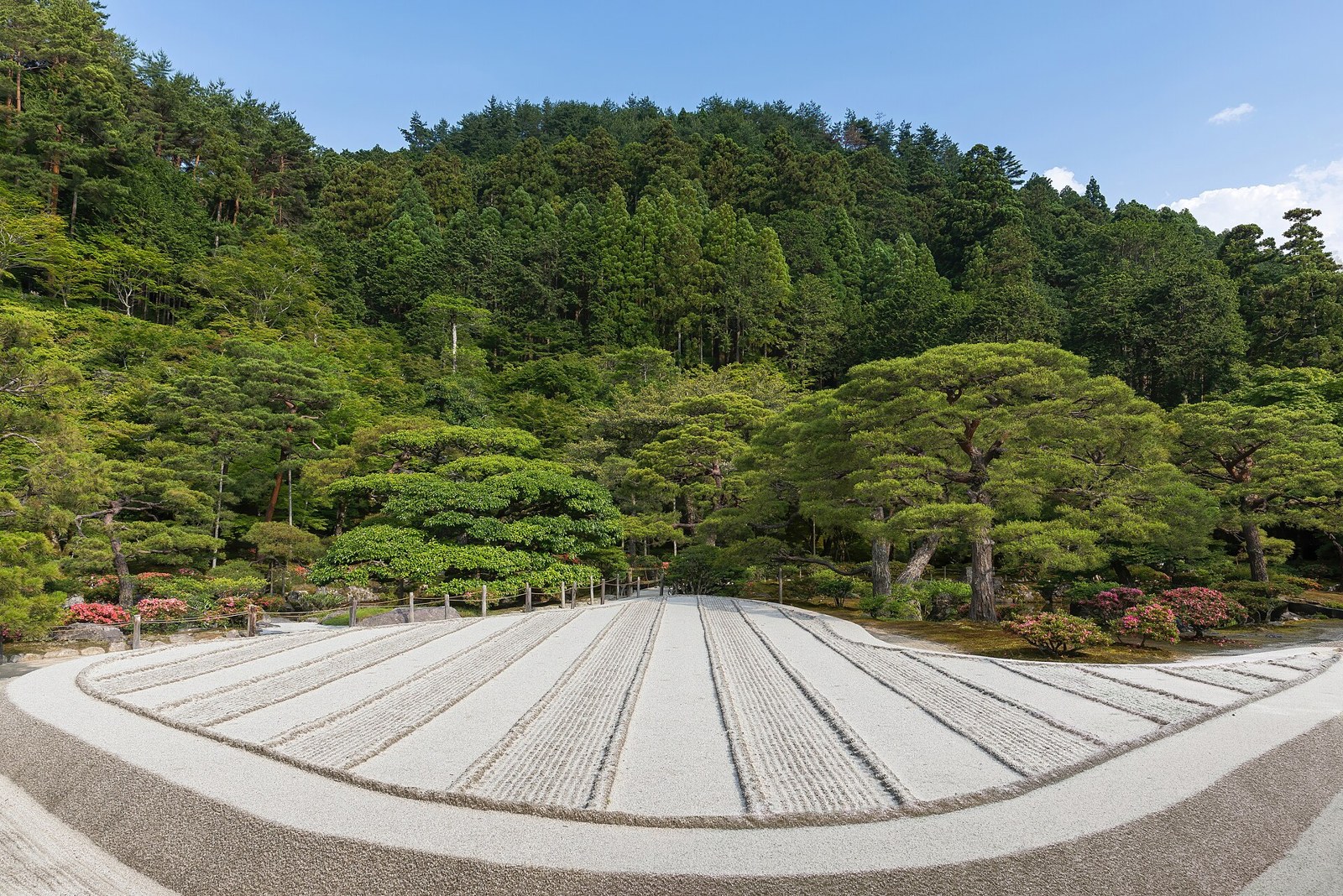
An attentive approach to Kyoto gardens, with time for framing, seasonal change and the rules that protect quiet spaces.
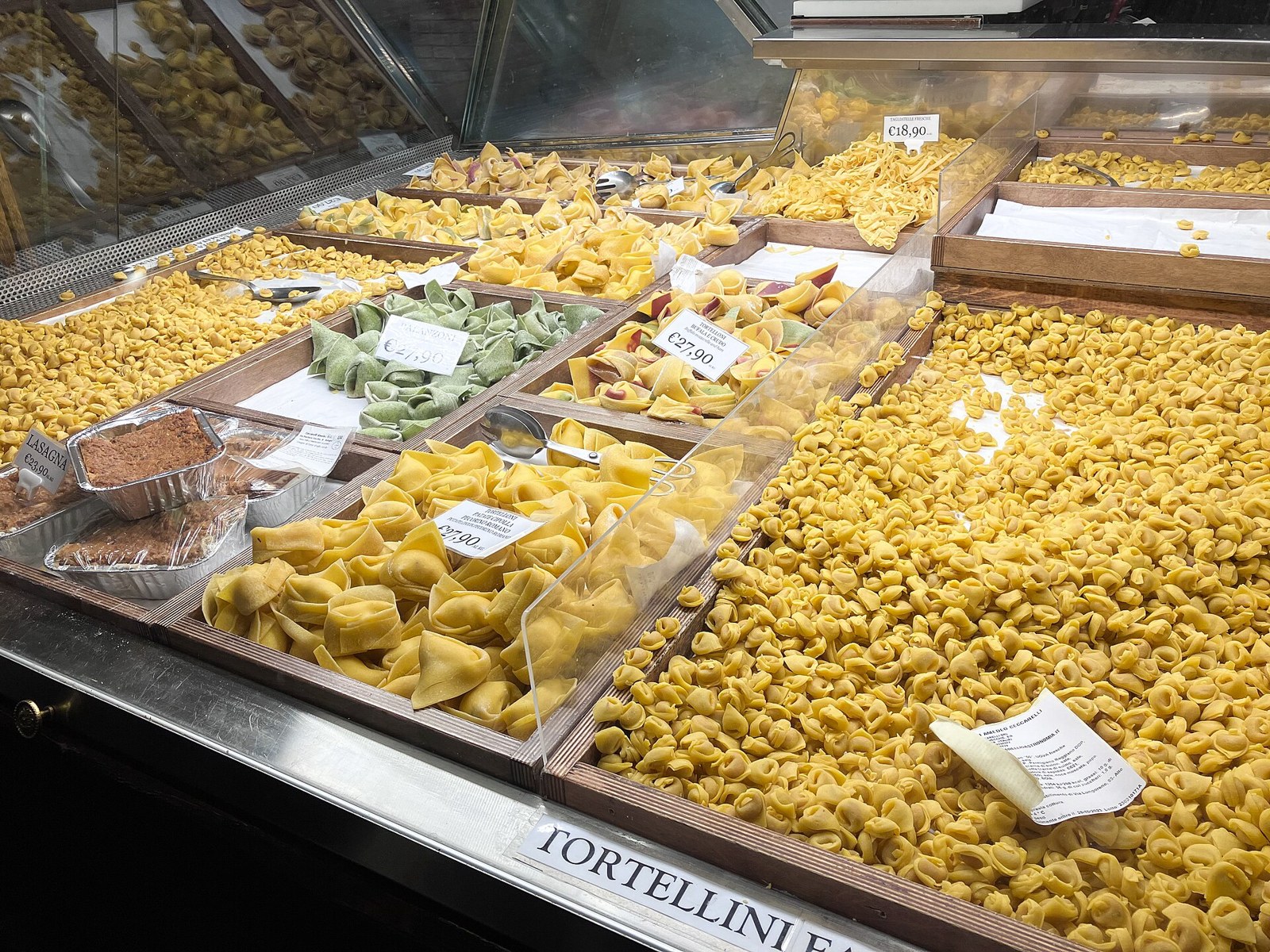
Explore pasta, market shopping and the practical pleasures of eating in a working Italian city.
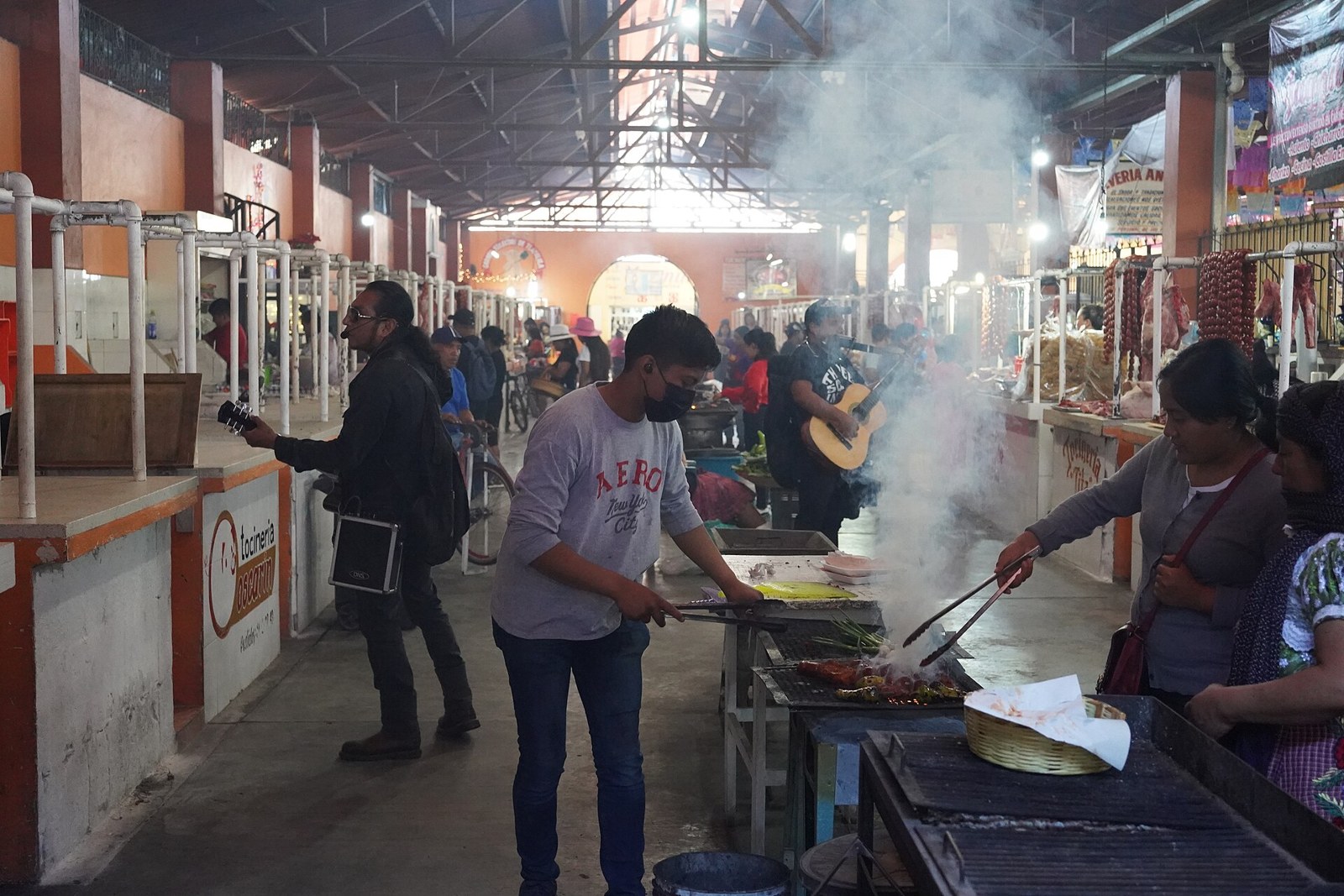
A thoughtful route through Oaxaca’s food markets, balancing appetite with practical questions and respect for working stalls.
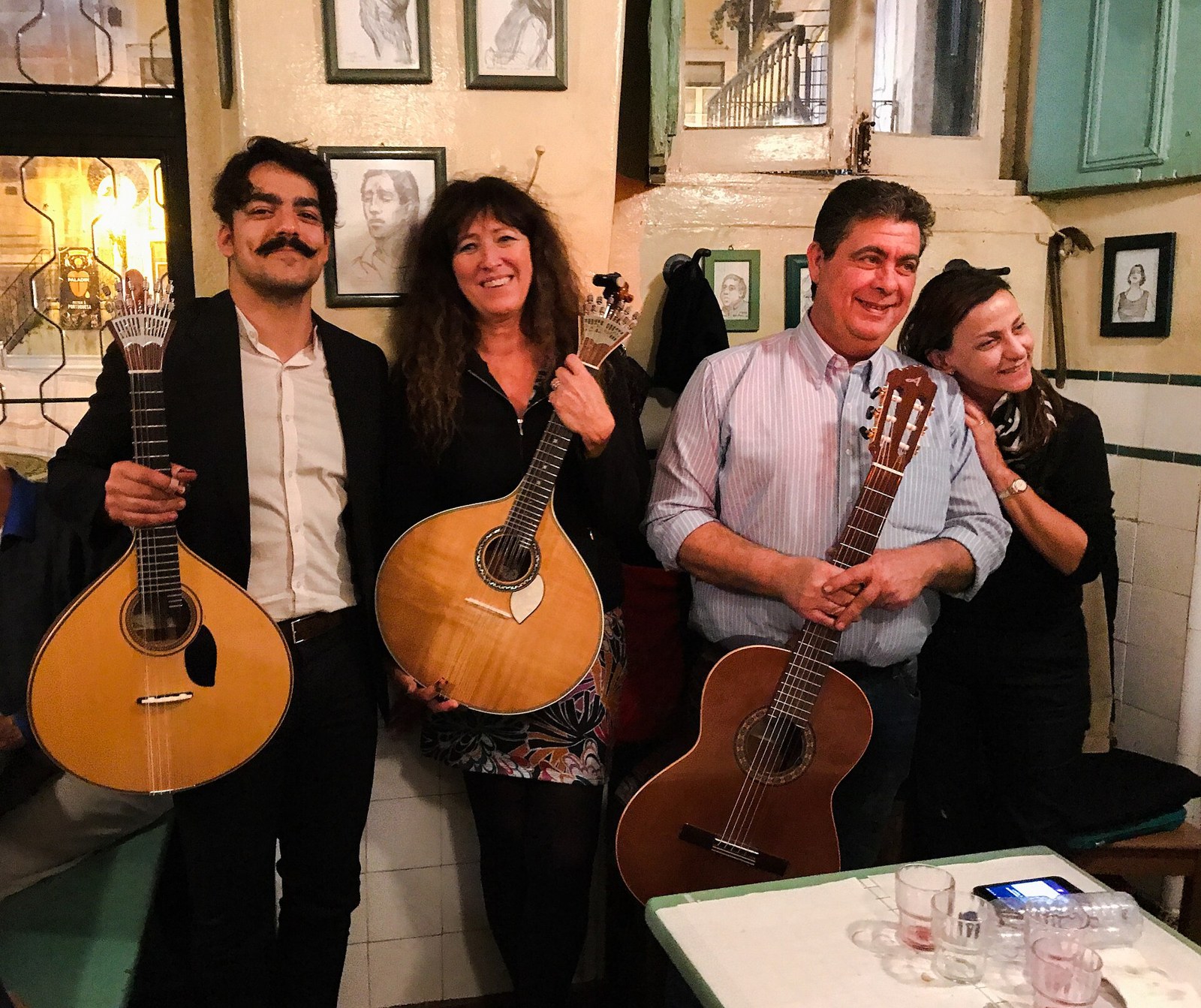
Choose a performance for the listening experience, understand the practical arrangements, and give the musicians your attention.
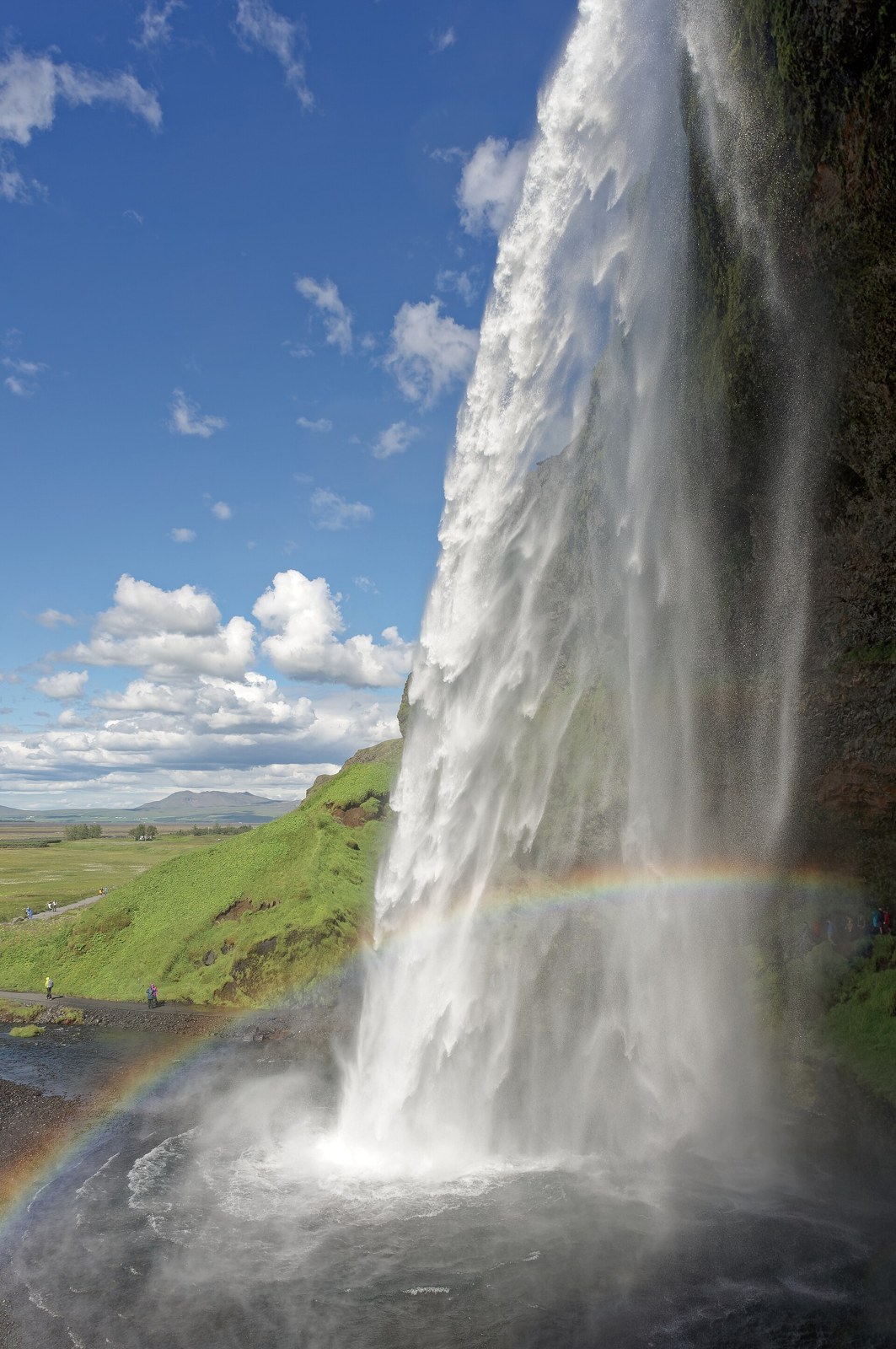
Listen to Iceland through its waterfalls, with a route that puts weather, safe viewpoints and unhurried attention before distance.
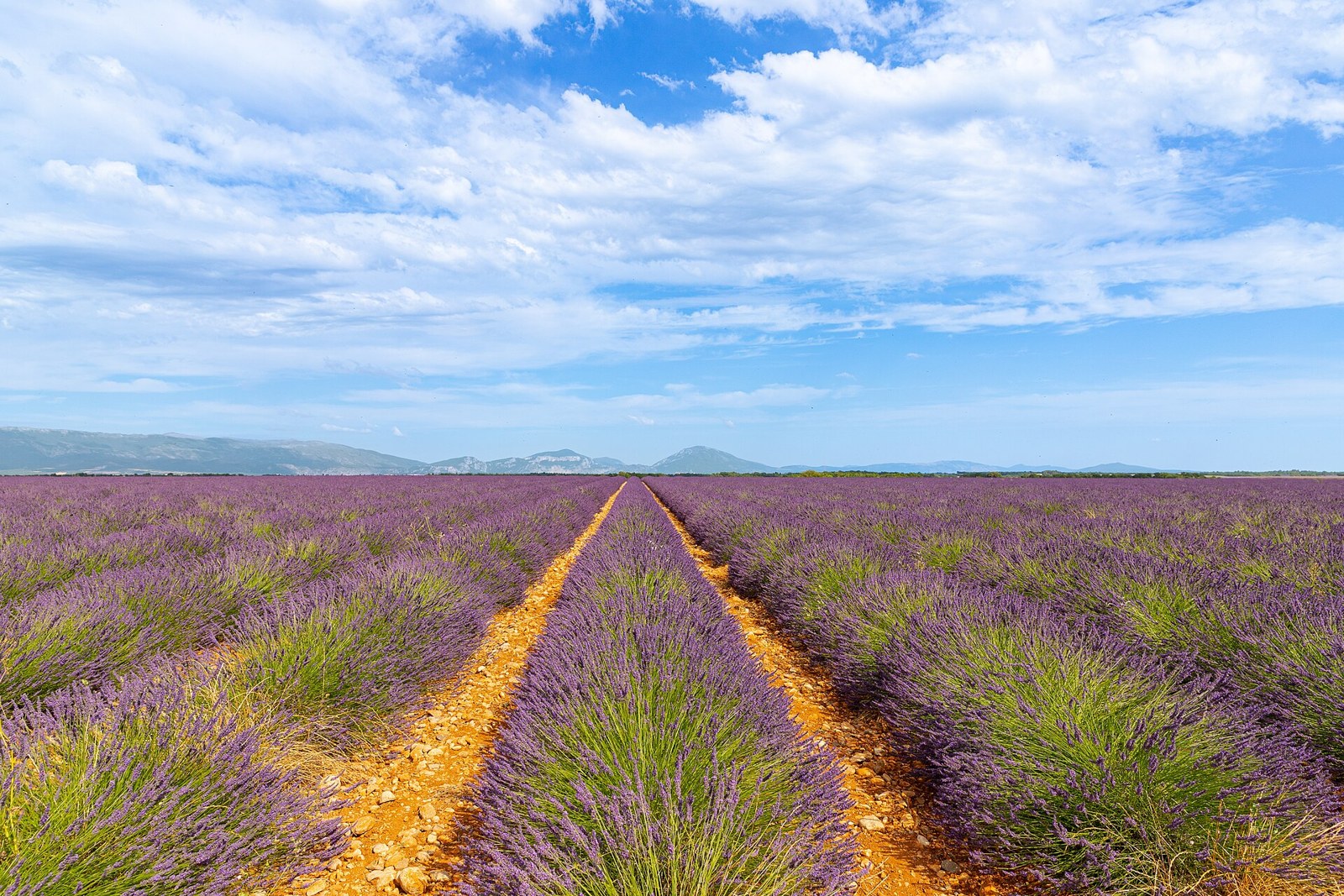
A lavender journey built around working farms, flowering conditions and the differences between a field, a distillery and a finished scent.
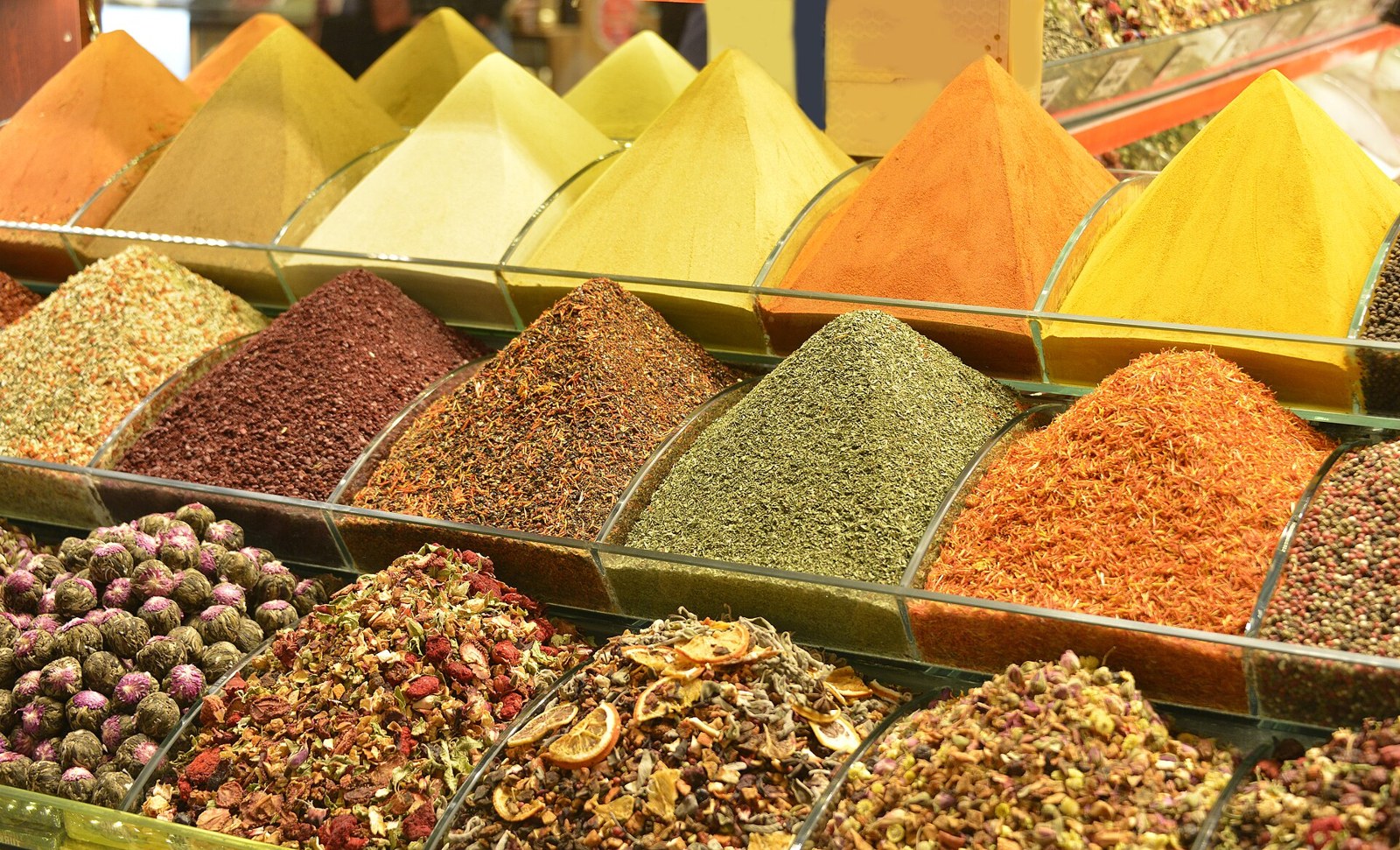
Explore the Spice Bazaar and its surrounding streets through ingredients, careful shopping and the everyday movement of a working city.
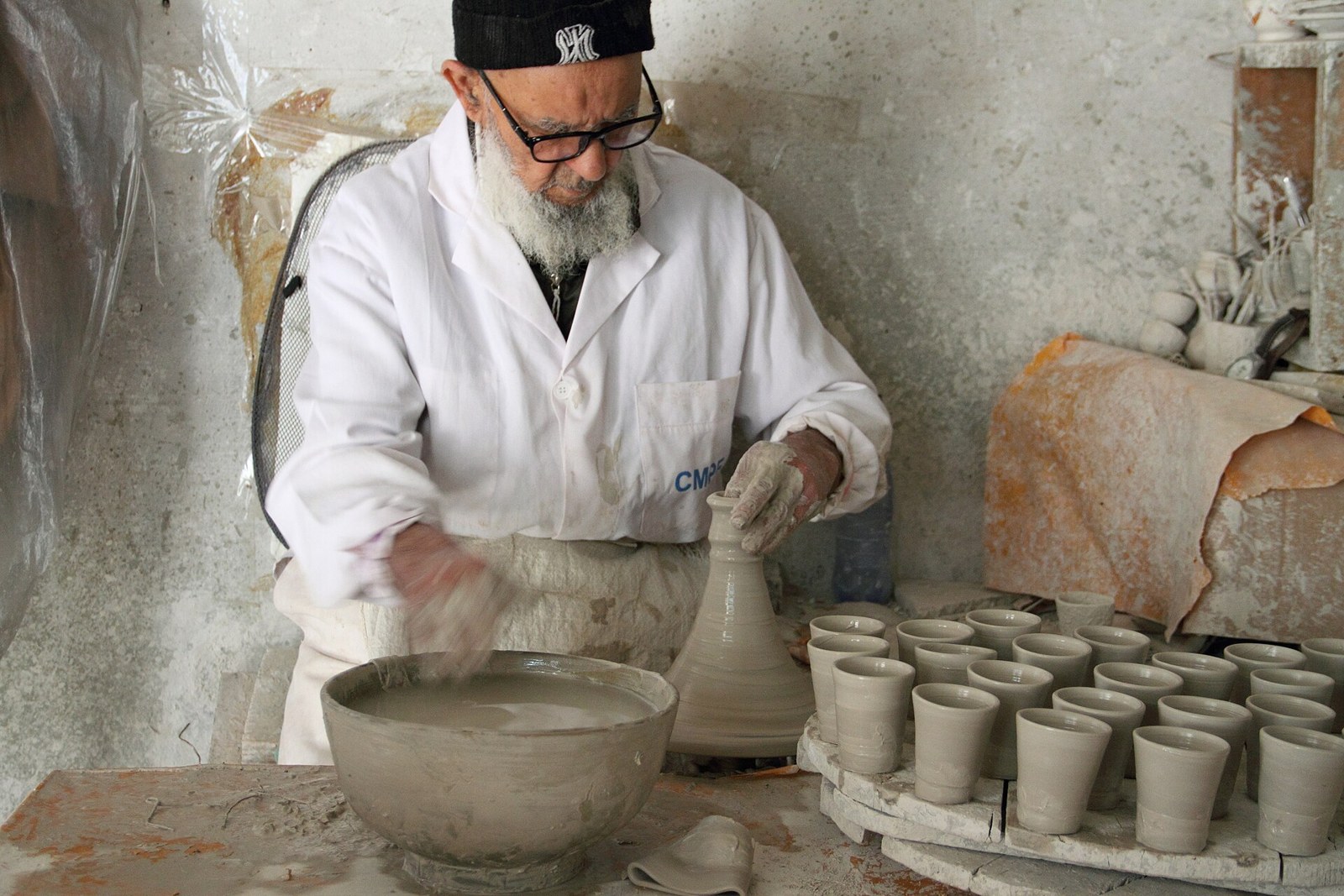
Meet the materials and working skills of Fez through careful observation, permission-based handling and thoughtful purchases.
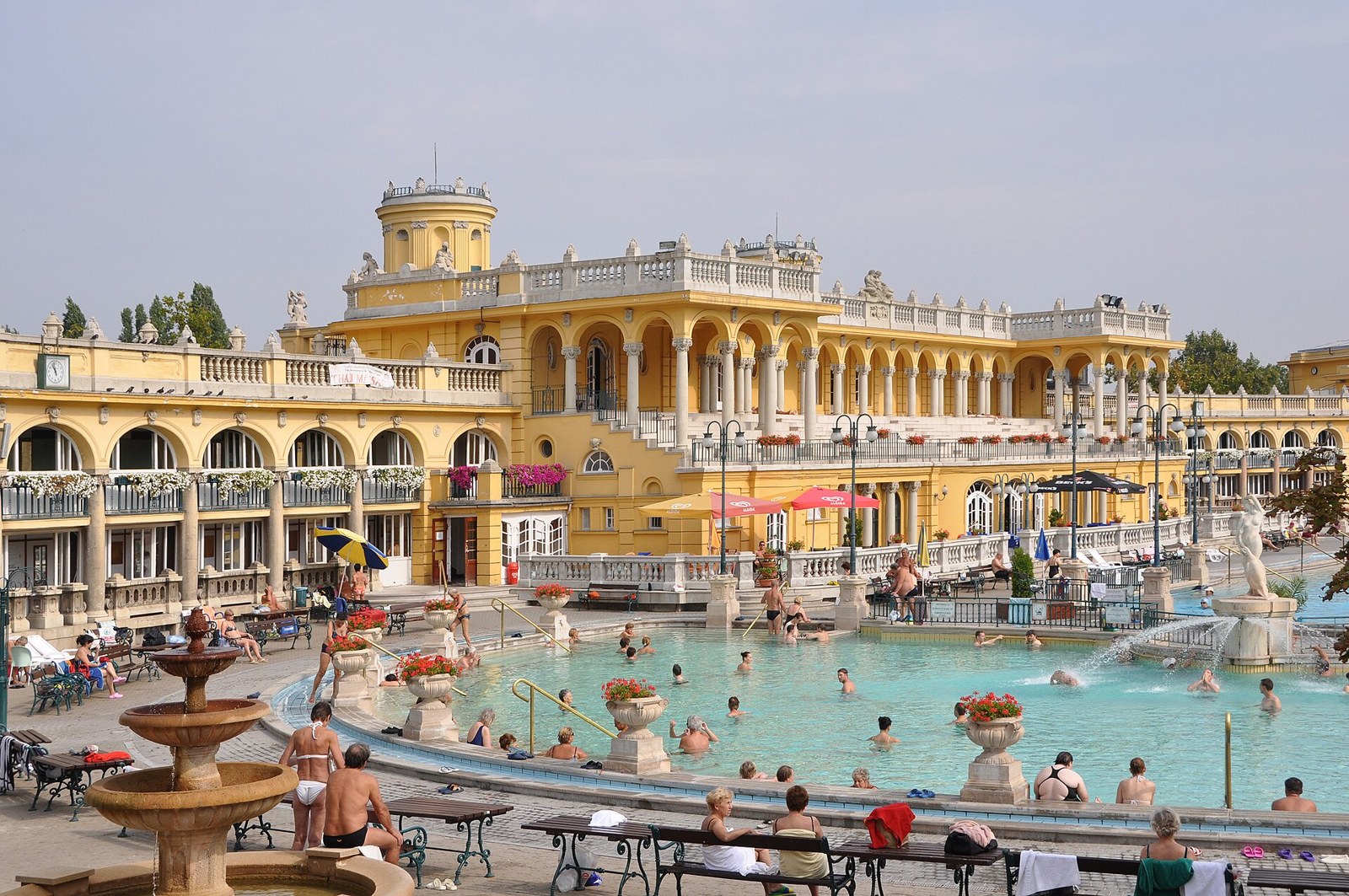
Approach Budapest bathing as a deliberate sequence of arrival, washing, warmth and rest, with venue rules and personal limits at the center.
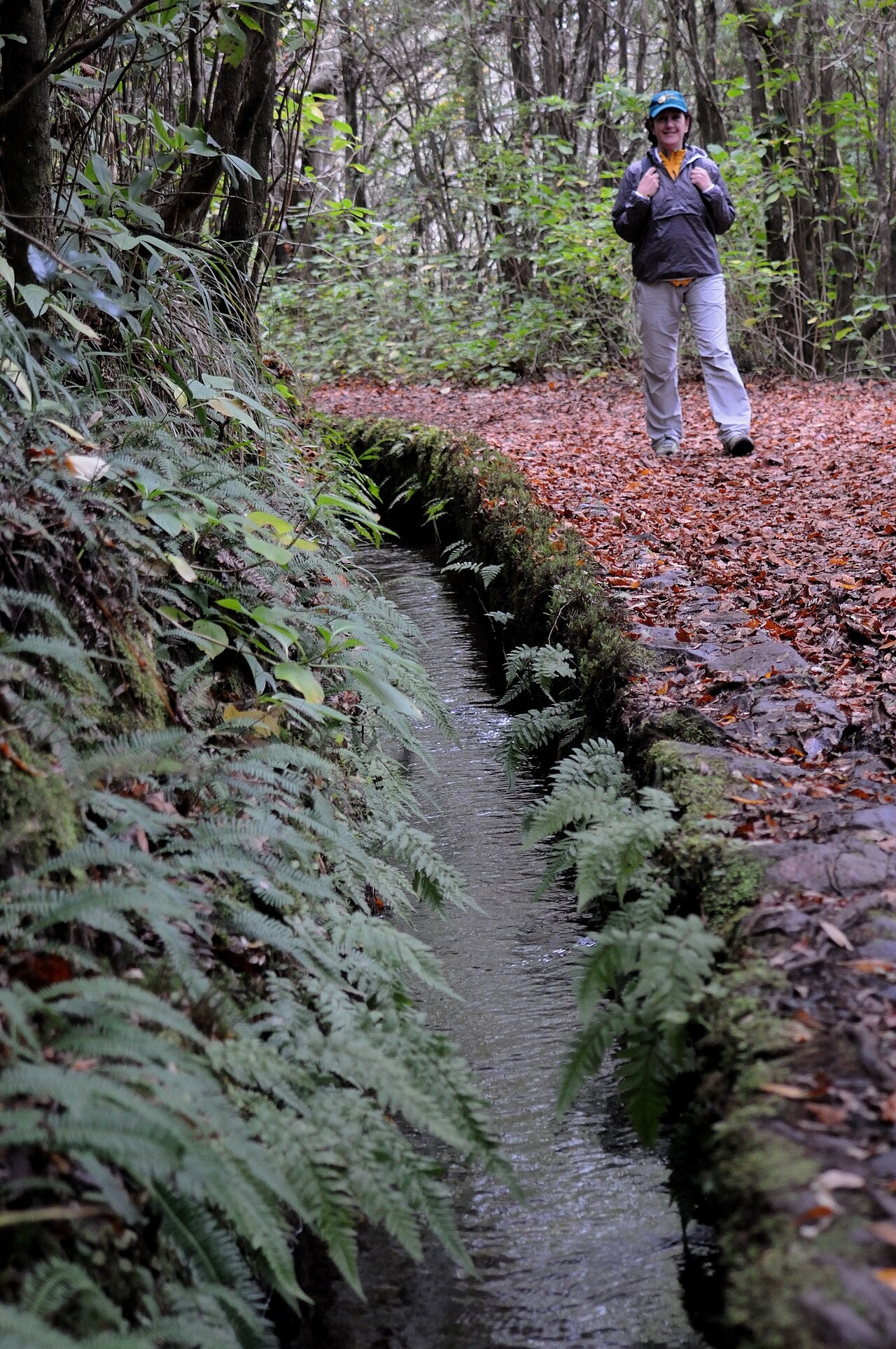
On a levada path, Madeira reveals itself at the speed of running water. A narrow channel slips around a hillside, trees lean across the walking line, and a break in the canopy suddenly opens an entire valley. These are working landscapes rather than scenery arranged for hikers. Water infrastructure, cultivated slopes and forest occupy the same frame. The most rewarding visit is not a race towards a famous waterfall, but a carefully chosen walk that lets you notice how the island holds together.
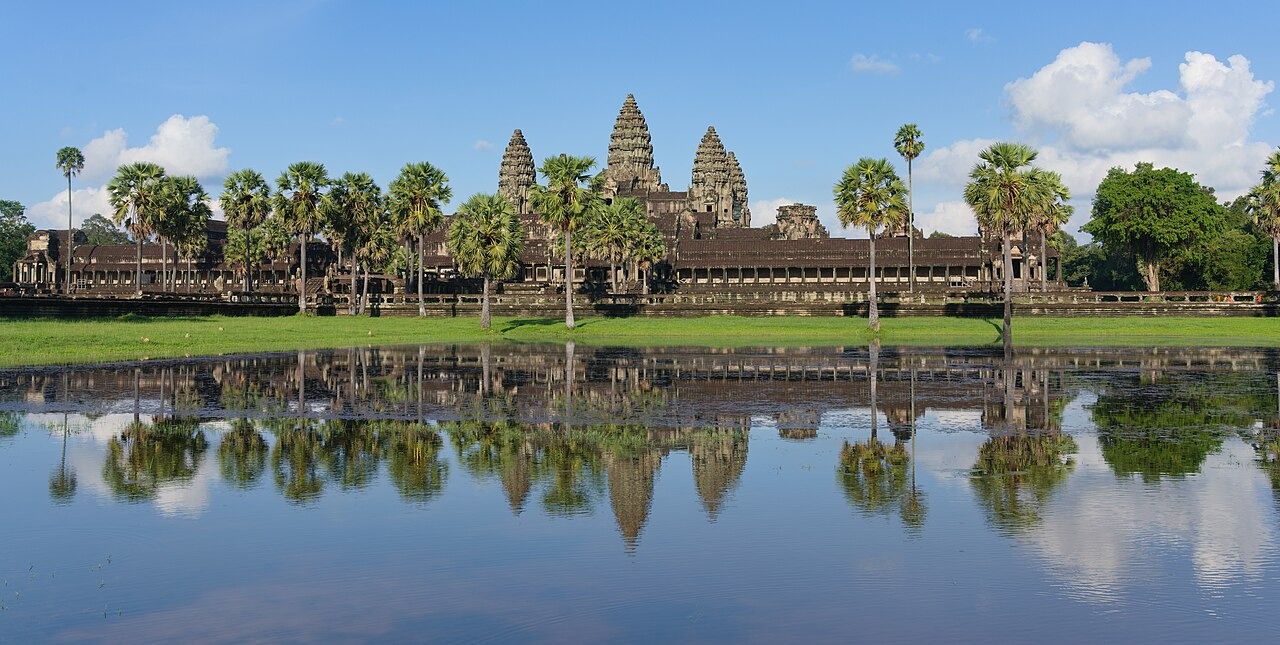
Angkor rewards the visitor who looks beyond the outline of its towers. A doorway frames another doorway; a carved figure seems to emerge as the light moves; a long approach makes the building ahead feel deliberately distant. This is architecture experienced through movement. Around the monuments lies a much larger landscape of water, roads, forest and communities. Come to northern Cambodia with time to look closely, and the temples become more than a sequence of impressive silhouettes.
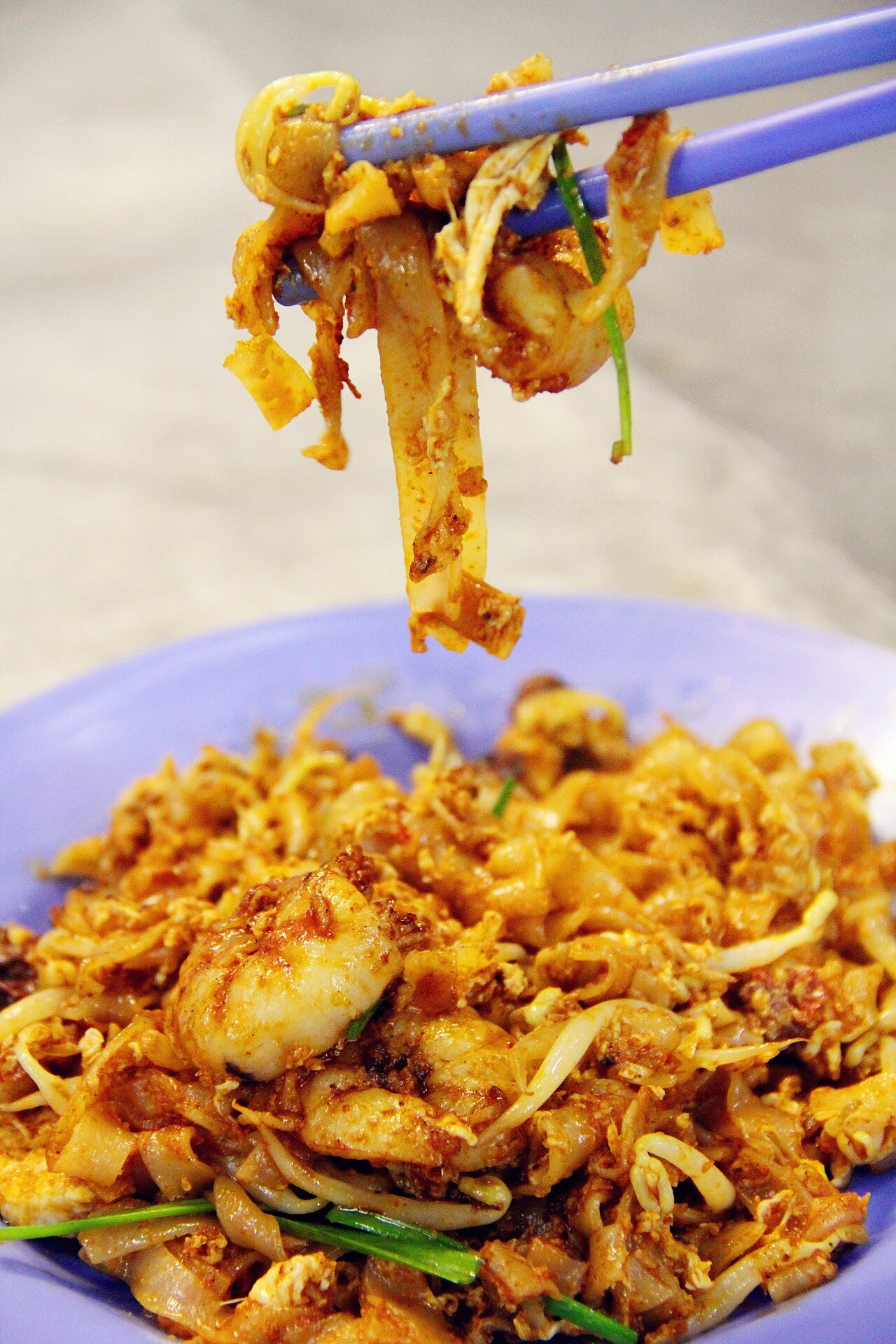
Penang's food makes a persuasive argument for travelling slowly. A wok needs its moment, a bowl of broth deserves more than a photograph, and the best next decision may be to stop ordering. Across George Town and beyond, hawker meals reveal distinct traditions without arranging them into neat compartments. The pleasure is in following a flavour, then noticing how another cook answers it differently. Plan a few anchors, leave room between meals and let appetite, rather than a checklist, set the day's rhythm.
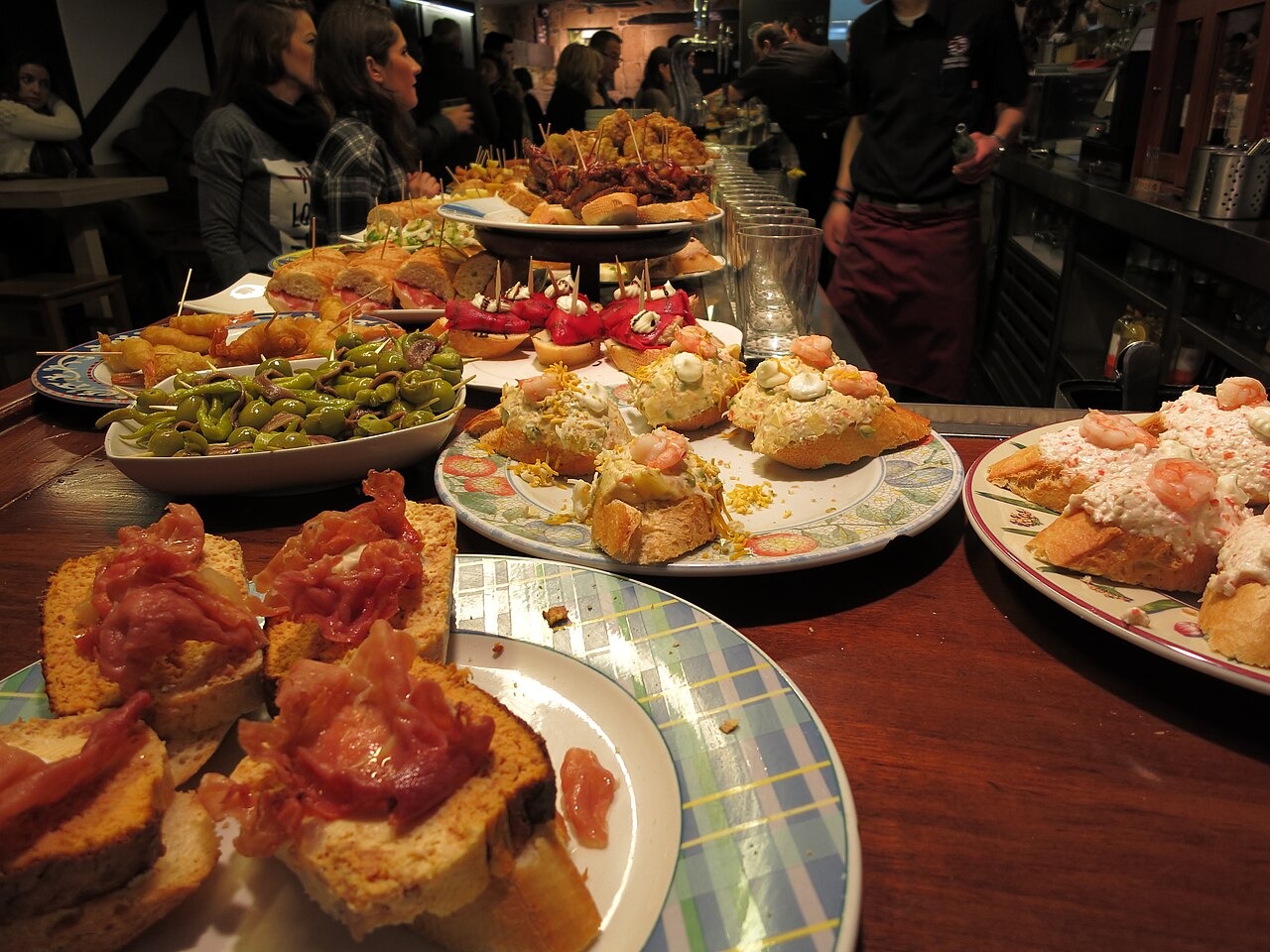
The most useful skill on a pintxo evening in San Sebastián is not knowing every famous bar. It is learning when to pause, what to ask for and when to move along. A crowded counter can look like an elaborate display, but behind it is a working rhythm of short orders and small rounds. Follow that rhythm and dinner becomes a walk through the city: one considered bite, a conversation, another street, then a different cook's idea of what a small plate can do.
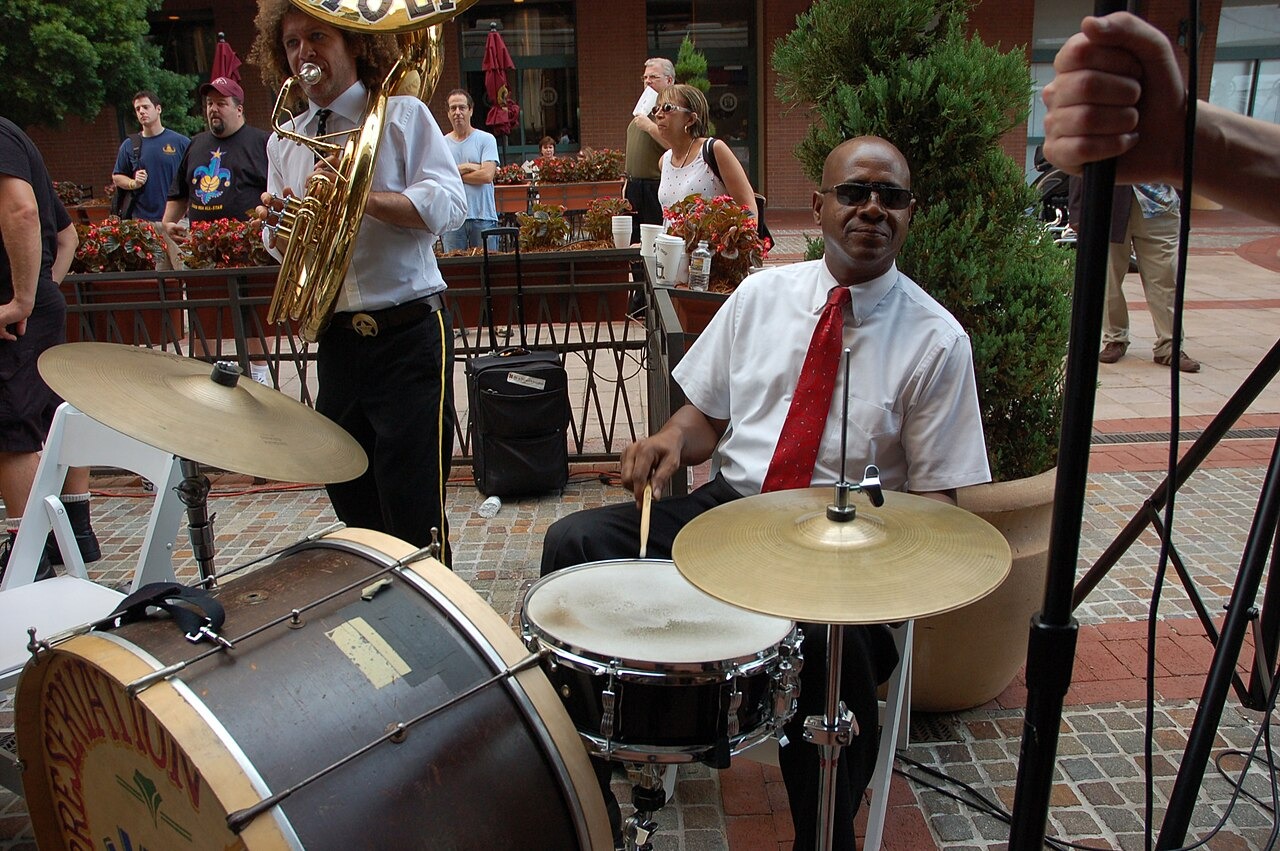
A trumpet phrase rises above the room, the clarinet answers, and the rhythm section keeps a conversation moving underneath. In New Orleans, live jazz rewards this kind of close attention. The city offers famous rooms, neighborhood stages and street encounters, but the richest visit is not a race between them. Choose somewhere to sit, learn who is playing and give the musicians your evening. From the French Quarter to the clubs around Frenchmen Street, the practical choices matter: a quiet seat, a sensible journey home and enough room in the budget to support the people making the music.
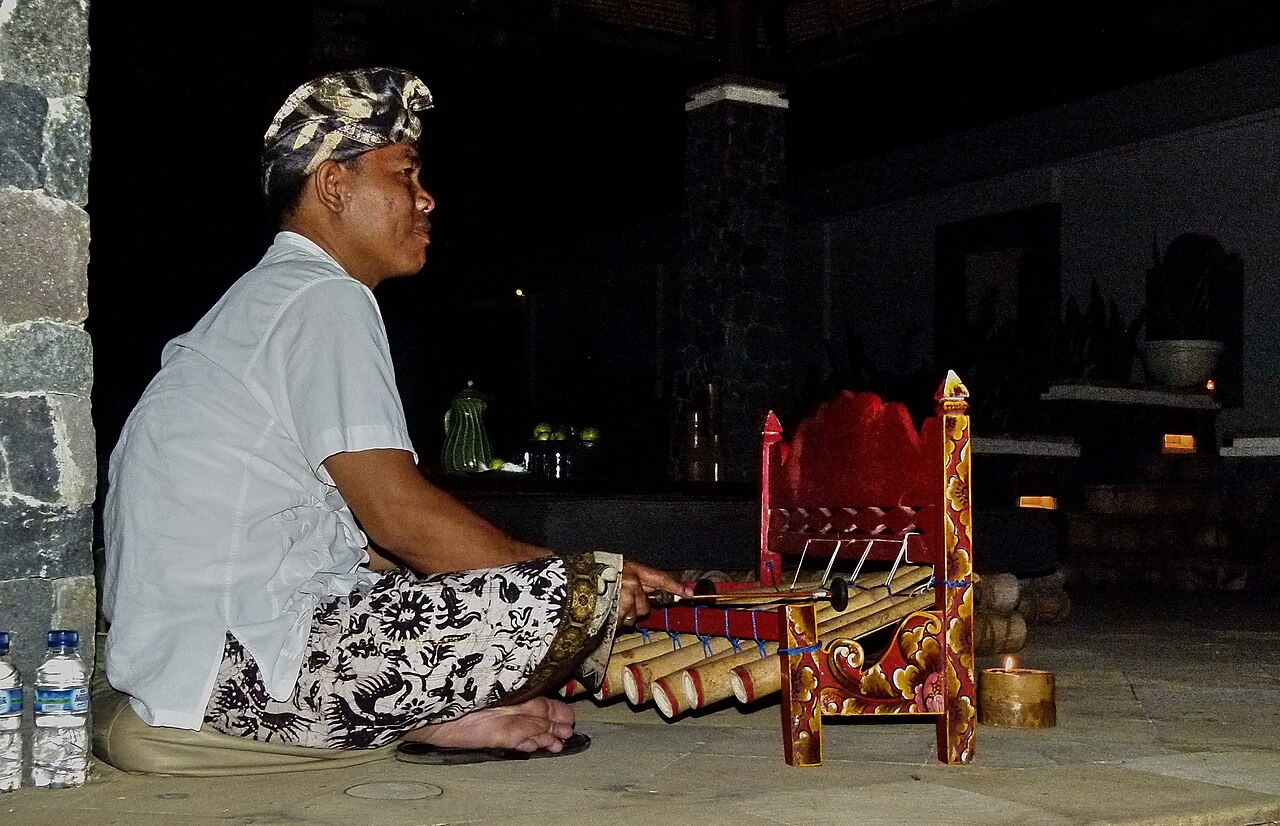
A bright metallic pattern gathers speed, a drum signals a turn, and the whole ensemble seems to change direction at once. Listening to gamelan in Bali is an invitation to notice collective precision rather than hunt for a single star. The music can accompany dance, frame a ceremony or fill a public performance space, and those settings carry different expectations. A thoughtful visit begins by asking what kind of event you are attending. Then comes the pleasure of hearing interlocking parts, resonant gongs and dramatic silences, while respecting the community whose cultural life gives the sound its meaning.
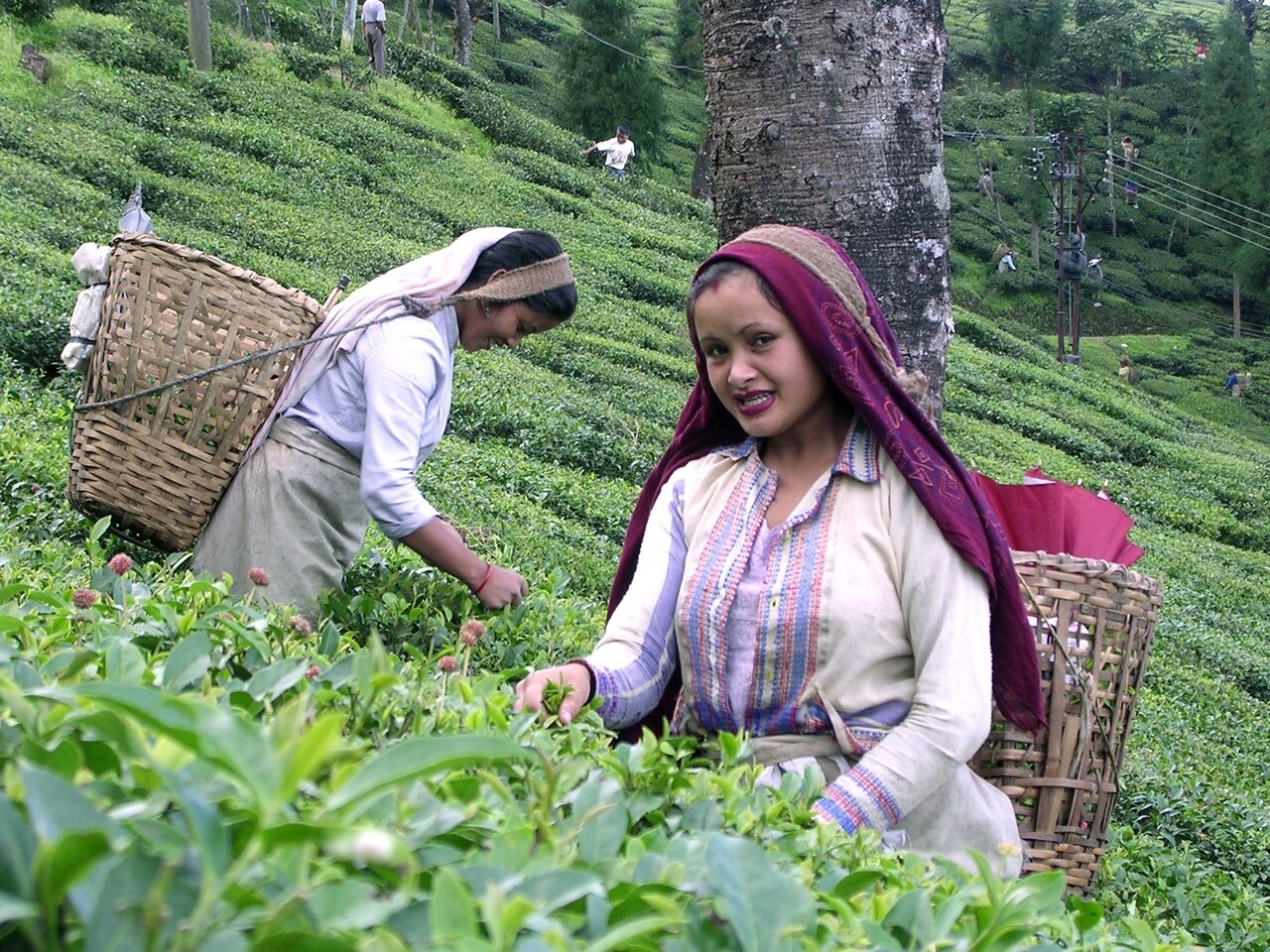
Lift the lid of a freshly brewed pot before taking a sip. In Darjeeling, that small pause can be as revealing as a mountain view: steam carries suggestions of flowers, fresh vegetation or ripe fruit, depending on the leaf and how it has been made. Tea gardens give those aromas a landscape, but a rewarding visit requires more than looking across green slopes. Meet the finished tea through careful tasting, learn what a working estate can actually show you, and leave space for weather, steep streets and the people whose labor connects the hillside with the cup.
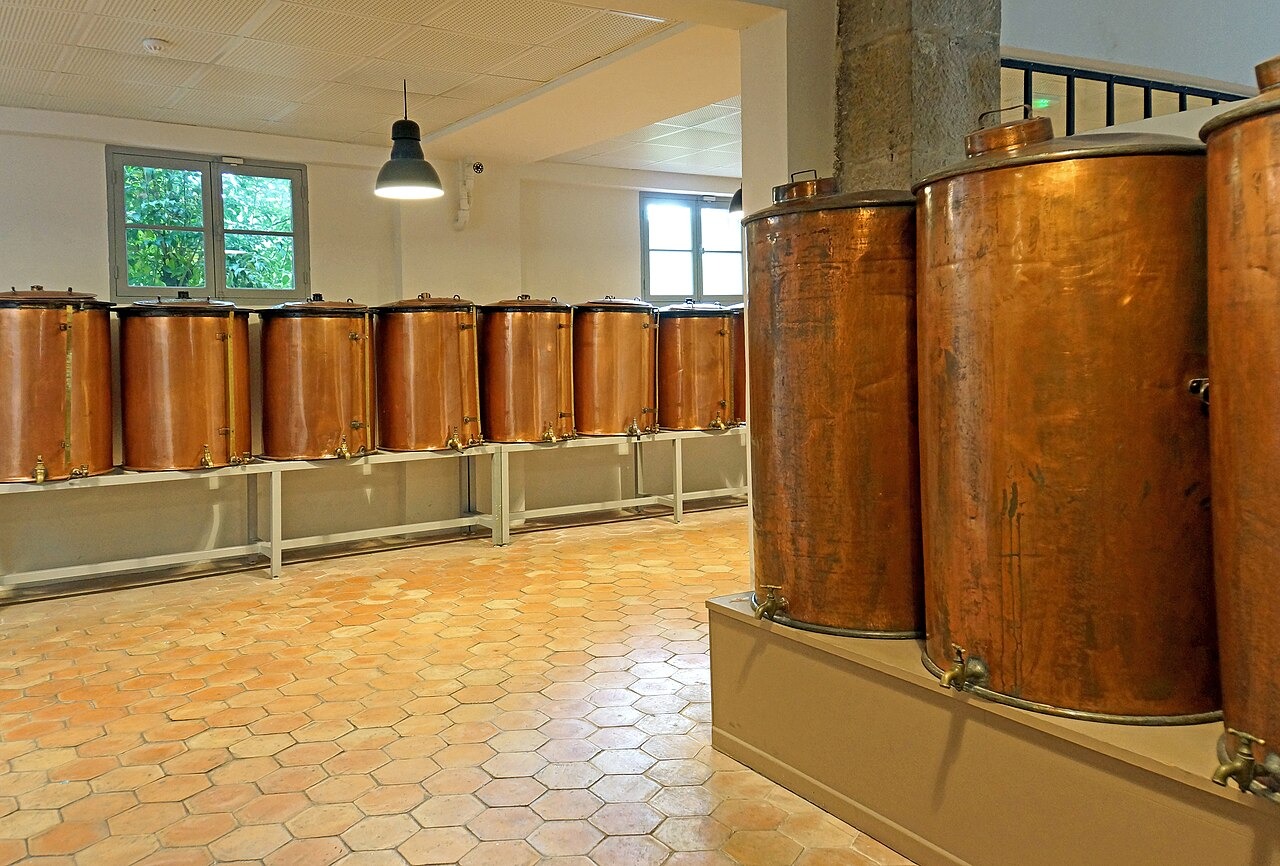
A perfume bottle conceals a complicated journey. Before the finished fragrance comes a plant, an extraction, an ingredient and a series of human judgments about what belongs together. Grasse makes that journey easier to imagine. Its museum collections, fragrant gardens and commercial perfumery visits offer different entrances into the subject, each worth understanding on its own terms. Come to smell carefully rather than sample everything. A few well-chosen encounters can connect an aromatic leaf with a historical object and a modern composition, while the town's steep streets remind you that this is a working place, not simply a scented showroom.
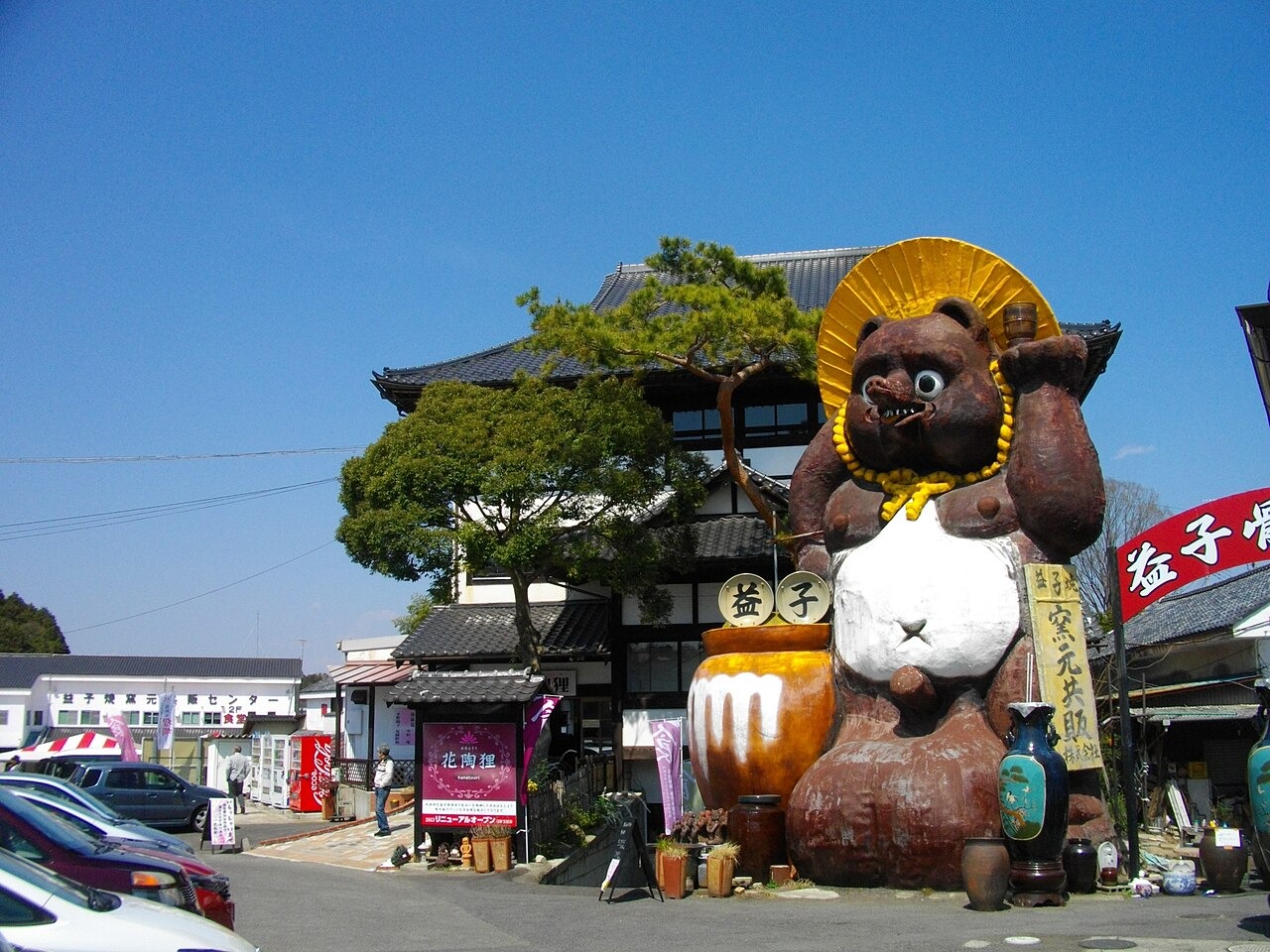
In Mashiko, the most revealing ceramic encounter begins before a bowl reaches the shop shelf. Damp clay resists a thumb, a rim changes under a fingertip, and a familiar household shape becomes surprisingly difficult to make. This pottery town in Tochigi offers a way into Japanese mingei through practical objects and the people who produce them. Combine a confirmed beginner session with museum time and unhurried walking, rather than treating the town as a place to collect a finished souvenir. The reward is a clearer understanding of how material, repetition and firing turn an everyday vessel into something worth noticing.
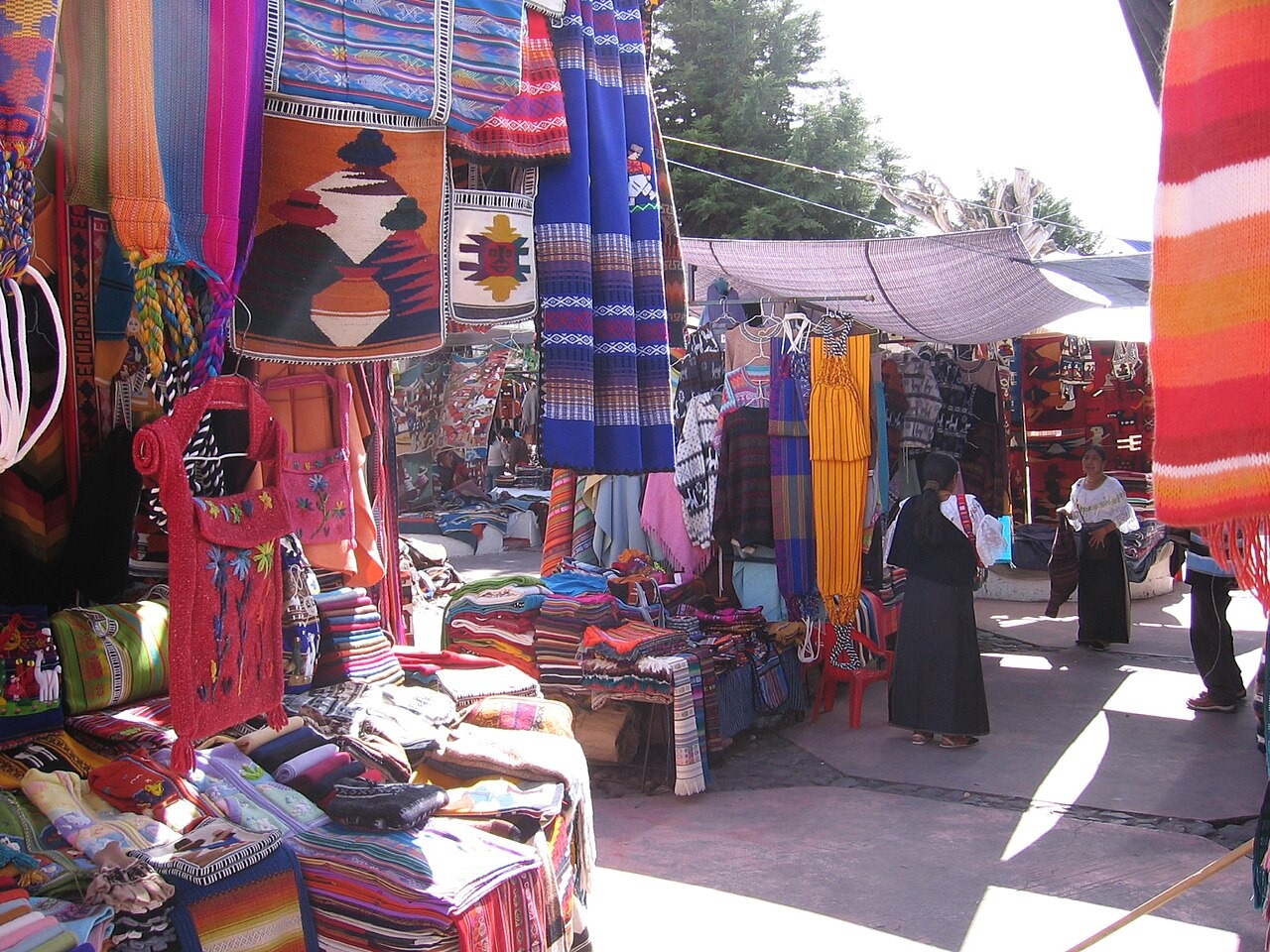
Otavalo’s textile story does not end at a market stall. In nearby Peguche, weaving belongs to working households, changing livelihoods and knowledge carried between generations. A thoughtful touch-focused visit begins with an invitation, not a hand reaching toward someone else’s loom. Arrange time with a maker who wants to teach, ask what participation actually includes, and pay for that expertise separately from any shopping. Yarn, tension and repeated movement can then reveal something that a quick purchase cannot: how much attention sits inside a length of cloth, and why the person making it should decide how the encounter unfolds.

The Namib dunes reward a change of scale. From a distance, their ridges seem clean enough to draw with a ruler; close up, the surface holds ripples, tracks and little interruptions in the wind’s work. Around Sossusvlei, pale pans and dark tree forms sharpen the contrast with the sand. Come to look carefully rather than collect a summit photograph. With thoughtful transport, realistic walking plans and respect for the protected landscape, a desert morning can reveal far more than its most familiar silhouette.
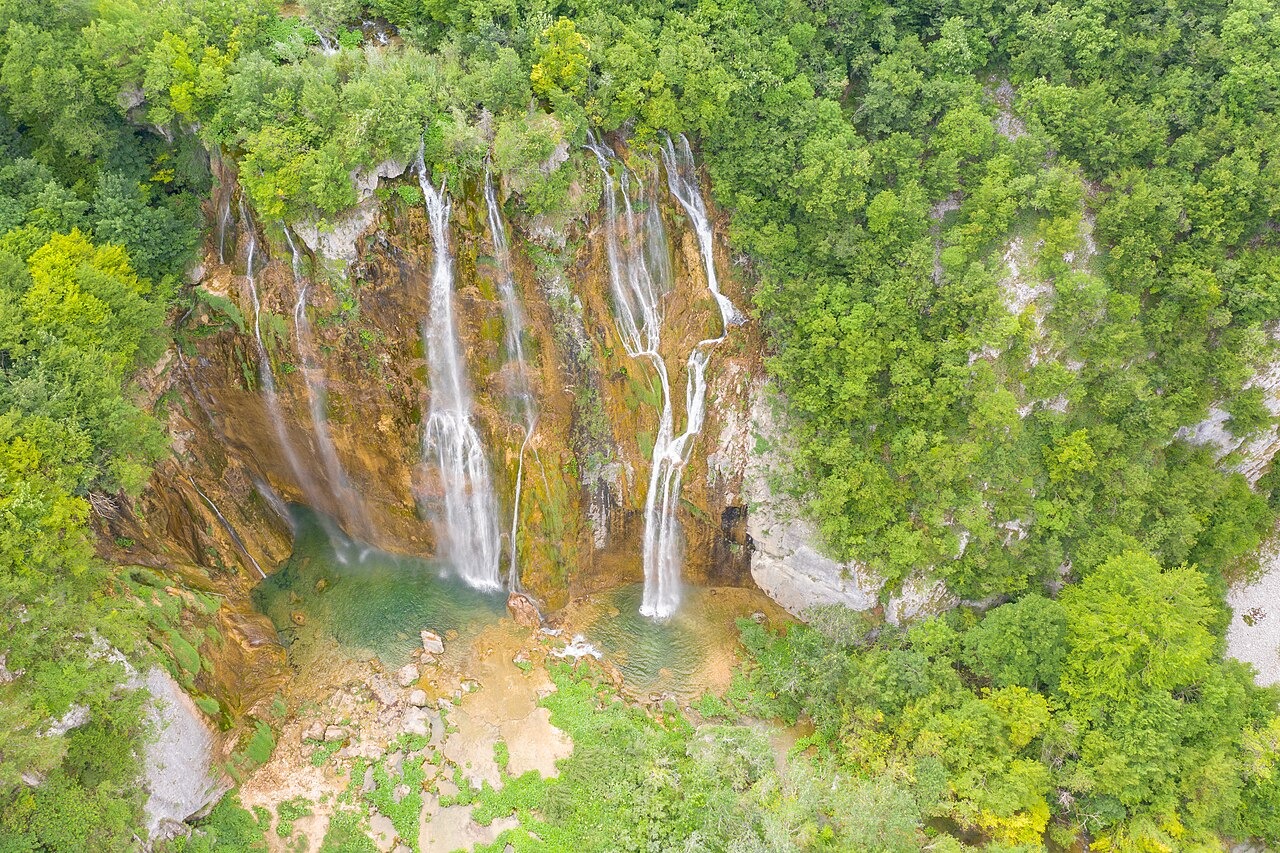
At Plitvice Lakes, water is rarely just a view. It runs beside a wooden walkway, disappears under vegetation and returns as a fall you hear before you see. Croatia’s celebrated lake landscape is best approached as a walking day with choices, not a checklist of famous photographs. Pick an official route that suits your stamina, allow time for shared paths and let the smaller changes in water and woodland hold your attention. The practical details of entrances, tickets and return transport make that slower experience possible.
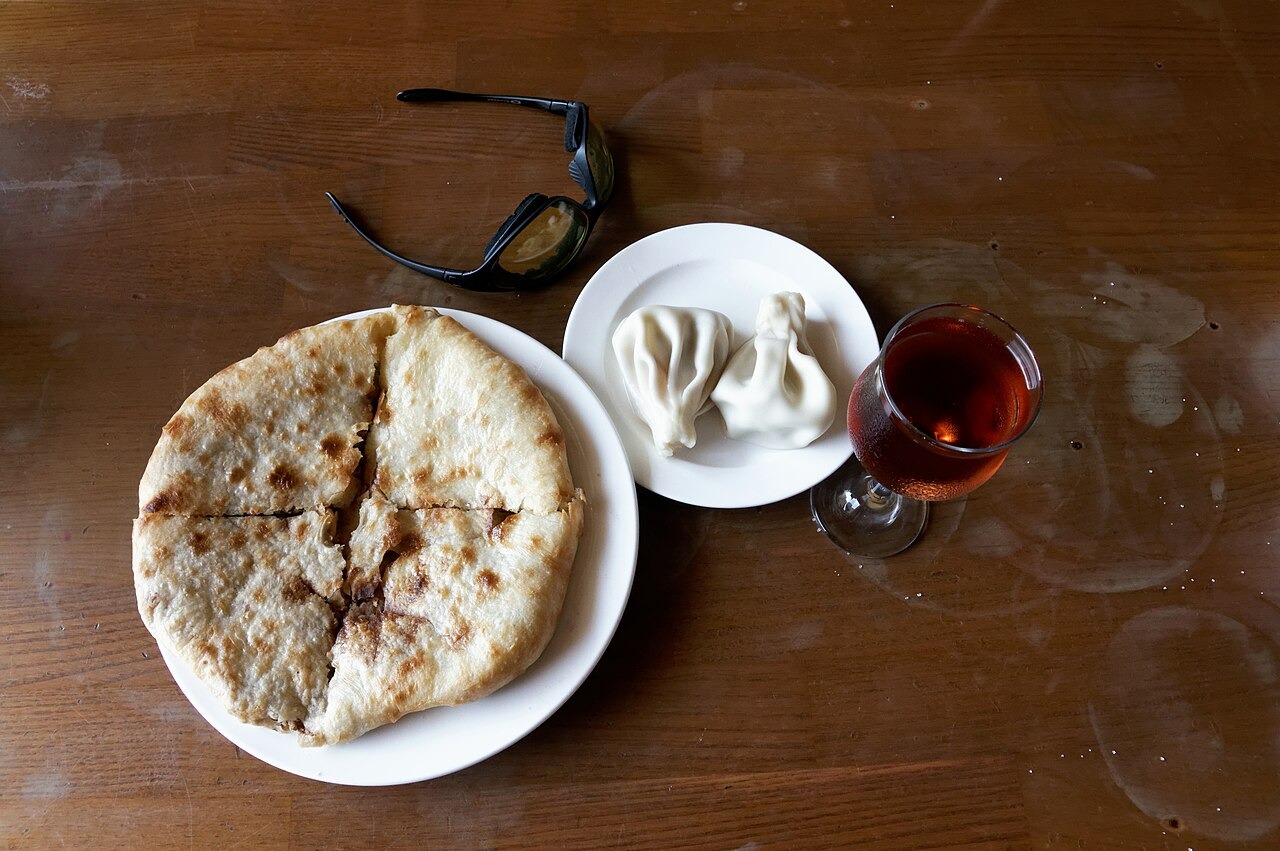
A Georgian table can be understood through what happens between the dishes. Bread is passed, a conversation pauses for a toast, and someone explains why a particular food belongs to a particular region. In Tbilisi, the supra offers one way into that culture of shared attention, but it should not be reduced to an oversized restaurant order or a test of drinking endurance. Approach the city’s food with curiosity, clear boundaries and enough time to listen. The most memorable part may be the way a meal makes room for other people.
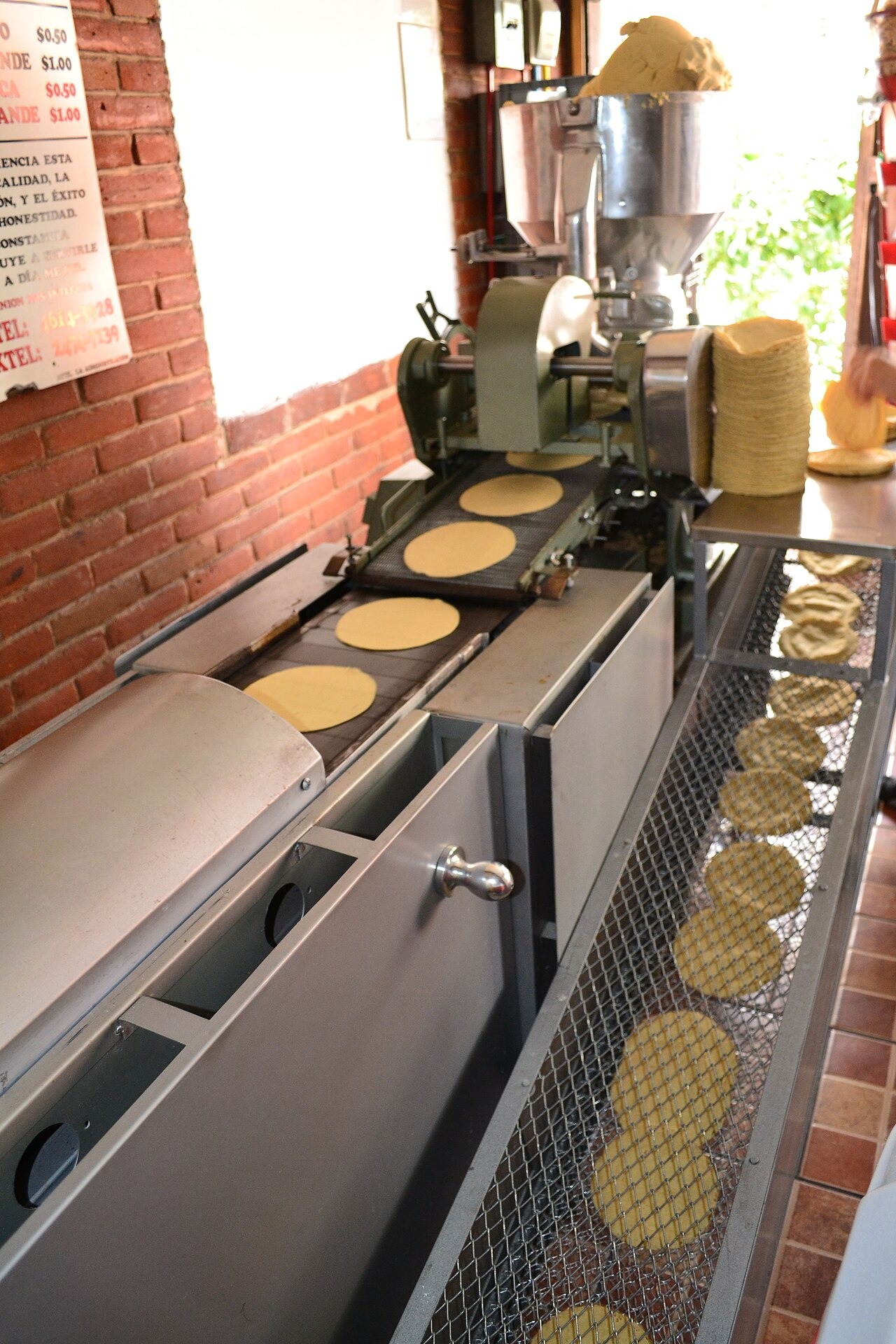
In Mexico City, a tortilla can be the subject of a food journey rather than an anonymous support for the filling. Start with the warm bread itself: its aroma, flexibility and the way it changes as it cools. Then ask about the maize, the dough and the work that brought it to the griddle. Following nixtamal through the capital leads towards neighbourhood production and everyday eating, not a circuit of distant market destinations. The aim is a closer understanding of a staple and the people who make it, one modest purchase at a time.
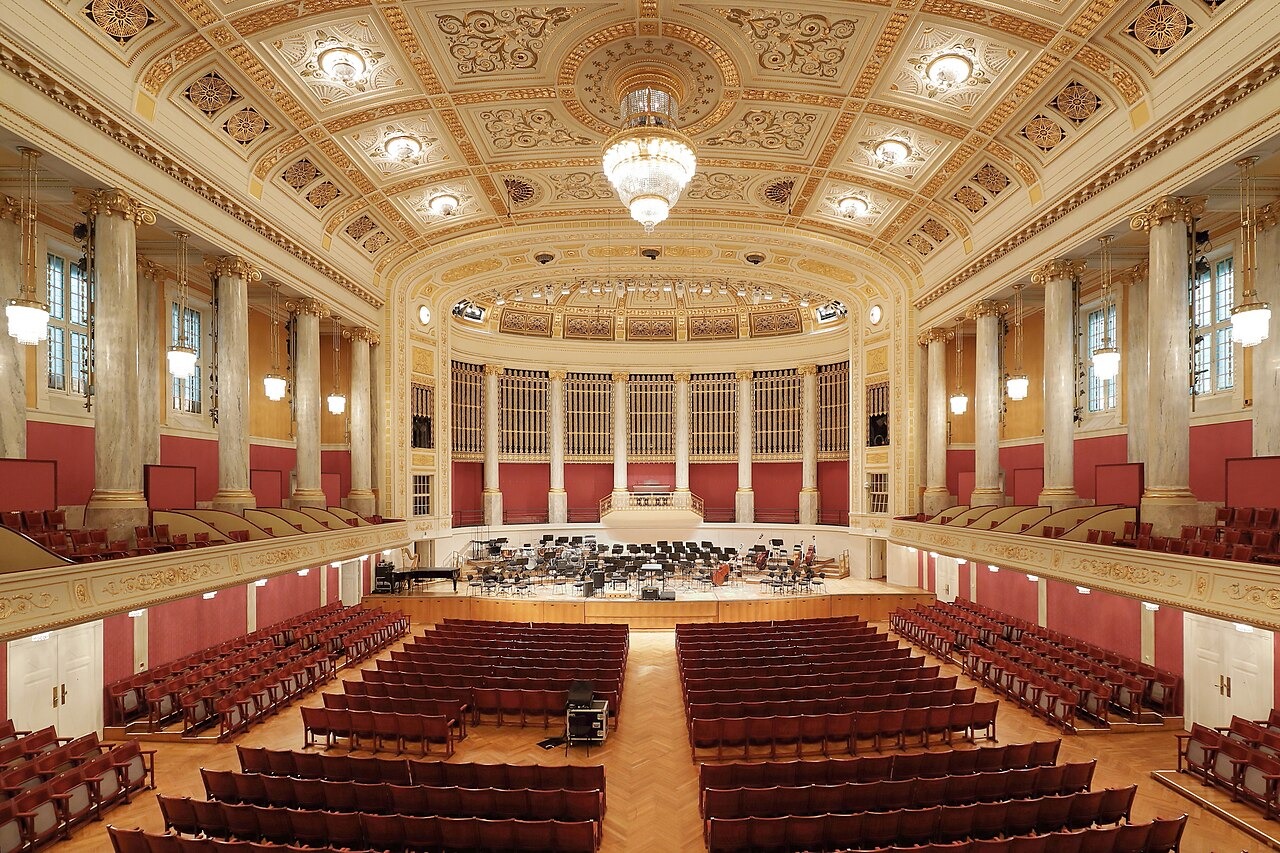
Vienna becomes a more interesting music destination when you choose an evening by its programme rather than by the promise of a famous city. At the Wiener Konzerthaus, a large orchestral concert and a smaller recital offer different ways into that experience. The photographs here show its Great Hall, the stage of that hall and the Berio Hall, not the Musikverein. Start with those distinct rooms, then listen for the decisions made by living performers. A little preparation, an appropriate seat and an unhurried arrival matter more than recognising every composer on the page.

A visit to Seoul's National Gugak Center is an invitation to hear Korean traditional music as a living practice rather than a single historical sound. Start with a programme that explains what it contains, then give its pacing and instrumental colours time to become intelligible. The accompanying photographs document Jongmyojeryeak on stage at the centre, not a ceremony taking place at Jongmyo Shrine. Understanding that distinction opens a richer visit: court and ritual traditions belong within a wider musical landscape, and a staged presentation offers a different encounter from a rite in its ceremonial setting.
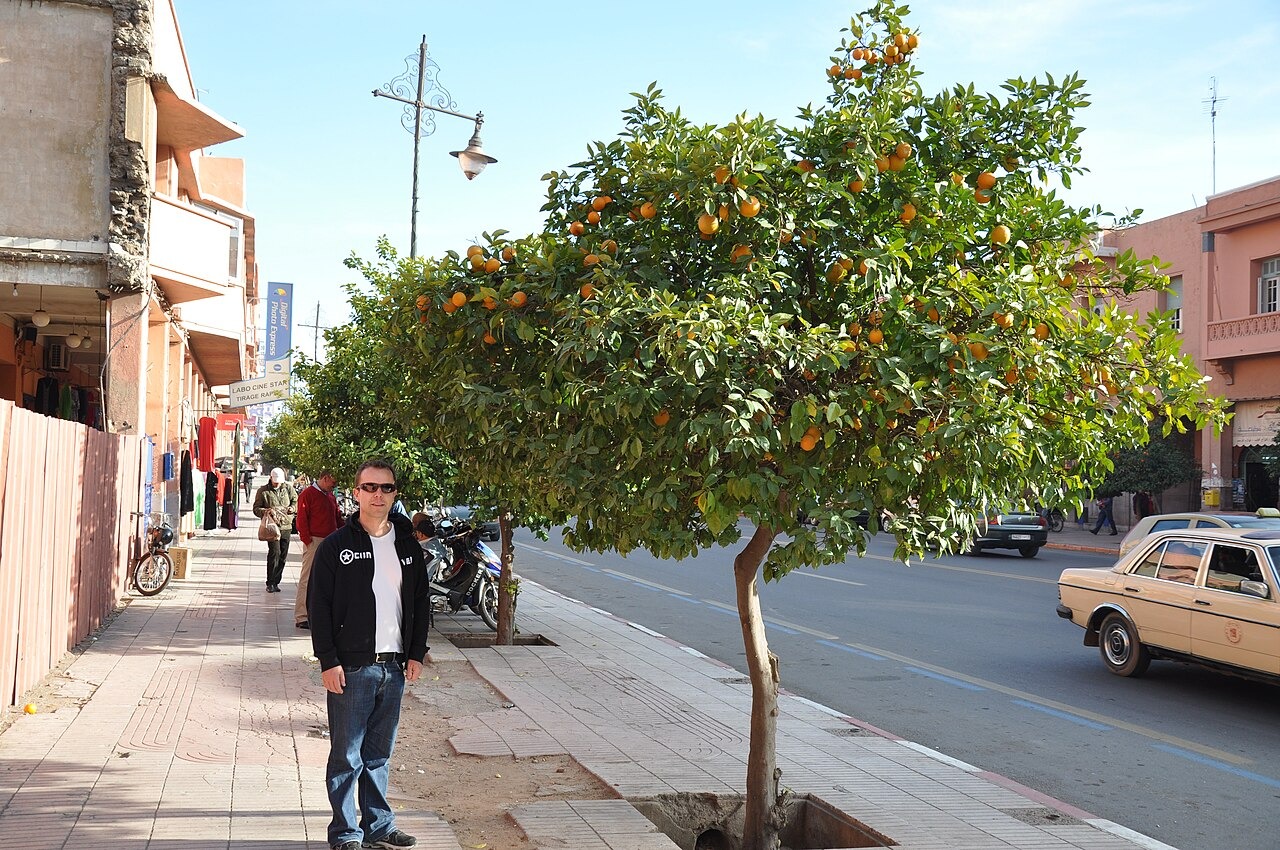
Orange trees give Marrakech a thread to follow between streets, planted courtyards and historic gardens. Blossom, when present, adds fragrance, but a worthwhile walk should not depend on finding the whole city in flower. At Bahia Palace, attend to the relationship between planting, tilework and enclosed space; at the Saadian Tombs, let the garden remain part of a funerary monument rather than treating it as a decorative backdrop. The accompanying photographs show city orange trees, a tree beside a tomb in the Saadian complex and a planted Bahia courtyard. They record places, not a guaranteed flowering calendar.
Photo: Jorge Láscar from Australia / Wikimedia Commons / CC BY 2.0
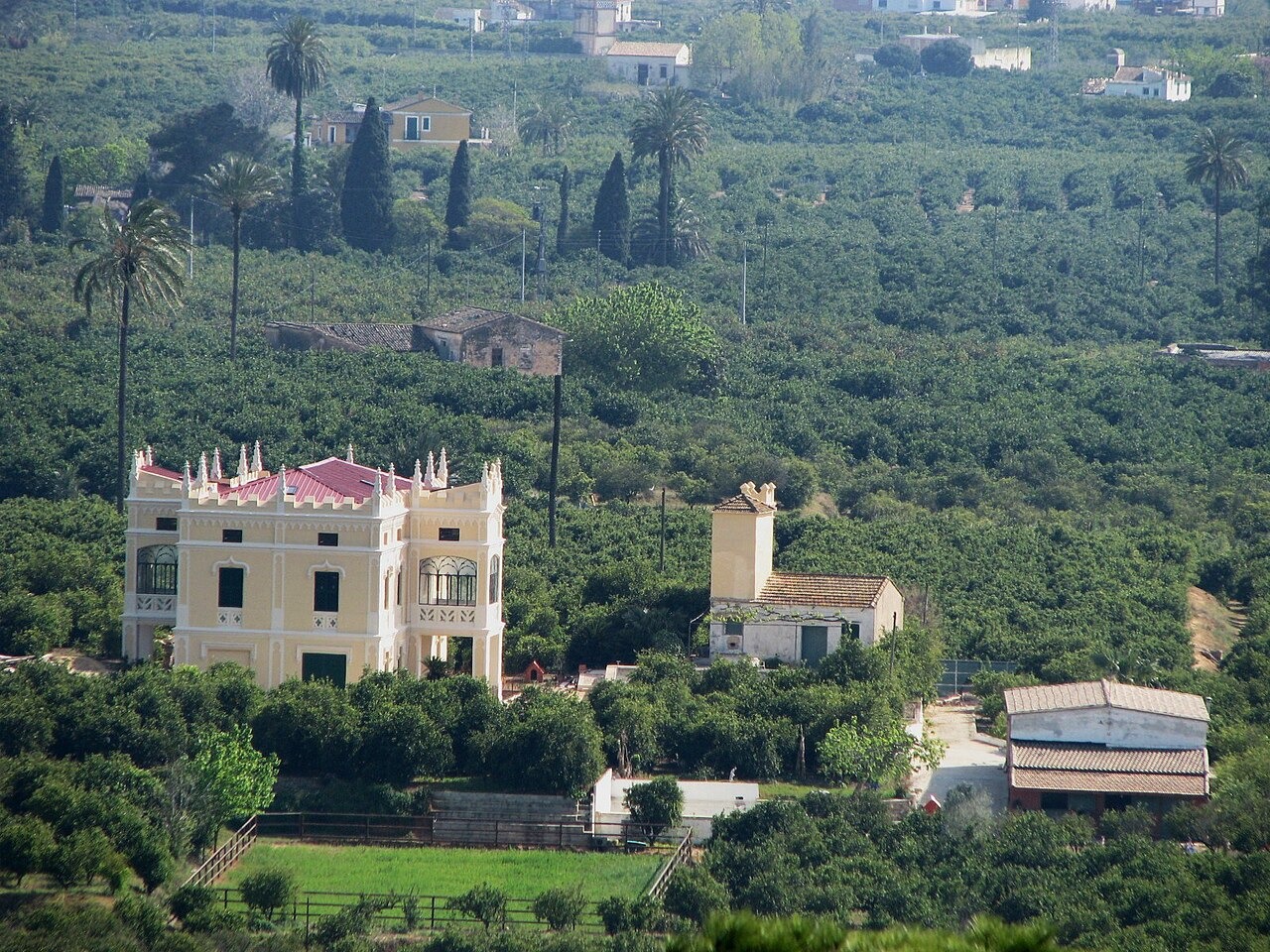
Valencia's citrus story extends beyond the city into a working provincial landscape. The photographs here place that story in Alzira's orange groves, flowering trees at Rafelguaraf and an irrigation channel beside an orchard in Algemesí. They are three distinct locations, not illustrations of one bookable farm. For access among trees, a hosted visit in nearby Carcaixent offers a practical introduction to cultivation and seasonal fruit. Let that guided encounter explain what the wider views cannot: how flowering, water, pruning, varieties and harvest fit together. Blossom is a seasonal possibility, while the agricultural landscape deserves attention throughout the year.

Murano rewards a visitor who looks beyond the sparkle of a shop window. In this Venetian lagoon community, glass connects the furnace, the workbench and the museum case. A convincing visit brings those settings together without confusing observation with permission to participate. Watch a maker control a changing form, compare the result with historic examples, then ask careful questions about the object you might take home. Touch belongs to supervised activities and finished objects offered for handling, never to hot glass or a working tool.
Photo: Julian Herzog (Website) / Wikimedia Commons / CC BY 4.0
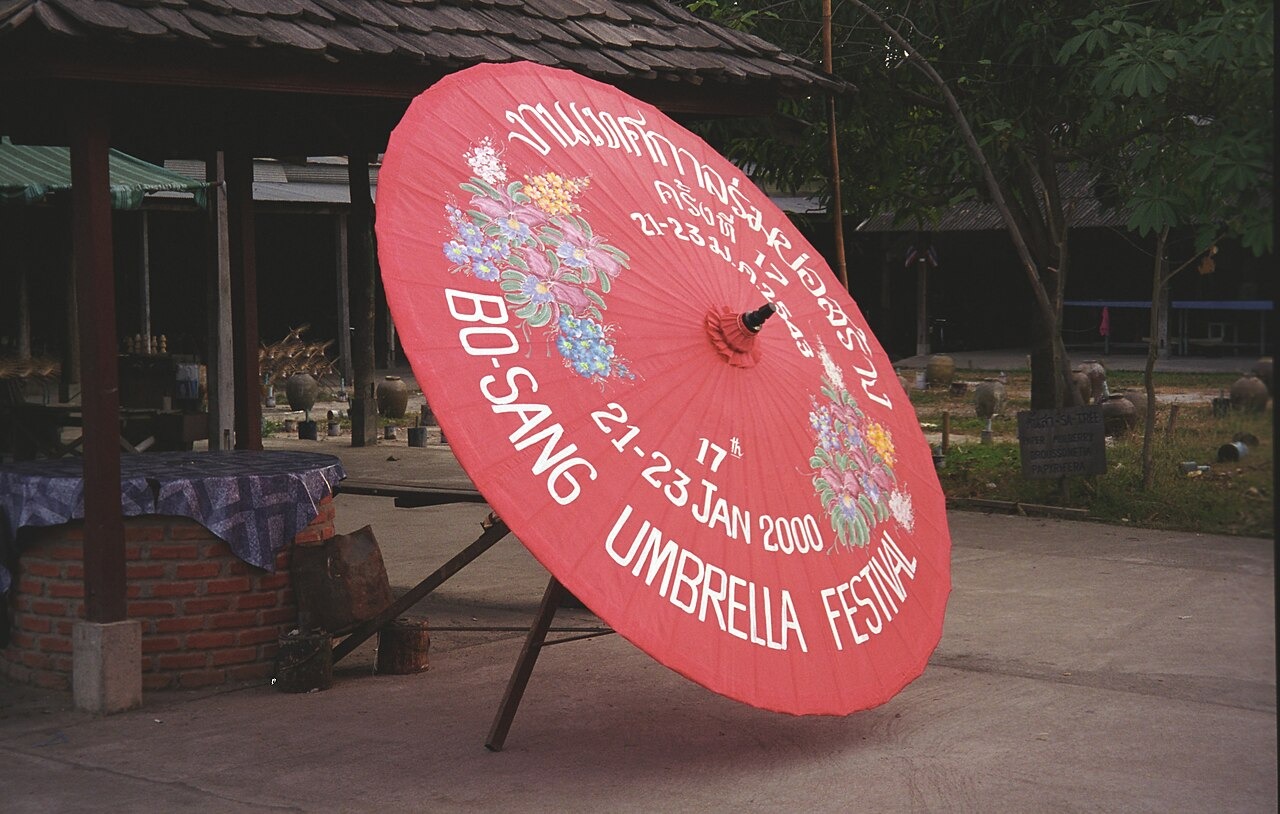
An open umbrella catches the eye, but in Bo Sang the folded framework deserves just as much attention. Near Chiang Mai, this umbrella-making community brings together bamboo preparation, frame assembly, paper covering and painted decoration. The pleasure of a visit is following those connected jobs rather than treating the finished canopy as a colourful backdrop. Go to watch people work, ask before handling anything and leave room for conversation when the maker is free. Any visitor painting activity needs its own confirmation, not an assumption that every workshop offers lessons.


