TASTEBologna, Italy
A taste of Bologna, beyond the familiar
Explore pasta, market shopping and the practical pleasures of eating in a working Italian city.
8 min readRead story
In Mexico City, a tortilla can be the subject of a food journey rather than an anonymous support for the filling. Start with the warm bread itself: its aroma, flexibility and the way it changes as it cools. Then ask about the maize, the dough and the work that brought it to the griddle. Following nixtamal through the capital leads towards neighbourhood production and everyday eating, not a circuit of distant market destinations. The aim is a closer understanding of a staple and the people who make it, one modest purchase at a time.
By Journey Into Wellbeing editorial team
Published: November 11, 2026
Updated: November 11, 2026
9 min read
A tortilla focused visit works throughout the year. The generally drier months can simplify walking, while the rainy season calls for flexible outdoor plans and rain protection. Check the day’s forecast and individual opening hours; production schedules matter more than a single ideal travel month.
Arrive through the airport or intercity terminal that suits your itinerary, then plan a compact route using current Metro, Metrobús or reputable car services. Mexico City is extensive, so group nearby visits rather than crossing the capital for every stop. Verify the return journey and current transit conditions.
Nixtamalisation is a way of preparing maize for grinding into dough. Mexico’s cultural information service describes kernels treated with hot water and lime, which softens the outer covering and makes grinding possible. Here lime means the alkaline mineral ingredient, not citrus juice. This distinction is useful before a visit: the process is not simply soaking maize or adding flavour to flour, but a transformation that helps produce the texture of tortilla dough.
For a traveller, understanding the basic sequence is more useful than memorising a recipe. Cooking, resting, rinsing and grinding involve decisions that a brief tasting cannot fully explain. Ask a producer how their own process works, but do not demand a technical lesson during a rush. The cultural service’s account also describes motorised stone mills and industrial nixtamalised flour. Both belong to the contemporary story, so avoid assuming that every modern machine means the absence of culinary knowledge.
A molino and a tortillería may perform different parts of the work, and a business can combine activities. Ask whether a place grinds nixtamal, makes tortillas or does both. That simple question is more informative than assuming the equipment visible from the doorway tells the entire story. Some production takes place before ordinary visitor hours, so a shop selling warm tortillas may not offer the full process to watch when you arrive.
If a guided visit or workshop interests you, verify that observation is actually included and that the business has agreed to receive visitors. Ordinary retail premises are not automatically demonstration spaces. Stay out of work areas unless invited and do not touch dough, machinery or utensils. Pay for the organiser’s time and the producer’s contribution where applicable. A clear, limited visit can explain more than an improvised attempt to linger around a busy counter with a camera.
The cultural information service describes motorised mills that grind through stone surfaces, connecting a modern mechanism with a longer history of grinding. If you can observe safely with permission, watch the transition from prepared grain to dough rather than concentrating only on the machine. Ask what the mill produces and for whom. Do not reach towards equipment, crowd workers or interpret a brief look as complete knowledge of the process.
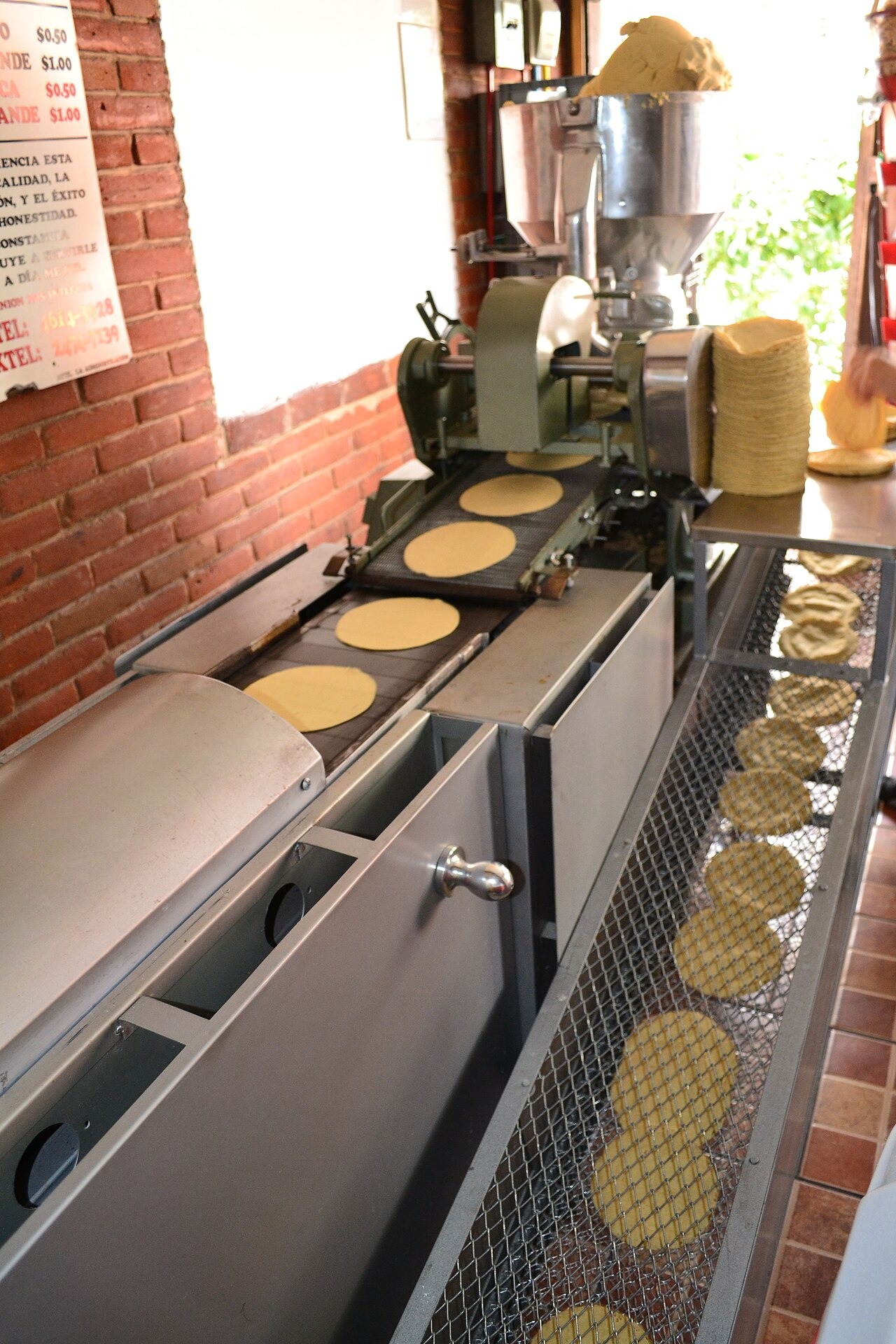
At a tortillería, focus on what the business actually sells and how customers order. Follow the queue, ask politely about a small purchase and let staff choose a suitable moment for questions. A tortilla made by machine can still be worth serious attention. If the shop offers different products, ask what distinguishes them instead of deciding quality solely from the presence or absence of visible hand pressing.
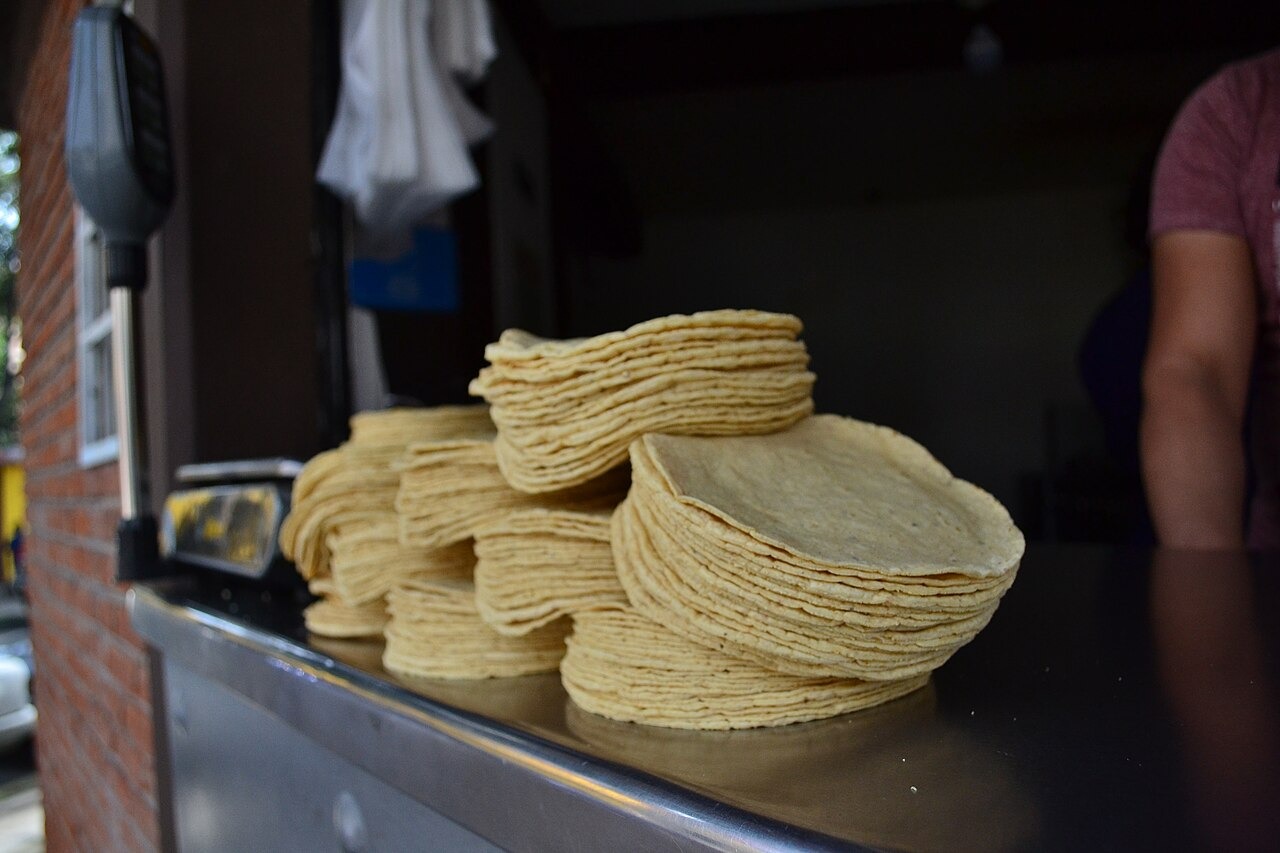
Buy a modest amount and, where practical, taste one while it is fresh and warm. Notice the smell first, then the texture as you fold it. Does it bend easily, how thick does it feel, and what happens at the edge? These observations keep the maize in view before salsa, beans or a taco filling become the dominant impression. They also give you specific questions to ask later, rather than only a general judgement that something tastes good.
Temperature and handling change the experience, so avoid comparing one tortilla straight from the griddle with another that has spent a long time in a bag as if the conditions were identical. Ask how the seller recommends storing or reheating a purchase. Do not keep buying more than you can eat simply to build a private ranking. A careful comparison of a few examples, with notes about when and how they were eaten, is more useful than a wasteful competition.
Mexican official cultural sources place maize within a wider food system that includes cultivation, preparation, community knowledge and everyday eating. A coloured tortilla can encourage questions about grain, but appearance alone cannot establish origin or production method. Ask what maize is used, whether the business knows its source and how the dough is prepared. Accept that a counter worker may not have every detail and may need to ask someone else.
Avoid treating terms such as native, traditional or artisanal as self explanatory guarantees. A good question is specific and answerable: what does that term mean for this particular product? Do not announce a variety from colour alone or invent a farming story because the tortilla looks distinctive. Producers who can explain their choices offer valuable context, but the absence of a polished visitor narrative does not make an everyday neighbourhood purchase less legitimate. Everyday reliability is also a form of skill.
After tasting the tortilla plain, eat it as part of a simple meal and notice how its role changes. Beans or a taco filling can reveal its flexibility, strength and ability to hold moisture. Choose the filling because you want to eat it, not because it is photogenic. Ask about the ingredients and heat of sauces before adding them, especially if allergies or dietary restrictions make a casual assumption risky.
Not every food made from maize dough is interchangeable with a tortilla. Different shapes, thicknesses and cooking methods deserve their own names and explanations. If you try another masa preparation, ask what the kitchen calls it and how it is made. Keep the comparison focused rather than claiming that one meal explains all Mexican cuisine. Mexico City brings many food traditions together, and an individual cook’s preparation is a particular contribution to that varied city, not a universal template.
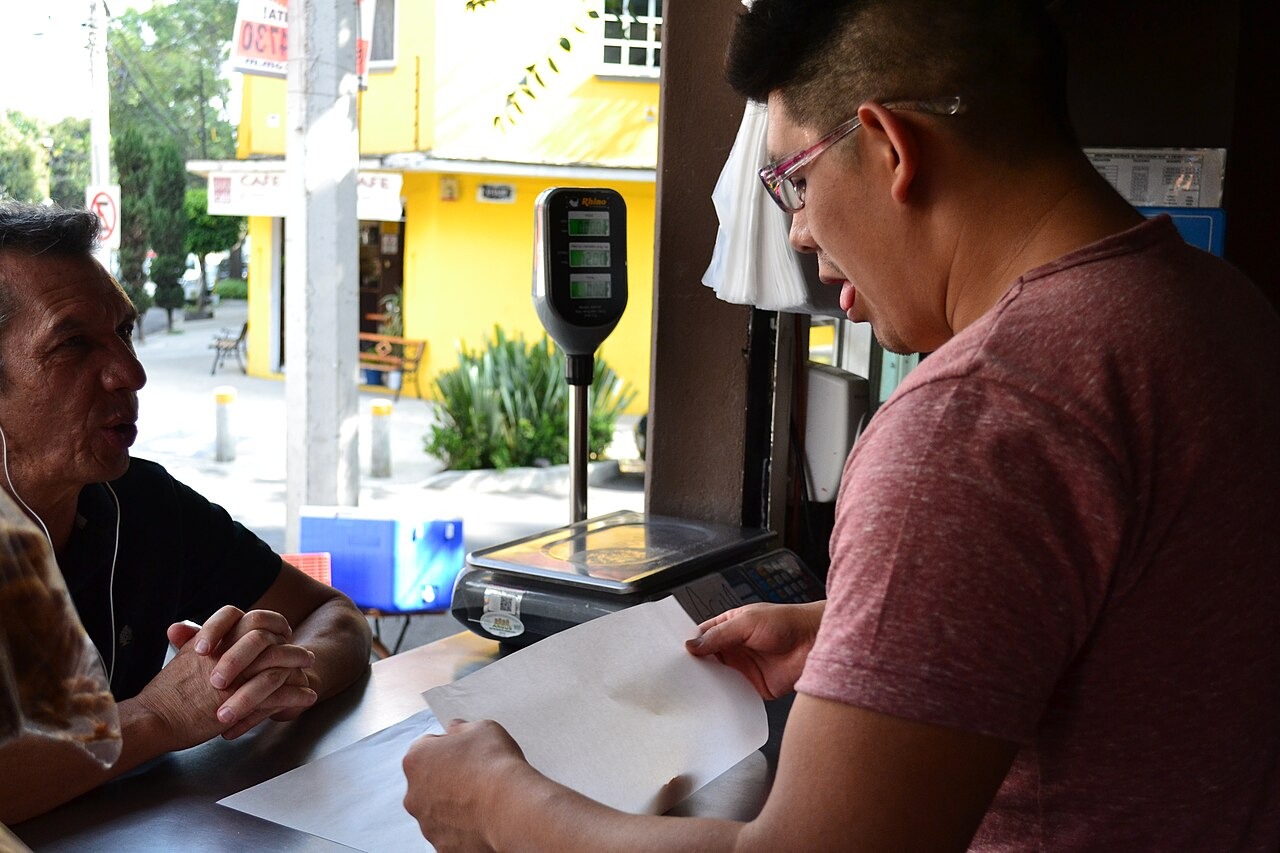
Choose a compact area close to your accommodation or a convenient transit connection and arrange a small number of relevant stops. A tortillería purchase, a prearranged educational visit and a meal can make a full day when you allow time for conversation and movement. Confirm opening times directly where possible. A business’s retail hours may not match the period when grinding or cooking is easiest to observe, and a listed address does not guarantee public access to production.
Keep transport plans flexible and check current service information rather than relying on an old route description. Walking conditions, crossings and weather can affect how comfortable a seemingly short connection feels. Carry water and rain protection as needed, and avoid overloading the day with purchases that must stay fresh. There is no need to cross the capital repeatedly for a list of fashionable names. A coherent local route can show the relationship between production and everyday demand more clearly.
A small retail purchase and a structured lesson are different transactions. If you want a detailed explanation, a translator or hands on instruction, budget for a legitimate workshop or guide rather than expecting a busy seller to provide it for free. Before booking, establish the language, group size, duration, food inclusions and whether any production visit has permission. Ask what happens if a business changes its schedule or cannot receive the group.
For ordinary purchases, ask how quantities are sold and choose an amount you can use. Carry a suitable payment method and some local cash, without assuming every small shop has identical arrangements. Compare complete workshop costs rather than headline fees, and avoid unsupported claims that one neighbourhood is always cheap. Price reflects more than the visible tortilla: staffing, sourcing and the time spent teaching can matter. Respectful budgeting seeks clear terms, not a bargain extracted by dismissing someone else’s labour.
Mexico’s cultural authorities describe traditional cuisine as a community system extending from cultivation to preparation and shared eating. That perspective keeps the tortilla connected to people rather than treating it as an isolated object for connoisseurs. Indigenous knowledge is central to this history, but individual workers should not be assigned an identity or asked to perform one for a visitor. Let people describe their own experience and decide what they wish to share.
Ask before photographing faces, workspaces or an interaction at the counter, and accept a refusal without bargaining. Do not block customers who are buying food for an ordinary day. Finally, resist a simple moral division between handmade food and every industrial method. Ask specific questions, taste attentively and acknowledge the practical needs of a large city. You can value a carefully explained grain source or a skilled hand without pretending that one purchase entitles you to judge every household’s food choices.
Nixtamal is maize prepared through an alkaline process involving water and lime before grinding. The lime is a mineral ingredient, not citrus. Mexico’s cultural information service explains how this treatment softens the kernel covering and enables the dough’s characteristic texture. Visiting a producer can show one working version, not every possible method.
No. Colour alone does not establish variety, origin or method. Ask the maker what maize is used and how the dough and tortilla are prepared. Treat specific answers as information about that product, not as evidence that every similarly coloured tortilla has the same source or production story.
Only with permission and a clear understanding of where visitors may stand. A working mill is not automatically a public demonstration venue, and equipment can be hazardous. If observation is central to your trip, arrange a suitable visit in advance and verify that the producer has agreed to receive your group.
No. Keep the focus on Mexico City’s tortilla production, neighbourhood purchases and meals. You can learn a great deal through a compact route without travelling to another region or collecting market stops. Confirm businesses and schedules locally, and give each visit enough time to be useful without obstructing everyday customers.
Verify opening arrangements, transport, access rules and safety information with official sources. We omit numerical budget ranges where reliable current figures have not been verified.
Keep exploring
Explore pasta, market shopping and the practical pleasures of eating in a working Italian city.
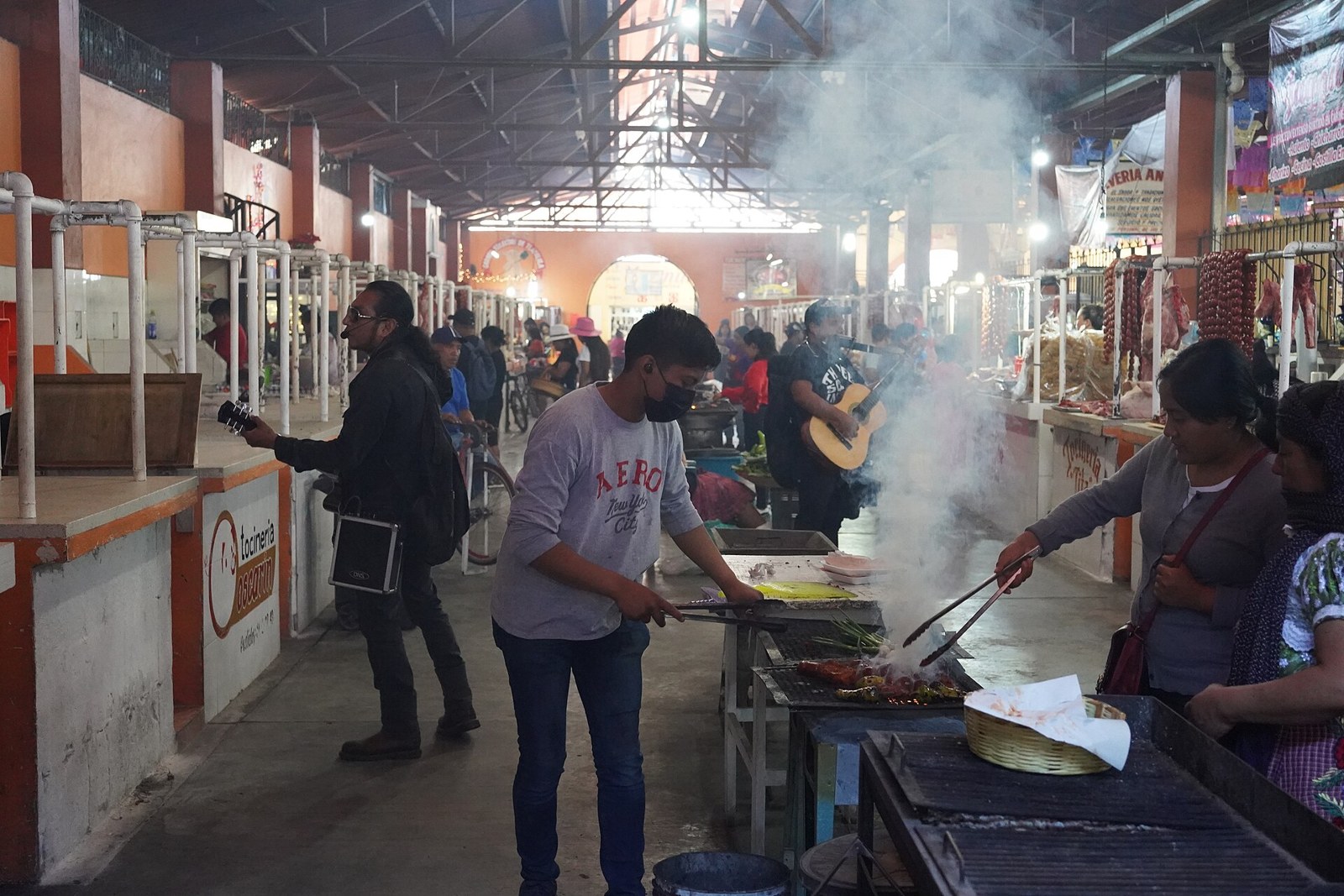
A thoughtful route through Oaxaca’s food markets, balancing appetite with practical questions and respect for working stalls.
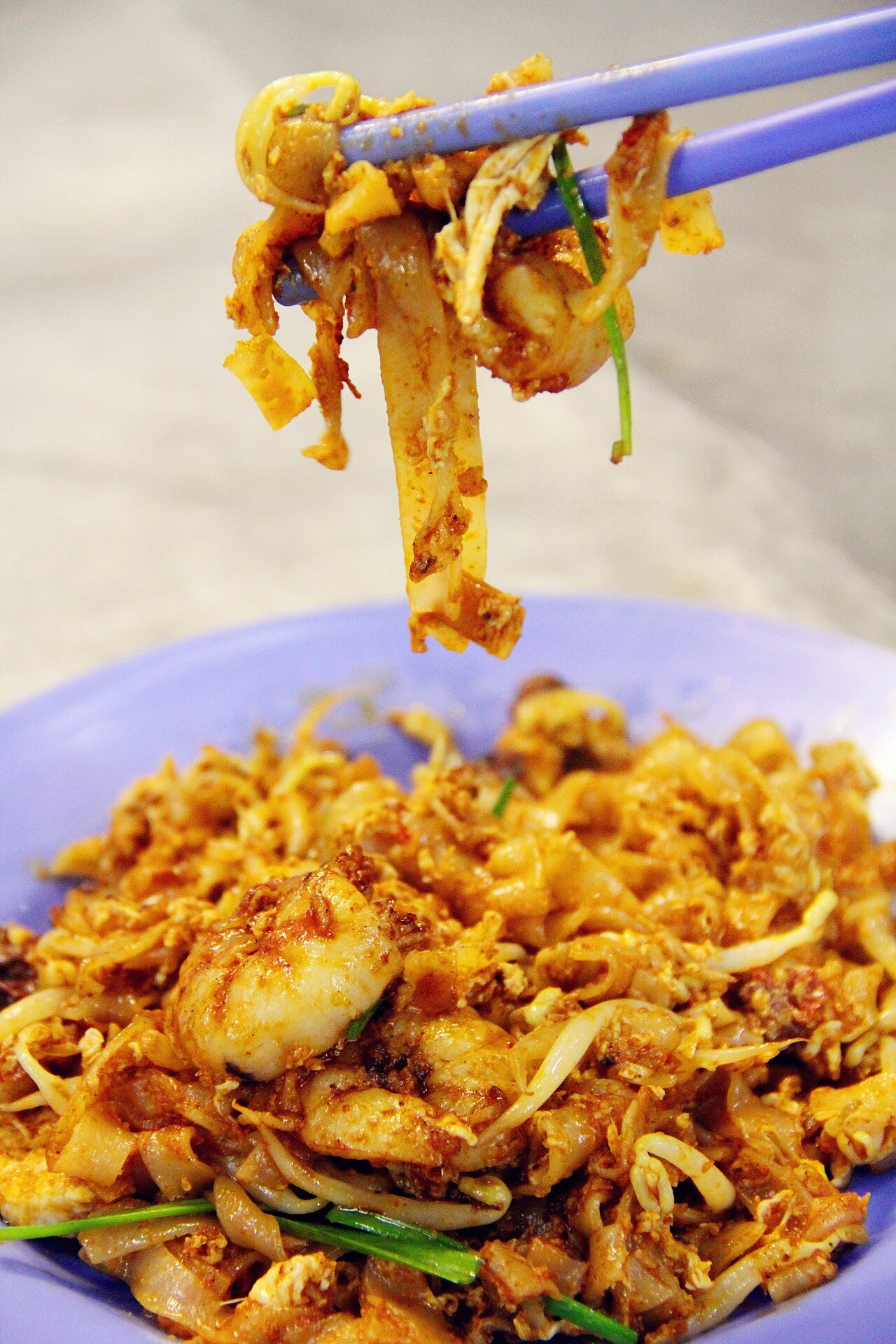
Penang's food makes a persuasive argument for travelling slowly. A wok needs its moment, a bowl of broth deserves more than a photograph, and the best next decision may be to stop ordering. Across George Town and beyond, hawker meals reveal distinct traditions without arranging them into neat compartments. The pleasure is in following a flavour, then noticing how another cook answers it differently. Plan a few anchors, leave room between meals and let appetite, rather than a checklist, set the day's rhythm.


