SOUNDLisbon, Portugal
Listening to Lisbon: an evening of fado
Choose a performance for the listening experience, understand the practical arrangements, and give the musicians your attention.
9 min readRead story
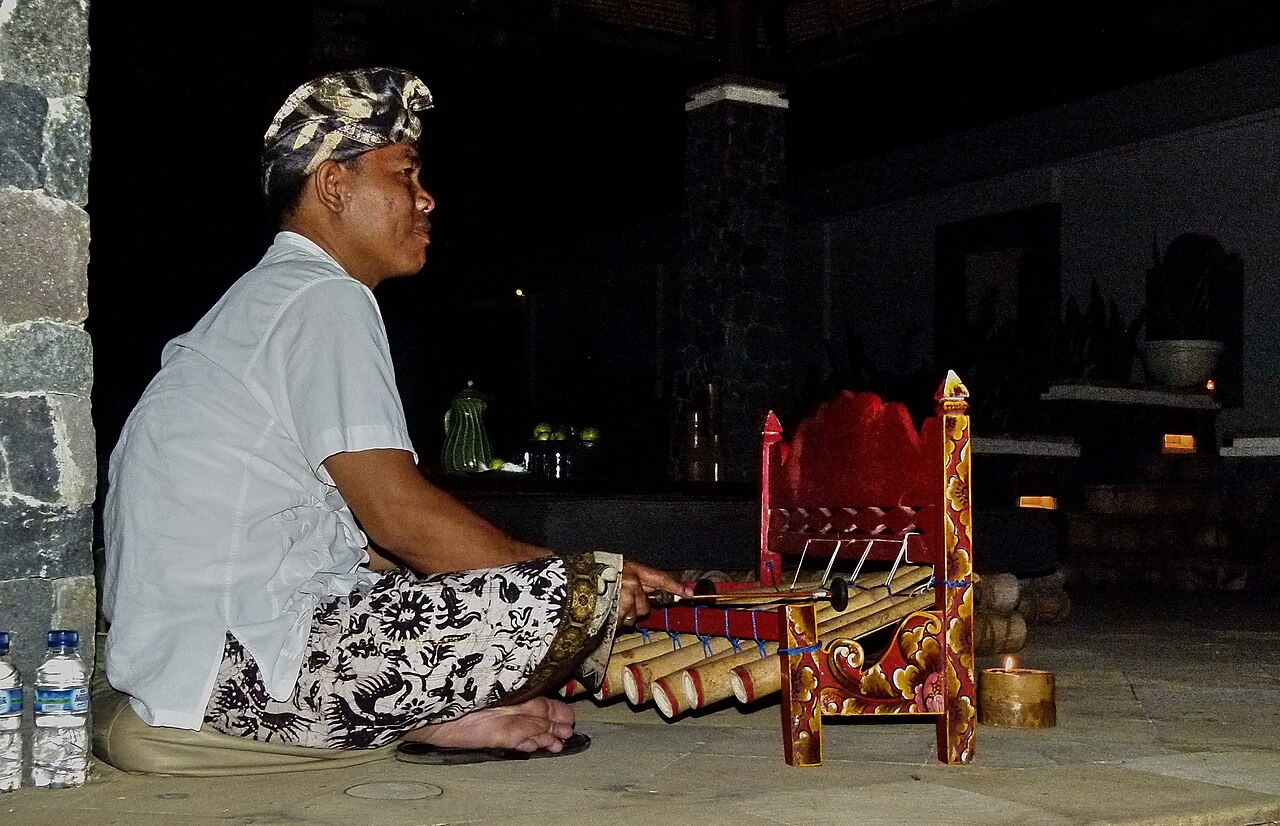
A bright metallic pattern gathers speed, a drum signals a turn, and the whole ensemble seems to change direction at once. Listening to gamelan in Bali is an invitation to notice collective precision rather than hunt for a single star. The music can accompany dance, frame a ceremony or fill a public performance space, and those settings carry different expectations. A thoughtful visit begins by asking what kind of event you are attending. Then comes the pleasure of hearing interlocking parts, resonant gongs and dramatic silences, while respecting the community whose cultural life gives the sound its meaning.
By Journey Into Wellbeing editorial team
Published: November 11, 2026
Updated: November 11, 2026
9 min read
The relatively drier months can simplify outdoor travel, but rain remains possible. Performance and ceremonial calendars require separate confirmation, and local religious observances may affect transport and access.
Arrive through I Gusti Ngurah Rai International Airport and arrange an authorized transfer to your base. Ubud, Gianyar and Denpasar offer different cultural settings; use a driver or other suitable local transport rather than assuming short map distances mean quick journeys.
Gamelan names an ensemble tradition, not one fixed piece or an interchangeable island soundtrack. UNESCO's Indonesian gamelan inscription describes a broader cultural practice that reaches beyond Bali, while Balinese ensembles have their own sounds, contexts and repertoires. Gongs, metallophones and drums may stand out immediately, but instrumentation differs. Resist expecting every performance to reproduce the exact combination you heard in a recording or saw in a hotel advertisement.
A productive first question is what the ensemble is doing that evening. Is it accompanying dance, presenting a concert program, rehearsing or serving a religious event? The answer changes both the listening and your responsibilities as a visitor. Public cultural performances can provide an accessible introduction without claiming to reproduce the full experience of a ceremony. Conversely, a ceremony is not automatically open entertainment because its music can be heard from outside. Ask a host or organizer to explain the setting. Knowing why people have gathered will help you hear the music as purposeful activity rather than exotic background.
Ubud is a practical starting point for many travelers because visitor-oriented dance and music presentations are part of its cultural offering. Indonesia's official tourism material identifies Ubud Palace and other local settings among places associated with Legong performances. Treat such suggestions as leads, not a promise of a particular show on your travel date. Confirm the current program, ensemble, venue and ticket arrangements directly before building dinner or transport plans around them.
Denpasar offers another route into the island's performing arts, especially when a public arts event aligns with your visit. Gianyar and surrounding communities also deserve attention, but an outlying location needs a clear invitation or confirmed event, not just a driver's claim that something will happen. Staying near your main performance can reduce time spent in traffic and make the evening calmer. Ask your accommodation for help checking information, then distinguish a verified booking from a general recommendation. Avoid buying several similar shows simply because each is described as essential. One well-chosen performance heard attentively is a stronger beginning.
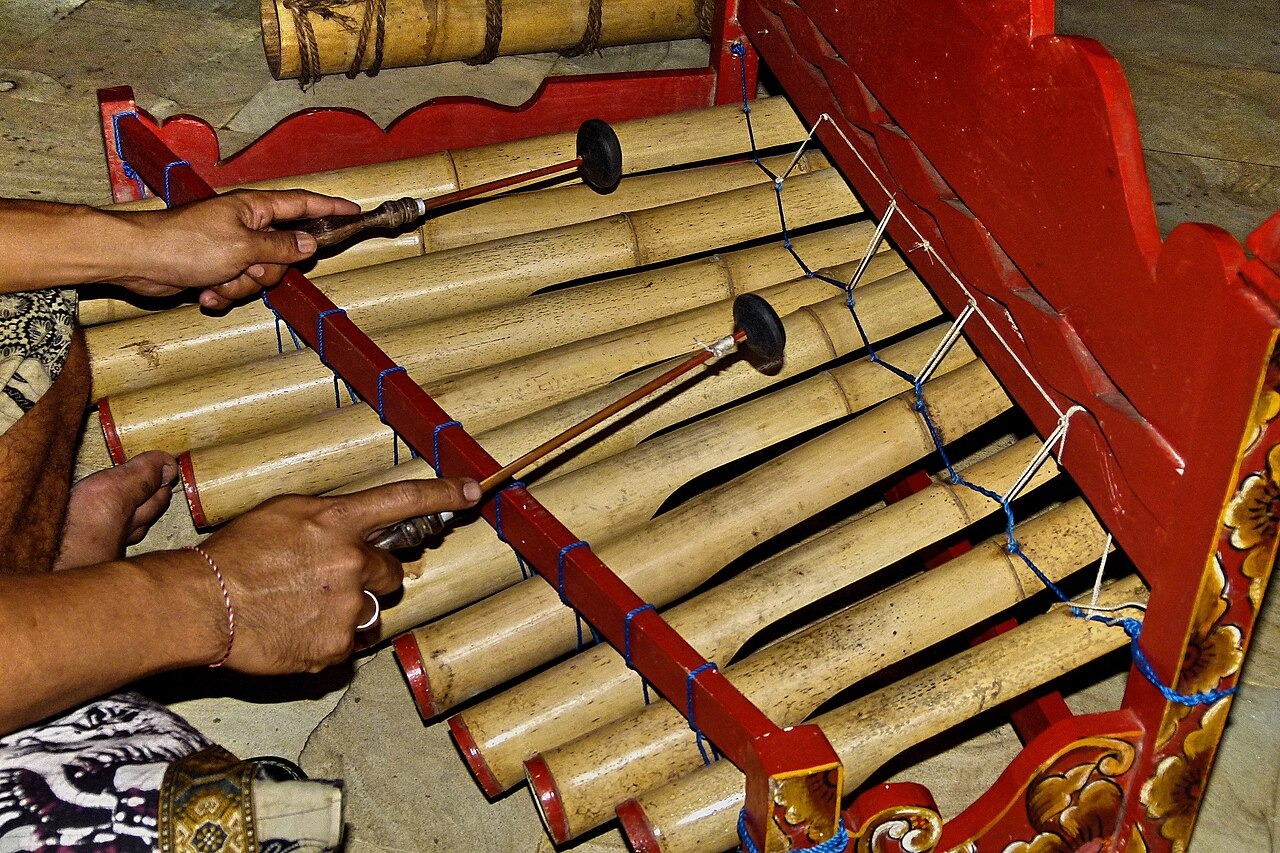
At first, a quick Balinese ensemble passage may feel too dense to untangle. Choose one element and stay with it. Hear the longer resonance of a gong underneath faster activity, then notice how shorter patterns seem to fit together. Interlocking playing can create a flow that sounds more continuous than any single player's part. You do not have to solve the rhythmic structure to appreciate the concentration involved in keeping those relationships alive.
Watch the drummer and the other musicians for cues. Changes of speed, sudden accents and coordinated stops can reveal the ensemble's responsiveness. Then return your attention to the sound rather than trying to document every gesture on a screen. Timbres may feel bright, shimmering, dry or rounded, depending on the instruments and the space. Those impressions are useful starting language, not technical judgments. A covered courtyard will sound different from an open stage, and a seat beside the instruments will feel different from one farther away. Let your first performance establish questions for a second rather than demanding instant understanding.
A forceful attack is only part of the sound. Notice what remains as metal resonates, and how a silence changes the expectation of the next entry. This can make a rapid passage feel less overwhelming because you begin to hear its larger shapes. There is no need to count aloud or mimic a player's movement. Sit quietly, choose a musical layer and let the ensemble reveal how it fits the rest.
A dance program can make musical changes easier to perceive because movement gives them a visible counterpart. In Legong, for example, the official tourism account emphasizes precise gestures, eye movements, elaborate costumes and close coordination with gamelan accompaniment. Read any available program notes before the performance so that you are not trying to decode every character while also learning a new musical language. Knowing the outline can free your attention for the relationship between gesture and sound.
Do not assume all Balinese dance uses the same accompaniment. Kecak, famous for its massed vocal texture, should not be booked as though it guarantees the instrumental gamelan experience you want. Ask what is actually presented, especially when an advertisement lists several dance names together. A mixed program may include contrasting forms, which can be rewarding if you know what to expect. Keep comparisons generous: a shorter public presentation is not necessarily a deficient version of something longer. It is a particular format with its own audience, constraints and artistic choices. Judge the booking by how clearly it explains those choices.
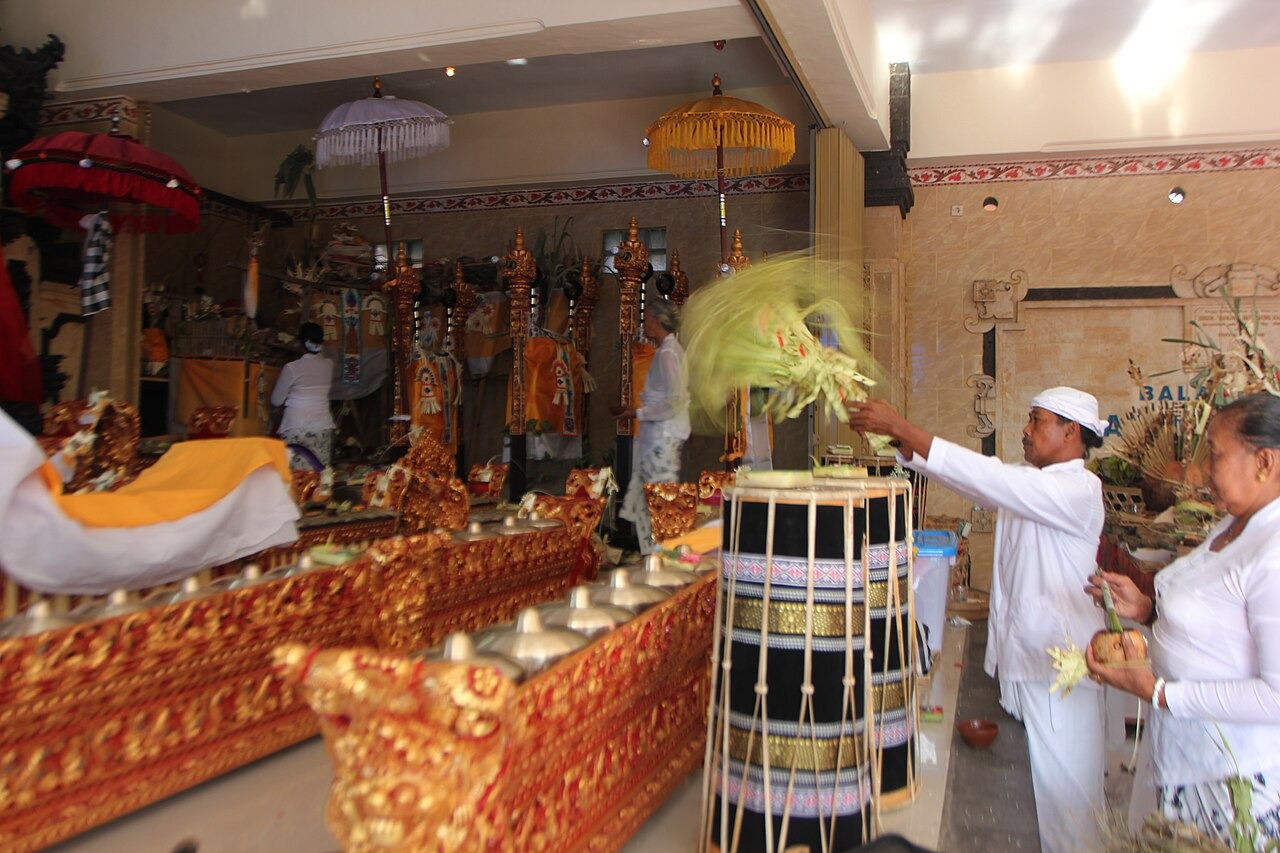
Balinese music is embedded in community and religious life, and visitors should not flatten those roles into entertainment. Indonesia's tourism material describes Rejang as a sacred dance associated with offerings and religious ceremonies. Its presence is a reminder that visibility does not equal unrestricted access. If you encounter a ceremony, ask a responsible local host whether visitors are welcome, where to stand and which areas are reserved. Accept a refusal without seeking another entrance or a more accommodating answer.
Follow the site's dress and conduct requirements, including any instructions about sarongs, sashes and entry restrictions. Avoid stepping across offerings, obstructing a procession or standing where participants need to move. Keep drones and close photography out of the situation unless explicit permission and local rules allow them. Permission to enter does not necessarily include permission to record. If you cannot understand the organizer's instructions, remain at an appropriate distance until someone can explain. The purpose of respectful listening is not to obtain privileged access, but to receive whatever access is genuinely offered without disrupting the reason people are there.
Traffic can make a Bali evening surprisingly fragile. Leave a generous buffer before a confirmed performance and agree on the return pickup place with your driver. In crowded central Ubud, the most obvious meeting point may not be practical for a car, so establish a recognizable alternative before separating. Walking can work for nearby venues, but pavements, lighting and crossings vary. A hired scooter is not a default solution for visitors without the appropriate license, experience and insurance.
Before buying, ask whether admission includes a seat, whether places are allocated, how the venue handles rain and whether late entry is possible. Outdoor and heritage settings can involve steps, uneven ground or limited back support. Request concrete access information, including toilets and the distance from vehicle drop-off to seating. Budget for the performance, transport in both directions and any meal independently rather than assuming a package is cheaper or more transparent. If a workshop is offered, clarify the teacher, format, group size and what the fee includes. Availability should be confirmed; a rehearsal space is not automatically an attraction visitors can enter.
Bring discreet hearing protection if bright percussion is uncomfortable, especially for children. Ask whether seats farther from the instruments are available without assuming distance guarantees a quiet experience. For open venues, carry a suitable rain layer and keep bags compact so they do not block neighboring seats. Check cancellation arrangements before payment. Weather protection, accessible seating and a reliable return journey matter more than obtaining the closest possible photograph.
If an organizer welcomes questions, ask about the ensemble's name, the kind of gamelan and the piece or dance you heard. These details provide a better path into further listening than a generic search for relaxing Bali music. Ask when conversation is convenient rather than approaching a musician who is moving instruments or preparing for a religious obligation. A brief, interested exchange is more considerate than expecting an impromptu lecture after a long performance.
Consider a second encounter that differs meaningfully from the first: another ensemble, a contrasting public program or a properly arranged introductory lesson. Do not touch or step over instruments without guidance. A teacher can explain the correct way to approach and use them, along with the social expectations of ensemble playing. Buying a recording through an authorized channel or paying a local instructor supports the people whose work has shaped your understanding. The goal is not mastery in a few evenings. It is to leave with a sharper ear for collective musicianship and a clearer distinction between access sold to visitors and cultural life shared on its own terms.
No. Accompaniment depends on the form and the program, and Kecak is especially associated with vocal chanting. Ask the organizer whether live instrumental gamelan is included if listening to that ensemble is the main reason for your visit.
Only where visitors are welcome and with the relevant permissions and conduct rules. A ceremony remains a religious event rather than a scheduled attraction. Ask a responsible host, follow directions and accept that some areas or events are not accessible.
Do not assume so. Programs, venues, artists and arrangements can change, and religious observances or weather may affect plans. Confirm a specific date with the organizer and keep a backup evening rather than relying on an old timetable.
An arranged introductory lesson may be possible through a teacher or cultural organizer, subject to availability. Confirm the format and cost in advance. Wait for instruction before touching instruments, and treat the lesson as collective cultural learning rather than an unrestricted photo opportunity.
Verify opening arrangements, transport, access rules and safety information with official sources. We omit numerical budget ranges where reliable current figures have not been verified.
Keep exploring
Choose a performance for the listening experience, understand the practical arrangements, and give the musicians your attention.

Listen to Iceland through its waterfalls, with a route that puts weather, safe viewpoints and unhurried attention before distance.
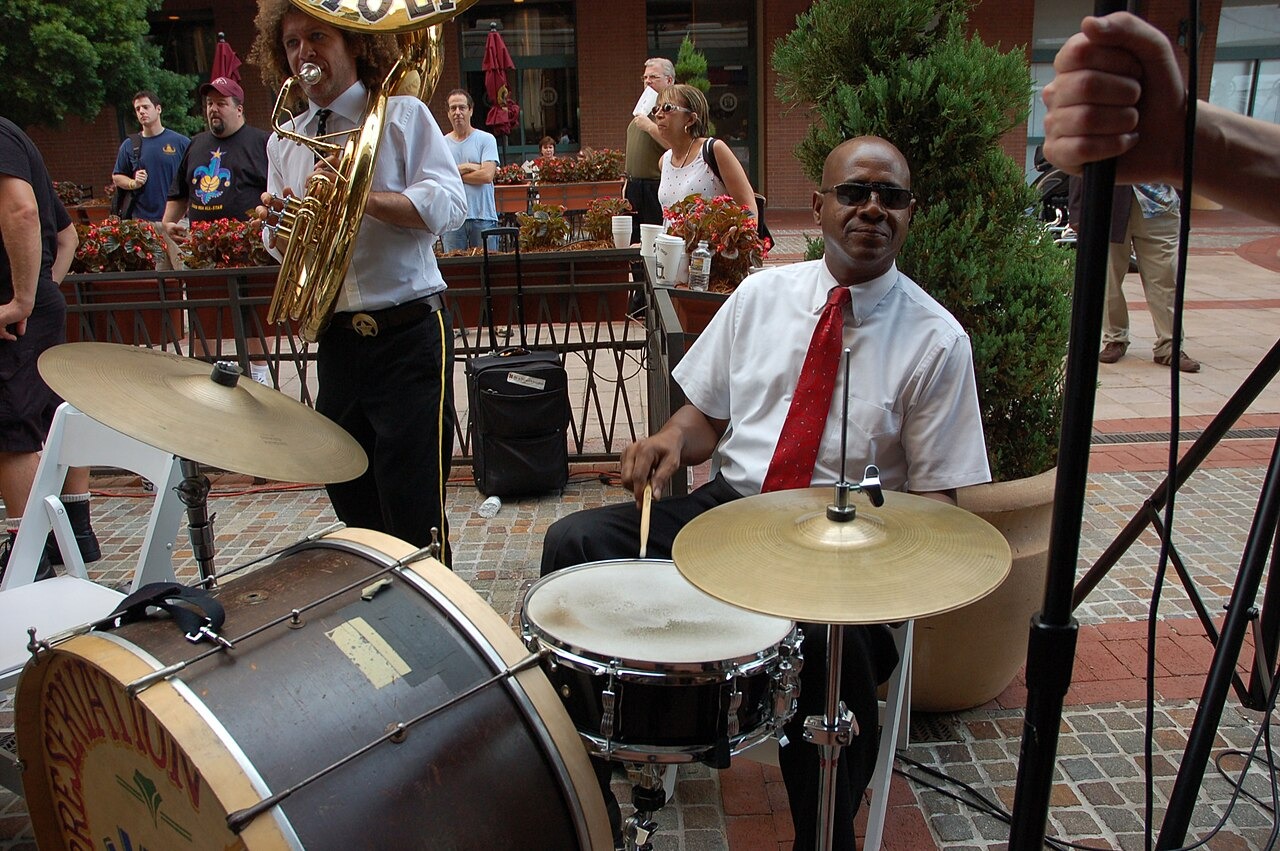
A trumpet phrase rises above the room, the clarinet answers, and the rhythm section keeps a conversation moving underneath. In New Orleans, live jazz rewards this kind of close attention. The city offers famous rooms, neighborhood stages and street encounters, but the richest visit is not a race between them. Choose somewhere to sit, learn who is playing and give the musicians your evening. From the French Quarter to the clubs around Frenchmen Street, the practical choices matter: a quiet seat, a sensible journey home and enough room in the budget to support the people making the music.


