TASTEBologna, Italy
A taste of Bologna, beyond the familiar
Explore pasta, market shopping and the practical pleasures of eating in a working Italian city.
8 min readRead story
The most useful skill on a pintxo evening in San Sebastián is not knowing every famous bar. It is learning when to pause, what to ask for and when to move along. A crowded counter can look like an elaborate display, but behind it is a working rhythm of short orders and small rounds. Follow that rhythm and dinner becomes a walk through the city: one considered bite, a conversation, another street, then a different cook's idea of what a small plate can do.
By Journey Into Wellbeing editorial team
Published: November 11, 2026
Updated: November 11, 2026
7 min read
Pintxos are a year round experience. Busy holiday periods and weekends require more patience; rain can make indoor space especially precious. Check individual bar opening days.
Reach the city by rail, coach or an airport connection suited to your wider route. Once central, walk between nearby bars or use public transport; a car adds little to a compact pintxo outing.
San Sebastián's official tourism guidance describes going for pintxos as moving between bars, commonly taking a small drink and a pintxo before continuing. The point is movement and variation, not necessarily building a large meal at the first counter. Begin with a manageable area and enough flexibility to pass a bar that is too crowded for a comfortable visit.
This custom is not a rule requiring alcohol, rapid eating or a fixed number of stops. Water or another nonalcoholic drink fits perfectly well into a thoughtful evening. Decide what kind of experience you want: an energetic standing round, a quieter visit earlier in service or a seated meal with a few small dishes. Making that distinction first helps avoid expecting every busy bar to provide the same leisurely table service as a restaurant.
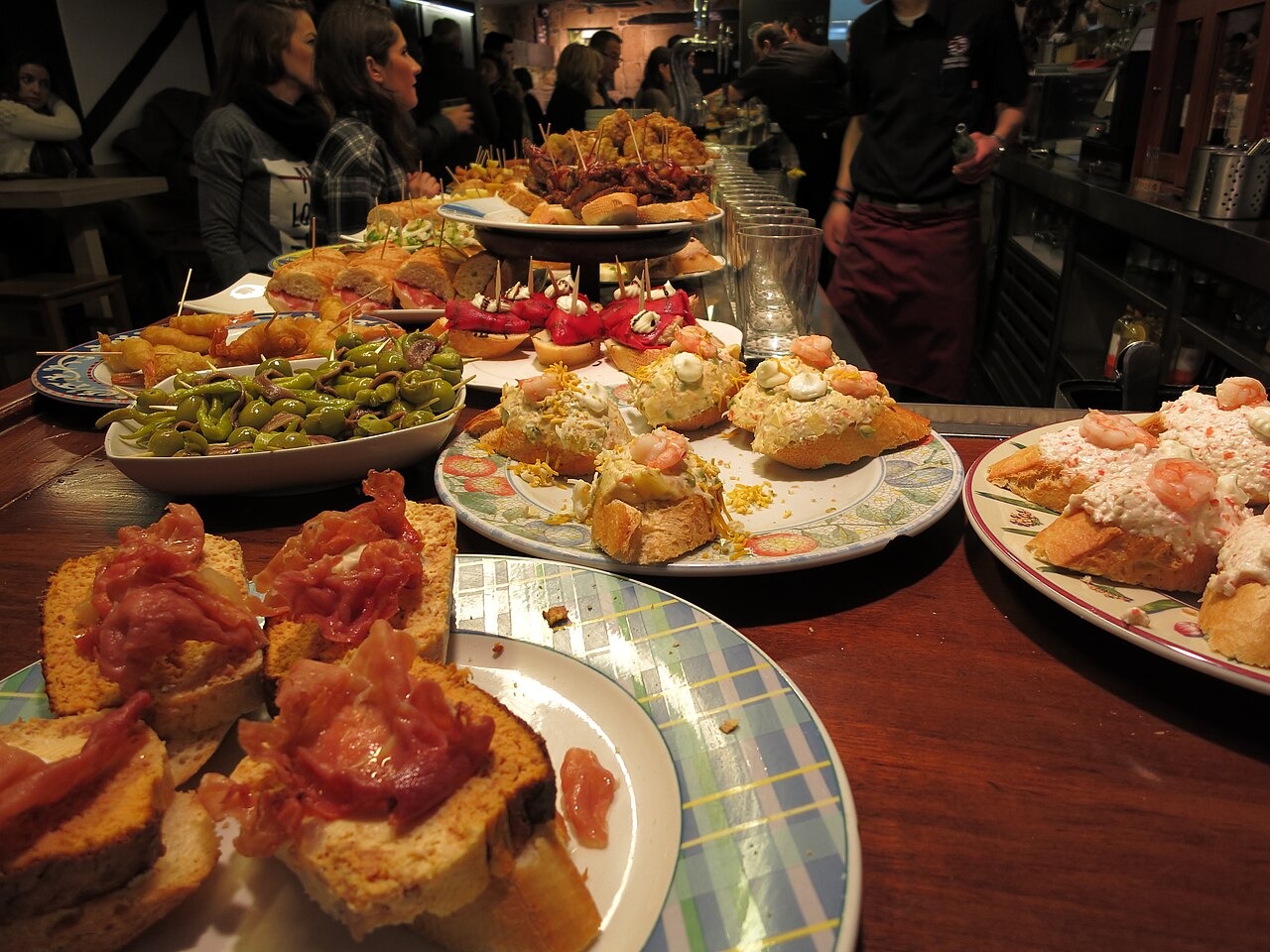
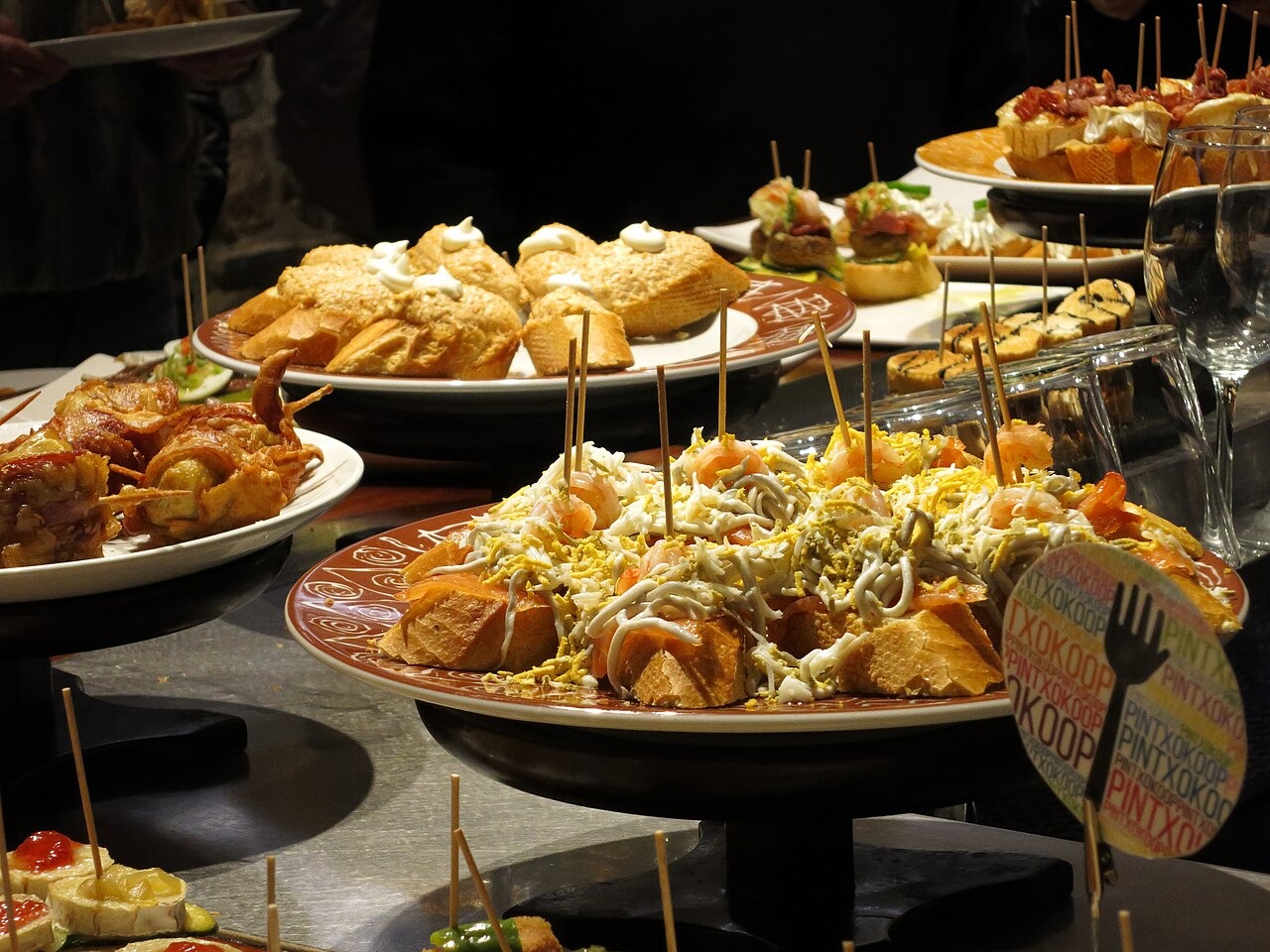
Pintxos began as food placed on bread and held with a cocktail stick, according to the tourism office, but contemporary versions extend far beyond that format. The display is therefore an introduction rather than a complete explanation. Some dishes sit ready at the bar, while others must be ordered and prepared hot. Look for a written menu and ask what the kitchen recommends.
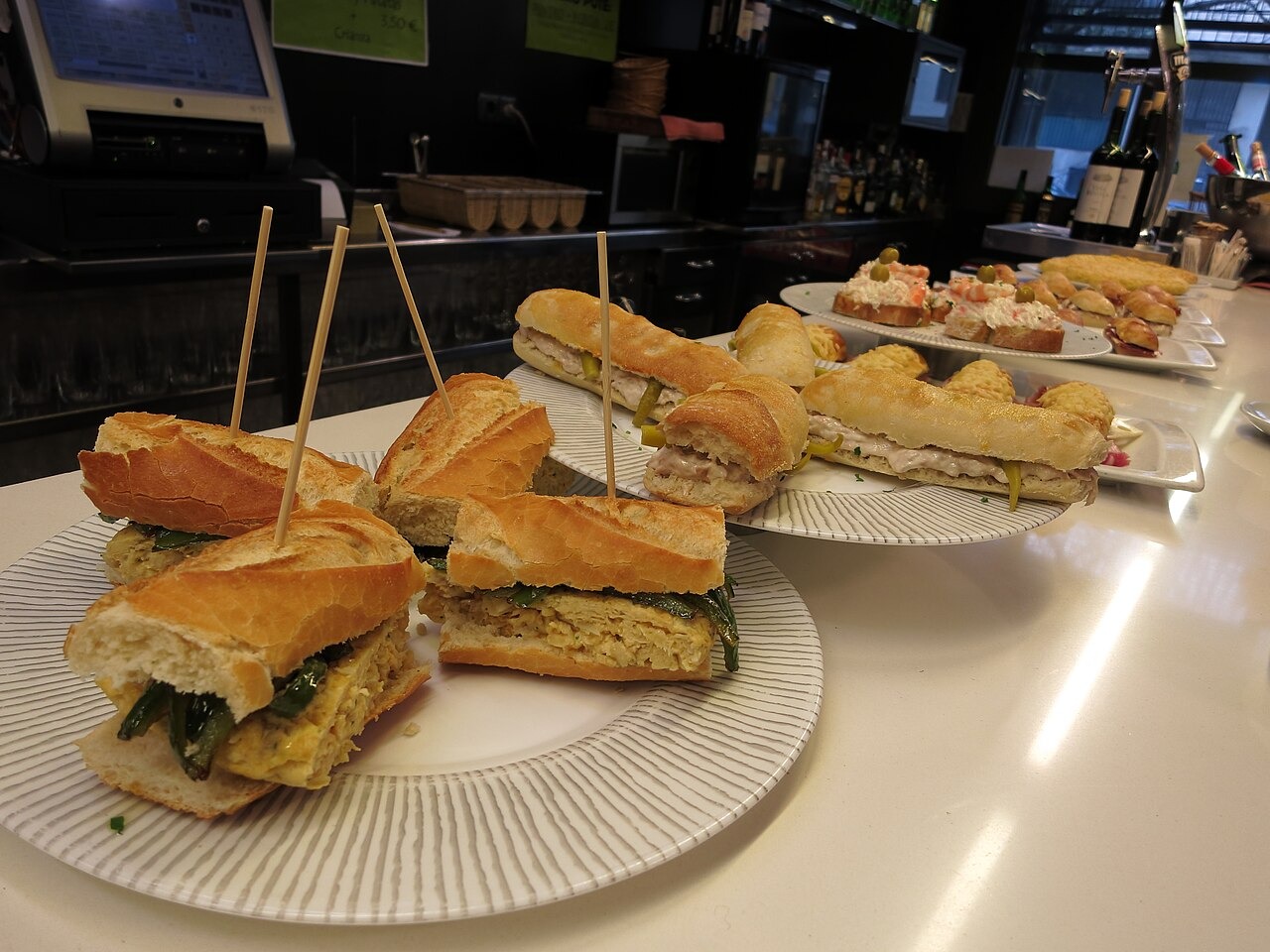
Official guidance notes that cold pintxos have traditionally been available directly from the counter. In practice, follow the arrangement in the individual bar: ask before helping yourself, use any utensils provided and respect instructions about ordering. The tourism description explains a custom, not permission to ignore a server's system. Taking a moment to watch how the bar works is usually more productive than reaching immediately for the most photogenic item.
Choose a dish, indicate the quantity and add the drinks order when the server is ready. If you are uncertain, ask which pintxo is the bar's speciality rather than requesting a tour of every tray during a rush. Keep track of what arrives, especially if members of your group order separately.
A hot pintxo may come from the kitchen after the cold order has been served. Ask about waiting time if you are on a tight schedule, and do not leave simply because your first plate is finished. Some of the pleasure lies in letting a bar show its cooking rather than judging it entirely from the display.
The Old Town is one of the principal pintxo areas identified by the tourism office. Its concentration of bars makes comparison easy, but popularity can turn a short outing into a succession of queues. Pick a starting point and a possible alternative rather than treating a handful of heavily promoted addresses as mandatory. If a counter is packed beyond your comfort, moving on is a sensible decision, not a culinary failure.
Look for contrast between rounds. After something rich, you might prefer a lighter preparation; after a cold bite, order something cooked. There is no need to invent a rigid tasting progression, but a little attention prevents every choice from becoming the same indulgence in a different shape. Leave room to discover a bar through its menu and atmosphere, rather than entering only to collect a dish already chosen online.
Gros is the other busy pintxo district highlighted in the official city guidance. It gives a useful reason to broaden the outing beyond the Old Town rather than circling the same crowded streets. Organise the walk as a change of neighbourhood, not a dash between two pins. If weather or tiredness makes the crossing unappealing, save it for a different meal instead of turning dinner into a logistical exercise.
Avoid assuming that one district is inherently authentic and the other only for visitors. Both are parts of a living city, and the character of an individual bar matters more than a sweeping label. Notice how people use the space, how the staff explain the food and whether the atmosphere suits your group. The best choice is not always the loudest room or the bar with the largest online following.
The tourism office describes a zurito as a small beer and a txikito as a small glass of wine. Those smaller measures help explain the traditional rhythm of a round. Ask what is being offered and choose an amount that suits you, rather than assuming the only way to participate is to keep matching everyone else's pace. Repeated small drinks still add up.
Make space for water and food, and decide on the return journey before the evening develops. If someone in the group prefers not to drink, do not turn that preference into an exception requiring explanation at every stop. A pintxo outing is an opportunity to appreciate cooking and company. Alcohol can be one element of that custom without becoming either a test of belonging or the organising principle of the entire night.
A crowded bar rewards concise ordering and awareness of other people. Do not occupy the whole counter with coats and bags, lean across someone else's plate or block the route carrying food from the kitchen. If the room is standing only, ask before borrowing a stool or rearranging furniture. Limited seating is not evidence that staff have overlooked the needs of your group.
Visitors with mobility or sensory access requirements should contact bars ahead about entrance steps, seating, toilets and quieter periods. Compact venues can vary considerably, and a famous address is not automatically a comfortable one. Outside, remember that people live above the streets where the evening continues. The city's responsible tourism guidance specifically asks visitors to respect residents' sleep. Keep conversations considerate when moving between bars or waiting outdoors.
The official guide says payment commonly happens before leaving and describes friends taking turns or using a shared kitty. Visitors can adapt that practice by deciding who orders and who pays before approaching the counter. Tell staff accurately what you have consumed, ask when unsure and settle the bill before moving to the next place. Do not assume every cocktail stick represents a single standard price.
Read prices before ordering, especially when moving from a simple counter bite to a more elaborate hot preparation or larger plate. Budget for the sequence of rounds, not just an individual pintxo. Sharing thoughtfully and stopping when satisfied protects both money and appetite. If you need a more substantial or accessible seated meal, make that a deliberate reservation rather than expecting a crowded pintxo counter to become a different kind of establishment halfway through the evening.
Do not assume that they are. Ask about the price and ordering system in the bar you are visiting. San Sebastián pintxo outings are best planned as paid food and drink rounds, with the total checked before departure. Larger hot dishes or specials may be priced differently from items on the counter.
Yes, but the plan requires care. Ask about ingredients and cross contact before ordering; displays may put seafood, nuts, dairy, egg and bread close together. A visually simple bite is not proof of safety. If staff cannot confidently accommodate your requirements, choose another venue rather than removing the obvious ingredient yourself.
Not necessarily for a traditional standing round, but service styles differ. Check directly if you need a table, guaranteed seating, a group arrangement or access support. A reservation for a seated dining area may not cover counter service. Keep alternatives nearby and do not let a full room derail the whole outing.
You can visit without speaking Basque, but a greeting is a considerate start. The official guide offers kaixo for hello and eskerrik asko for thank you. Use simple requests, be patient in a busy service and avoid treating the local language as a performance expected from staff while they work.
Verify opening arrangements, transport, access rules and safety information with official sources. We omit numerical budget ranges where reliable current figures have not been verified.
Keep exploring
Explore pasta, market shopping and the practical pleasures of eating in a working Italian city.
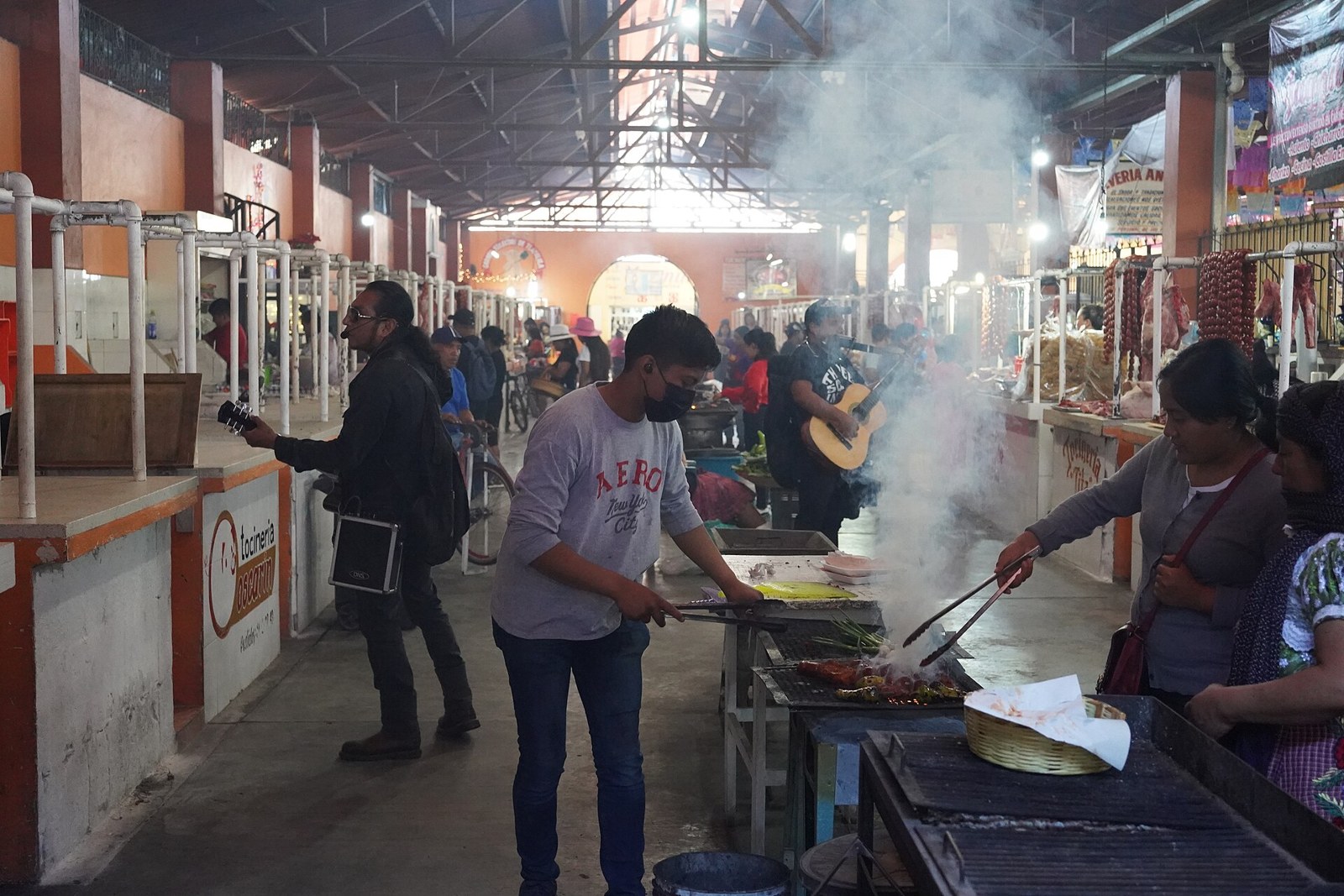
A thoughtful route through Oaxaca’s food markets, balancing appetite with practical questions and respect for working stalls.
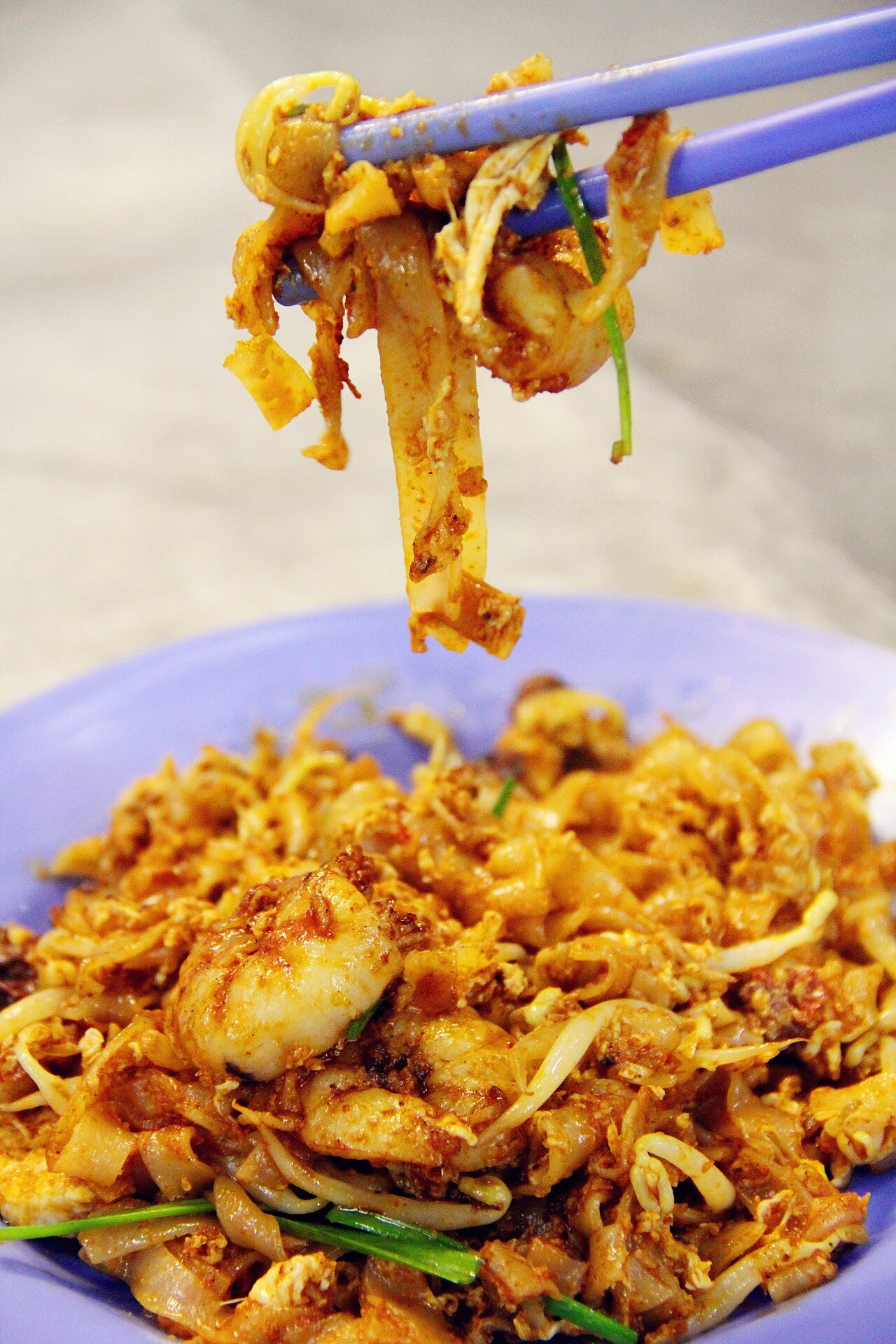
Penang's food makes a persuasive argument for travelling slowly. A wok needs its moment, a bowl of broth deserves more than a photograph, and the best next decision may be to stop ordering. Across George Town and beyond, hawker meals reveal distinct traditions without arranging them into neat compartments. The pleasure is in following a flavour, then noticing how another cook answers it differently. Plan a few anchors, leave room between meals and let appetite, rather than a checklist, set the day's rhythm.


