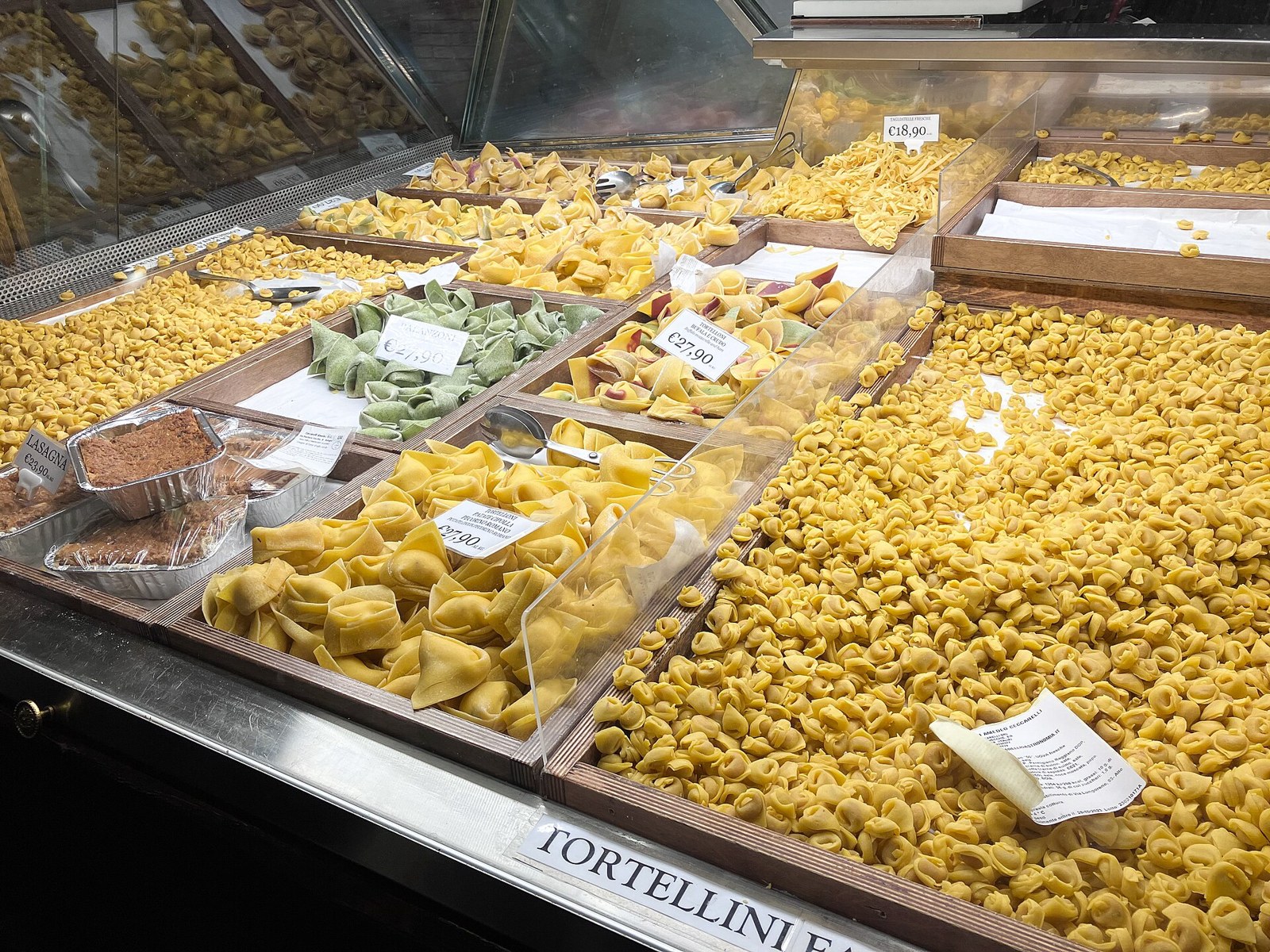
TASTEBologna, Italy
A taste of Bologna, beyond the familiar
Explore pasta, market shopping and the practical pleasures of eating in a working Italian city.
8 min readRead story
The travel collection
A place at the table. Discover local kitchens, lively markets and the stories behind every flavor.
Explore pasta, market shopping and the practical pleasures of eating in a working Italian city.
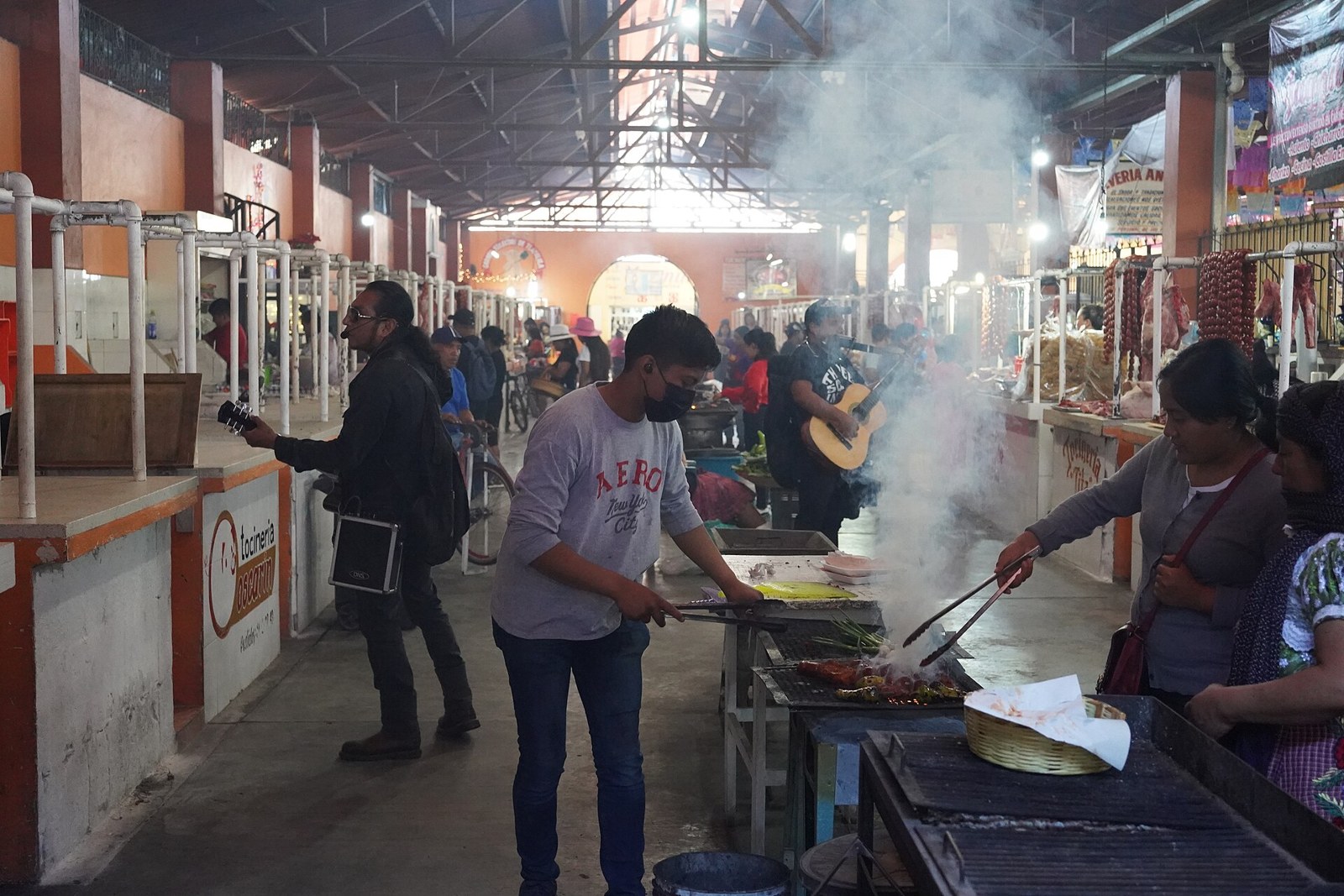
A thoughtful route through Oaxaca’s food markets, balancing appetite with practical questions and respect for working stalls.
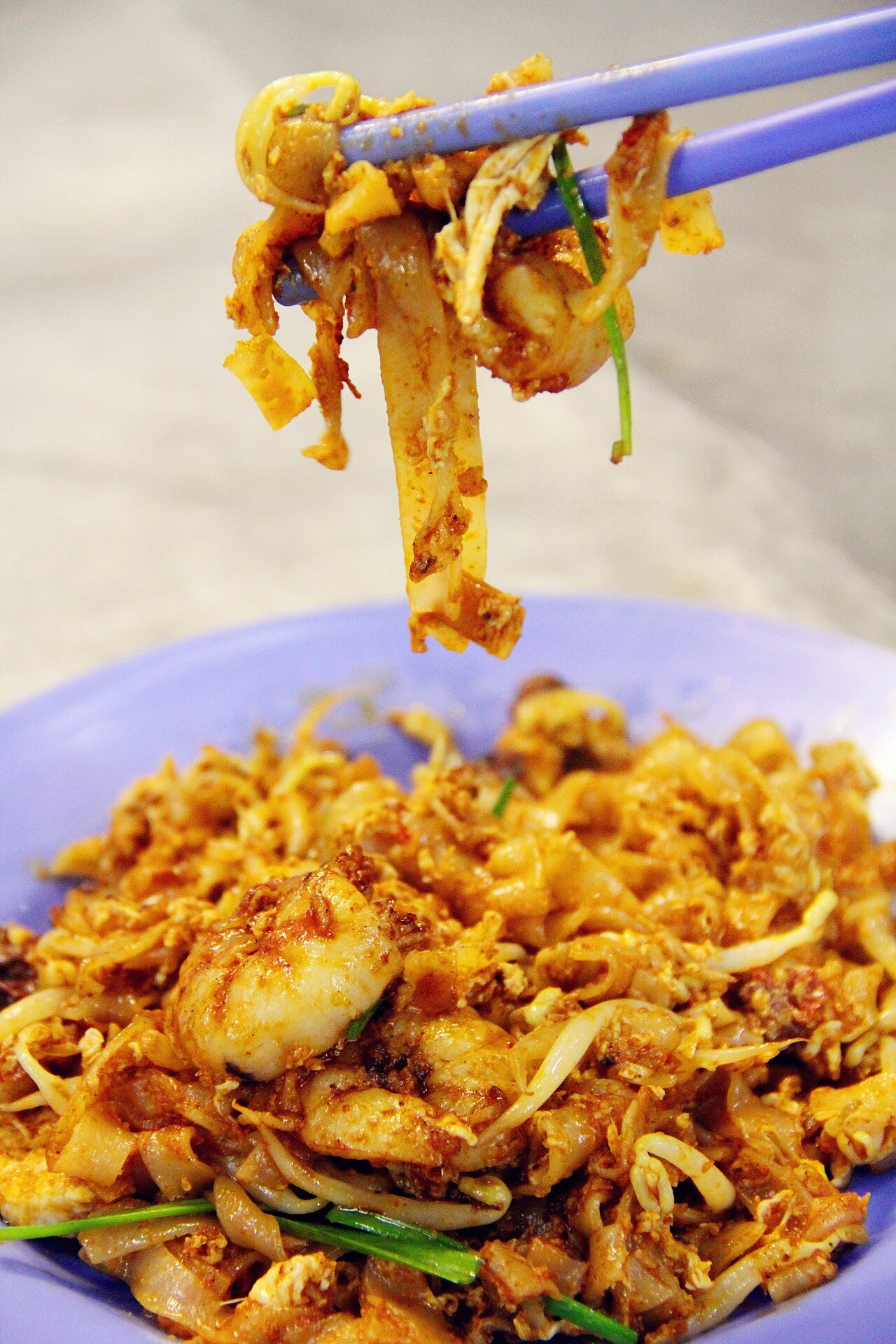
Penang's food makes a persuasive argument for travelling slowly. A wok needs its moment, a bowl of broth deserves more than a photograph, and the best next decision may be to stop ordering. Across George Town and beyond, hawker meals reveal distinct traditions without arranging them into neat compartments. The pleasure is in following a flavour, then noticing how another cook answers it differently. Plan a few anchors, leave room between meals and let appetite, rather than a checklist, set the day's rhythm.
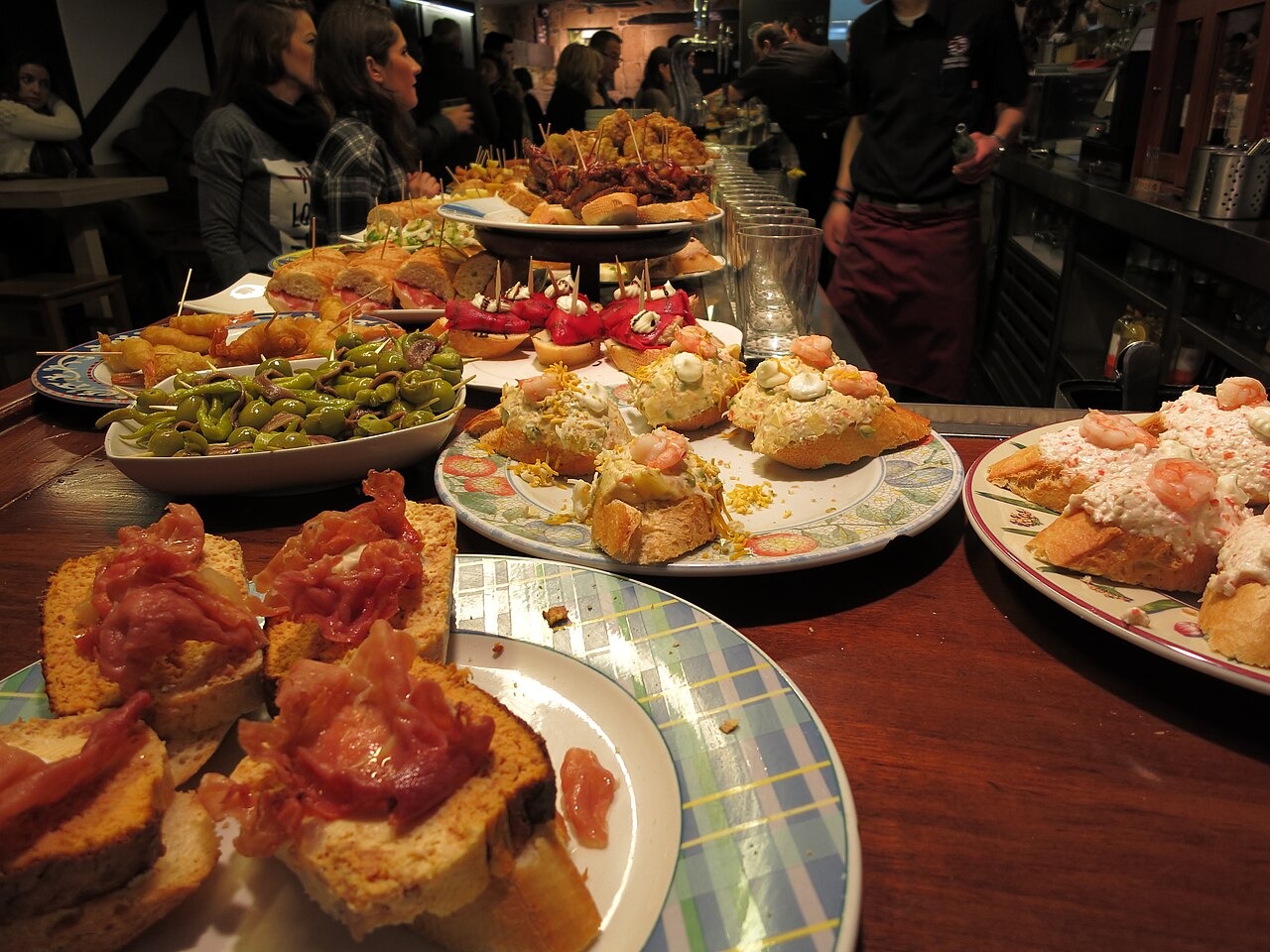
The most useful skill on a pintxo evening in San Sebastián is not knowing every famous bar. It is learning when to pause, what to ask for and when to move along. A crowded counter can look like an elaborate display, but behind it is a working rhythm of short orders and small rounds. Follow that rhythm and dinner becomes a walk through the city: one considered bite, a conversation, another street, then a different cook's idea of what a small plate can do.
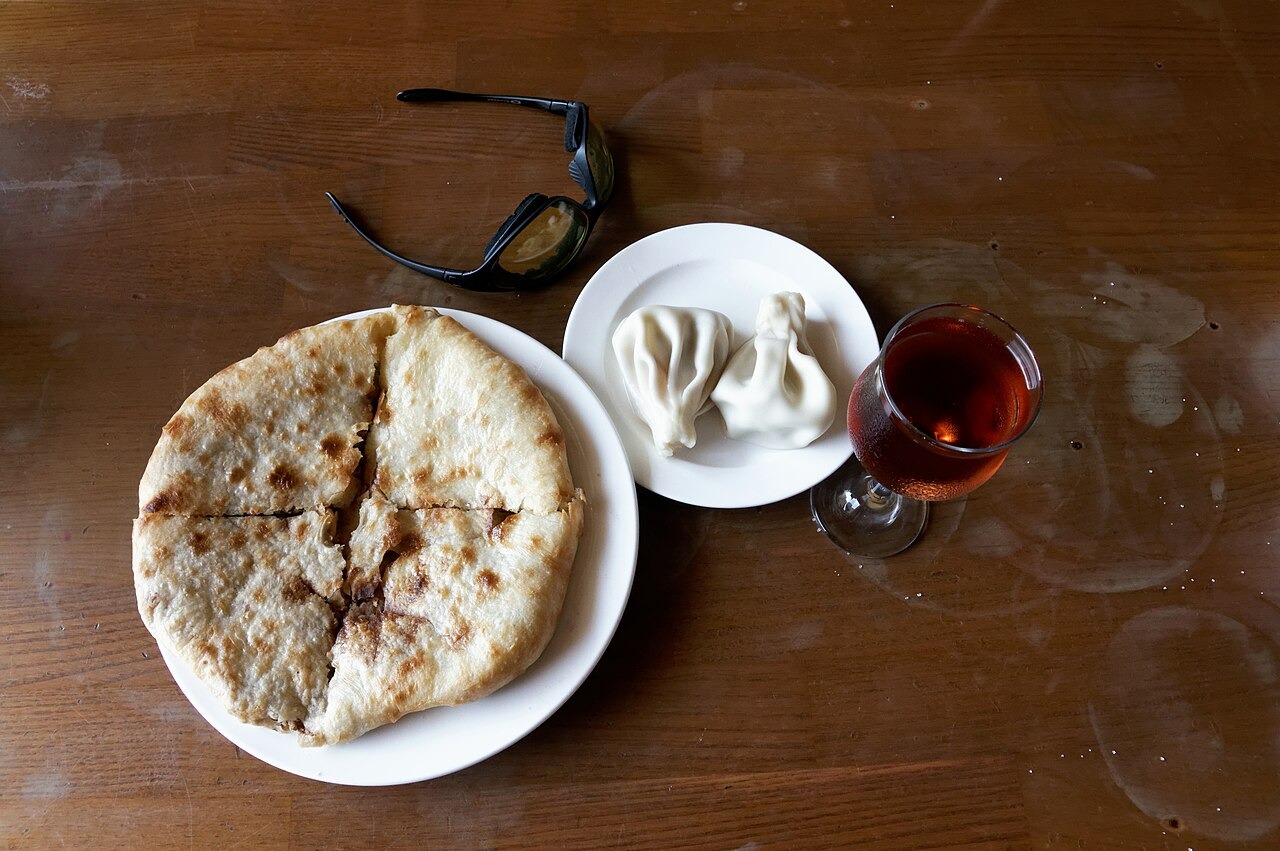
A Georgian table can be understood through what happens between the dishes. Bread is passed, a conversation pauses for a toast, and someone explains why a particular food belongs to a particular region. In Tbilisi, the supra offers one way into that culture of shared attention, but it should not be reduced to an oversized restaurant order or a test of drinking endurance. Approach the city’s food with curiosity, clear boundaries and enough time to listen. The most memorable part may be the way a meal makes room for other people.
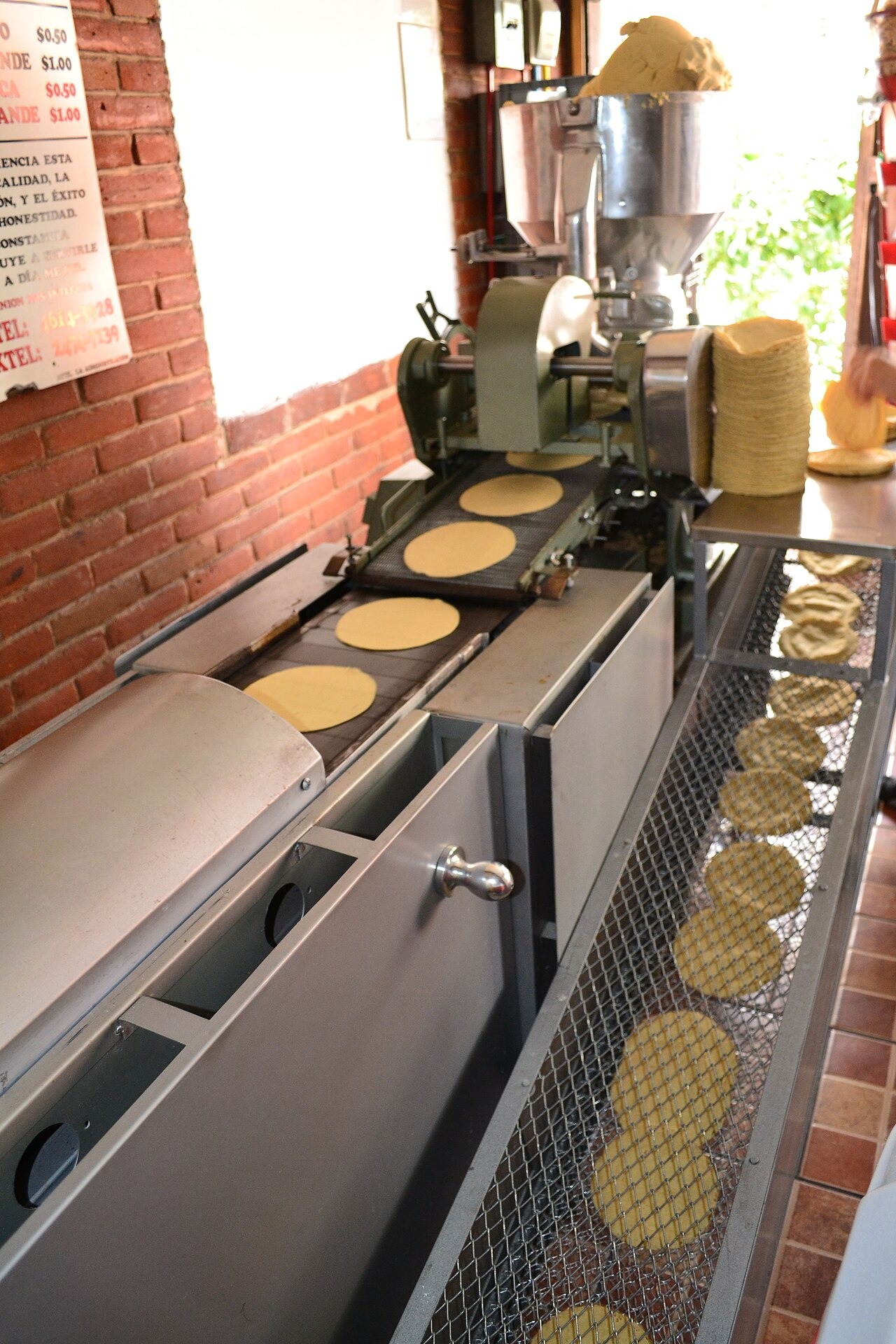
In Mexico City, a tortilla can be the subject of a food journey rather than an anonymous support for the filling. Start with the warm bread itself: its aroma, flexibility and the way it changes as it cools. Then ask about the maize, the dough and the work that brought it to the griddle. Following nixtamal through the capital leads towards neighbourhood production and everyday eating, not a circuit of distant market destinations. The aim is a closer understanding of a staple and the people who make it, one modest purchase at a time.


