SOUNDSouth Iceland and northeast Iceland, Iceland
Iceland, a landscape you can hear
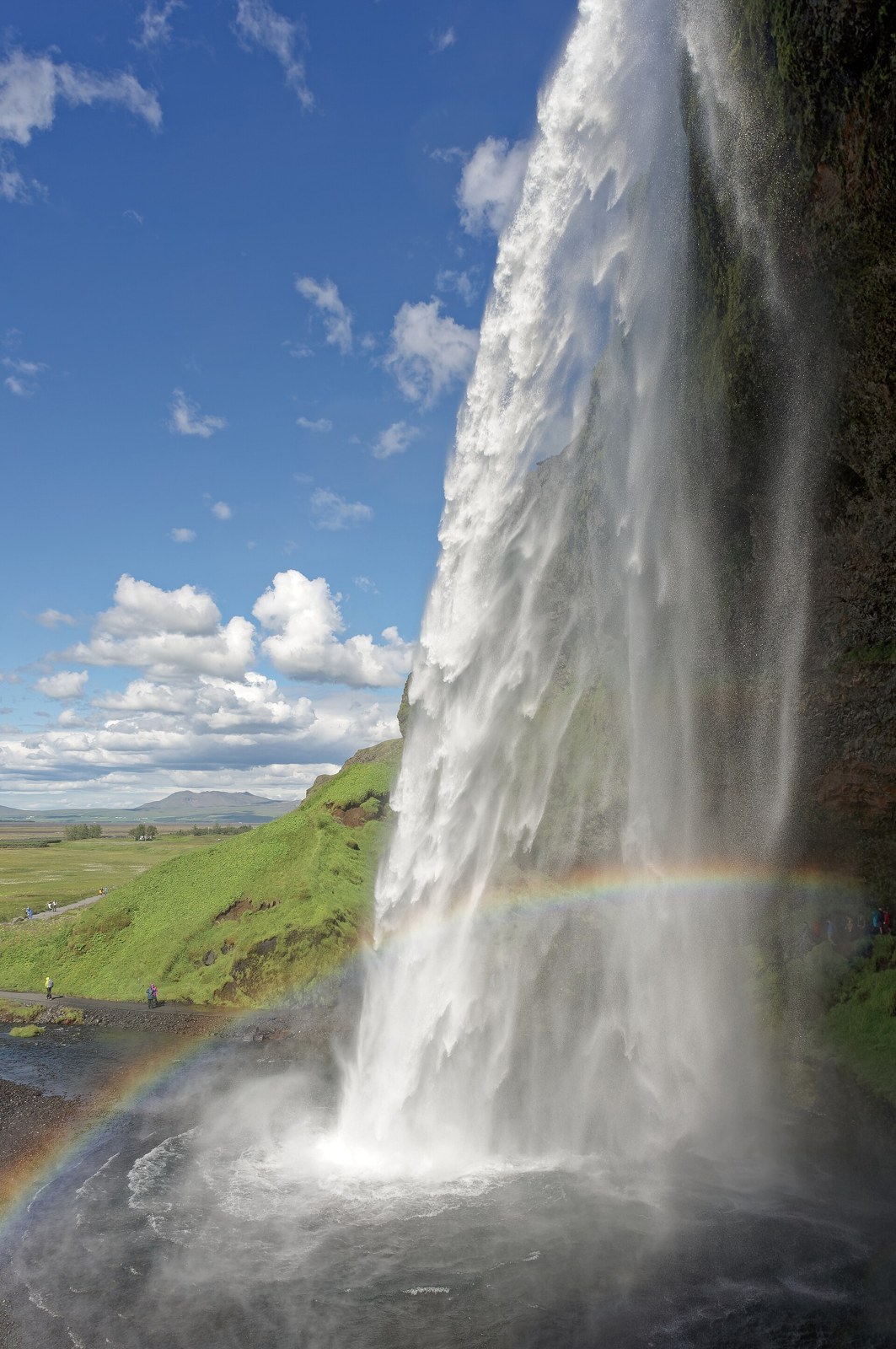
Listen to Iceland through its waterfalls, with a route that puts weather, safe viewpoints and unhurried attention before distance.
8 min readRead story
Choose a performance for the listening experience, understand the practical arrangements, and give the musicians your attention.
By Journey Into Wellbeing editorial team
Published: November 11, 2026
Updated: November 11, 2026
9 min read
Fado is not confined to one travel season. Summer can bring busy evenings and warm walks; cooler months call for rain protection and careful footing on hills.
Lisbon has an international airport, rail connections and a metro network. Use public transport for the broad journey, then check the final walk to the venue and the return options after the performance.
An evening of fado works best when it is more than an item placed between dinner and the next bar. The performance asks for attention: to the singer’s phrasing, the instruments and the room’s response. You do not need to understand Portuguese to hear a change in intensity or the space left at the end of a line. You do need to choose an evening when you are willing to put conversation aside. If your group mainly wants a lively catch-up over drinks, another setting may be a better fit.
Lisbon’s Fado Museum describes the music as rooted in the city’s popular life during the nineteenth century, with a history that developed through social settings and later media rather than appearing fully formed as a tourist attraction. That background is a reason to avoid reducing the evening to a compulsory demonstration of Portuguese melancholy. Songs can carry varied subjects and moods. Listen for what this particular performer is doing rather than expecting every singer to represent a single emotion or an entire country.
The Museu do Fado offers a useful introduction before an evening performance. Its permanent exhibition addresses the history of fado, the Portuguese guitar, performance settings and the role of theatre, radio, cinema and television. It can help you recognise that the tradition is both historical and continuing. Check the museum’s current opening and ticket arrangements directly, and do not assume that museum admission includes a live performance or a booking at an independent venue.
Use the visit selectively rather than trying to absorb every name and date. Pay attention to an instrument, a recording or a detail about how performances reached new audiences. That gives you something concrete to listen for later. If you want a guided visit, confirm availability, language and booking requirements with the museum. The aim is not to pass a knowledge test before entering a fado house. A little context can simply prevent the familiar mistake of treating a carefully developed musical practice as spontaneous background sound.
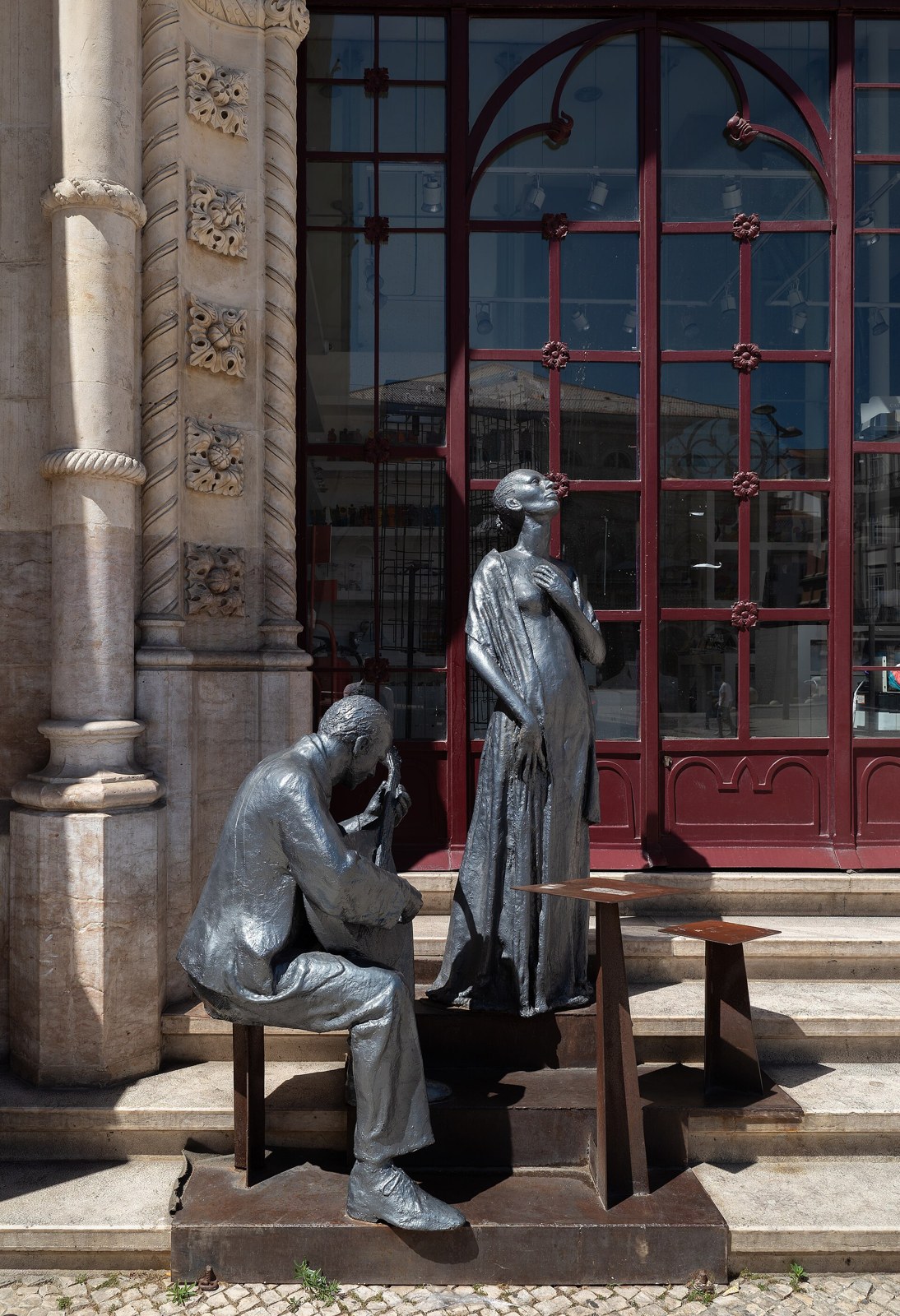
A dinner performance and a concert-style event can both be worthwhile, but they solve different practical needs. Dinner may involve an extended evening with service between musical sets. A staged concert may offer a clearer start and finish without a full meal. Ask the venue what it actually provides rather than relying on a general label. Confirm whether the event is seated, whether food is included or required, and whether you can attend without ordering alcohol. The most suitable option is the one that matches your attention, mobility and schedule.
Some evenings are described as fado vadio, associated with less formal or amateur participation. That description should not be treated as a guarantee of spontaneity, local exclusivity or superior authenticity. Ask how the event works and what visitors are expected to do. Professional performers deserve neither suspicion for earning a living nor uncritical praise because a venue uses traditional language. Judge the practical arrangements transparently and leave room for different settings to present the music well. You are choosing a listening experience, not certifying which room possesses the city’s true soul.
Before booking, establish the performance time, expected duration, meal arrangements and any minimum consumption or cover requirements. Ask whether a deposit is refundable and what happens if you arrive late. Read the current menu if food is part of the evening, particularly for allergies or dietary restrictions. Do not assume that a booking described as including fado also includes every dish or drink. Written confirmation is useful because it allows you to focus on the music instead of negotiating the structure of the evening after you sit down.
Ask about seating and access when those details matter. A small historic room may have stairs, tight aisles or limited flexibility, but its actual conditions should be checked rather than guessed from photographs. Explain whether you need step-free entry, an accessible toilet, a place to leave mobility equipment or a seat that reduces strain. If you are sensitive to sound, ask about amplification and proximity to speakers. No venue can guarantee how every moment will feel, but clear questions give it a chance to describe the setting honestly.
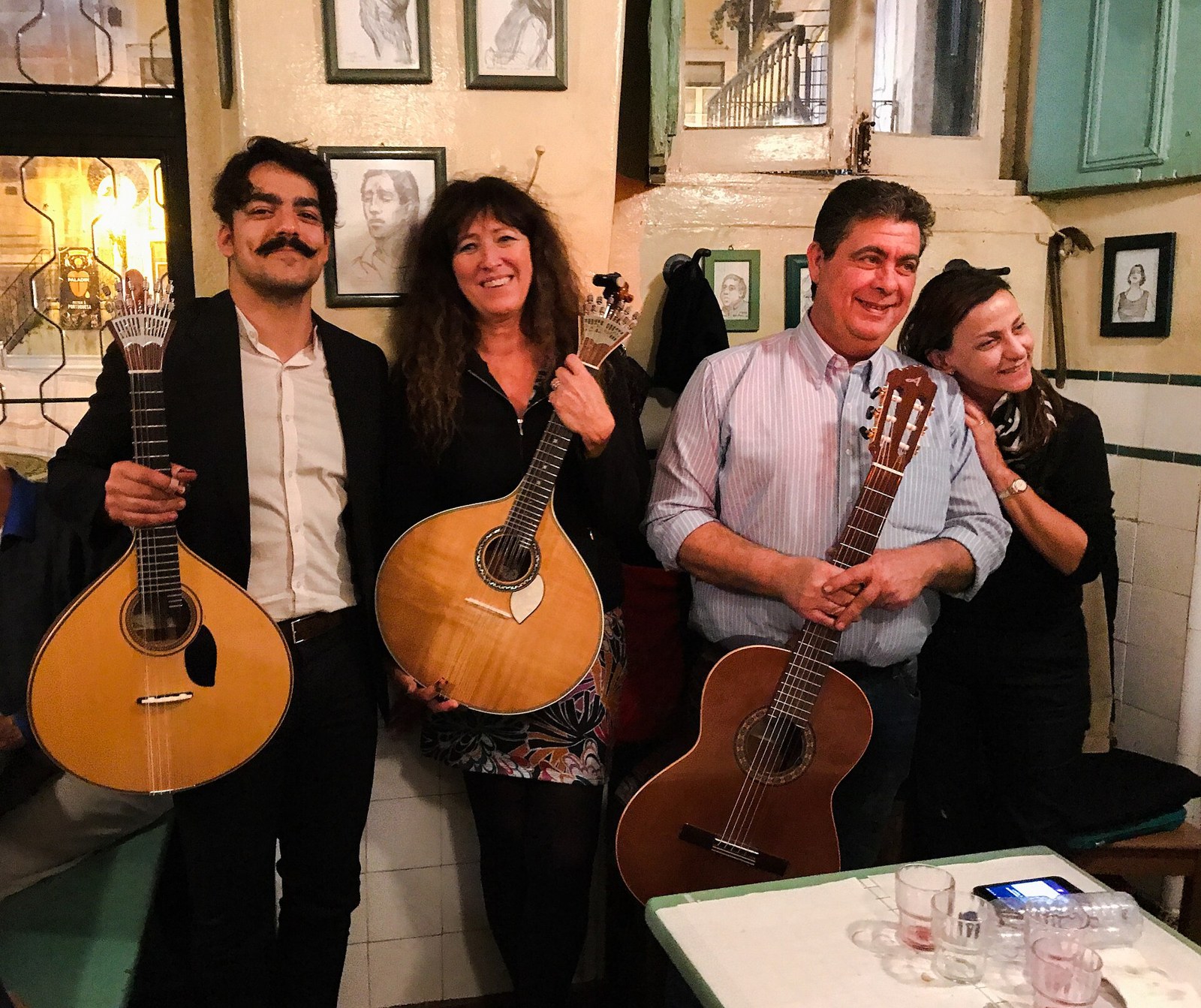
Fado commonly brings the singer together with Portuguese guitar and a guitar providing accompaniment, though the exact ensemble can vary. Notice how an instrumental phrase answers or prepares a vocal line. The Portuguese guitar has a distinct appearance and sound; the museum is a better source for its history than an improvised explanation based on its shape. You do not need specialist vocabulary to follow the relationship between voice and accompaniment. Listen for shifts in emphasis, repeated figures and the moments when the musicians leave space.
A song’s emotional effect can be strong without every word being understood. If the venue offers information about repertoire, read it before or between sets. Avoid using live translation tools during a song if they require a bright screen, recording or repeated handling of the phone. Afterwards, you can look for a legitimate recording or reliable translation of a song whose title you have confirmed. Do not invent a meaning from facial expression alone. A listener can respond sincerely while acknowledging that the language contains detail they have not yet understood.
Follow the venue’s directions when a set begins. Stop conversation, put the phone away and avoid ordering noisily over the music. If you need to leave your seat, wait for a suitable interval where possible and move without crossing in front of performers. Photography and recording policies differ, so ask beforehand. Permission to take a photograph does not necessarily include flash, video or posting a complete performance. Even where recording is allowed, holding a bright screen in front of another listener can spoil their view and concentration.
Applaud naturally after a song and follow the room’s rhythm rather than trying to create your own performance. Do not sing along unless participation is clearly invited. Quiet does not require exaggerated solemnity, and appreciation need not be theatrical. Staff may time service around the music, so be patient if your order pauses. If another table is disruptive, seek discreet help from staff instead of arguing across the room. The point of etiquette is to make attentive listening possible for everyone, not to turn visitors into anxious observers afraid of making a small mistake.
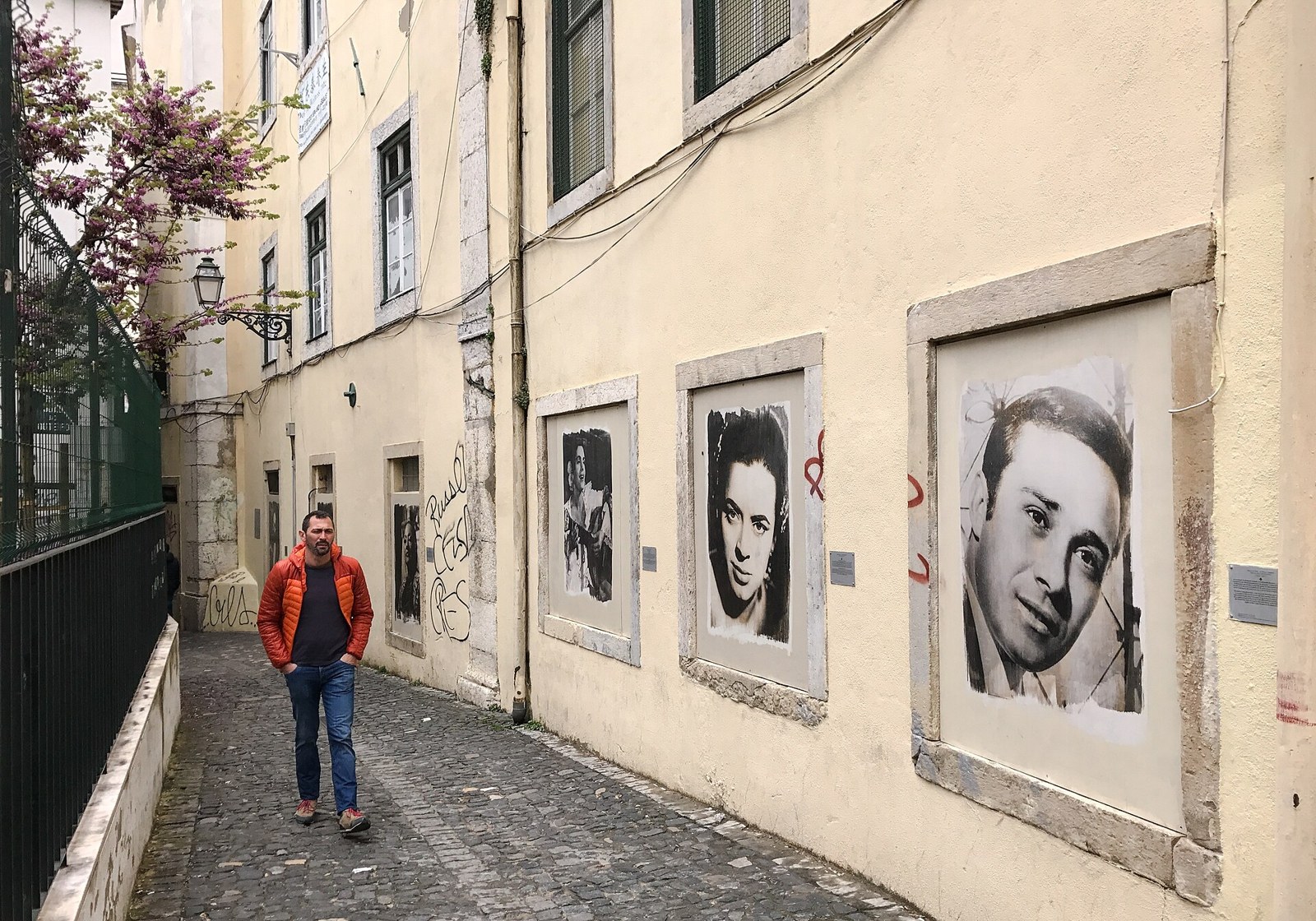
Alfama and other older parts of Lisbon can involve steep streets, steps and uneven paving. Check the route to the actual entrance rather than trusting that a nearby map marker means an easy approach. Wear shoes suitable for walking and allow extra time in wet weather, when smooth surfaces can be slippery. A taxi or other arranged vehicle may not be able to stop directly outside every door. Ask the venue for a sensible drop-off point if gradients or steps are a concern.
For the return, check current public transport services and identify an alternative before the evening starts. Do not assume the connection you used on arrival will still operate after a long dinner. Keep valuables secure on busy transport and in crowded streets, drink within your own limits and avoid walking unfamiliar steep shortcuts while distracted by your phone. Residential lanes remain people’s homes after performances finish. Leave quietly, keep group discussions away from windows and arrange onward travel without blocking a narrow street or doorway.
Fado can be heard throughout the year, so season should shape comfort and booking choices rather than dictate whether the music is available. Busy periods may reduce your choice of seating or dates; quieter travel periods still require checking individual programmes. Summer warmth does not remove the need to plan the uphill walk, and cooler weather may make a coat and rain protection useful. If you are travelling with children, ask about duration, timing and expectations rather than assuming every evening suits every age or attention span.
Afterwards, remember something specific: a phrase, the sound of a guitar between verses or the way a room became still. If you want to support what you heard, ask about legitimate recordings or future performances without delaying staff at a busy moment. Write a review that separates the music, service and booking arrangements instead of judging the singer by whether you liked your meal. A good evening does not need to prove that you have discovered a hidden Lisbon. It only needs to offer an honest encounter with musicians to whom you have genuinely listened.
No, although understanding the lyrics adds another layer. Listen to phrasing, accompaniment and the relationship between musicians. Seek reliable translations afterwards if a song interests you, and avoid assuming that every expressive passage has the same subject or emotional meaning.
No universal rule applies. Some venues combine meals and music, while others present concert-style performances. Check the precise booking conditions, including any minimum order, cover or included items, before reserving. Do not infer the arrangement from photographs of tables alone.
Ask the venue and respect the performers’ policy. If recording is not permitted, keep the phone away. Even when allowed, avoid flash, bright screens and blocking another listener’s view. Permission to record for personal use does not automatically settle rights to publish a performance online.
Verify opening arrangements, transport, access rules and safety information with official sources. We omit numerical budget ranges where reliable current figures have not been verified.
Keep exploring
Listen to Iceland through its waterfalls, with a route that puts weather, safe viewpoints and unhurried attention before distance.

Choose a valley, understand the mountain conditions, and give this complex landscape more than a hurried photograph.
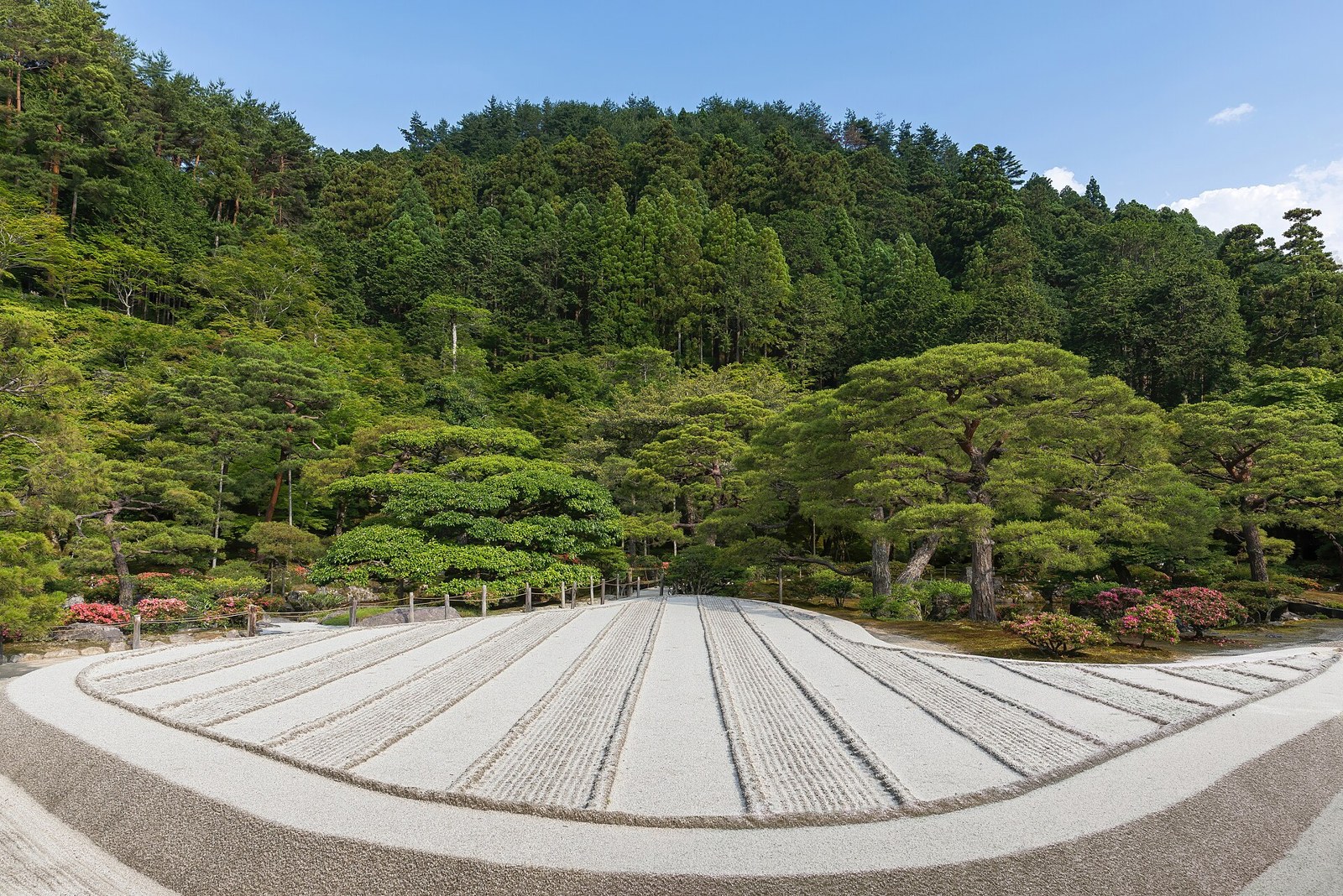
An attentive approach to Kyoto gardens, with time for framing, seasonal change and the rules that protect quiet spaces.


