SOUNDLisbon, Portugal
Listening to Lisbon: an evening of fado
Choose a performance for the listening experience, understand the practical arrangements, and give the musicians your attention.
9 min readRead story
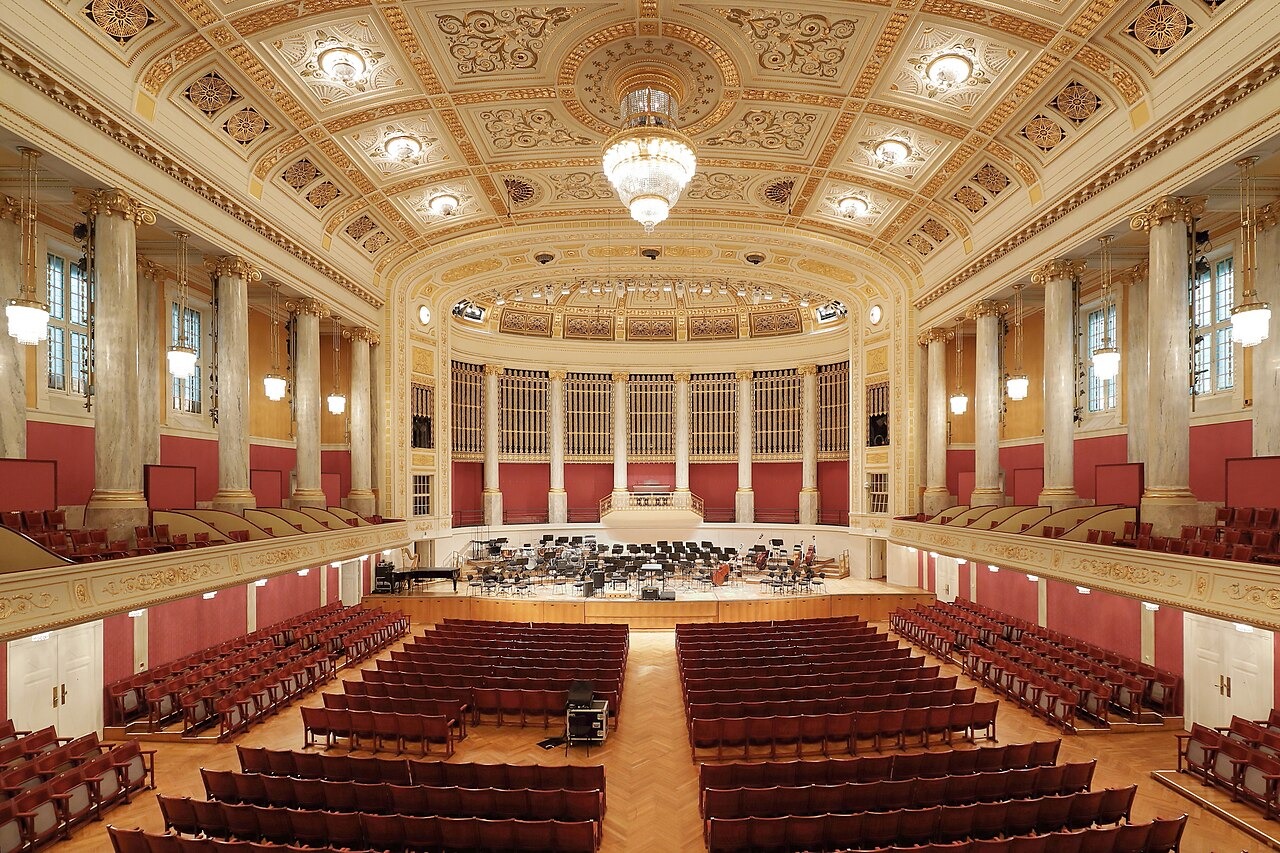
Vienna becomes a more interesting music destination when you choose an evening by its programme rather than by the promise of a famous city. At the Wiener Konzerthaus, a large orchestral concert and a smaller recital offer different ways into that experience. The photographs here show its Great Hall, the stage of that hall and the Berio Hall, not the Musikverein. Start with those distinct rooms, then listen for the decisions made by living performers. A little preparation, an appropriate seat and an unhurried arrival matter more than recognising every composer on the page.
By Journey Into Wellbeing editorial team
Published: November 11, 2026
Updated: November 11, 2026
8 min read
Choose dates around confirmed programmes. Autumn through spring offers a useful starting point for searching the main concert calendars; summer programming differs, so check the actual venue and performers before arranging travel.
The Konzerthaus is at Lothringerstrasse 20 near the Ringstrasse. Use Vienna's public transport journey planner for your starting point, then allow time for the final walk, ticket collection and finding the correct hall.
A concert listing is more useful than a generic promise of an authentic Viennese evening. Read the works, performers, hall and duration together. A symphony programme asks for a different kind of attention from a string quartet or a song recital. If you are new to classical concerts, choose one work that interests you and let the rest of the programme be a discovery. There is no requirement to begin with the longest or most celebrated composition available.
Vienna's official tourism guide presents the Konzerthaus as a venue whose range extends beyond the classical repertoire to early music, jazz and contemporary work. That breadth is a reason to inspect the individual event, not to assume every night has the same character. Compare the programme with your energy after travelling. An evening you can attend attentively is a better introduction than an ambitious booking squeezed between a late arrival and an early train.
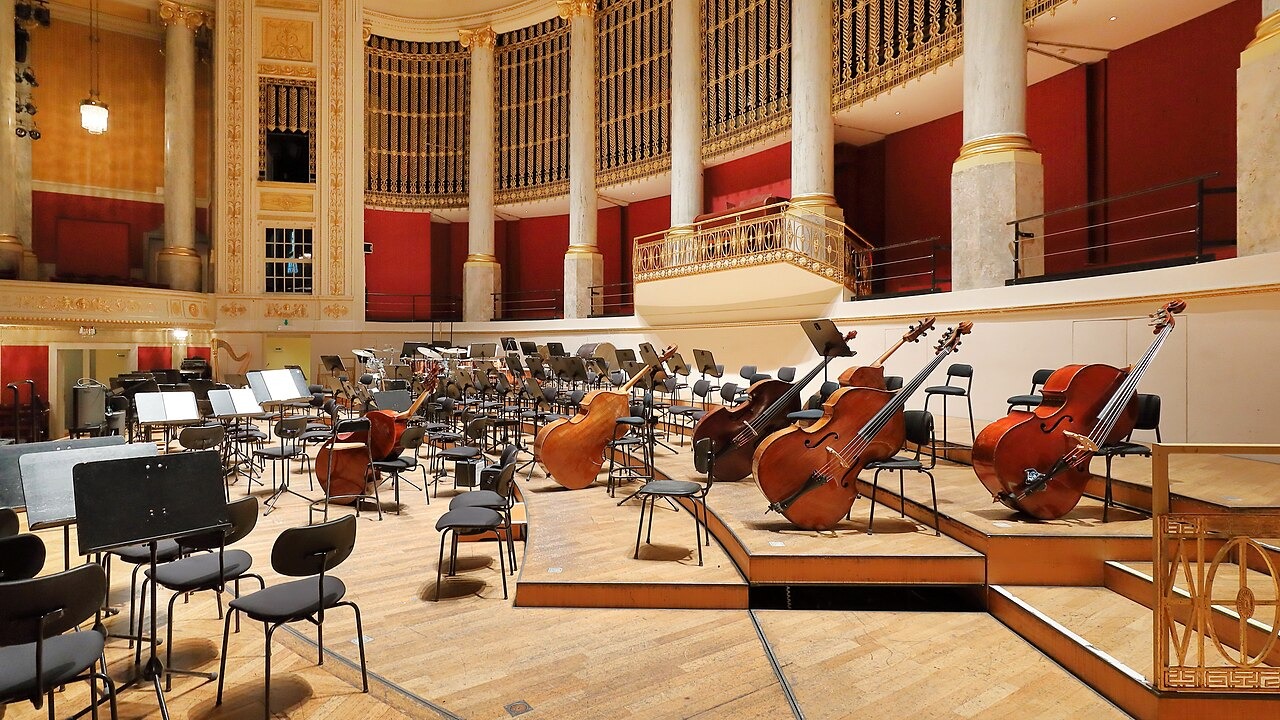
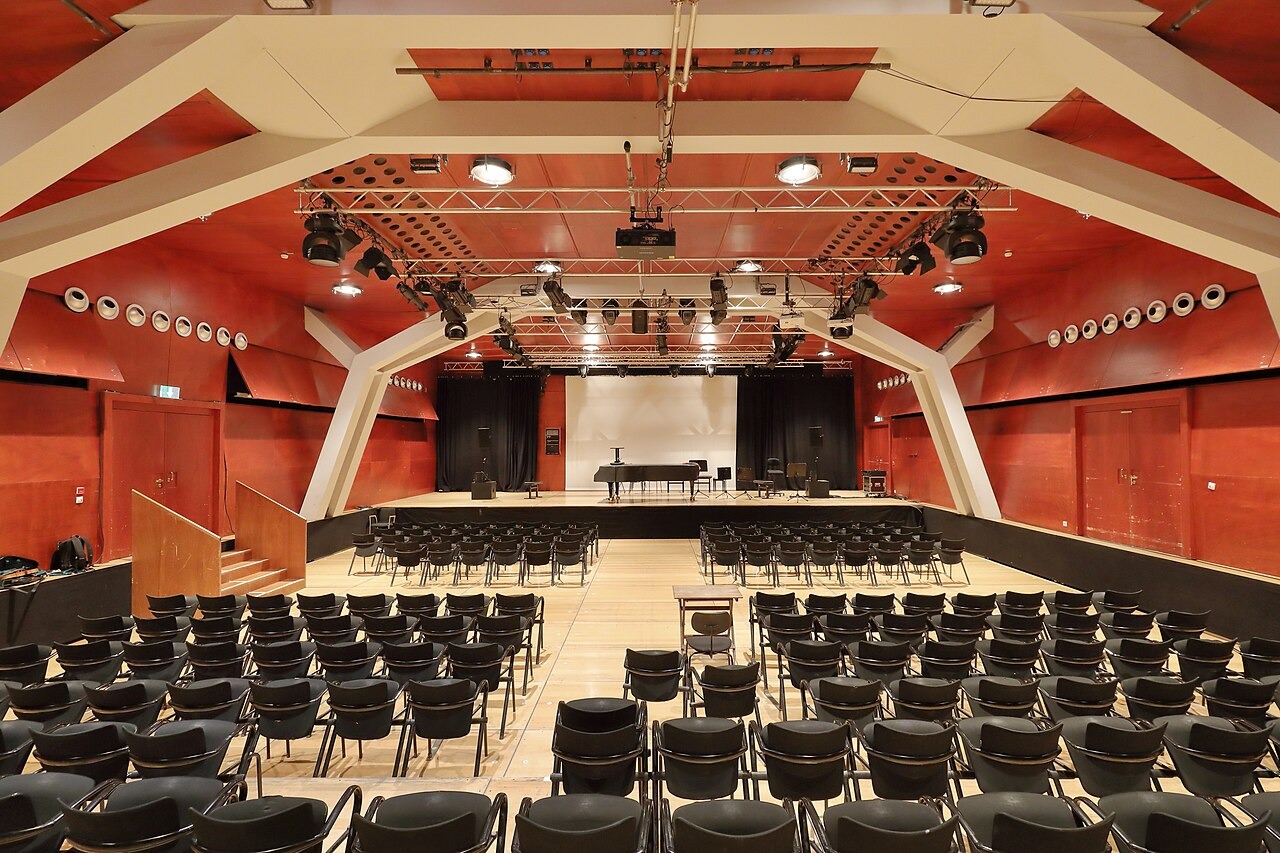
All three accompanying photographs belong to the Wiener Konzerthaus. Two show the Great Hall, including a view towards its stage; the third shows the Berio Hall. They should not be used as interchangeable pictures of Vienna's concert buildings. Checking the room on your ticket is part of choosing the experience, just as checking the ensemble is. A venue name alone cannot tell you the scale of the performance or where you will sit.
Use the Great Hall photographs to consider the relationship between stage and audience rather than to predict precisely how your seat will sound. At an orchestral concert, watch how a phrase passes between instrumental groups. Notice when an accompanying line becomes the centre of attention, or when a quiet entrance changes the balance. These are practical listening tasks even if you cannot name every instrument. Choose a seat category with a clear description of any viewing restrictions.
The Berio Hall photograph introduces a different room within the same institution. Let the listed repertoire, not the photograph alone, tell you what kind of event will happen there. A smaller scale can make individual musical gestures easier to follow, but it does not guarantee a familiar or undemanding programme. Read whether the event includes contemporary work, spoken introductions or other elements, and approach it on its own terms rather than as a reduced version of a symphony concert.
Before departure, read the venue's programme note if one is available and listen to a short passage from one scheduled work. You need not rehearse the whole evening through recordings. Knowing whether a piece is a single span or several movements helps you follow its shape without checking the programme constantly. For a vocal work, an outline of the text or story can be more useful than a long biography of the composer.
During the performance, choose one thread to follow: a returning melody, the contrast between soloist and ensemble, or the way a rhythm changes weight. If your attention wanders, return to the sound rather than worrying about having missed an explanation. Live listening includes imperfect concentration. A familiar recording is not a template against which the players must be judged; differences in pace, balance and phrasing are part of the reason to hear musicians together in a room.
The Musikverein is another major Vienna concert institution, and its Golden Hall is not the Great Hall pictured here. Vienna's tourism office describes it separately, with its own performers, rooms and event listings. If your ambition is to hear a particular orchestra there, look for that orchestra in the official programme. A concert taking place in a famous building does not by itself establish who is performing or what repertoire will be played.
Comparing the two institutions can make a second evening rewarding, but there is no need to collect venues simply to complete a list. You might prefer a chamber programme at one house to an orchestral programme at the other. Keep addresses and booking confirmations separate, especially when ordering on a small screen. If you choose an architectural tour as well, remember that daytime access and a concert ticket are different products with different permissions.
Read the current event instructions for admission, ticket collection, cloakrooms and late arrival. Arriving with a margin allows you to locate the hall, use the facilities and settle without interrupting other listeners. Avoid scheduling dinner so tightly that service delays become a race to the entrance. If you arrive late, follow staff directions rather than trying to reach your seat during a quiet passage. Admission arrangements can depend on the programme.
For step-free access, contact the venue before selecting a seat. Ask about the route from the entrance to the relevant hall, accessible toilets, companion seating and any lift involved. A building being accessible does not mean every seat has the same approach. Visitors who use hearing support should ask what equipment is offered for their particular event. Plan the return journey too, particularly if the advertised finish is approximate or the concert includes an interval.
Compare official seat categories and the complete booking cost before buying. A less expensive position may involve a restricted view or a different relationship to the stage; read the description instead of assuming that every reduction is a bargain. Check whether concessions apply to you and whether proof is required. Do not budget around a standing place, last minute offer or discount unless the venue confirms that option for your chosen performance.
Concert spending also includes transport, food and sometimes programme or cloakroom costs. Those small decisions can be handled without turning the evening into a luxury package. Eat earlier nearby or keep the pre-concert meal simple, and reserve enough time to enjoy it. If comparing resellers, establish the actual venue, hall, performers, seat and cancellation conditions. A direct institutional listing provides a firmer basis than a promotional description built around costumes, famous names or an unspecified Viennese atmosphere.
Silence your phone fully and follow the event's rules on photography and recording. A bright screen can disturb people even when it makes no sound. If you are unsure about applause between movements, wait briefly and take cues from the performers and the room; uncertainty need not become embarrassment. Dress comfortably and check whether your particular event has stated requirements rather than assuming that all classical concerts demand formal evening wear.
Afterwards, keep a few notes about what you actually heard. Perhaps a quiet passage held your attention more strongly than a loud conclusion, or a solo instrument changed your sense of a familiar theme. Such observations make a more useful souvenir than a claim that the city possesses one fixed sound. Vienna's musical history provides context, but the evening belongs to a particular programme, a particular room and musicians making choices in real time.
No. They show the Great Hall, its stage and the Berio Hall at the Wiener Konzerthaus. The Musikverein is a separate institution. Check the hall as well as the building on your booking confirmation, especially if you are comparing several concerts on nearby dates.
No specialist vocabulary is necessary. Read a short description of the programme and follow one musical feature, such as a returning melody or a change in instrumental colour. For a long vocal work, learning the outline beforehand can help more than trying to recognise everything during the performance.
Do not assume so. Search the official calendars for your exact dates and confirm the ensemble and room. If a particular programme matters to your trip, secure it before committing to travel rather than relying on Vienna's general reputation for abundant music.
Compare official seat categories, check eligible concessions and include transport and any additional charges in your plan. Ask about sightline restrictions before choosing the cheapest seat. One thoughtfully selected concert can be more satisfying than several packages whose performers and programmes are unclear.
Verify opening arrangements, transport, access rules and safety information with official sources. We omit numerical budget ranges where reliable current figures have not been verified.
Keep exploring
Choose a performance for the listening experience, understand the practical arrangements, and give the musicians your attention.

Listen to Iceland through its waterfalls, with a route that puts weather, safe viewpoints and unhurried attention before distance.
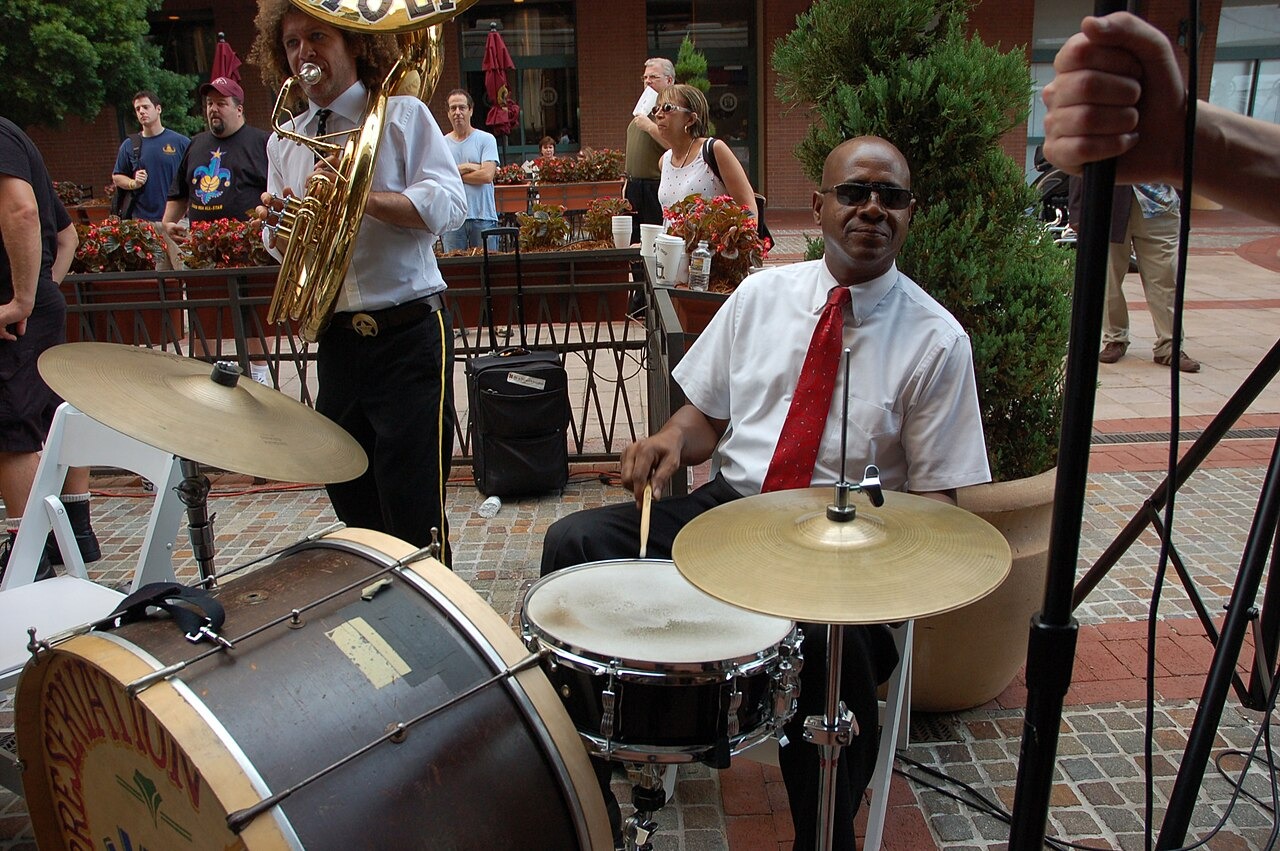
A trumpet phrase rises above the room, the clarinet answers, and the rhythm section keeps a conversation moving underneath. In New Orleans, live jazz rewards this kind of close attention. The city offers famous rooms, neighborhood stages and street encounters, but the richest visit is not a race between them. Choose somewhere to sit, learn who is playing and give the musicians your evening. From the French Quarter to the clubs around Frenchmen Street, the practical choices matter: a quiet seat, a sensible journey home and enough room in the budget to support the people making the music.


