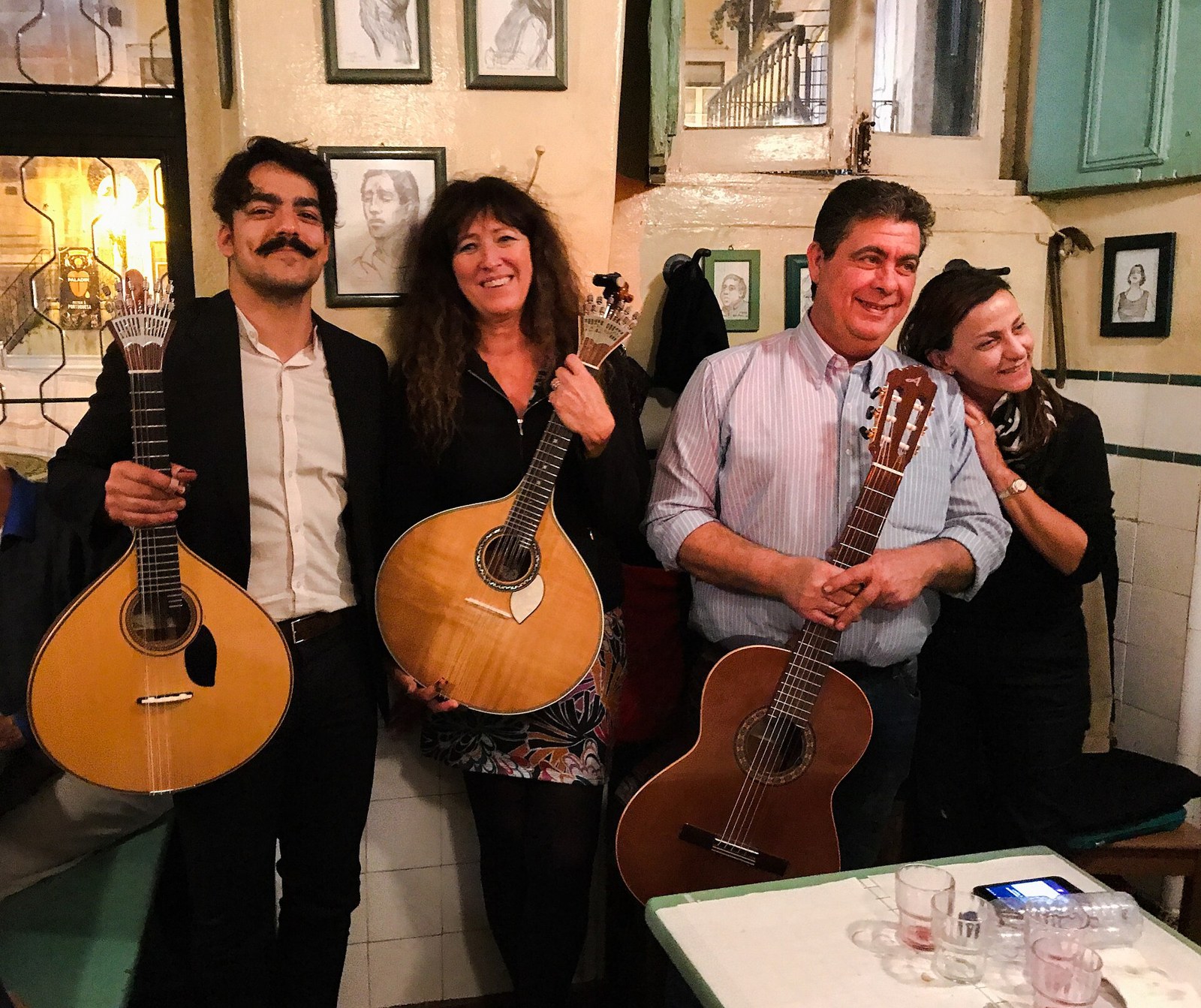
SOUNDLisbon, Portugal
Listening to Lisbon: an evening of fado
Choose a performance for the listening experience, understand the practical arrangements, and give the musicians your attention.
9 min readRead story
The travel collection
Listen beyond the everyday. From traditional music to the quiet rhythm of the natural world.
Choose a performance for the listening experience, understand the practical arrangements, and give the musicians your attention.

Listen to Iceland through its waterfalls, with a route that puts weather, safe viewpoints and unhurried attention before distance.
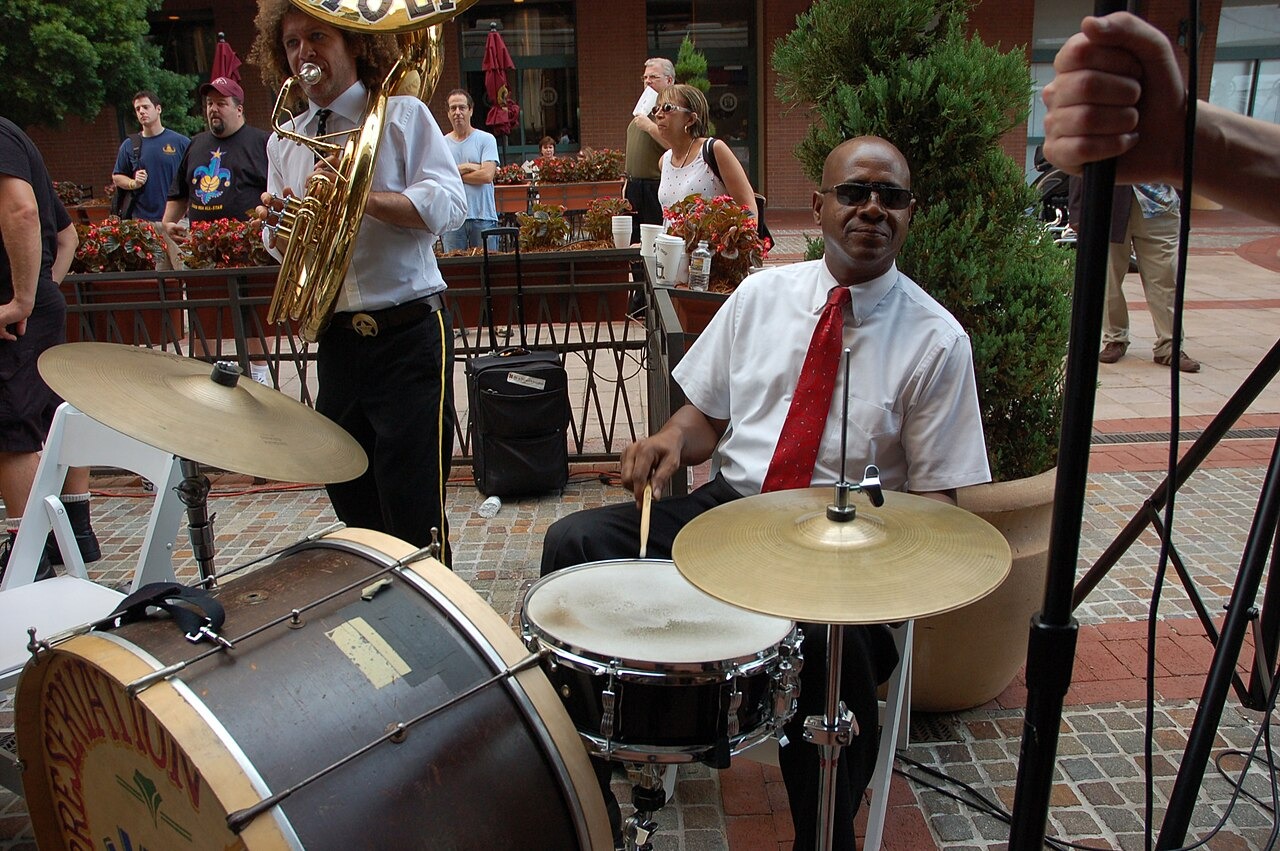
A trumpet phrase rises above the room, the clarinet answers, and the rhythm section keeps a conversation moving underneath. In New Orleans, live jazz rewards this kind of close attention. The city offers famous rooms, neighborhood stages and street encounters, but the richest visit is not a race between them. Choose somewhere to sit, learn who is playing and give the musicians your evening. From the French Quarter to the clubs around Frenchmen Street, the practical choices matter: a quiet seat, a sensible journey home and enough room in the budget to support the people making the music.
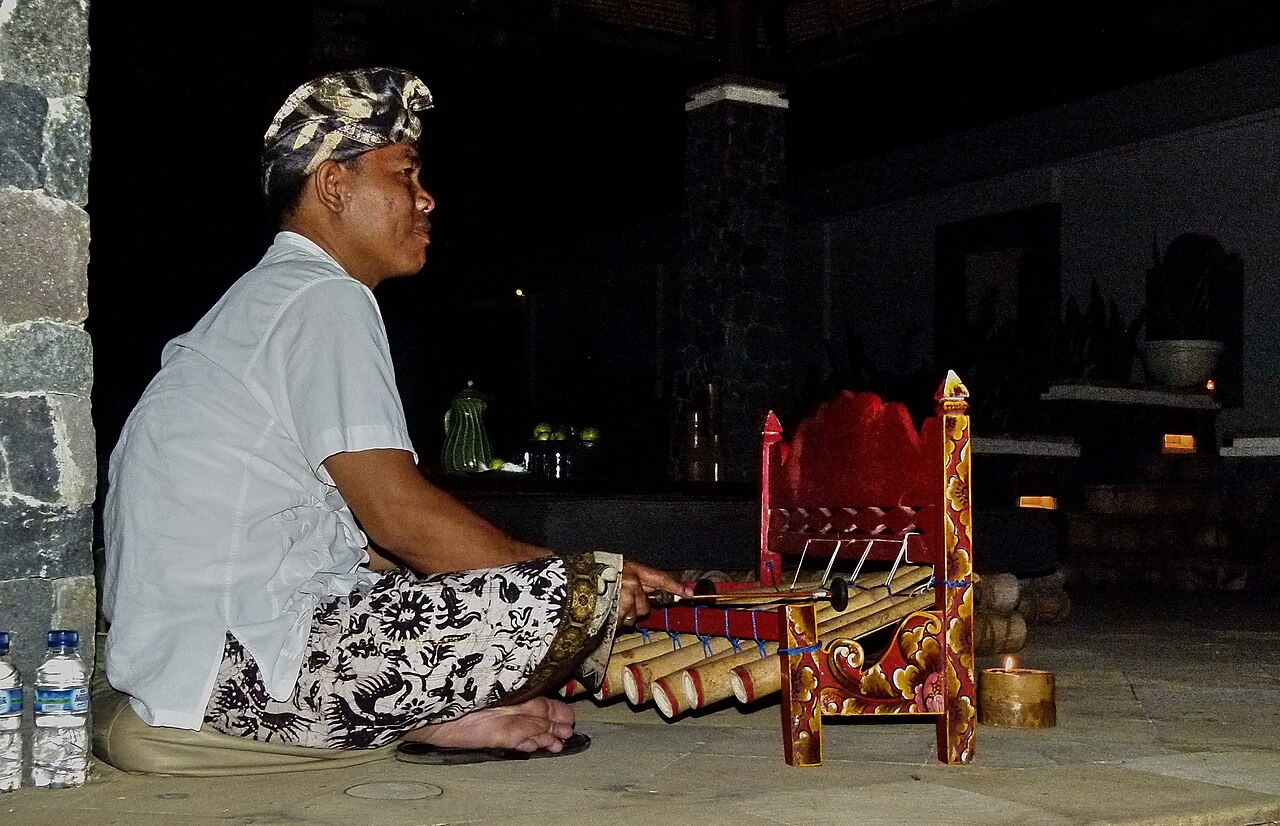
A bright metallic pattern gathers speed, a drum signals a turn, and the whole ensemble seems to change direction at once. Listening to gamelan in Bali is an invitation to notice collective precision rather than hunt for a single star. The music can accompany dance, frame a ceremony or fill a public performance space, and those settings carry different expectations. A thoughtful visit begins by asking what kind of event you are attending. Then comes the pleasure of hearing interlocking parts, resonant gongs and dramatic silences, while respecting the community whose cultural life gives the sound its meaning.
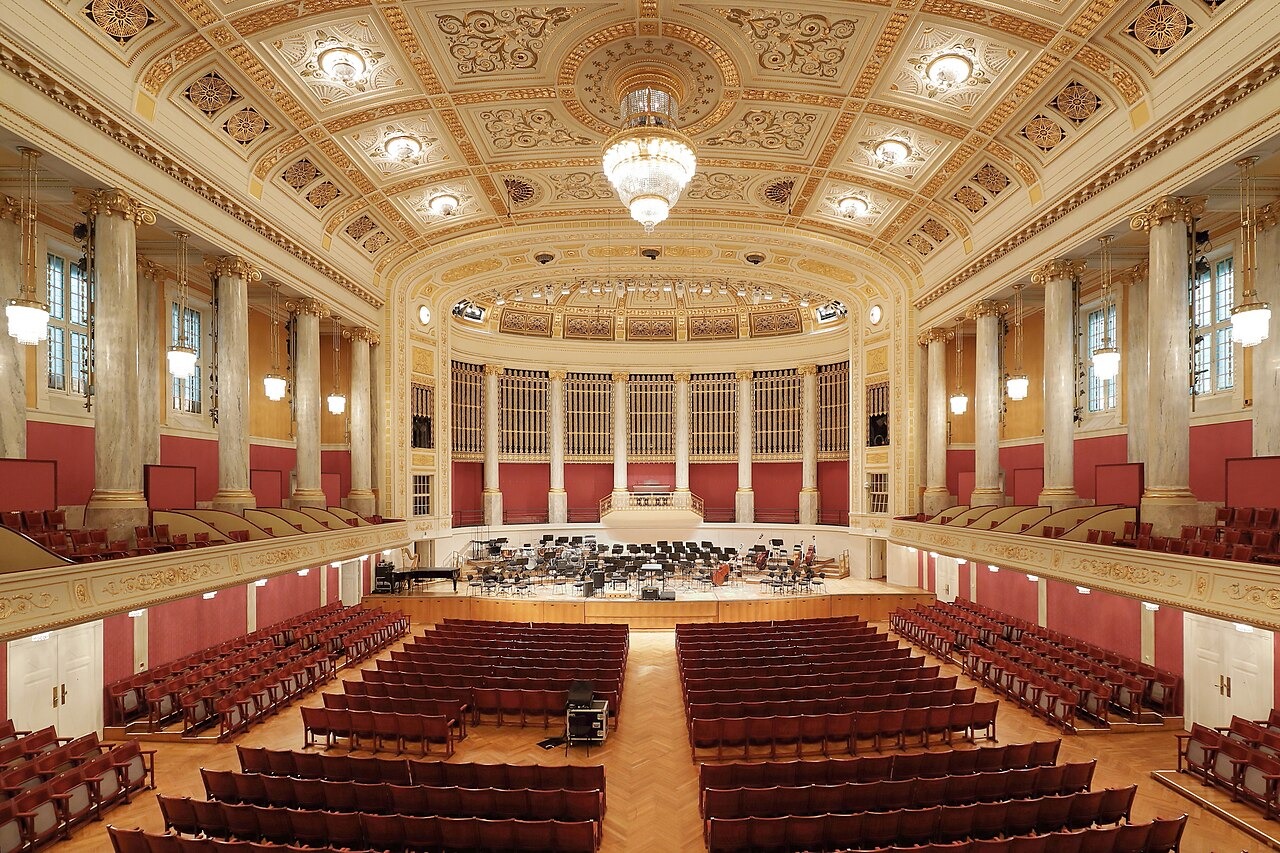
Vienna becomes a more interesting music destination when you choose an evening by its programme rather than by the promise of a famous city. At the Wiener Konzerthaus, a large orchestral concert and a smaller recital offer different ways into that experience. The photographs here show its Great Hall, the stage of that hall and the Berio Hall, not the Musikverein. Start with those distinct rooms, then listen for the decisions made by living performers. A little preparation, an appropriate seat and an unhurried arrival matter more than recognising every composer on the page.

A visit to Seoul's National Gugak Center is an invitation to hear Korean traditional music as a living practice rather than a single historical sound. Start with a programme that explains what it contains, then give its pacing and instrumental colours time to become intelligible. The accompanying photographs document Jongmyojeryeak on stage at the centre, not a ceremony taking place at Jongmyo Shrine. Understanding that distinction opens a richer visit: court and ritual traditions belong within a wider musical landscape, and a staged presentation offers a different encounter from a rite in its ceremonial setting.


