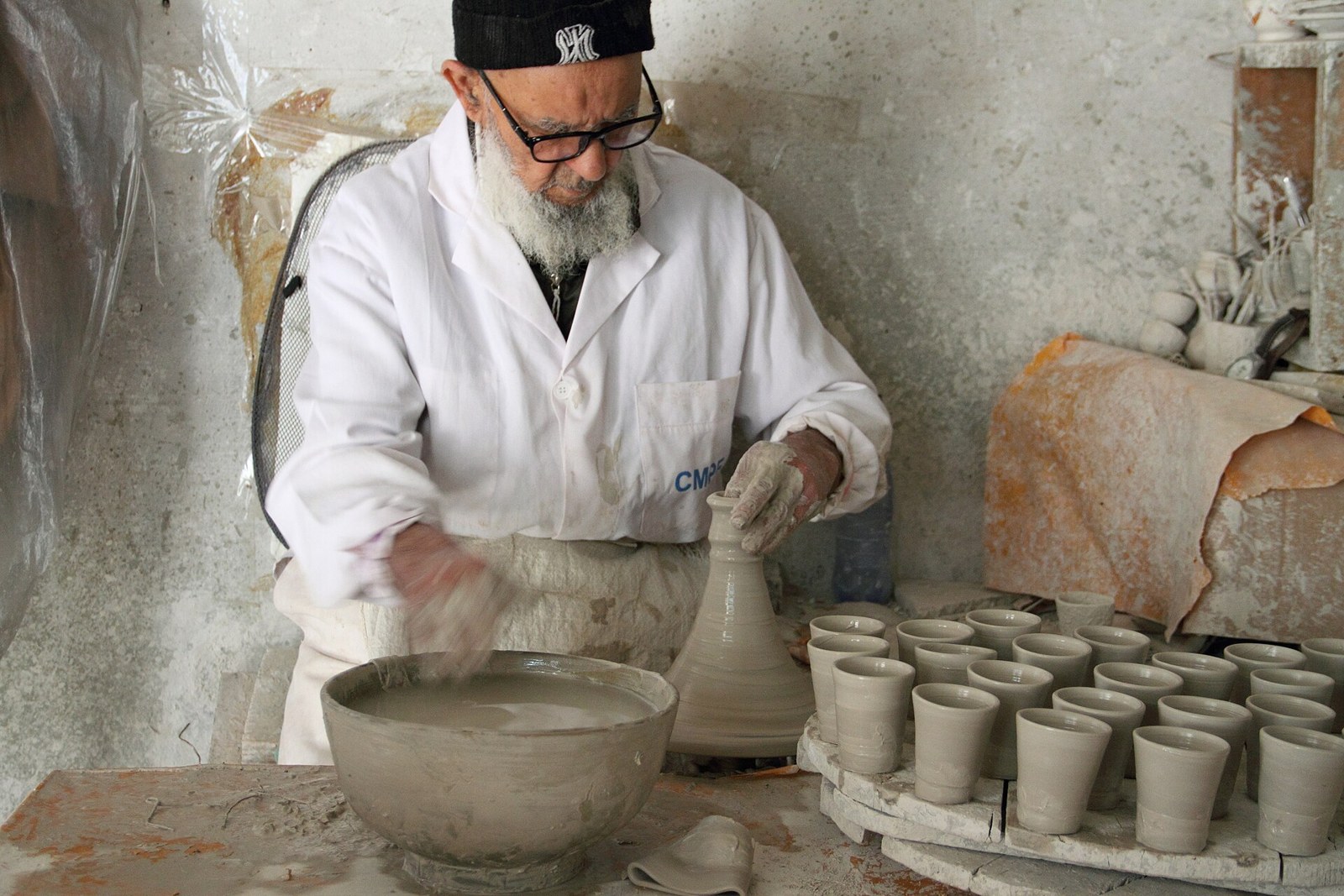
TOUCHFez, Morocco
Made by hand: the craft traditions of Fez
Meet the materials and working skills of Fez through careful observation, permission-based handling and thoughtful purchases.
8 min readRead story
The travel collection
Connect with a place through its craft, local rituals and experiences made by hand.
Meet the materials and working skills of Fez through careful observation, permission-based handling and thoughtful purchases.
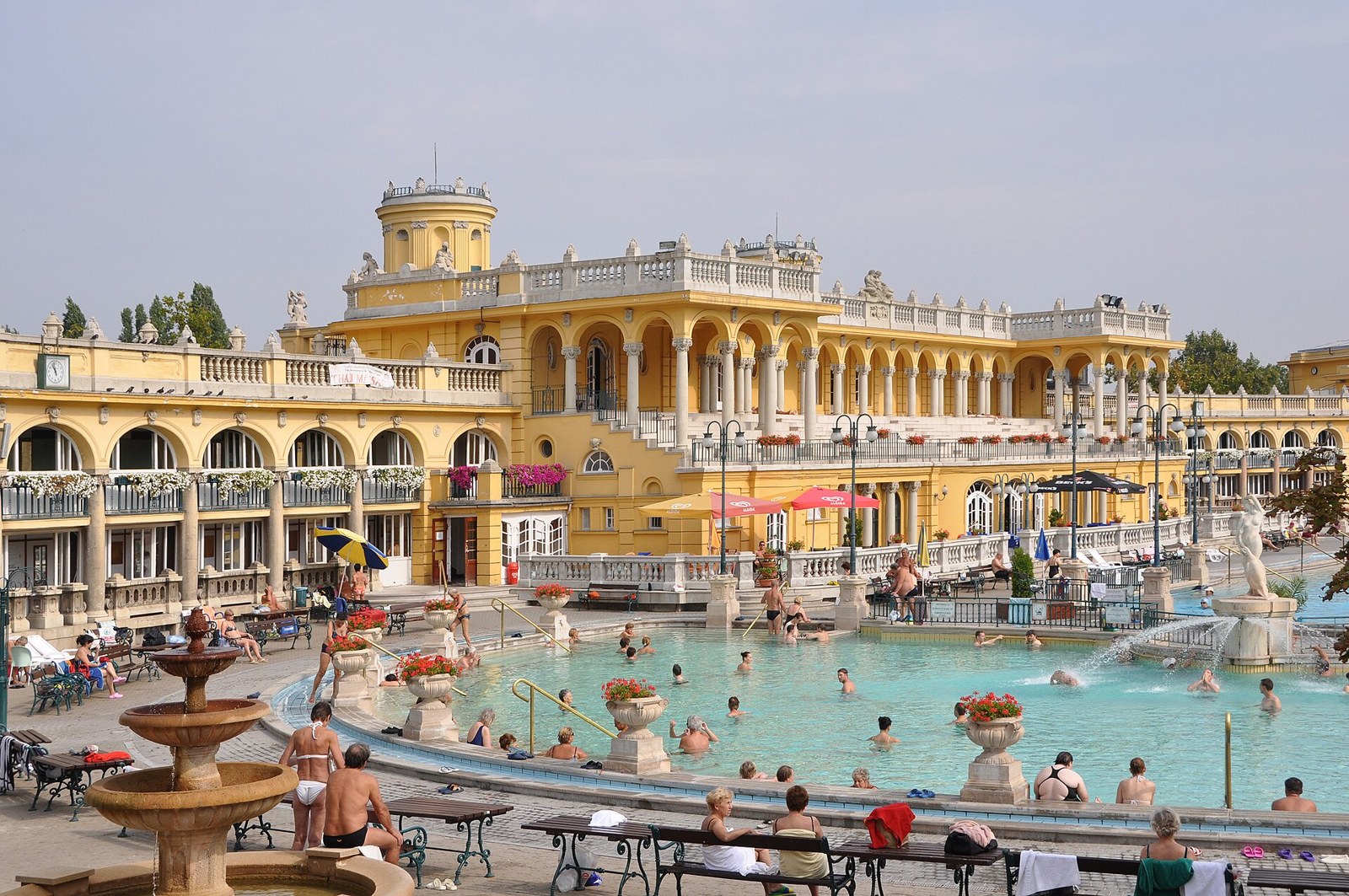
Approach Budapest bathing as a deliberate sequence of arrival, washing, warmth and rest, with venue rules and personal limits at the center.

In Mashiko, the most revealing ceramic encounter begins before a bowl reaches the shop shelf. Damp clay resists a thumb, a rim changes under a fingertip, and a familiar household shape becomes surprisingly difficult to make. This pottery town in Tochigi offers a way into Japanese mingei through practical objects and the people who produce them. Combine a confirmed beginner session with museum time and unhurried walking, rather than treating the town as a place to collect a finished souvenir. The reward is a clearer understanding of how material, repetition and firing turn an everyday vessel into something worth noticing.
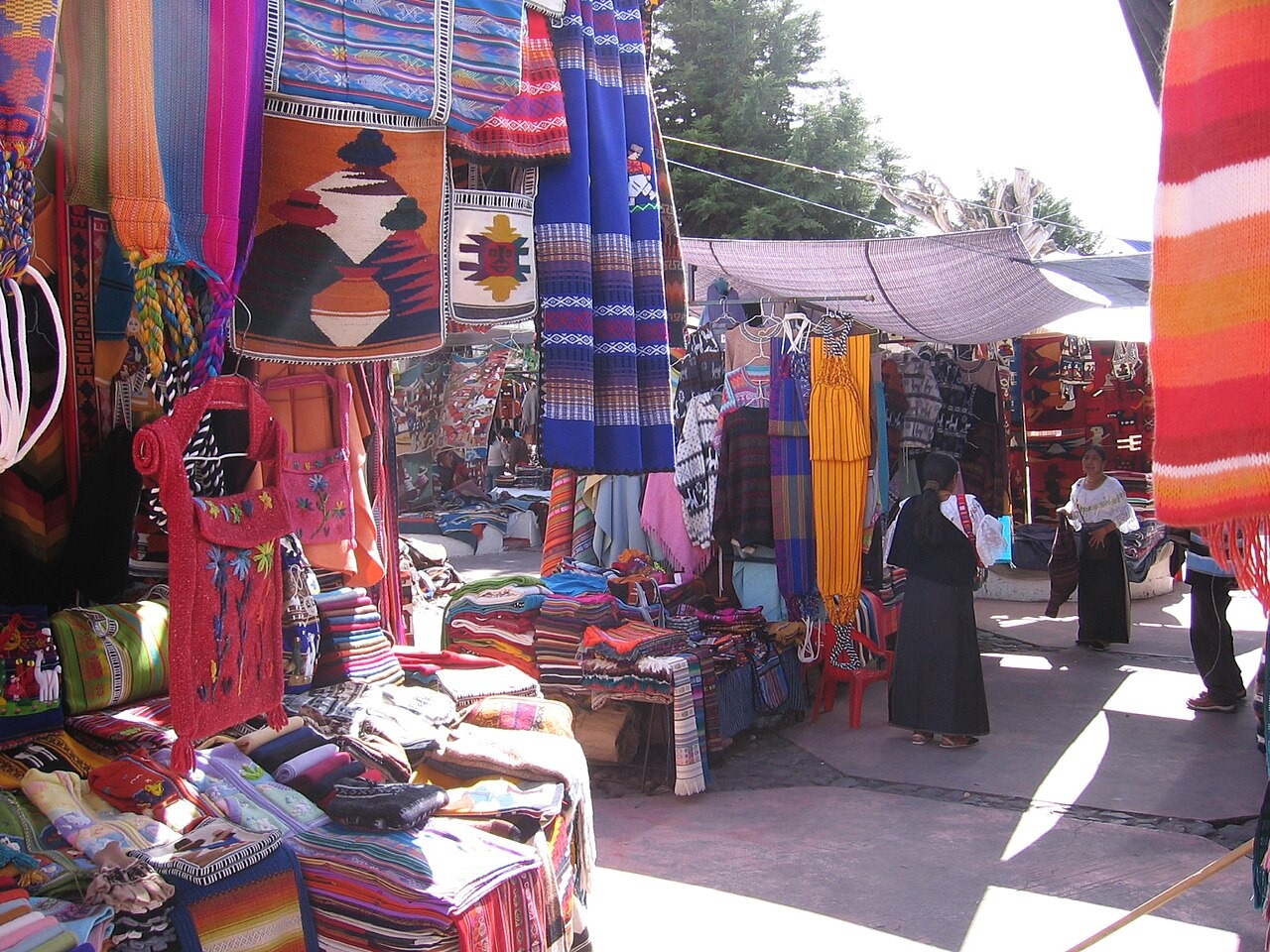
Otavalo’s textile story does not end at a market stall. In nearby Peguche, weaving belongs to working households, changing livelihoods and knowledge carried between generations. A thoughtful touch-focused visit begins with an invitation, not a hand reaching toward someone else’s loom. Arrange time with a maker who wants to teach, ask what participation actually includes, and pay for that expertise separately from any shopping. Yarn, tension and repeated movement can then reveal something that a quick purchase cannot: how much attention sits inside a length of cloth, and why the person making it should decide how the encounter unfolds.
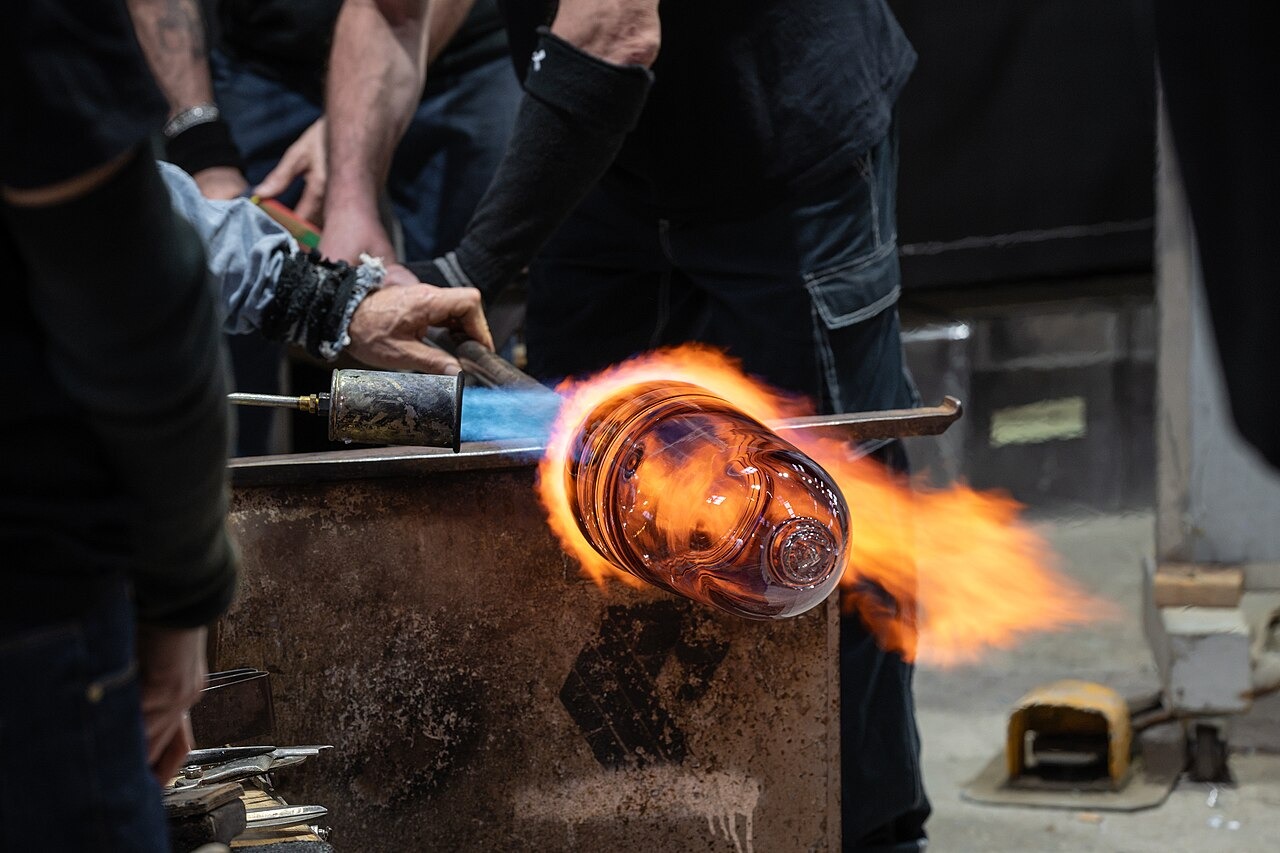
Murano rewards a visitor who looks beyond the sparkle of a shop window. In this Venetian lagoon community, glass connects the furnace, the workbench and the museum case. A convincing visit brings those settings together without confusing observation with permission to participate. Watch a maker control a changing form, compare the result with historic examples, then ask careful questions about the object you might take home. Touch belongs to supervised activities and finished objects offered for handling, never to hot glass or a working tool.
Photo: Julian Herzog (Website) / Wikimedia Commons / CC BY 4.0
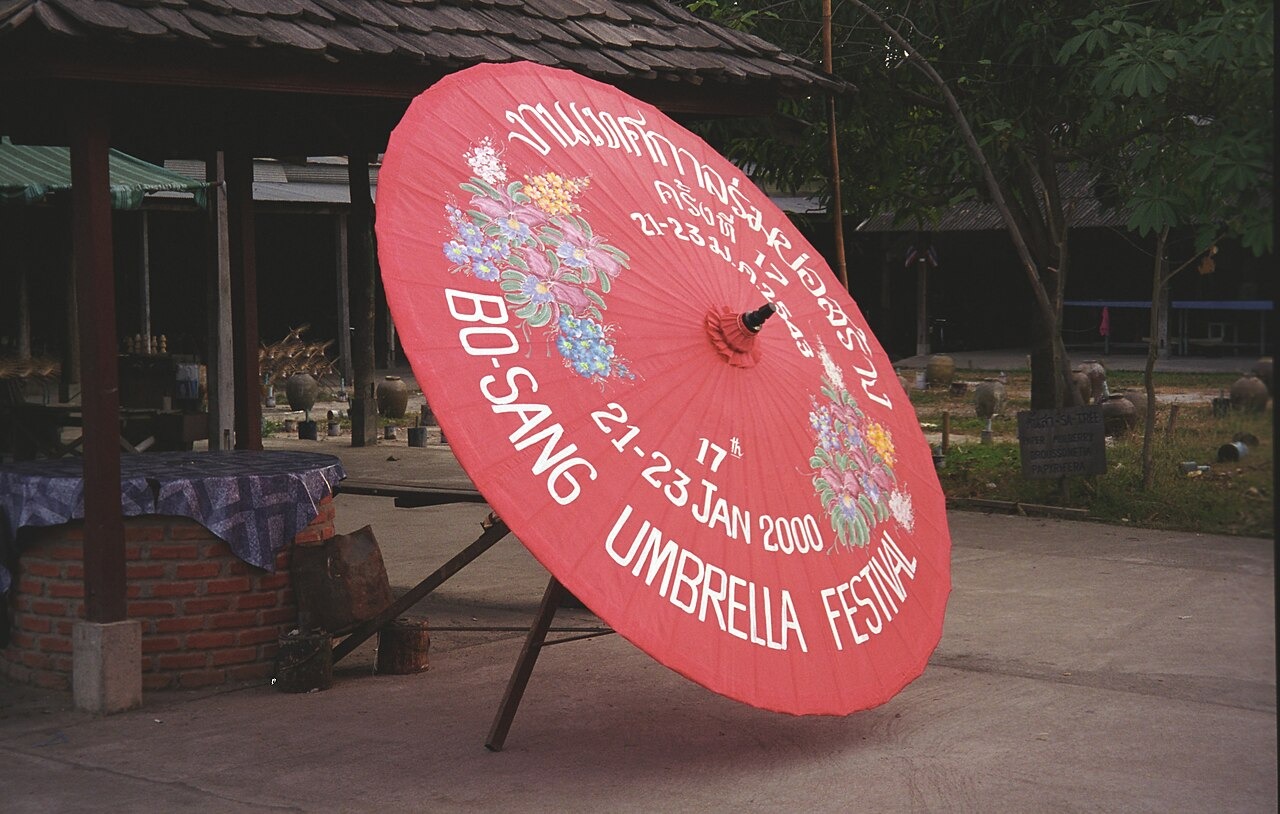
An open umbrella catches the eye, but in Bo Sang the folded framework deserves just as much attention. Near Chiang Mai, this umbrella-making community brings together bamboo preparation, frame assembly, paper covering and painted decoration. The pleasure of a visit is following those connected jobs rather than treating the finished canopy as a colourful backdrop. Go to watch people work, ask before handling anything and leave room for conversation when the maker is free. Any visitor painting activity needs its own confirmation, not an assumption that every workshop offers lessons.


