SOUNDLisbon, Portugal
Listening to Lisbon: an evening of fado
Choose a performance for the listening experience, understand the practical arrangements, and give the musicians your attention.
9 min readRead story
A trumpet phrase rises above the room, the clarinet answers, and the rhythm section keeps a conversation moving underneath. In New Orleans, live jazz rewards this kind of close attention. The city offers famous rooms, neighborhood stages and street encounters, but the richest visit is not a race between them. Choose somewhere to sit, learn who is playing and give the musicians your evening. From the French Quarter to the clubs around Frenchmen Street, the practical choices matter: a quiet seat, a sensible journey home and enough room in the budget to support the people making the music.
By Journey Into Wellbeing editorial team
Published: November 11, 2026
Updated: November 11, 2026
9 min read
Consider spring or autumn for comfortable walking, while checking festival demand. Summer heat, heavy rain and tropical weather can affect plans; winter evenings may be cool.
Fly into Louis Armstrong New Orleans International Airport, then arrange an airport transfer or check current public transport connections. Explore the central music districts on foot where suitable, using RTA services or licensed transport for longer journeys.
New Orleans jazz is a living practice rather than a soundtrack attached to old buildings. Its history is inseparable from Black musicians and communities, and its present belongs to working artists with different repertoires, backgrounds and ambitions. A traditional ensemble, a brass band and an electric group may all make compelling listening, but they will not give you the same evening. Read the artist listing instead of choosing solely from a photograph of a picturesque doorway.
Begin with a simple listening task. Follow the low pulse for a chorus, then notice how a soloist moves around it. In ensemble passages, listen for different lines sounding together rather than expecting everyone to play the same melody. Familiarity with musical terminology is unnecessary. Curiosity and sustained attention are enough. If a tune catches you, remember its title or ask about it afterward when the musicians are free. That question can lead to a recording, another artist or a second evening with a clearer sense of what you enjoy.
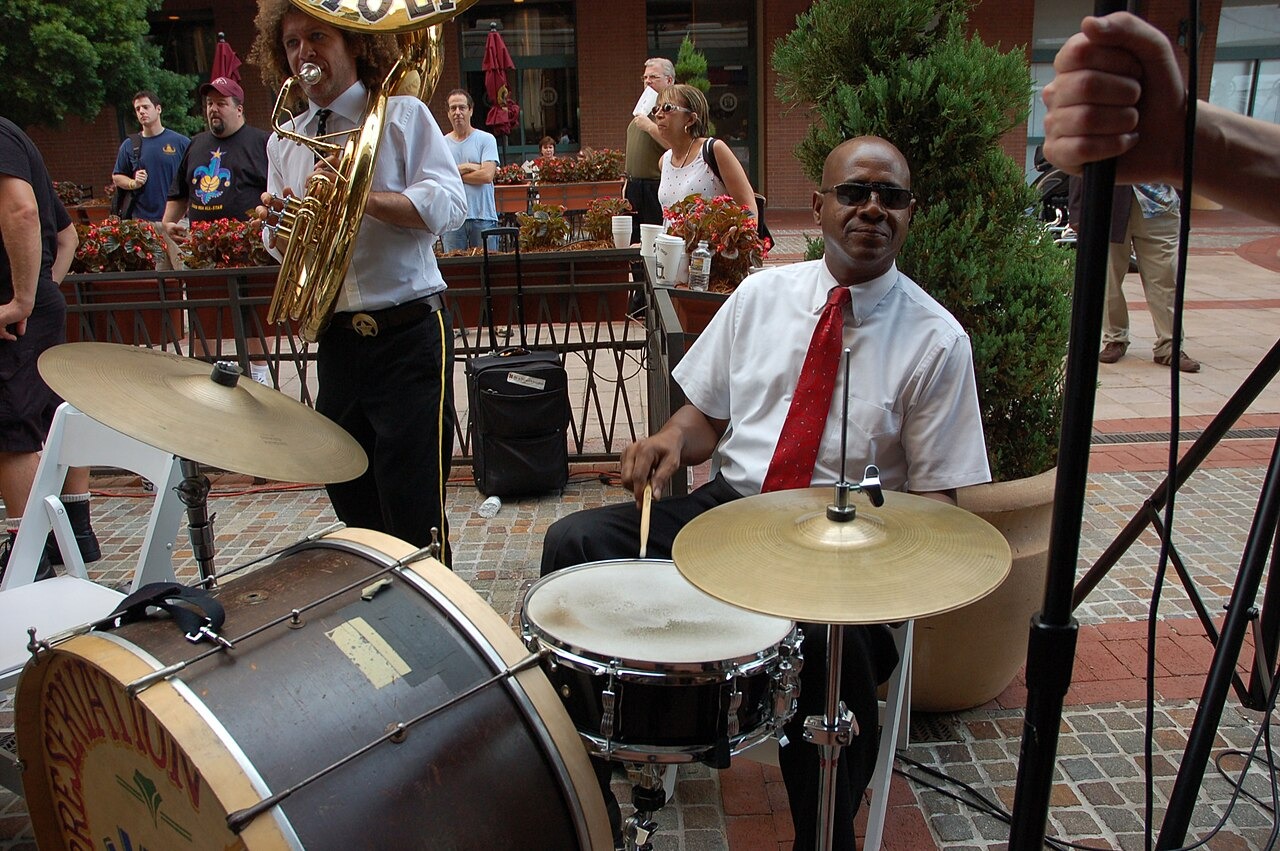
Preservation Hall, at 726 Saint Peter Street in the French Quarter, is a useful anchor for visitors interested in traditional New Orleans jazz. The institution dates its work to 1961, but the experience should not be treated as a museum demonstration. Check the named performers and the official event listing before choosing a date. Artist schedules and performance details can change, so a mention in an old itinerary is not a reservation.
Use the hall's own booking channel and read the conditions before paying. Its published guidance asks visitors to purchase tickets online in advance and notes restrictions on refunds and transfers. Decide whether the available seating arrangement works for everyone in your party rather than assuming a ticket guarantees your preferred spot. Leave time to arrive without rushing through the Quarter. A relaxed arrival makes it easier to settle into the first tune, and avoids turning a carefully chosen performance into another logistical checkpoint between dinner and a late night out.
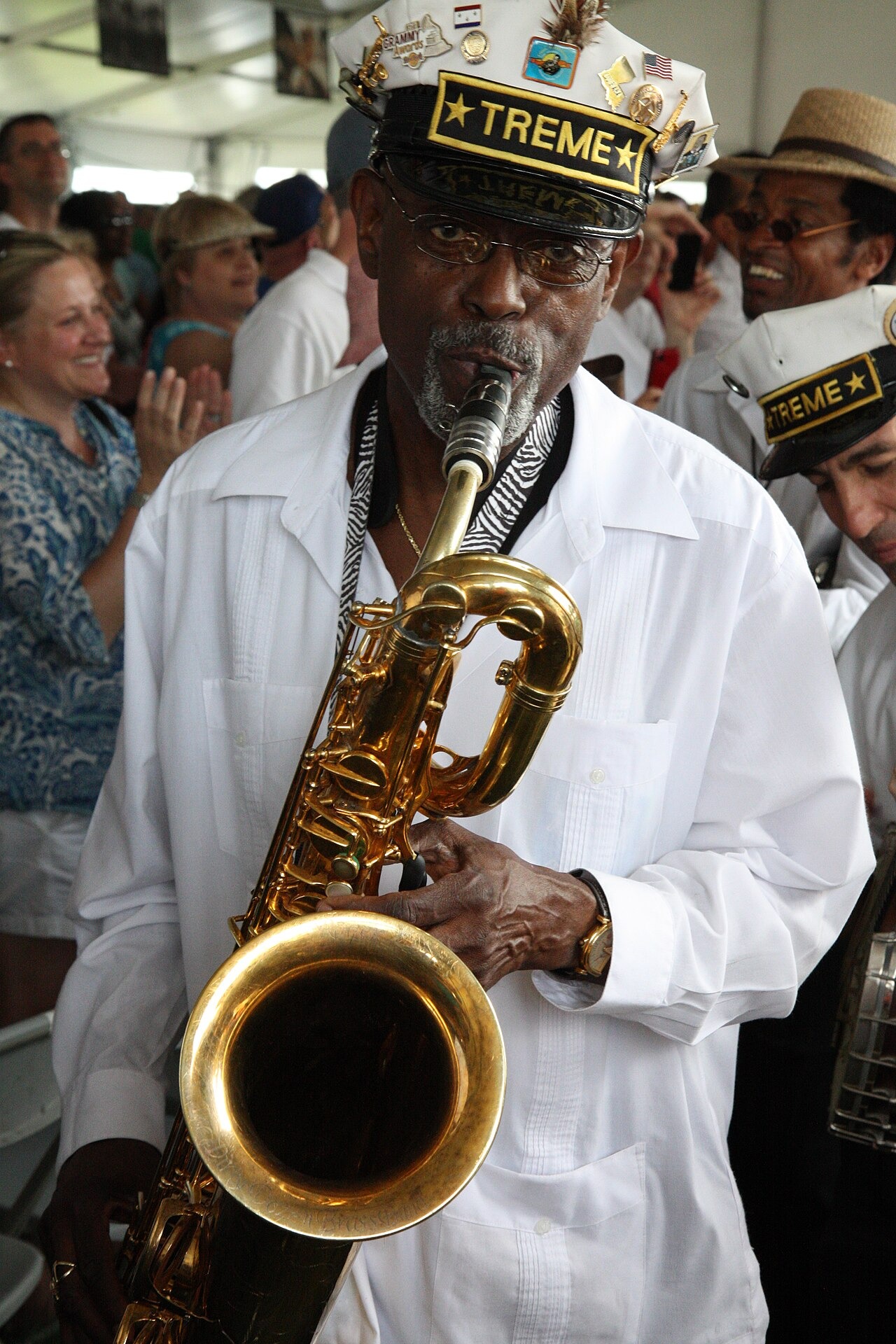
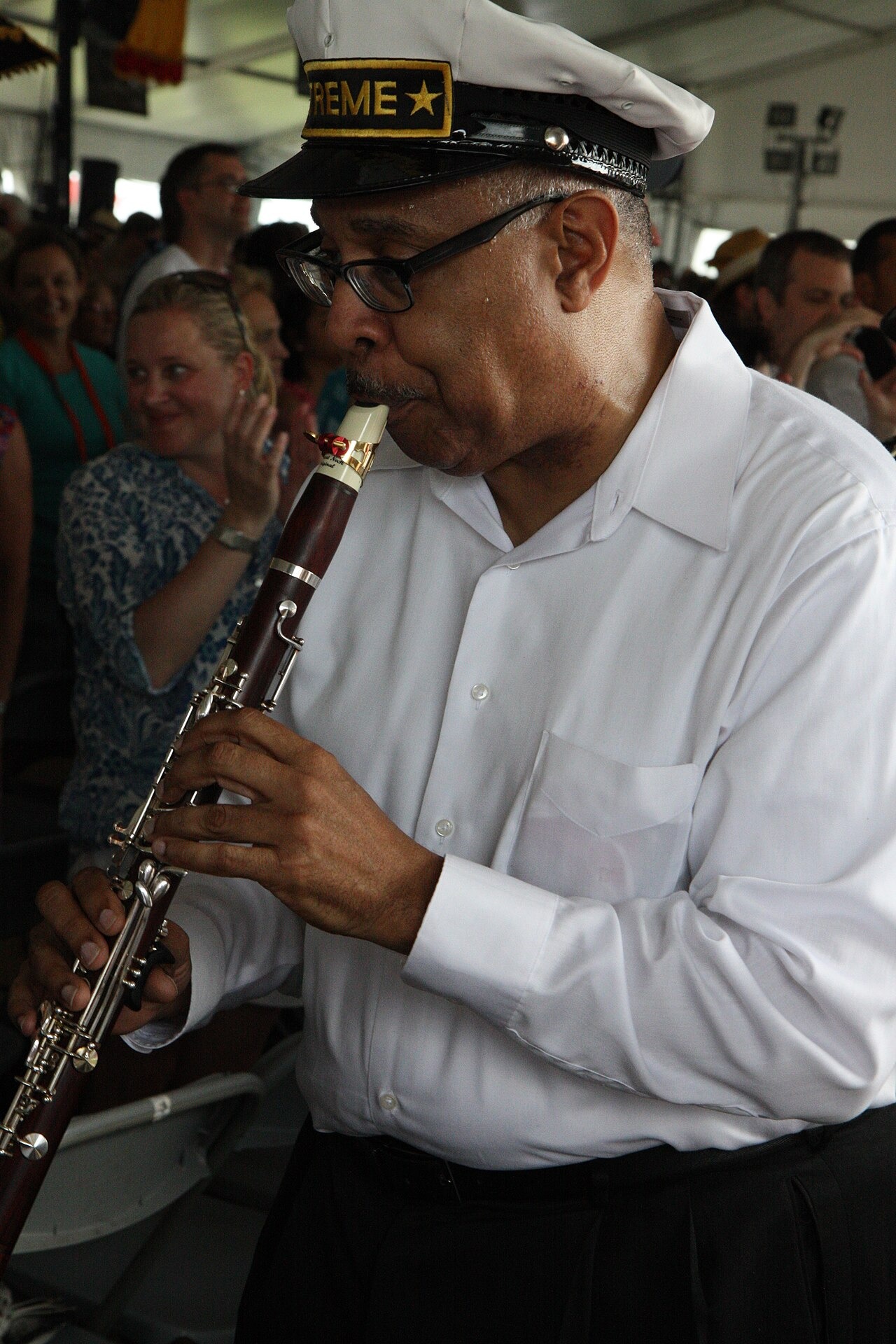
Try listening through a whole passage without deciding which instrument is the star. A melodic line may pass from trumpet to clarinet while trombone supplies a contrasting shape below. Bass and percussion do more than mark time: their accents help determine whether the music feels buoyant, relaxed or urgent. Not every band uses the same instruments, so treat this as a prompt rather than a required checklist. Hearing relationships is often more revealing than identifying every tune.
The cluster of music venues around Frenchmen Street provides a different way to organize an evening. Instead of promising yourself a particular sound behind every door, inspect current listings and choose one performance that fits your interests. A club may present different styles on different nights. Door policies, age restrictions, cover charges and minimum purchases also vary, even between neighboring establishments. Ask before committing, especially when traveling with younger listeners.
A little flexibility is useful, but constant venue hopping can reduce music to a succession of introductions. Hear a substantial stretch of a set before deciding whether to move. If a room is full, do not hold up its doorway while debating your next stop. Step aside and make another plan. Street music can offer an unexpected encounter, but it is not a guaranteed substitute for a booked show. Weather, local circumstances and the musicians' own working decisions all influence what you find. Build the evening around a confirmed performance and regard other discoveries as welcome additions.
Different rooms invite different behavior. A busy bar may accommodate conversation and dancing; a close listening space may require much more restraint. Read the room and follow staff guidance. Keep conversation low during the music, silence notifications and avoid using a bright screen in another listener's sightline. At Preservation Hall, the published policy asks visitors not to photograph, film or make audio recordings during performances. Elsewhere, permission should be checked rather than inferred from somebody else's phone.
Applause after a solo is familiar in many jazz settings, but there is no need to manufacture a response at every pause. Watch how the band shapes an ending and let the room guide you. If dancing is welcome, leave clear routes for staff and seated guests. Requests, when accepted at all, are invitations rather than commands. A musician is not obliged to interrupt a planned set for a visitor's favorite song. Attentiveness, a courteous thank you and appropriate financial support usually communicate appreciation more clearly than a persistent conversation during a break.
Weather changes the texture of a New Orleans music trip. Warm, humid conditions can make a short walk feel longer, while heavy rain can turn a casual transition between venues into an uncomfortable scramble. Carry a light waterproof layer when conditions call for one and protect tickets and your phone from downpours. Spring and autumn can suit walking, but popular periods may also bring crowded accommodation and strong demand for seats. Confirm your anchor performance before arranging an elaborate evening around it.
Festival travel needs its own research. A festival bill is not the same thing as the regular program at a club, and a famous musician's appearance somewhere in the city does not imply a nearby late show. Resist building an itinerary from assumptions about unannounced sets. On an ordinary visit, plan one main listening session a night and allow time for dinner beforehand. Hearing fewer groups with fresh attention can be more rewarding than staying out until every performance blurs. Rest also leaves room to explore the city beyond its nightlife.
The French Quarter and neighboring music areas invite walking, but uneven paving, crowds and heat can complicate an apparently short route. Check the actual entrance location, not merely a map pin. For public transport, consult New Orleans RTA's current routes and service information, including the last practical connection for your evening. A streetcar ride can be enjoyable without being the most convenient way to reach every stage. Keep a licensed taxi or rideshare option available if conditions change.
Discuss access needs directly with each venue. Preservation Hall states that it offers accessible entrances and designated seating, with a mobility ramp available through staff, and asks visitors to contact it ahead about appropriate arrangements. It also describes hearing protection and assistance for differing sensory needs. These provisions should not be assumed at other clubs. Ask about steps, toilets, seating duration and whether a companion can sit beside you. After a performance, use a well-lit route and an established pickup point. Avoid walking into an unfamiliar, quiet stretch merely because an app presents it as the shortest option.
Live acoustic instruments can still be powerful at close range. Carry suitable ear protection and ask the venue about seating away from the strongest sound sources if needed. Do not wait until a performance has begun to negotiate essential arrangements. For children or anyone uncertain about volume, choose a setting whose policies and support are clear, and agree beforehand that stepping out is acceptable. Enjoyment is not measured by how much discomfort somebody tolerates.
A sustainable music budget begins with the people onstage. Set aside money for a ticket or cover, any clearly stated minimum purchase, food, transport and discretionary tips. Ask whether the quoted charge is for admission alone and whether leaving and returning is permitted. A low entry cost can cease to be economical if the room requires purchases you did not plan to make. Equally, an intentional ticketed performance may offer better value than a long evening buying drinks while barely hearing a band.
Choose one priority experience rather than stretching the budget across a checklist of famous names. Where a tip jar is offered, contribute if you can; where recordings or merchandise are sold, buying directly can provide another form of support. Do not assume every venue uses the same payment methods. Preservation Hall's published guidance specifies online reservations and cashless merchandise purchases, so check before arriving with only cash. Keep enough flexibility for the ride home. The most satisfying souvenir may be a musician's name and a recording that lets you continue listening long after the trip ends.
No. Start by following a rhythm, a recurring melody or the exchange between players. Read the artist description beforehand and choose a room where you can listen comfortably. You do not need specialist vocabulary to recognize musical energy or enjoy a surprising phrase.
Some venues welcome children and others operate with bar-related age restrictions. Preservation Hall describes itself as an all-ages venue. Check the specific performance, seating and sound conditions before booking rather than treating one venue policy as a citywide rule.
Reserve the experience you would be disappointed to miss, particularly in a small room or busy travel period. Keep other evenings flexible. Use official venue listings and confirm entry requirements; a third-party calendar can remain visible after details change.
It can be memorable, but it is unpredictable and offers different listening conditions from a dedicated performance. Support musicians when appropriate and avoid blocking access. A confirmed indoor show gives your trip a reliable anchor without preventing spontaneous discoveries.
Verify opening arrangements, transport, access rules and safety information with official sources. We omit numerical budget ranges where reliable current figures have not been verified.
Keep exploring
Choose a performance for the listening experience, understand the practical arrangements, and give the musicians your attention.

Listen to Iceland through its waterfalls, with a route that puts weather, safe viewpoints and unhurried attention before distance.
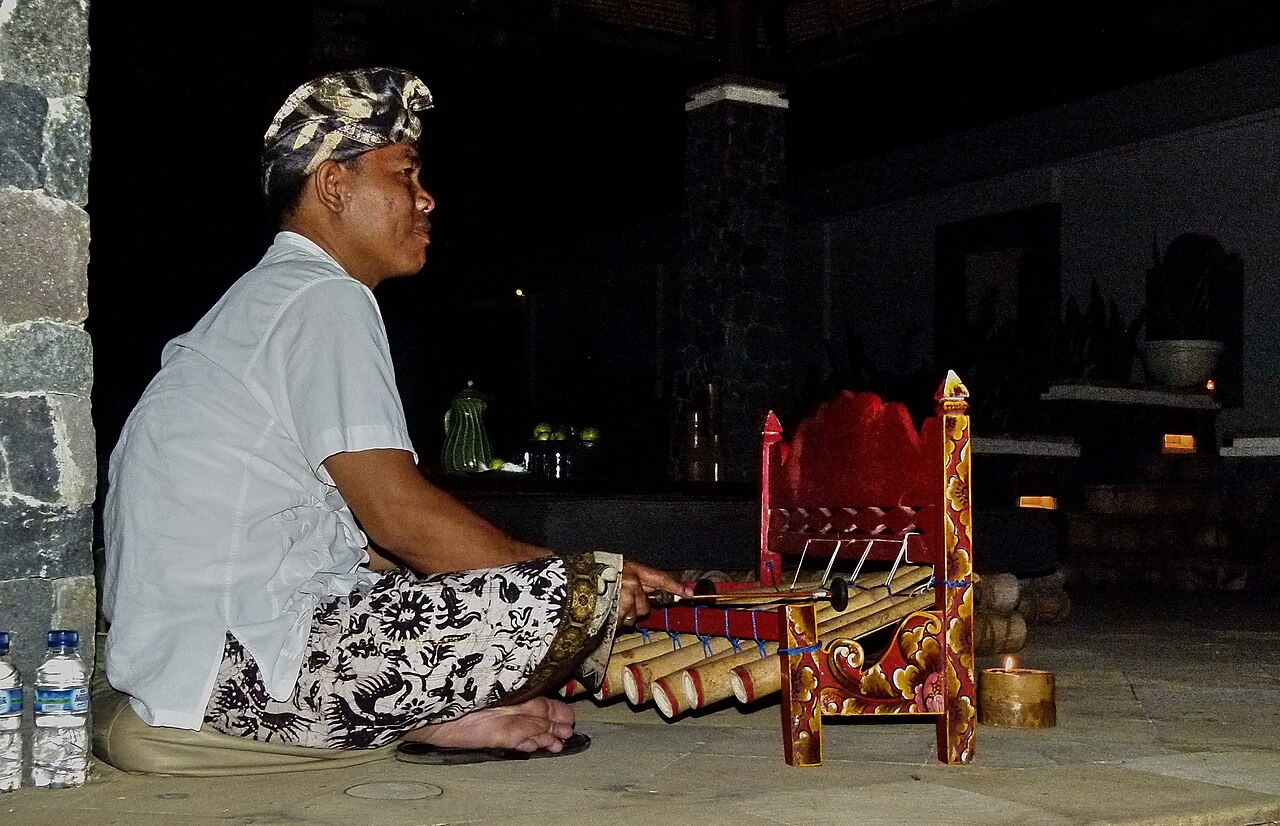
A bright metallic pattern gathers speed, a drum signals a turn, and the whole ensemble seems to change direction at once. Listening to gamelan in Bali is an invitation to notice collective precision rather than hunt for a single star. The music can accompany dance, frame a ceremony or fill a public performance space, and those settings carry different expectations. A thoughtful visit begins by asking what kind of event you are attending. Then comes the pleasure of hearing interlocking parts, resonant gongs and dramatic silences, while respecting the community whose cultural life gives the sound its meaning.


