SCENTProvence, France
Provence in the scent of lavender
A lavender journey built around working farms, flowering conditions and the differences between a field, a distillery and a finished scent.
7 min readRead story
A perfume bottle conceals a complicated journey. Before the finished fragrance comes a plant, an extraction, an ingredient and a series of human judgments about what belongs together. Grasse makes that journey easier to imagine. Its museum collections, fragrant gardens and commercial perfumery visits offer different entrances into the subject, each worth understanding on its own terms. Come to smell carefully rather than sample everything. A few well-chosen encounters can connect an aromatic leaf with a historical object and a modern composition, while the town's steep streets remind you that this is a working place, not simply a scented showroom.
By Journey Into Wellbeing editorial team
Published: November 11, 2026
Updated: November 11, 2026
9 min read
Spring and early autumn can suit walking and garden visits. Flowering depends on species and weather; check seasonal conditions and current garden opening information rather than expecting every perfume plant in bloom.
Reach Grasse from the French Riviera by checking current rail and bus connections from your arrival point. The railway station is below the historic center, so plan the uphill connection. The perfume museum gardens are in Mouans-Sartoux and require a separate journey.
Grasse is associated with perfumery, but that association encompasses several activities. Cultivating fragrant plants, transforming raw materials, composing scents and selling finished perfume are related without being identical. A visit becomes more interesting when you ask which part of that chain a place actually reveals. A retail tour may explain a brand's story, while a museum provides broader historical context and a garden makes the botanical material tangible.
Avoid expecting the whole town to smell continuously of flowers. Fragrance is often concentrated in particular rooms, plants or demonstrations, and the everyday city contains ordinary traffic, shops and residential life. That contrast helps keep the heritage grounded. Plan a museum visit as your interpretive anchor, then add either a garden or a commercial experience according to your interests. Trying to enter every perfume shop can quickly tire the nose and blur the distinctions you came to discover. Grasse rewards selection, pauses and good questions more than a bag filled with scent strips whose labels you can no longer remember.
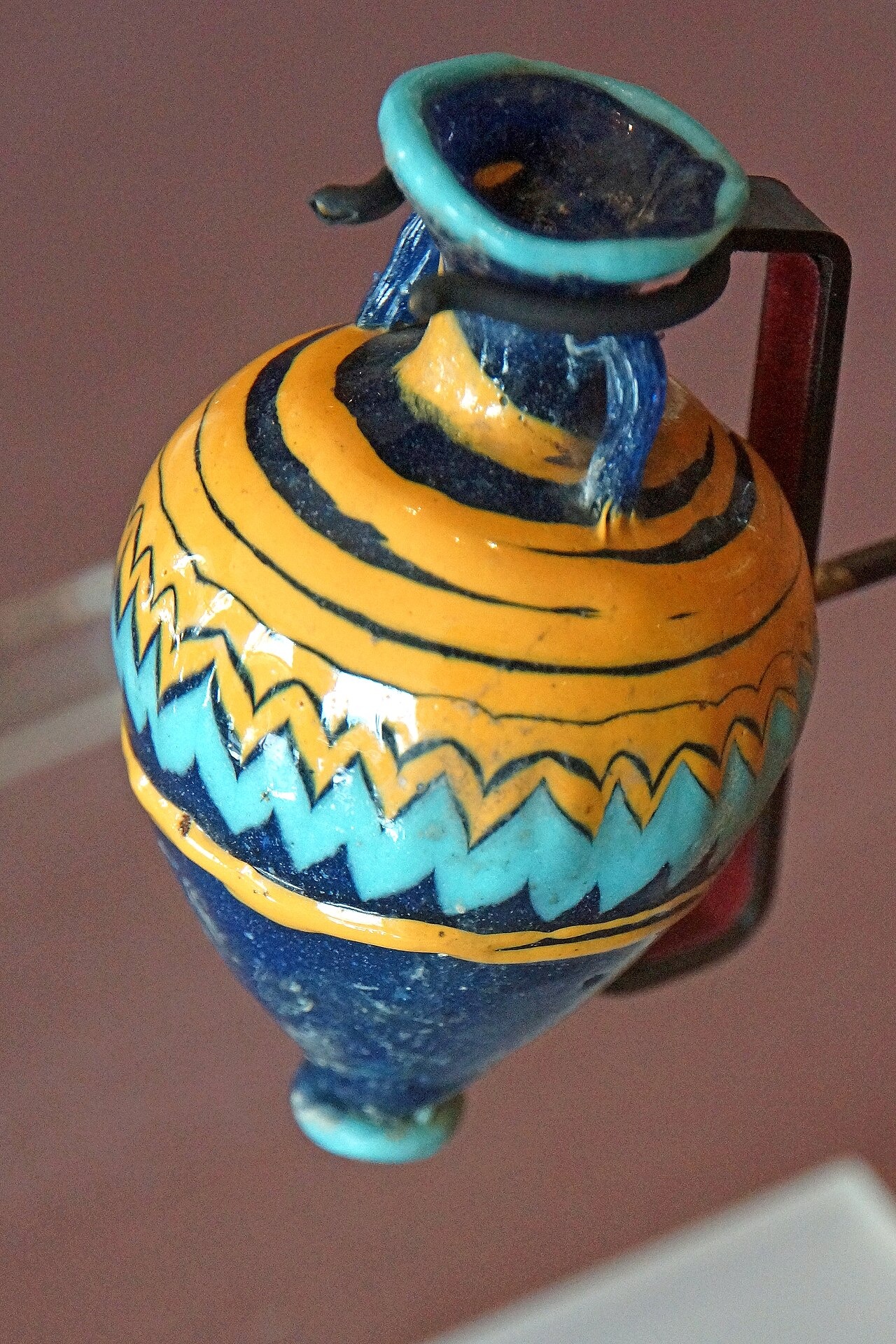
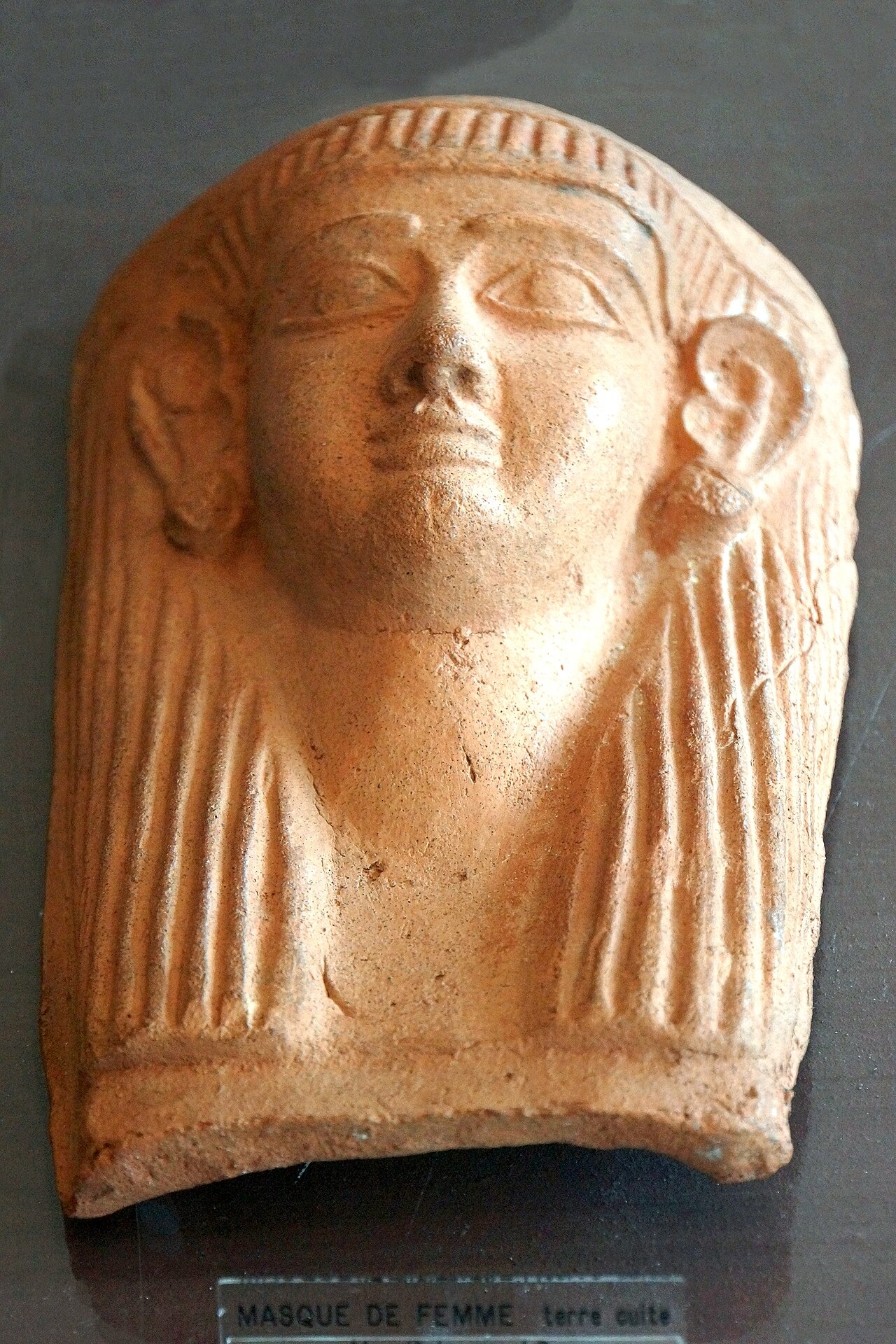
The Musée International de la Parfumerie stands on Boulevard du Jeu de Ballon in central Grasse. Municipal cultural material describes a collection that crosses decorative arts, botany, industry and social history, tracing perfume and cosmetic practices through objects as well as production knowledge. This breadth is useful: perfume is not just an ingredient list, but also a container, a ritual, a technology and a product presented to a particular audience.
Look for connections between those themes rather than rushing toward the most elaborate bottle. How does a container suggest the way a fragrance was used? What can an industrial object tell you about extraction or scale? How do labels and advertising shape expectations before anyone smells the contents? Specific galleries, temporary exhibitions and interactive elements can change, so check current visitor information. Do not assume every historical fragrance is available to smell. The value of the museum lies partly in making visible the systems and decisions that a finished bottle tends to hide, including the distance between a raw material and its eventual commercial identity.
The museum's gardens are not an adjoining courtyard in the old town. The official museum site places the Jardins du MIP on chemin des Gourettes in Mouans-Sartoux, so plan a distinct journey and confirm the final approach. Their role includes conserving fragrant plants associated with perfumery and presenting them through an olfactory route. The museum describes both cultivated plots and landscaped collections, making the site a useful bridge between agriculture and the bottle.
Choose a handful of plants to compare rather than expecting the entire garden to announce itself at once. A leaf, flower and surrounding air can offer different impressions. Follow the site's instructions about touching foliage and stay on the intended routes. The official presentation groups scents through families such as citrus, floral, woody and spicy, which can provide a manageable framework without dictating your personal associations. Ask what is currently flowering and what can be appreciated outside its flowering season. A garden is a changing collection, not a static demonstration in which every species performs on demand for every visitor.
Aromatic plants do not all concentrate their most noticeable scent in blossoms. Where the garden explicitly permits it, following instructions for gently touching foliage can reveal another route into the collection. Compare the smell close to the plant with the impression left on your fingers, then pause before moving on. Never strip leaves or pick flowers to build a private sample collection. The living display must remain intact for other visitors and for its conservation purpose.
Rose, jasmine and tuberose are important to the region's perfume story, and the museum's garden material discusses their place in its agricultural history. Yet recognizing a flower outdoors is only the beginning of understanding its role in a composition. Processing can transform the material, and the perfumer may combine it with ingredients whose origins and characteristics are very different. Ask which stage you are smelling rather than assuming a concentrated sample reproduces a living bloom exactly.
Seasonal flower imagery can create unrealistic expectations. Weather influences flowering, and an agricultural plot may be private even when its crop is famous. Do not enter a field because it appears in promotional photographs or because a gate happens to be open. Book an authorized visit if access is offered, and confirm what it includes. The public perfume gardens provide a more dependable starting point for botanical learning than an unverified promise of harvest participation. Let the experience reveal how much care sits behind a flower crop rather than turning working agriculture into a decorative background for portraits.
Grasse's commercial perfumeries offer another perspective, often centered on a particular house, its products and its interpretation of manufacture. Before reserving, distinguish a guided heritage presentation from access to active industrial production. A room containing equipment does not necessarily mean that equipment will be running, and a tour called a factory visit may focus on explanation rather than unrestricted access to production areas. Ask the operator directly what you will see on your date.
A perfume-making workshop can be enjoyable if you understand its scope. Confirm the language, duration, accessibility, materials, minimum age and what happens to the composition afterward. A beginner usually works within a guided format; the session should not be confused with professional perfumer training. Prices, inclusions and booking conditions vary, so compare the complete offer rather than an enticing headline. Check whether a shop visit is part of the route and remember that attending does not oblige you to buy. Choose the activity for its teaching and the kind of experience you want, not because an advertisement suggests that every visitor must leave with a personalized bottle.
For a blending session, find out whether the offered materials are individual ingredients, prepared accords or another teaching selection. None is automatically unsuitable for a beginner, but they provide different experiences. Ask whether you receive notes identifying your choices and whether any later reorder service has separate conditions. Understanding the format makes it easier to enjoy the creative exercise without imagining that a short activity reproduces the full process of developing a commercial fragrance.
Scent fatigue can make an ambitious itinerary self-defeating. Compare a small number of samples, label any blotters clearly and pause in fresh air between concentrated smelling sessions. Avoid applying several perfumes to your skin at the beginning of the day: they may overlap and make later comparisons difficult. Ask before testing a product on skin, especially if you have known sensitivities, and follow the provider's safety guidance around concentrated materials.
People experience fragrance differently. Strong scents may trigger discomfort, migraines or breathing difficulties, so ask venues about exposure and alternatives before booking if that matters to your group. A museum's historical collections may offer a more manageable visit than a hands-on blending activity, but confirm the actual conditions rather than assuming any indoor space is scent-free. Wear little or no personal fragrance for a workshop, both to protect your own perception and to avoid imposing it on others. On public transport and at lunch, keep newly purchased materials sealed. A scent-focused trip is more considerate when enthusiasm does not turn shared spaces into involuntary testing rooms.
Grasse's historic center sits above its railway station, and the difference in height deserves attention when planning arrival. Check the current local connection or arrange a taxi if an uphill walk is unsuitable. Within the old town, slopes, steps and narrow streets can complicate a route that looks short on a screen. Ask museums and workshop operators about the actual accessible entrance, lifts, toilets and the distance from a vehicle drop-off. Plan the Mouans-Sartoux gardens as a separate transfer rather than inserting them casually between neighboring central attractions.
Build a budget around transport, museum admission where applicable and one optional guided or hands-on experience. Verify current charges directly; a free introductory tour and a paid workshop are not equivalent offers. Leave perfume shopping until you know what genuinely interests you. Keep a labeled blotter and revisit it later if practical, since a first impression can change as the scent develops. Check airline liquid rules and packaging if you intend to carry purchases in hand luggage. The best souvenir may be a carefully chosen fragrance, but it could equally be a clearer understanding of the plants, tools and judgment that make perfume possible.
No. The museum is in central Grasse, while the gardens are in Mouans-Sartoux. Confirm opening information for each and plan the journey between them separately, including the final approach from public transport or your vehicle drop-off.
Only if a properly arranged visit coincides with the relevant crop and working conditions. Flowering, harvest timing and visitor access are not guaranteed. Public gardens offer botanical interpretation without implying entry to private agricultural land or participation in harvesting.
No. A tour generally explains a site or production story; a workshop offers a structured hands-on activity. What is included varies by operator. Verify the language, materials, access arrangements and any finished product before reserving either experience.
Choose fewer samples, use labeled blotters and take fresh-air breaks. Avoid wearing a strong fragrance to a tasting or workshop. If you have scent-triggered symptoms, contact the venue beforehand about exposure and decide whether a less intensive historical or outdoor visit suits you better.
Verify opening arrangements, transport, access rules and safety information with official sources. We omit numerical budget ranges where reliable current figures have not been verified.
Keep exploring
A lavender journey built around working farms, flowering conditions and the differences between a field, a distillery and a finished scent.
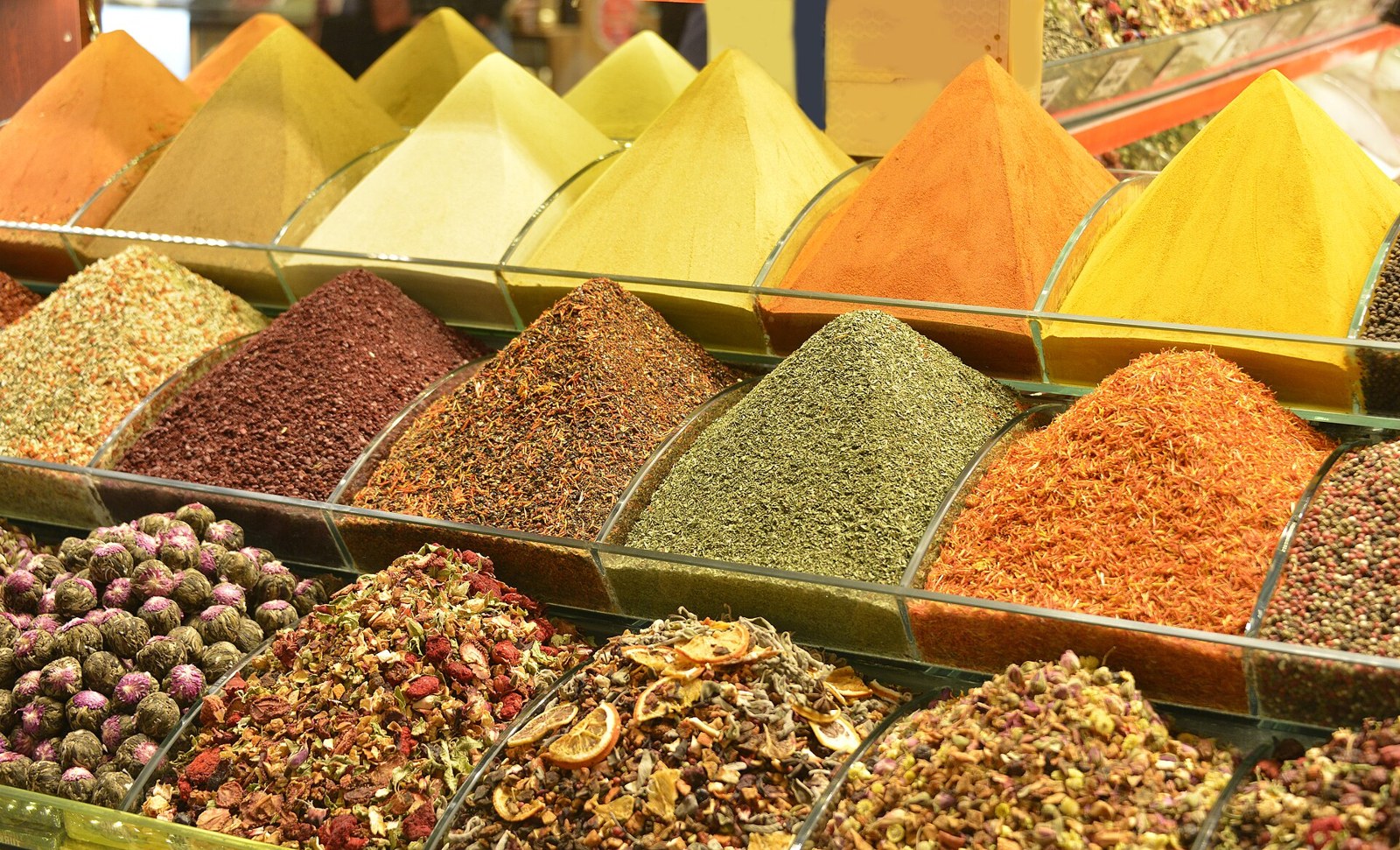
Explore the Spice Bazaar and its surrounding streets through ingredients, careful shopping and the everyday movement of a working city.
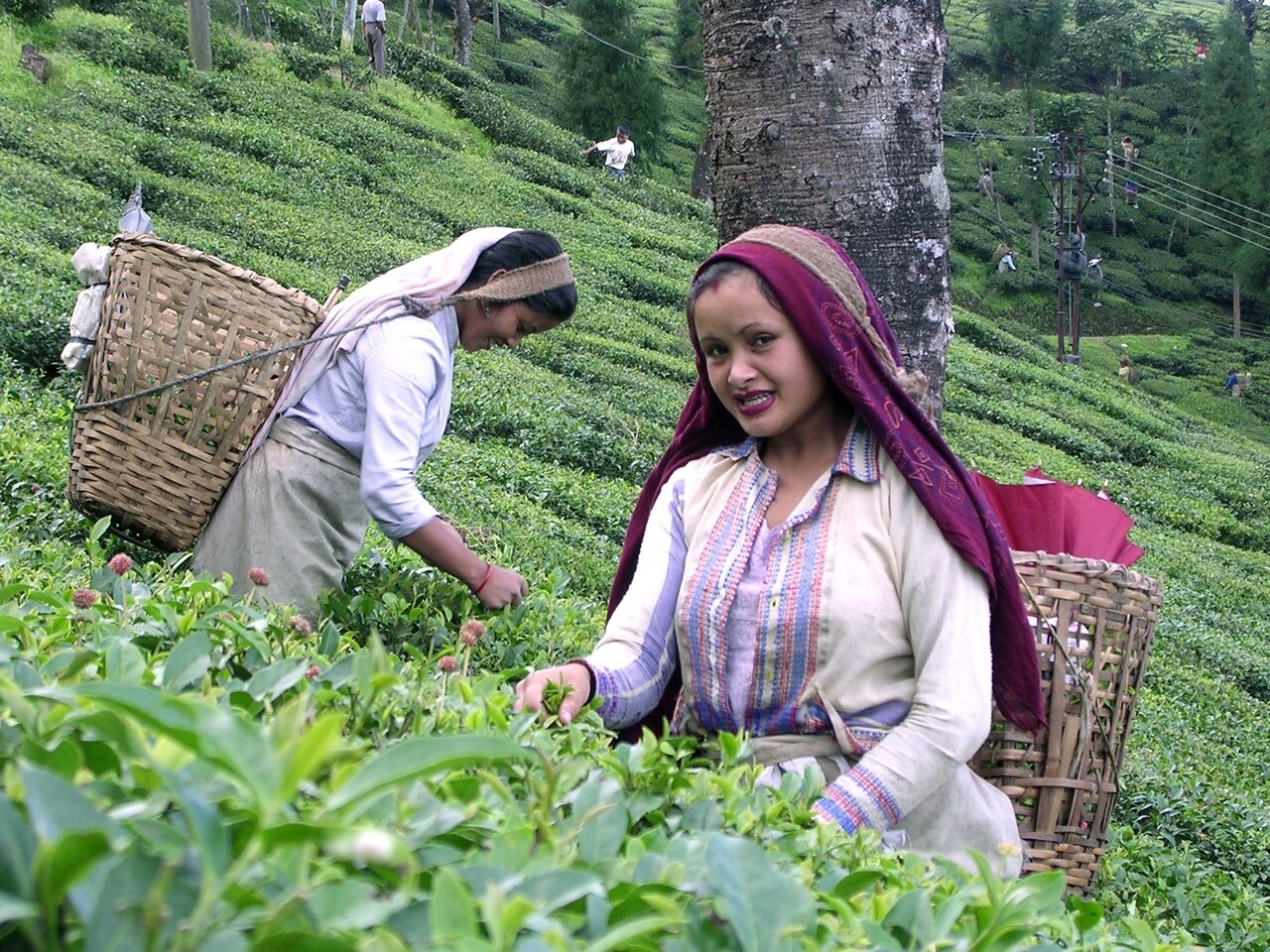
Lift the lid of a freshly brewed pot before taking a sip. In Darjeeling, that small pause can be as revealing as a mountain view: steam carries suggestions of flowers, fresh vegetation or ripe fruit, depending on the leaf and how it has been made. Tea gardens give those aromas a landscape, but a rewarding visit requires more than looking across green slopes. Meet the finished tea through careful tasting, learn what a working estate can actually show you, and leave space for weather, steep streets and the people whose labor connects the hillside with the cup.


