SCENTProvence, France
Provence in the scent of lavender
A lavender journey built around working farms, flowering conditions and the differences between a field, a distillery and a finished scent.
7 min readRead story
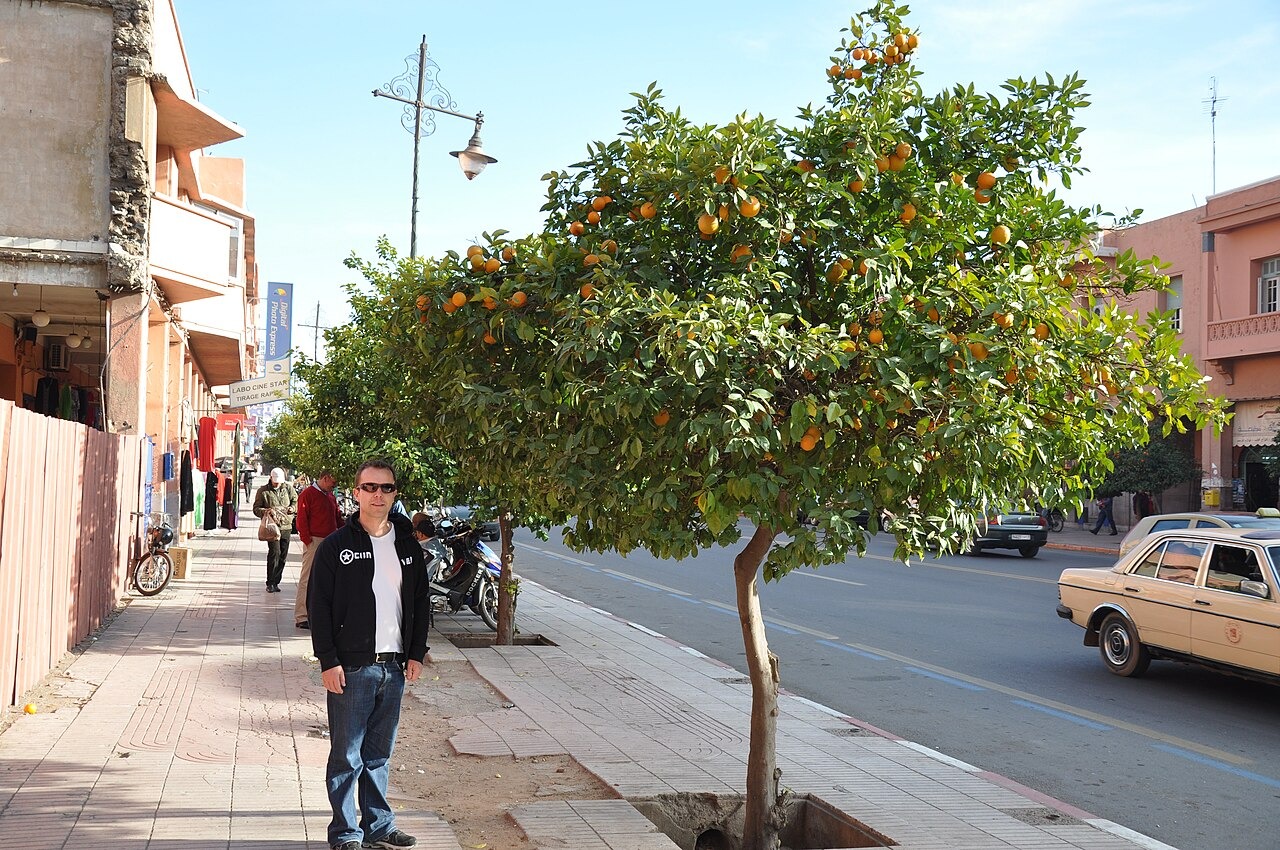
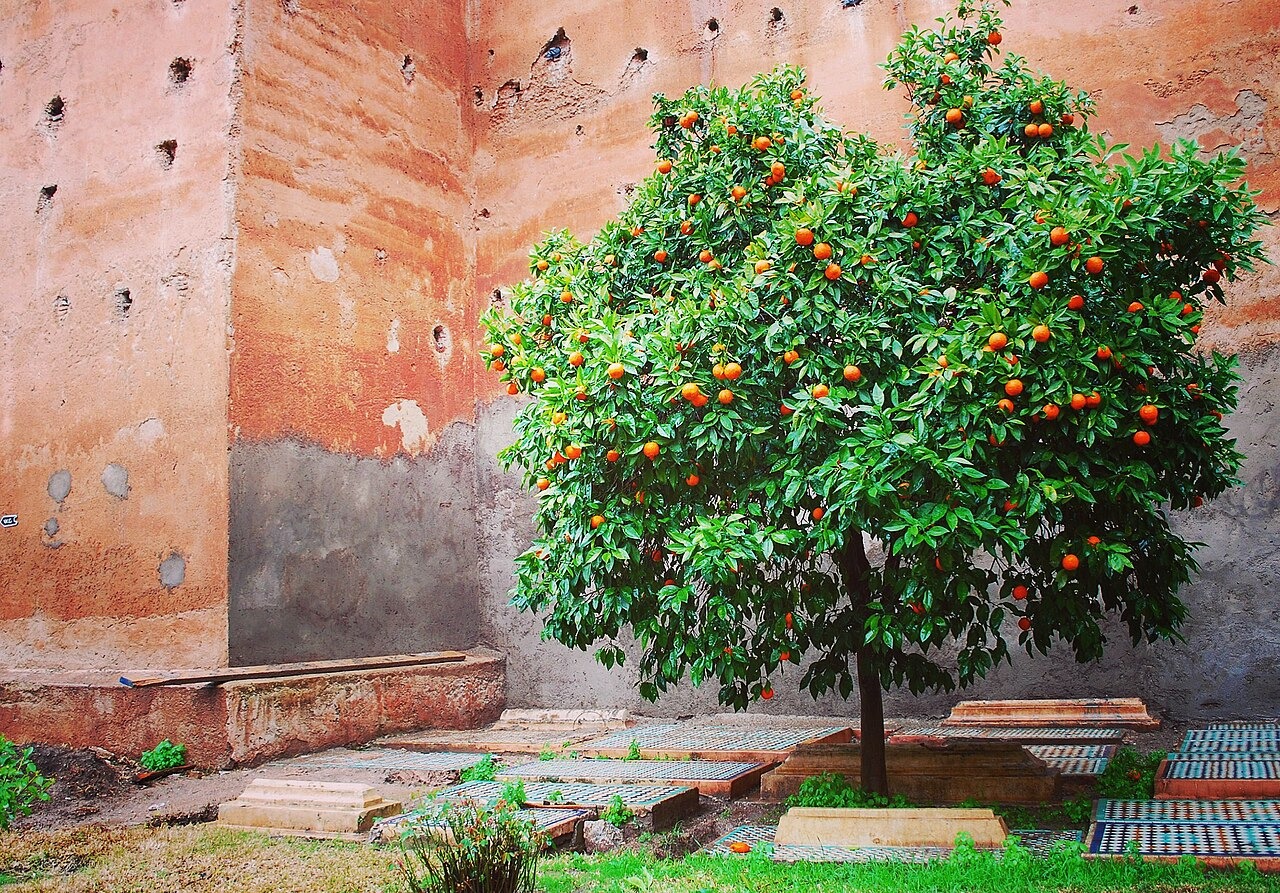
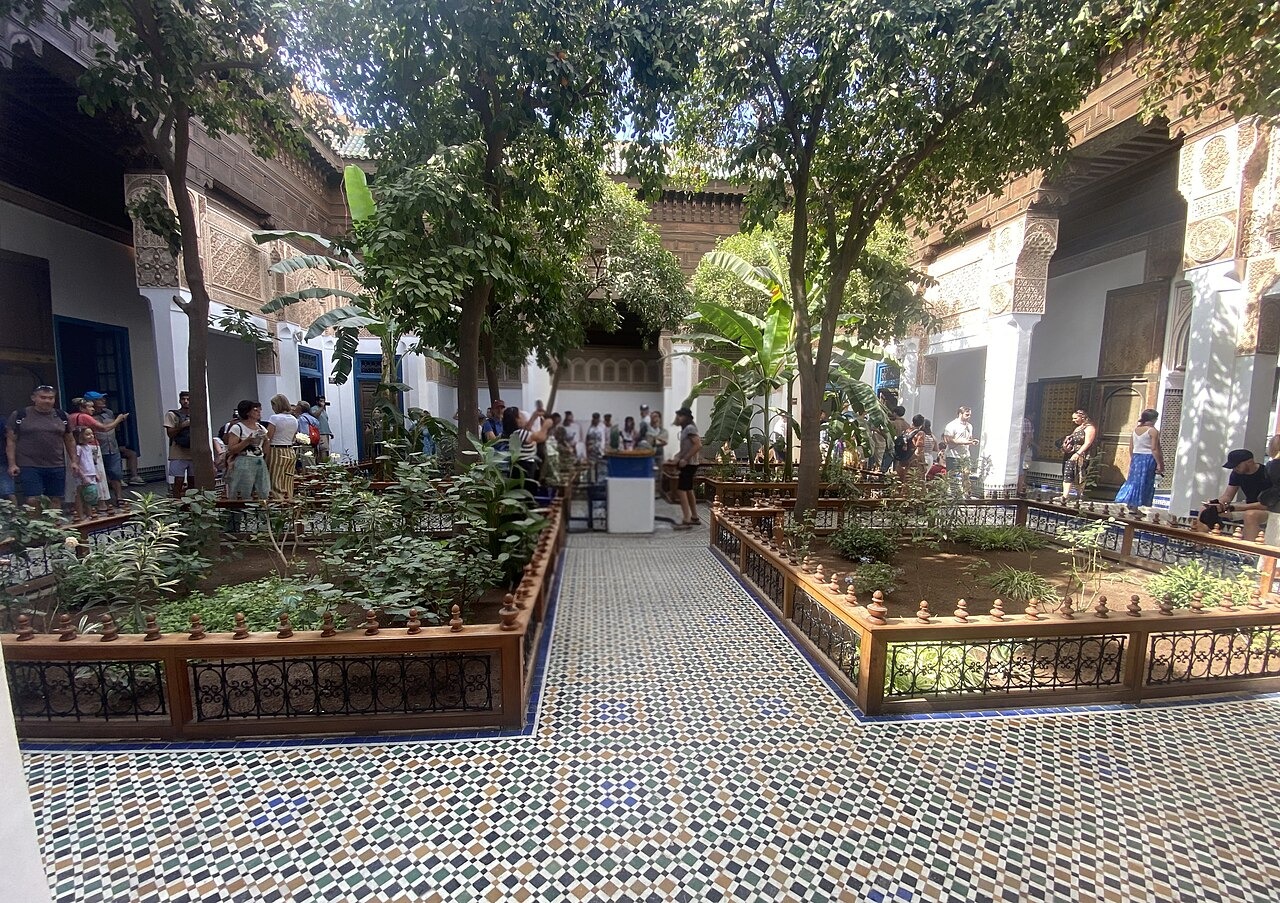
Orange trees give Marrakech a thread to follow between streets, planted courtyards and historic gardens. Blossom, when present, adds fragrance, but a worthwhile walk should not depend on finding the whole city in flower. At Bahia Palace, attend to the relationship between planting, tilework and enclosed space; at the Saadian Tombs, let the garden remain part of a funerary monument rather than treating it as a decorative backdrop. The accompanying photographs show city orange trees, a tree beside a tomb in the Saadian complex and a planted Bahia courtyard. They record places, not a guaranteed flowering calendar.
By Journey Into Wellbeing editorial team
Published: November 11, 2026
Updated: November 11, 2026
8 min read
Spring is the sensible period to investigate for orange blossom, but flowering varies with weather and individual trees. Ask locally about current conditions. Cooler parts of the day suit walking, while summer visits require shorter exposed stretches and more breaks.
Base the walk in the southern medina, combining Bahia Palace with the Kasbah area around the Saadian Tombs. Confirm current monument entrances and walking directions. Arrange a recognised taxi to an accessible nearby drop-off if you do not want to walk the entire approach.
Begin by distinguishing fruit, foliage and flowers. Orange fruit in a photograph does not prove that blossom was present, and a green canopy may be attractive without producing a noticeable scent. The pleasure of this route is learning to notice what is actually there. Look from a public path, see whether small pale flowers are visible, and let fragrance come to you without pulling branches closer. A tree need not deliver a particular sensory effect to justify stopping.
In the medina, other smells and movements share the street: cooking, traffic, deliveries and the changing air around doorways. Rather than describing every pleasant scent as orange blossom, acknowledge when its source is uncertain. Choose a safe place to pause without blocking a lane or standing in the path of a vehicle. The city is not a display garden, and the best observations often come when you stop trying to make it resemble one.
The official Marrakech tourism guide includes Bahia Palace and the Saadian Tombs among the medina's principal monuments. They can be linked in an outing, but their functions and atmospheres are not interchangeable. One invites attention to a palace's architecture and planted spaces; the other is a royal funerary complex. Giving each its own purpose prevents the orange-tree theme from flattening their history into a sequence of similar garden photographs.
Marrakech's official historical itinerary identifies Bahia as a nineteenth-century palace with gardens. The accompanying photograph shows a planted courtyard and zellij tilework, a useful prompt to look at how living growth meets patterned surfaces. Observe from the permitted route: a canopy can frame an opening, while the edge of a planted bed defines how people move. Do not assume that every tree is citrus or that every courtyard will be open during your visit.
The photograph from the Saadian Tombs shows an orange tree beside a tomb within the complex. Its interest lies in that proximity, not in a promise of extensive orchard walking. Keep your voice and movements considerate, follow barriers and leave graves and planting untouched. If there is a queue for a particular view, make room after looking rather than holding a position for an empty photograph. The garden belongs to the monument's setting and deserves the same care as its built features.
At Bahia, alternate close attention with a wider view. A patch of tilework, a doorway and a tree crown make different claims on the eye. Looking between them reveals a courtyard as a composed space rather than a collection of details. The tourism board's craft itinerary also highlights the palace's decorated wood, so let your attention move above the planting as well as through it. Avoid attributing a species, date or symbolism to a feature unless a reliable label or guide supports it.
Take photographs from allowed positions without leaning into beds or obstructing a threshold. A crowd changes what can be seen, but it does not make the space unusable. You can study an edge, wait briefly or return to another part of the permitted route. If blossom is absent, examine the contrast of leaves with walls and paving instead. That is a real observation, not a substitute story invented to rescue a seasonal promise.
The official tourism guide places the Saadian Tombs in the Kasbah district, alongside landmarks including Bab Agnaou and the Kasbah Mosque. Use that geographical context to orient yourself before setting off from Bahia. Confirm the current entrance rather than walking towards a map pin that may identify the centre of the monument. Keep a downloaded map or written directions available, and ask a recognised guide or your accommodation when the route is unclear.
Do not turn a manageable connection into an exhausting circuit of every nearby attraction. The tombs deserve unhurried attention, and the streets between monuments are active neighbourhoods. Ask before photographing identifiable people, private entrances or someone's work. Mosque access follows its own rules; proximity to a public garden or monument does not imply permission to enter every religious space nearby. A focused walk can provide more context than adding another site when heat, queues or tiredness have reduced your attention.
If blossom matters, ask your accommodation or a knowledgeable local guide what is flowering shortly before travel. Spring is a useful starting point for that conversation, but weather and individual sites complicate any fixed date. A photograph taken in another year cannot settle the question. Avoid paying a premium for a guaranteed fragrance unless the operator can explain precisely what is being offered and how the itinerary changes when the trees are not in bloom.
Walking comfort matters even during a promising flowering period. Start earlier when conditions are cooler, carry drinking water and plan a seated break rather than assuming every courtyard offers somewhere to rest. In hotter weather, reduce the route and use transport for a longer approach. Allow for rain or a cool spell too. The practical aim is enough comfort to observe carefully, not an endurance walk arranged around an uncertain moment in the trees' seasonal cycle.
Confirm current opening arrangements, ticketing and any restoration restrictions separately for Bahia Palace and the Saadian Tombs. Historic sites may not offer access to every space shown in photographs. Ask before buying whether a section important to you is open, and avoid treating an old visitor report as a current guarantee. If using a guide, establish whether admission is included and how much time is allocated inside each monument rather than only between them.
Budget for separate admissions, transport, refreshments and optional guiding without relying on remembered entrance prices. A clear quote should identify what is included and whether shopping stops are part of the outing. For mobility needs, ask specifically about thresholds, uneven surfaces, narrow passages, steps, resting opportunities and the distance from the nearest vehicle drop-off. A central location is not proof of a step-free route. Describe your needs directly so that advice concerns your visit rather than a general claim that the area is easy to walk.
Orange blossom water sold in a shop is a different encounter from flowers on a living tree. If you choose to buy it, ask whether the product is intended for food or fragrance, read its label and keep any tasting separate from the monument visit. Do not infer purity or origin from a seller's display alone. The botanical theme does not require purchasing anything, and no health or therapeutic promise is needed to explain why a scent might interest you.
Finish by remembering a specific place rather than a generic image of scented Marrakech. Perhaps it is the courtyard planting set against Bahia's tilework, or the tree standing beside a tomb in the Saadian complex. Leave fruit, flowers and fallen plant material where they are, and respect the staff who maintain these spaces. The strongest connection between fragrance and travel is attention to context: what was growing, where you encountered it, and what you could honestly perceive on that particular day.
Investigate spring, then ask locally about current flowering shortly before your visit. Weather and individual trees affect timing, so do not treat a particular week as guaranteed. Build the outing around architecture, planting and the medina as well, leaving blossom as a welcome possibility.
Not exactly. They show orange trees in Marrakech, an orange tree beside a tomb at the Saadian Tombs and a planted courtyard at Bahia Palace. The Bahia image should not be used to identify every plant as citrus, and none of the pictures guarantees present-day flowering.
They can form a focused southern-medina itinerary if current hours, queues and your walking needs allow. Verify entrances, leave time between sites and shorten the plan in heat. Do not assume admission to one includes the other or that both have identical access arrangements.
Leave them on the trees unless the responsible staff explicitly authorise an activity. Monument gardens and street trees are not visitor picking areas. Observe and photograph from permitted paths, avoid leaning on branches, and keep the funerary setting of the Saadian Tombs in mind.
Verify opening arrangements, transport, access rules and safety information with official sources. We omit numerical budget ranges where reliable current figures have not been verified.
Keep exploring
A lavender journey built around working farms, flowering conditions and the differences between a field, a distillery and a finished scent.
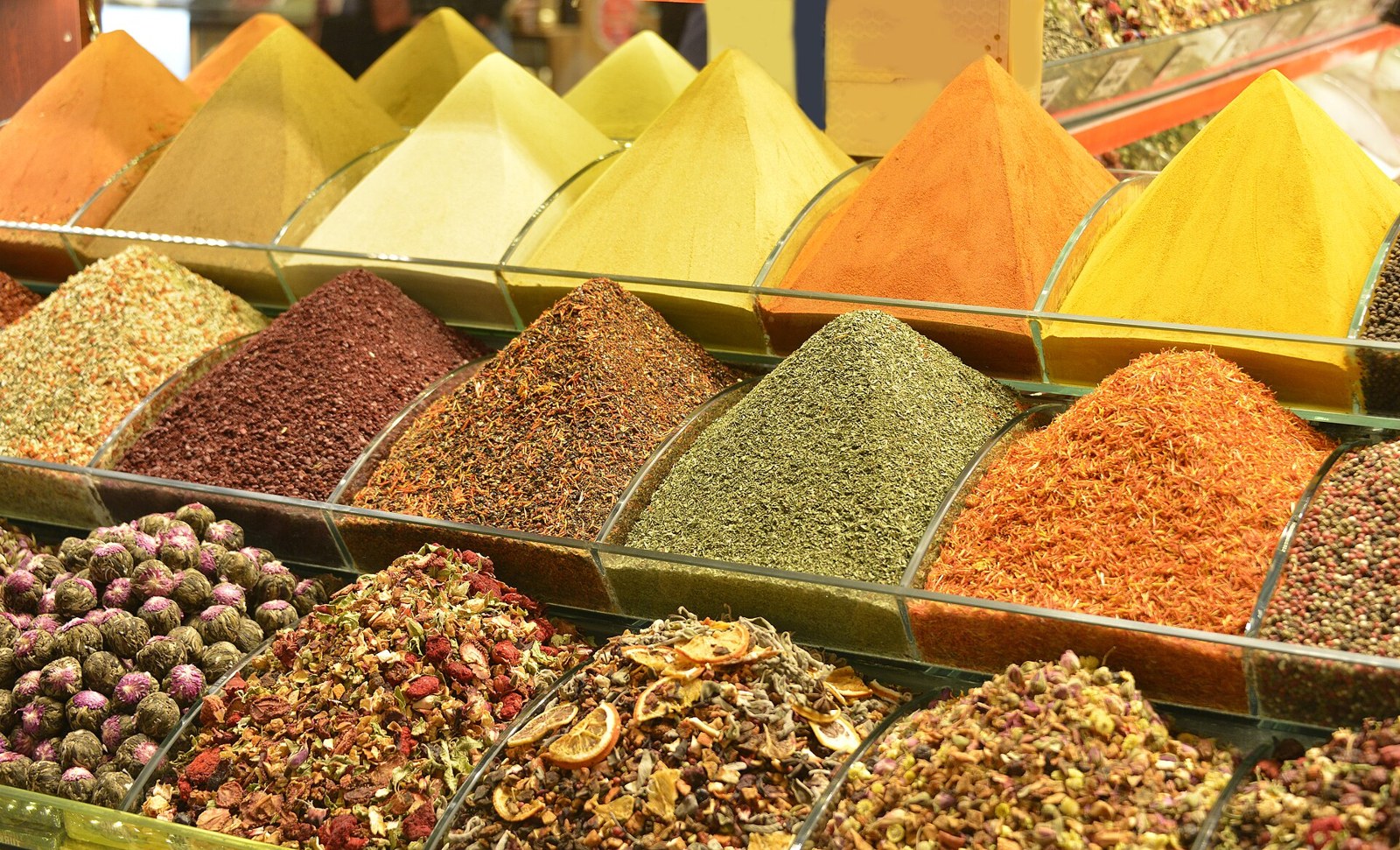
Explore the Spice Bazaar and its surrounding streets through ingredients, careful shopping and the everyday movement of a working city.
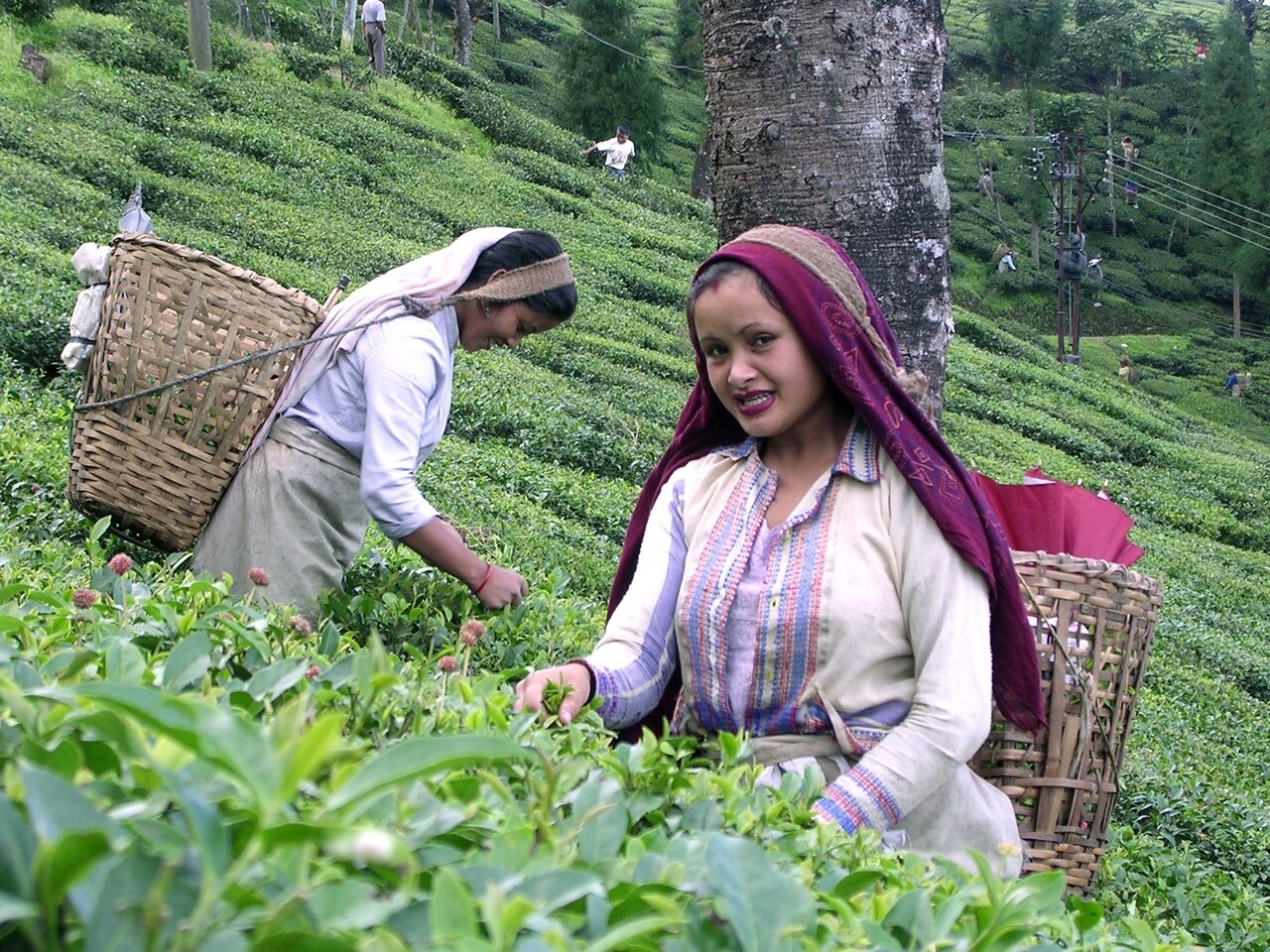
Lift the lid of a freshly brewed pot before taking a sip. In Darjeeling, that small pause can be as revealing as a mountain view: steam carries suggestions of flowers, fresh vegetation or ripe fruit, depending on the leaf and how it has been made. Tea gardens give those aromas a landscape, but a rewarding visit requires more than looking across green slopes. Meet the finished tea through careful tasting, learn what a working estate can actually show you, and leave space for weather, steep streets and the people whose labor connects the hillside with the cup.


