SIGHTDolomites, Italy
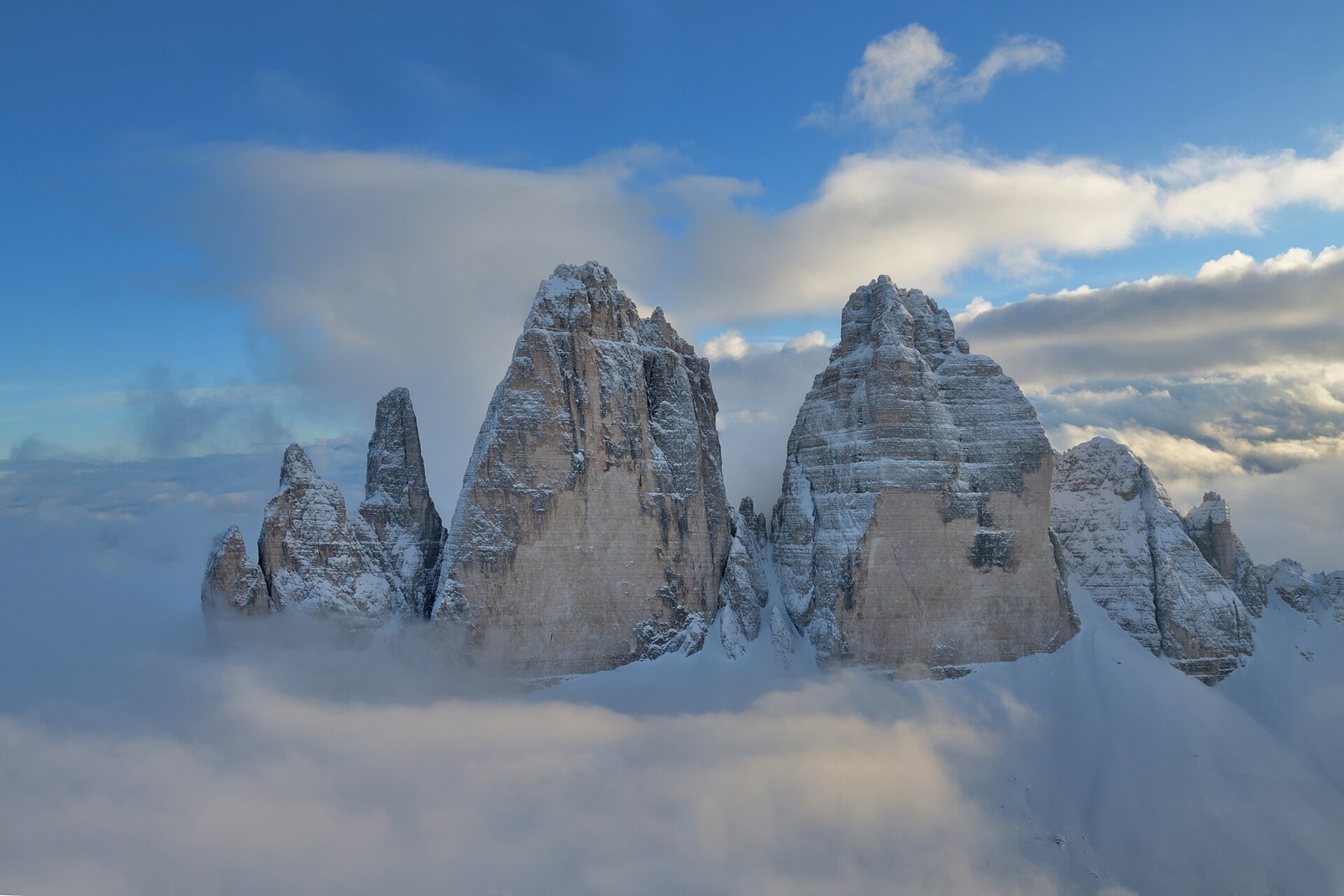
The Dolomites, a landscape worth slowing down for
Choose a valley, understand the mountain conditions, and give this complex landscape more than a hurried photograph.
8 min readRead story
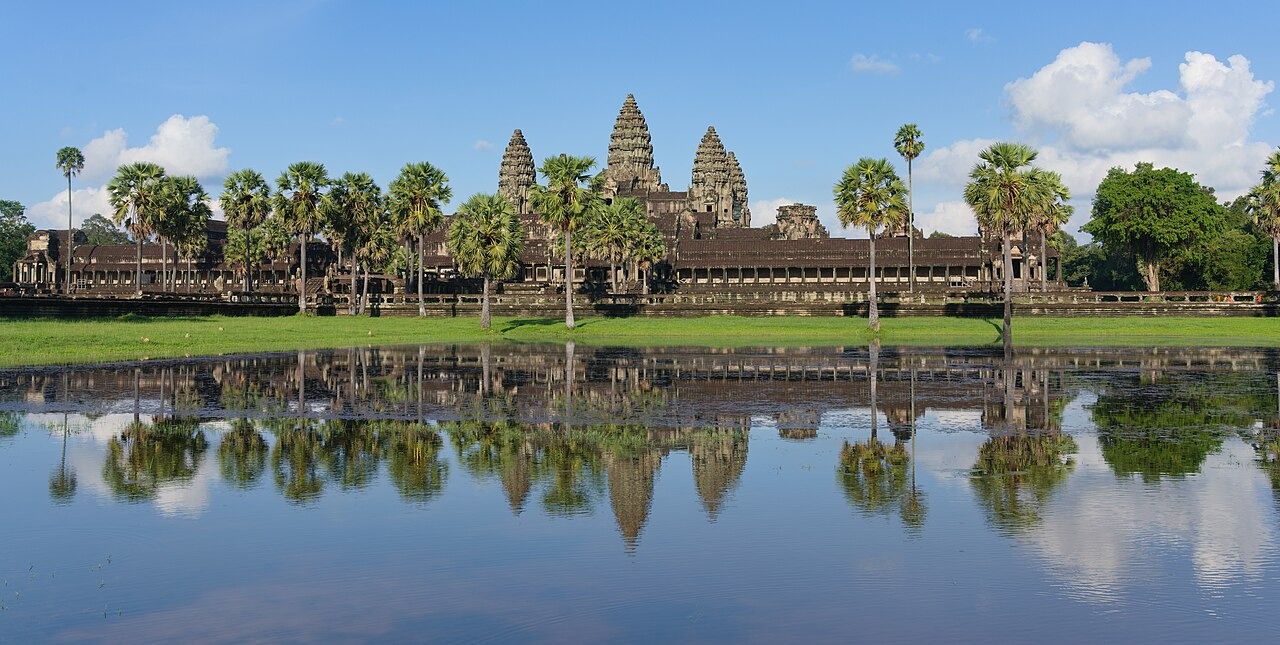
Angkor rewards the visitor who looks beyond the outline of its towers. A doorway frames another doorway; a carved figure seems to emerge as the light moves; a long approach makes the building ahead feel deliberately distant. This is architecture experienced through movement. Around the monuments lies a much larger landscape of water, roads, forest and communities. Come to northern Cambodia with time to look closely, and the temples become more than a sequence of impressive silhouettes.
By Journey Into Wellbeing editorial team
Published: November 11, 2026
Updated: November 11, 2026
7 min read
The generally drier part of the year offers different conditions from the greener rainy season. Heat remains a planning concern; check forecasts and allow shaded breaks.
Use Siem Reap as a base, arranging airport or overland transfers in advance where helpful. Hire a reputable driver or licensed guide for the archaeological area and confirm the full route and return journey.
UNESCO describes Angkor as an archaeological landscape of roughly four hundred square kilometres containing the remains of successive Khmer capitals. That scale changes how a visit should be organised. The spaces between temples are not empty gaps in the attraction: reservoirs, channels, roads and settlements belong to the story. Even a short visit benefits from a map that shows these relationships rather than only the most photographed façades.
Start by choosing a small group of contrasting places and asking what connects them. A monumental approach, a densely carved gallery and an intimate sanctuary demand different kinds of attention. Trying to accumulate temple names often flattens those differences. Give each stop a reason to be there, and leave time for the journey through the wider setting instead of regarding every transfer as lost sightseeing time.
At Angkor Wat, resist the temptation to treat the central towers as the whole building. The approach, enclosure, galleries and changing viewpoints are part of the composition. Pause before entering a new space and look back through the opening you have just crossed. Framing and repetition become easier to recognise when you stop moving in only one direction.
Carved surfaces deserve a similarly patient pace. Choose a manageable stretch, look at how figures occupy it and ask a guide to explain the narrative rather than attempting to decode an entire gallery from memory. Architectural appreciation does not require remembering every date. It begins with noticing what the building asks your body to do: approach, turn, pass through, look upward and sometimes wait before the next threshold opens.
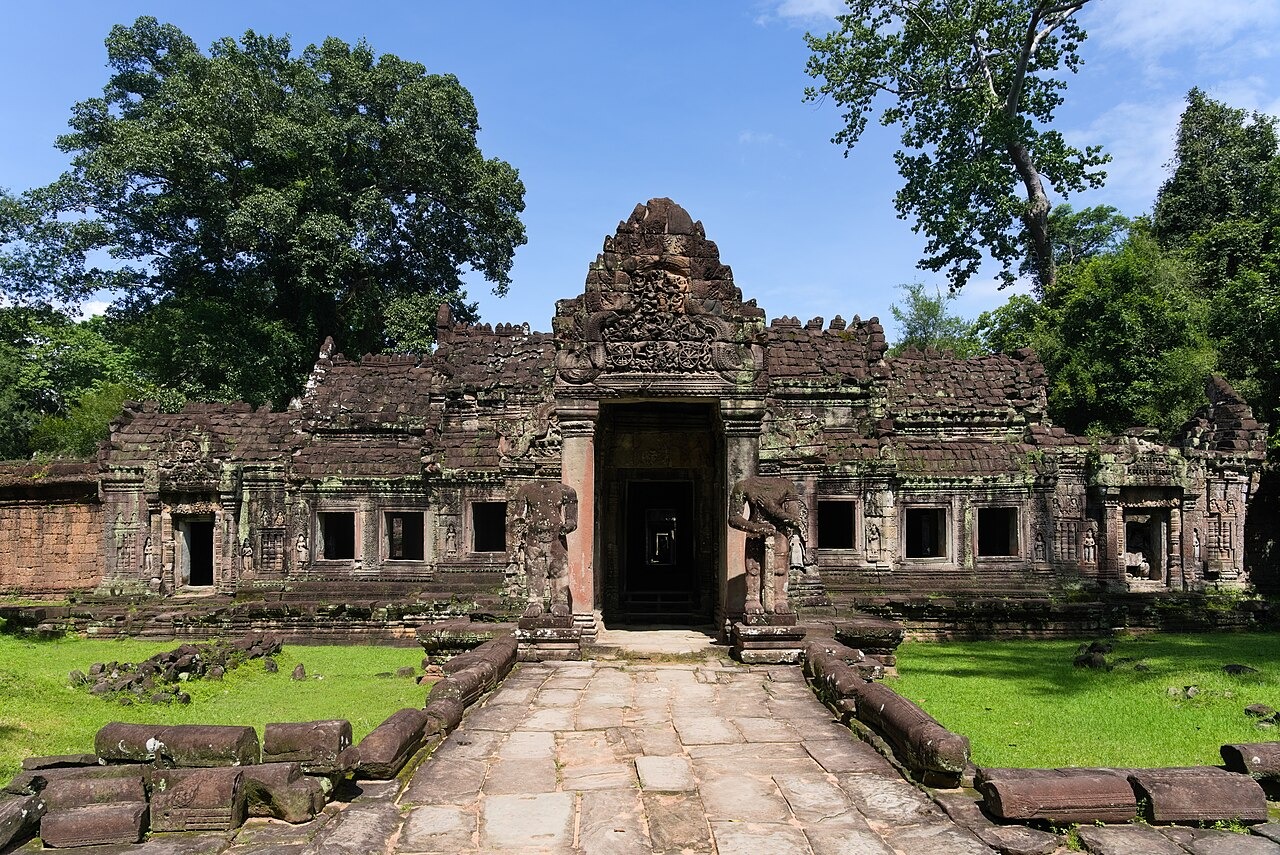
Stand where you can see successive openings without blocking anyone's passage. Notice how each frame changes the scale of the space beyond it. A simple observation like this gives the monument coherence, particularly when crowds make its overall plan difficult to grasp. Follow the permitted route rather than moving barriers to improve a photograph.
Then move from the building's overall order to its worked stone. Watch how shallow carving catches light and how repeated elements differ in detail. Do not touch reliefs to trace their outlines. A guide can help distinguish an identifiable story from an interpretation, which is especially useful when familiar online captions offer competing explanations.
At Angkor Thom, Bayon offers a strong counterpoint to a visit organised around Angkor Wat. UNESCO singles out its abundant sculptural decoration, and that density makes slow looking particularly valuable. Instead of searching only for the familiar face towers, notice how architectural mass and carved detail compete for your attention. The experience can shift sharply as you change position.
Use the comparison constructively. Which building feels easier to understand from a distance, and which asks you to work through smaller spaces? Where do you notice symmetry, and where does the sequence feel less immediately legible? These questions make a second major temple more than another stop. Observe barriers and current visitor routing carefully; conservation access can change, and a view available in an older photograph may no longer be permitted.
APSARA identifies Banteay Srei as a temple dedicated in 967 and celebrates its finely worked pink sandstone. Its appeal is not simply that it adds another famous name to an itinerary. It changes the scale of looking. After the larger complexes, a visit centred on intricate carving offers a chance to concentrate on edges, figures and the relationship between ornament and the surrounding structure.
Discuss the additional journey with your driver before committing to it. Combining a distant excursion with an already crowded day can leave little energy for precisely the detail you came to see. If your time is limited, choose between breadth and attention honestly. A carefully explained visit to fewer monuments is often more useful than arriving at a delicate façade too hot and tired to distinguish one scene from the next.
APSARA's visitor code describes Angkor as a sacred site and asks visitors to respect worshippers and monks. Wear clothing appropriate to temple entry, covering shoulders and knees, and follow any additional instructions at individual areas. Prepare before leaving your accommodation rather than assuming a hastily arranged accessory will resolve every entry requirement. Religious practice is not an interruption to sightseeing; it is part of the place you are visiting.
Keep voices considerate, ask before photographing people and do not direct worshippers into a composition. Never climb carved stone, touch reliefs or enter a restricted space for an unobstructed view. APSARA also advises against giving money to children. If you want to support local people, choose responsible businesses and established community initiatives rather than making an impulsive transaction that may encourage children to remain around tourist sites.
Heat and humidity affect concentration long before they make a visitor abandon the itinerary. Carry drinking water, use sun protection and plan genuine rest rather than assuming every transfer provides recovery. Start with the monument that matters most to you and allow later stops to remain optional. Rain adds slippery surfaces, so wear footwear with grip and slow down on worn stone and uneven steps.
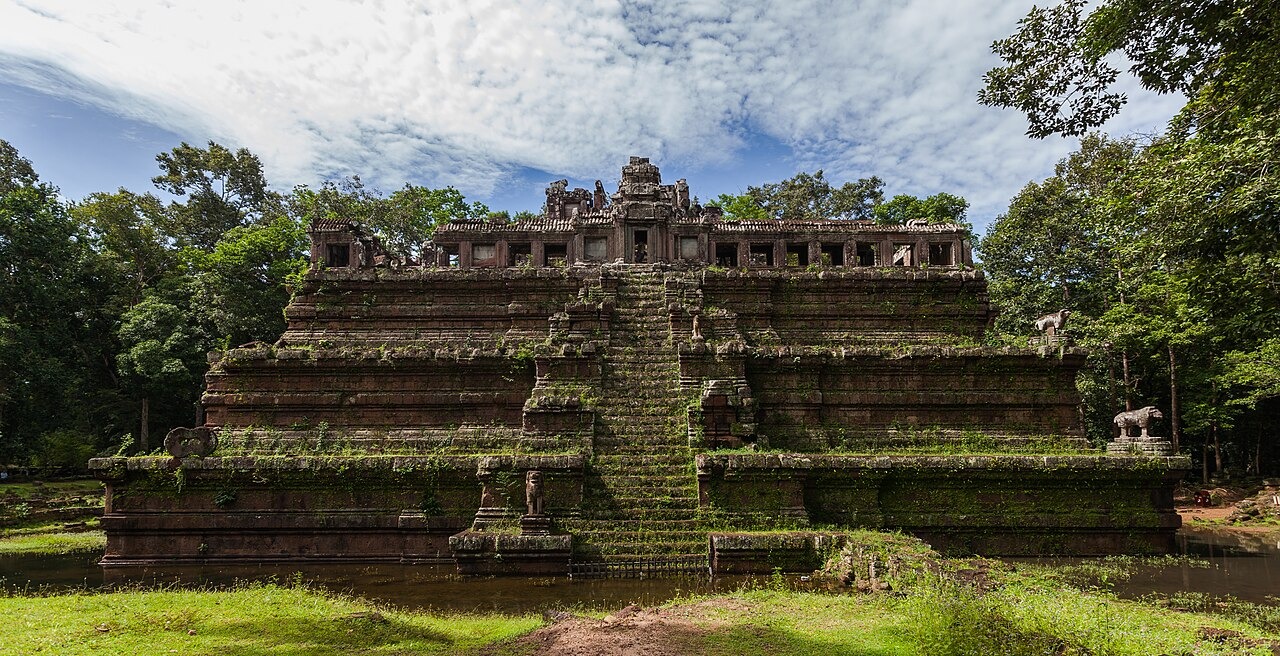
Access varies considerably between areas. Long approaches, irregular paving and steep stairways can make a famous viewpoint unsuitable for someone with limited mobility. Tell your guide or operator exactly what support you need, and ask about ground level alternatives and the distance from vehicle access. No visitor needs to climb to the highest permitted point to appreciate architectural form. A shaded external viewpoint can offer a more rewarding study than a difficult ascent.
Confirm current admission rules through the official ticketing channel before travelling, and keep your ticket available for inspection. Build a budget that separates admission, transport, guiding, meals and water. Ask whether the quoted driver service includes waiting time and any extended excursion. A cheaper arrangement becomes less useful if the agreed itinerary is unclear or the return journey has not been included.
A knowledgeable licensed guide can add particular value to an architecture focused visit by relating what you see to a plan, a story or a building technique. Explain your interests before booking rather than expecting every tour to have the same emphasis. Protect a little unstructured time as well. After an explanation, a quiet interval to look again allows the building itself to become legible, instead of leaving you with only a stream of information.
Choose a few contrasting monuments rather than a fixed target. Angkor Wat and a visit within Angkor Thom already demand substantial attention and movement. Add another stop only if heat, travel time and the group’s energy allow. A shorter itinerary can leave a much clearer understanding of the architecture.
Independent visiting is possible, but a knowledgeable licensed guide can explain spatial planning, carvings and religious context that are difficult to interpret alone. Ask for an architecture focused itinerary. Whether guided or independent, use official maps and instructions, and avoid treating an unverified social media caption as historical evidence.
No. UNESCO and APSARA describe a landscape with living communities and continuing cultural significance. Temples may be archaeological monuments and places of worship at the same time. Respect residents, religious activity and working conservation teams, and avoid language or behaviour that treats the area as an empty adventure setting.
Stay on authorised routes and follow staff instructions. Restricted ground may involve conservation work, unsafe structures or other hazards that are not obvious. If the permitted route does not meet your access needs, ask for help finding an alternative viewpoint rather than crossing a barrier or entering an unmarked path.
Verify opening arrangements, transport, access rules and safety information with official sources. We omit numerical budget ranges where reliable current figures have not been verified.
Keep exploring
Choose a valley, understand the mountain conditions, and give this complex landscape more than a hurried photograph.
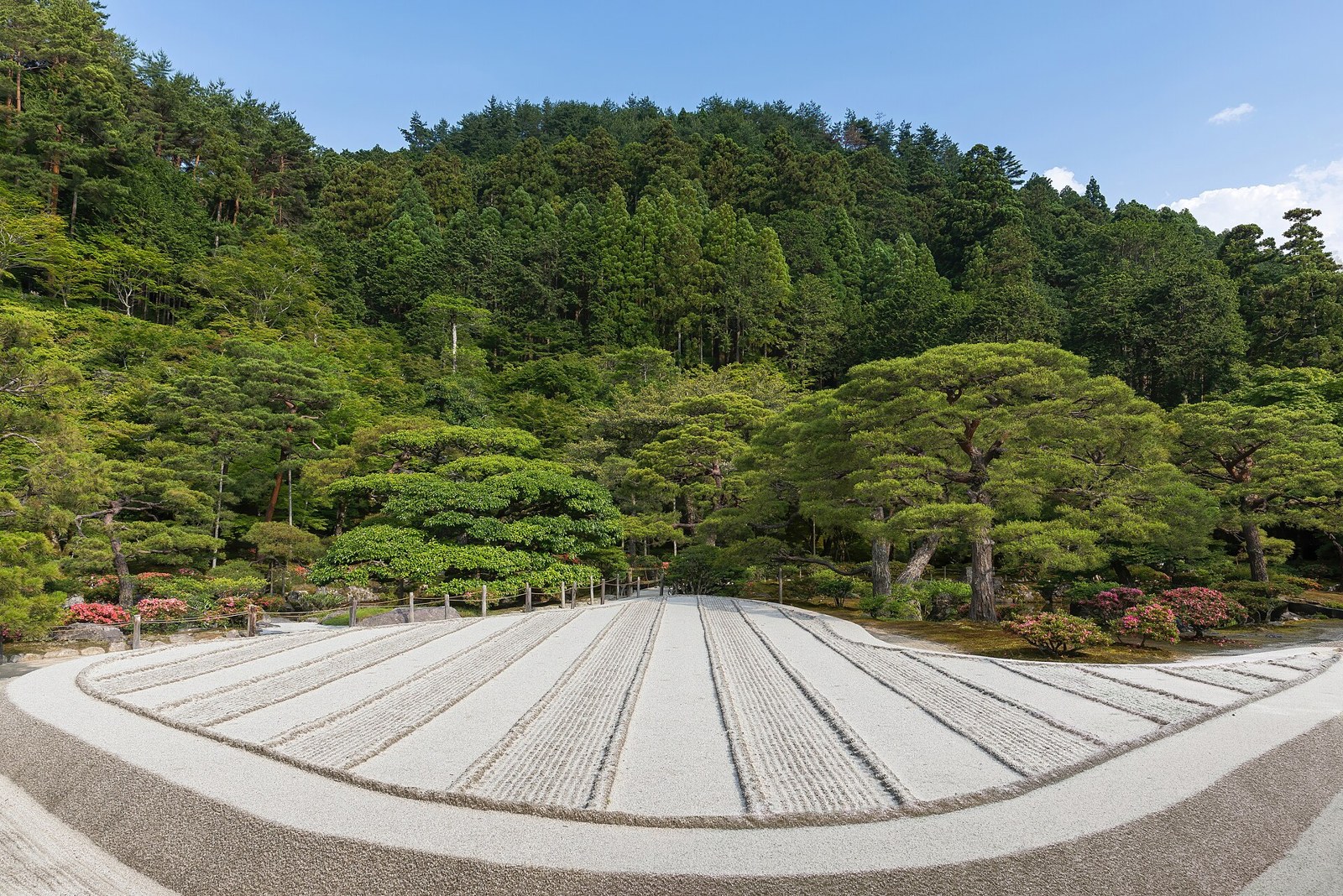
An attentive approach to Kyoto gardens, with time for framing, seasonal change and the rules that protect quiet spaces.
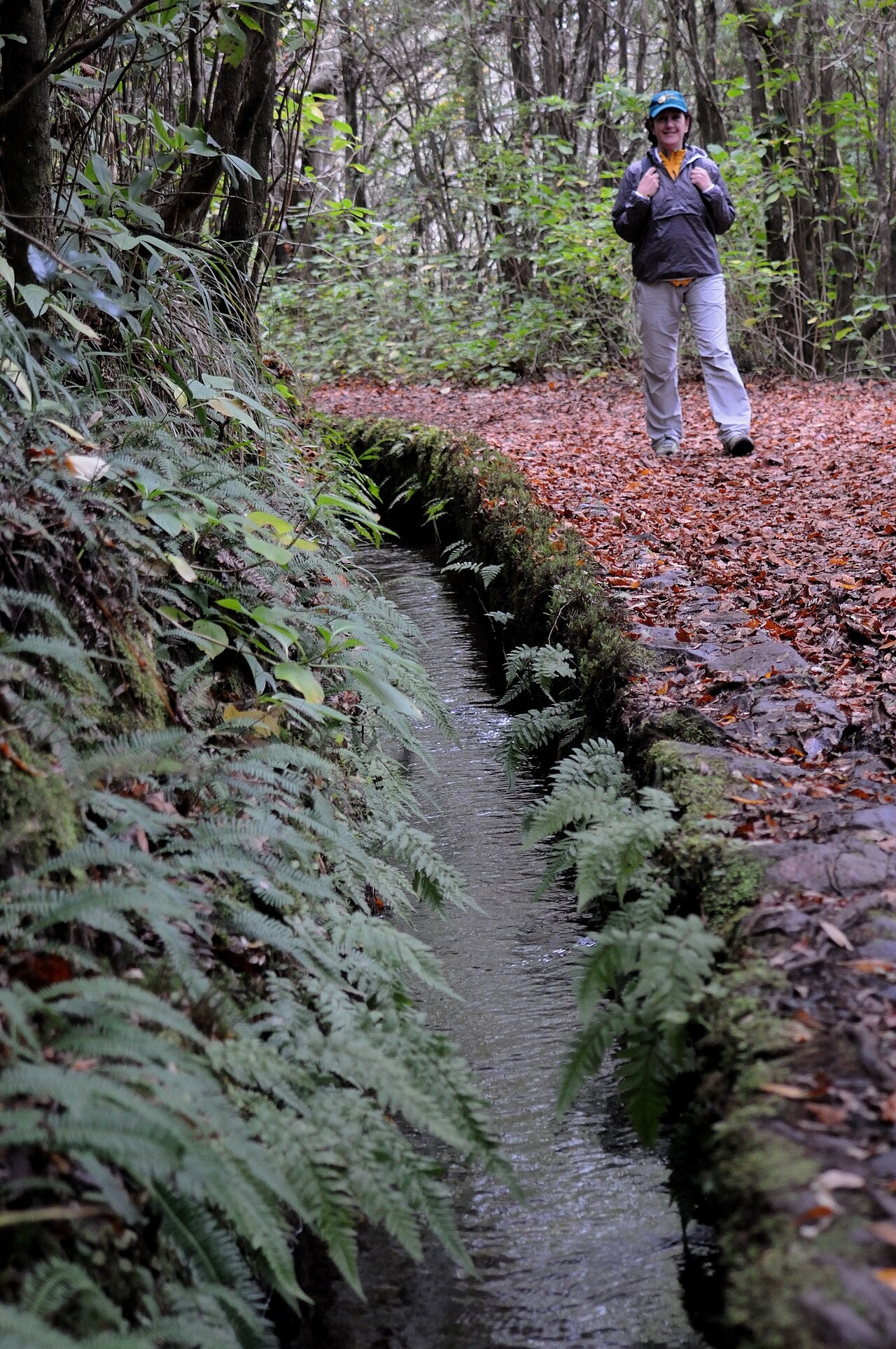
On a levada path, Madeira reveals itself at the speed of running water. A narrow channel slips around a hillside, trees lean across the walking line, and a break in the canopy suddenly opens an entire valley. These are working landscapes rather than scenery arranged for hikers. Water infrastructure, cultivated slopes and forest occupy the same frame. The most rewarding visit is not a race towards a famous waterfall, but a carefully chosen walk that lets you notice how the island holds together.


