SCENTIstanbul, Türkiye
Following the aromas of Istanbul
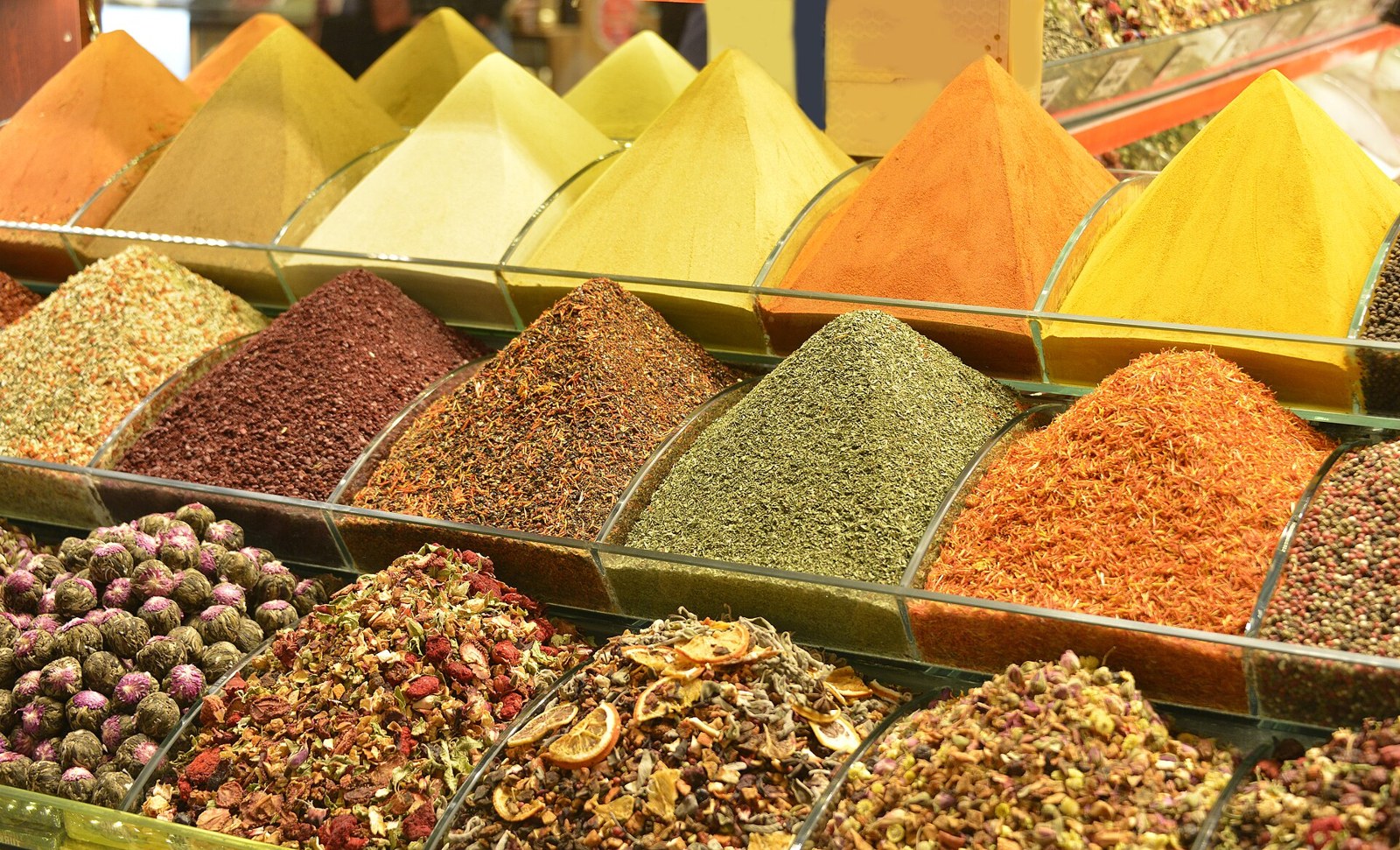
Explore the Spice Bazaar and its surrounding streets through ingredients, careful shopping and the everyday movement of a working city.
8 min readRead story
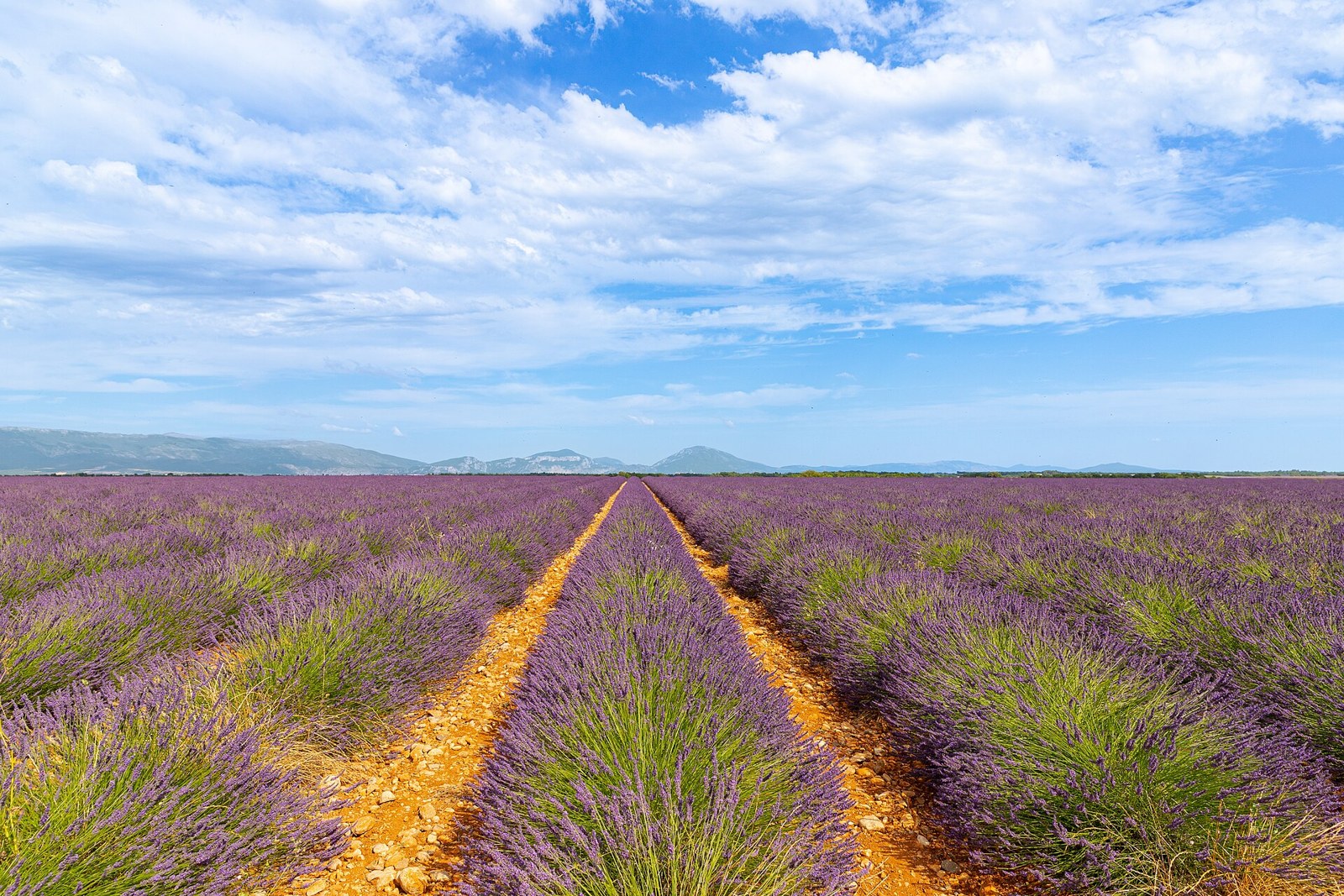
A lavender journey built around working farms, flowering conditions and the differences between a field, a distillery and a finished scent.
By Journey Into Wellbeing editorial team
Published: November 11, 2026
Updated: November 11, 2026
7 min read
Flowering is generally associated with summer, but altitude, weather and harvest schedules vary. Confirm local conditions rather than relying on a fixed peak date.
Avignon, Aix-en-Provence and Marseille are useful rail gateways. Rural fields usually require a carefully planned road connection; village buses do not necessarily reach farms.
Lavender country is not a single garden with a synchronized opening day. It is a working agricultural landscape, and the purple field in a photograph may be at a different altitude, in a different district or already harvested when you arrive. Plan around a region first, then ask its tourist office about current flowering. A successful visit can include a field viewed from a legal roadside stopping place, a village walk and a producer visit without depending on one famous photograph.
The scent is similarly variable. A breeze may carry it across a path, while a still day may bring very little fragrance at a distance. Do not enter rows or crush flowers to create a stronger smell. Instead, ask whether a farm offers an authorized visit or a sample of dried material. The distinction matters: enjoying lavender should not require damaging the product that supports the landscape or assuming that attractive farmland is public recreational space.
The words lavender and lavandin are often used loosely in visitor conversation, but they do not describe identical plants. Lavandin is a hybrid cultivated widely for its aromatic uses, while fine lavender has its own growing conditions and product identity. Provence's regional tourism material distinguishes fine lavender, spike lavender and lavandin, and connects the flowering season with visits to museums and distilleries. Learning the labels makes shopping and field visits much more interesting.
Ask a producer which plant grows in the field you are seeing and what happens to the harvest. Compare a dried flower sample with a finished oil only when samples are explicitly offered. You may find the finished product much more concentrated than the scent drifting across a field. Avoid turning that comparison into a judgment about purity or therapeutic value. A pleasant fragrance is not evidence of a medical benefit, and an expensive bottle is not automatically the right souvenir for your needs.
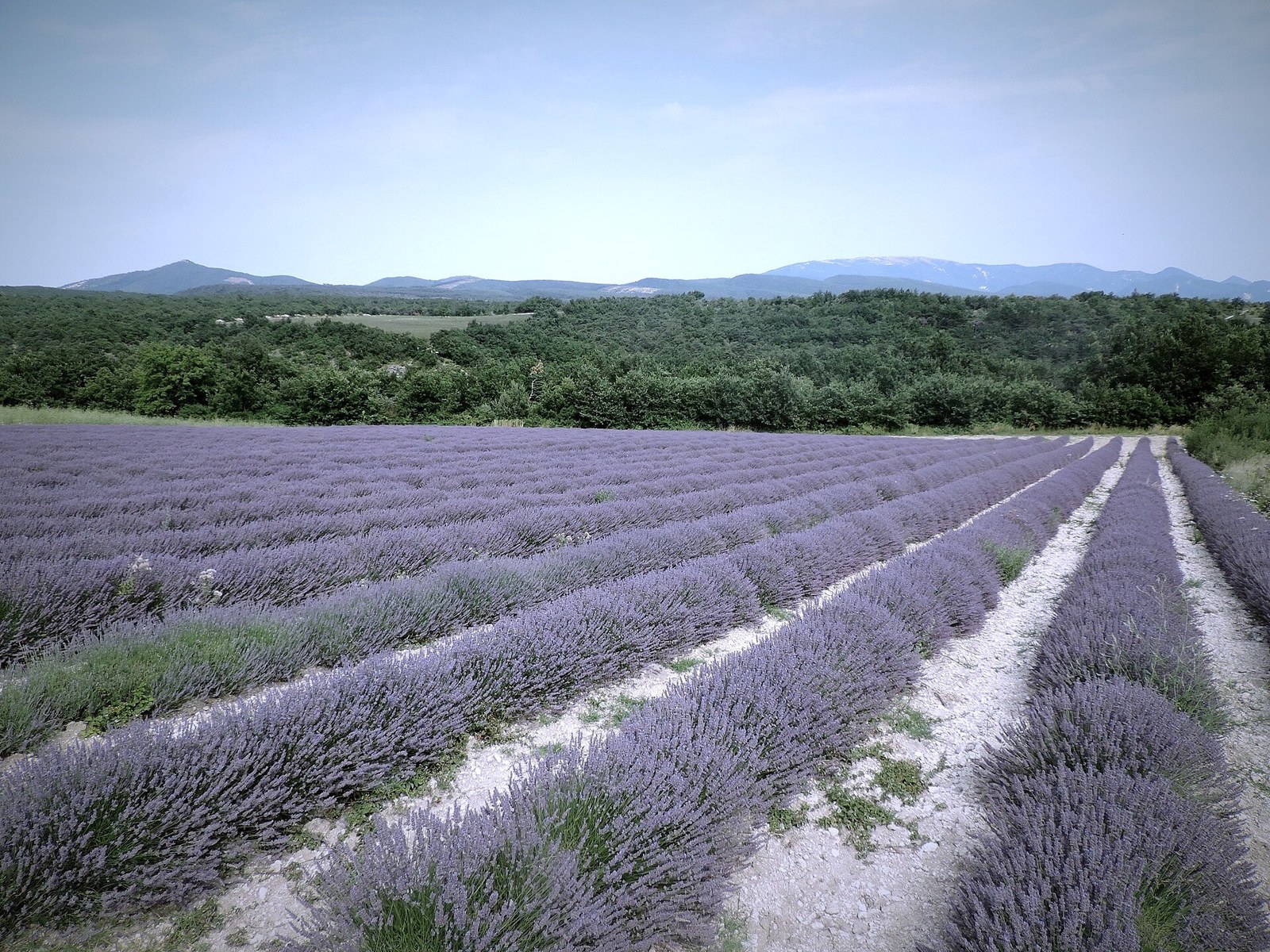
Sault and the surrounding uplands, the Luberon and the Valensole area are different bases for lavender exploration, not stops that must all be linked in one long day. Choose one area according to your arrival point, accommodation and willingness to drive rural roads. A compact plan leaves time for a legal parking space, a shaded lunch break and a conversation with a producer. It also makes a change in local flowering conditions easier to accommodate.
The Vaucluse tourism itinerary links the Lavender Museum in Coustellet with the wider lavender landscape and explains the value of learning about cultivation before heading into the fields. Use such itineraries as orientation rather than a binding schedule. Check each venue's current opening arrangements separately. If your chosen field area has been cut, a museum or distillery can still explain the plant and its uses without a long drive in search of unverified reports of remaining flowers.
A distillery provides context that a roadside view cannot. It can show how harvested plant material becomes an aromatic product and why the timing of the harvest matters to growers. However, a venue being open does not mean that active distillation will happen during your visit. Ask whether you will see machinery at rest, an explanation, a demonstration or a working production process. Those are all potentially worthwhile experiences, but they are not interchangeable.
Stay behind marked boundaries around equipment and follow instructions about hot surfaces. Ask before taking photographs of workers, and avoid interrupting someone who is managing machinery. If you want to buy an oil, read the botanical identification, intended use and precautions. Do not ingest essential oils or apply a concentrated sample directly to skin simply because it is natural. Visitors with asthma, fragrance sensitivity or other concerns may prefer an outdoor field viewpoint to an enclosed room with strong aromatic products.
A car can make rural lavender areas more practical, but narrow roads and limited stopping places require patience. Pull fully into a permitted parking area, keep gateways clear and never stop on a blind bend for a photograph. A shoulder that looks empty may be needed by agricultural vehicles. Plan the next stop before moving off rather than slowing unpredictably while everyone in the vehicle searches for a view. Do not follow a navigation shortcut down an unsigned farm track.
Cycling can be rewarding for experienced riders, but summer heat, hills and exposed stretches change the effort involved. Choose a route that matches your ability and carries you to confirmed services rather than assuming every hamlet has an open shop. For public transport, work backward from the final return connection and check the actual operating day. Arriving in a village is not the same as reaching a field safely on foot. Where there is no safe walking link, choose a village-based visit instead.
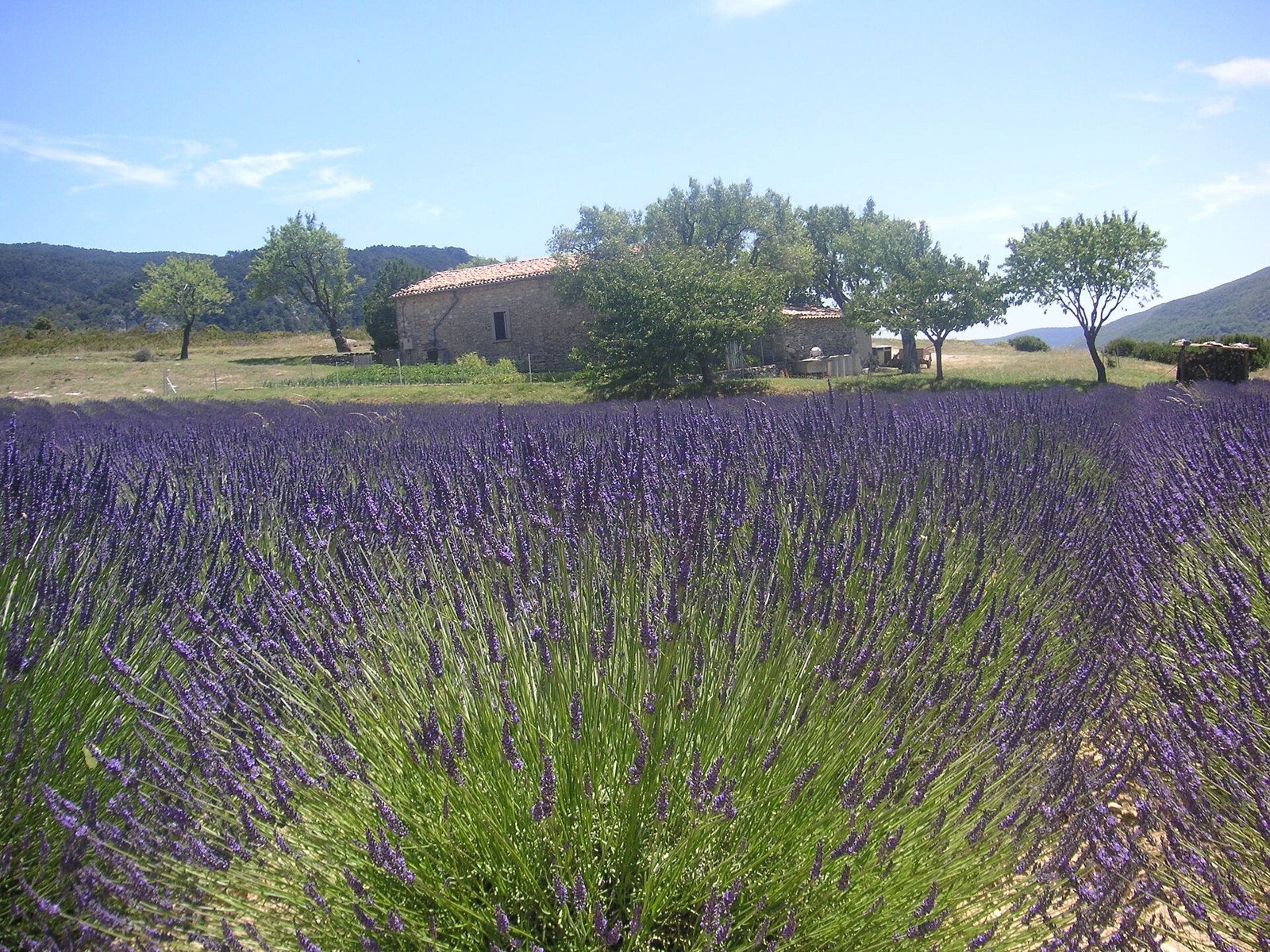
Summer lavender visits often involve exposed ground with little shade. Carry drinking water, sun protection and a hat, and build indoor or shaded pauses into the day. Early or later light may be attractive for photography, but access rules still apply outside normal visiting hours. Do not assume that a field becomes freely accessible when the farm shop closes. Keep children close to paths, particularly beside roads and working equipment.
Bees and other insects visit flowering lavender. Watch from a respectful distance rather than pushing through rows, and follow your usual medical plan if you have a known sting allergy. In hot, dry weather, check local fire restrictions before setting out on a countryside walk. Do not smoke near dry vegetation or park over it. A closed path or restricted area should change your plan immediately. The lavender landscape is more valuable as a living place than as an image obtained by ignoring a temporary safety rule.
A souvenir is more useful when you know how you will use it. Dried sachets, soaps and oils are different products, with different storage and handling needs. Read ingredient information if fragrance or skin sensitivity matters, and check airline and customs rules before packing liquids or plant material. Ask where the lavender was grown and where the product was made. Treat clear answers as helpful information, not a guarantee that every marketing description has an independently certified meaning.
Some well-known lavender views include religious sites, including Senanque Abbey. A working religious community is not merely a backdrop: follow visiting arrangements, respect silence where requested and distinguish access to buildings from access to adjacent farmland. Elsewhere, remember that village streets are residential as well as scenic. Keep entrances clear and avoid photographing people through windows. Leave room in the trip for a market, a meal or a shaded square, so that Provence remains a lived landscape rather than a succession of fields viewed through a camera.
Not reliably. Seasonal patterns help identify a likely period, but weather, altitude and harvesting decisions affect individual fields. Ask the local tourist office close to departure and keep a non-field option in the same area. Avoid nonrefundable plans that depend entirely on one photograph or one specific farm.
Only when the owner or authorized visitor arrangements permit it. A field beside a public road remains farmland. Use designated paths and entrances, do not pick flowers, and keep away from machinery. If access is unclear, enjoy the view from a lawful public place rather than treating silence as permission.
Yes, if your interest includes cultivation, production and products rather than purple fields alone. Museums and some producer venues may offer visits outside summer, but schedules vary. Confirm access before travelling and combine the visit with nearby villages instead of expecting active harvesting or distillation at any time of year.
Verify opening arrangements, transport, access rules and safety information with official sources. We omit numerical budget ranges where reliable current figures have not been verified.
Keep exploring
Explore the Spice Bazaar and its surrounding streets through ingredients, careful shopping and the everyday movement of a working city.
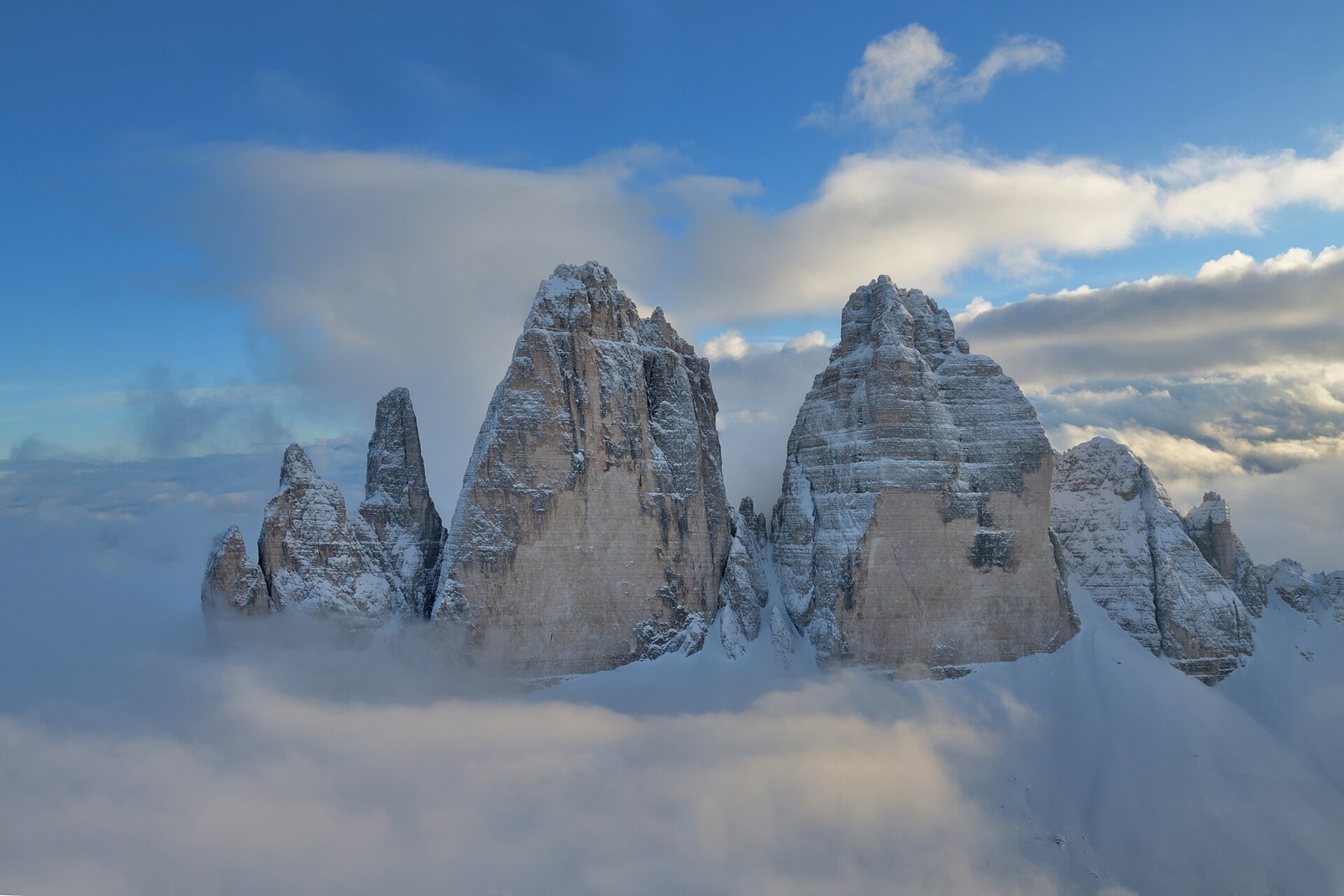
Choose a valley, understand the mountain conditions, and give this complex landscape more than a hurried photograph.
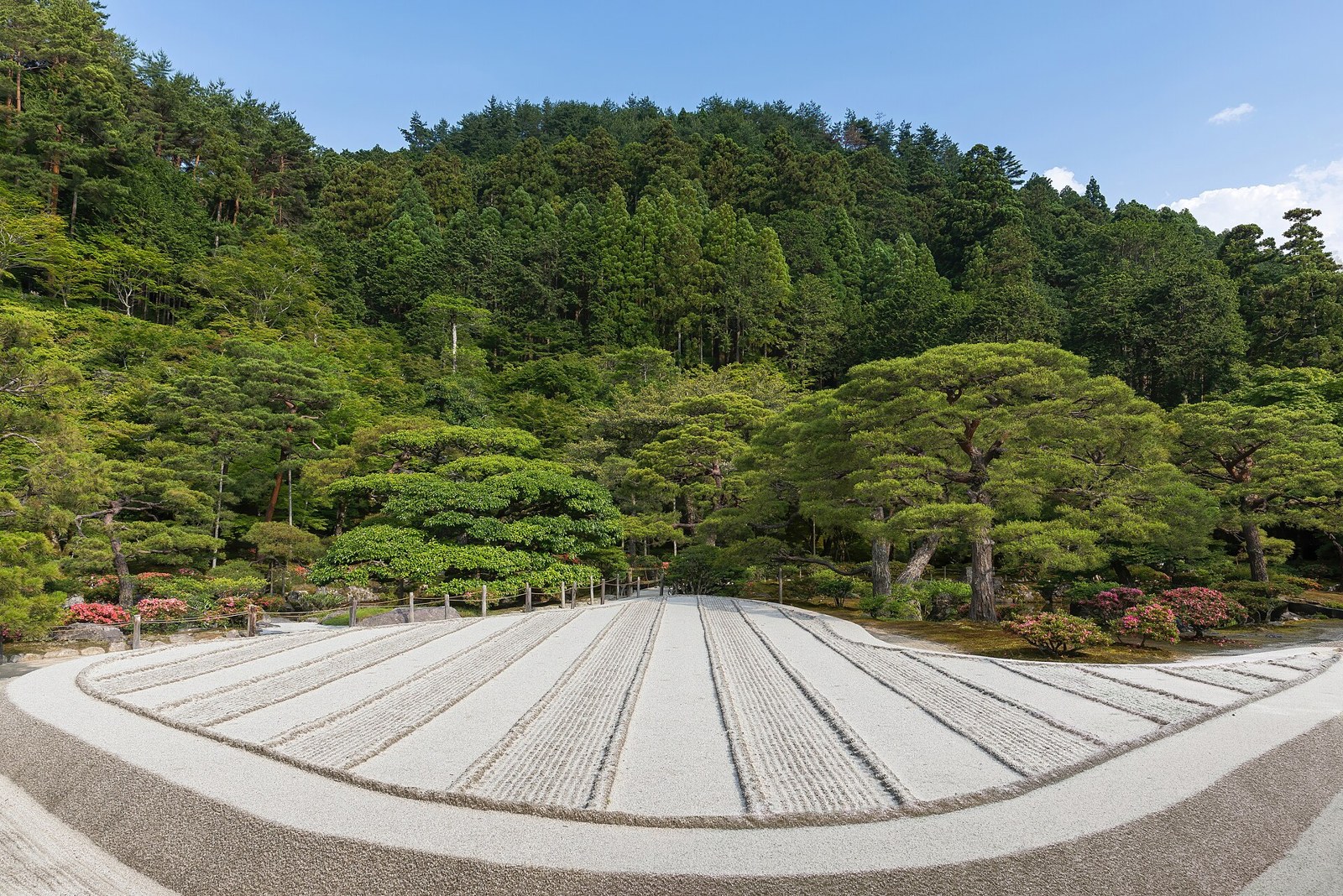
An attentive approach to Kyoto gardens, with time for framing, seasonal change and the rules that protect quiet spaces.


