SIGHTDolomites, Italy
The Dolomites, a landscape worth slowing down for
Choose a valley, understand the mountain conditions, and give this complex landscape more than a hurried photograph.
8 min readRead story
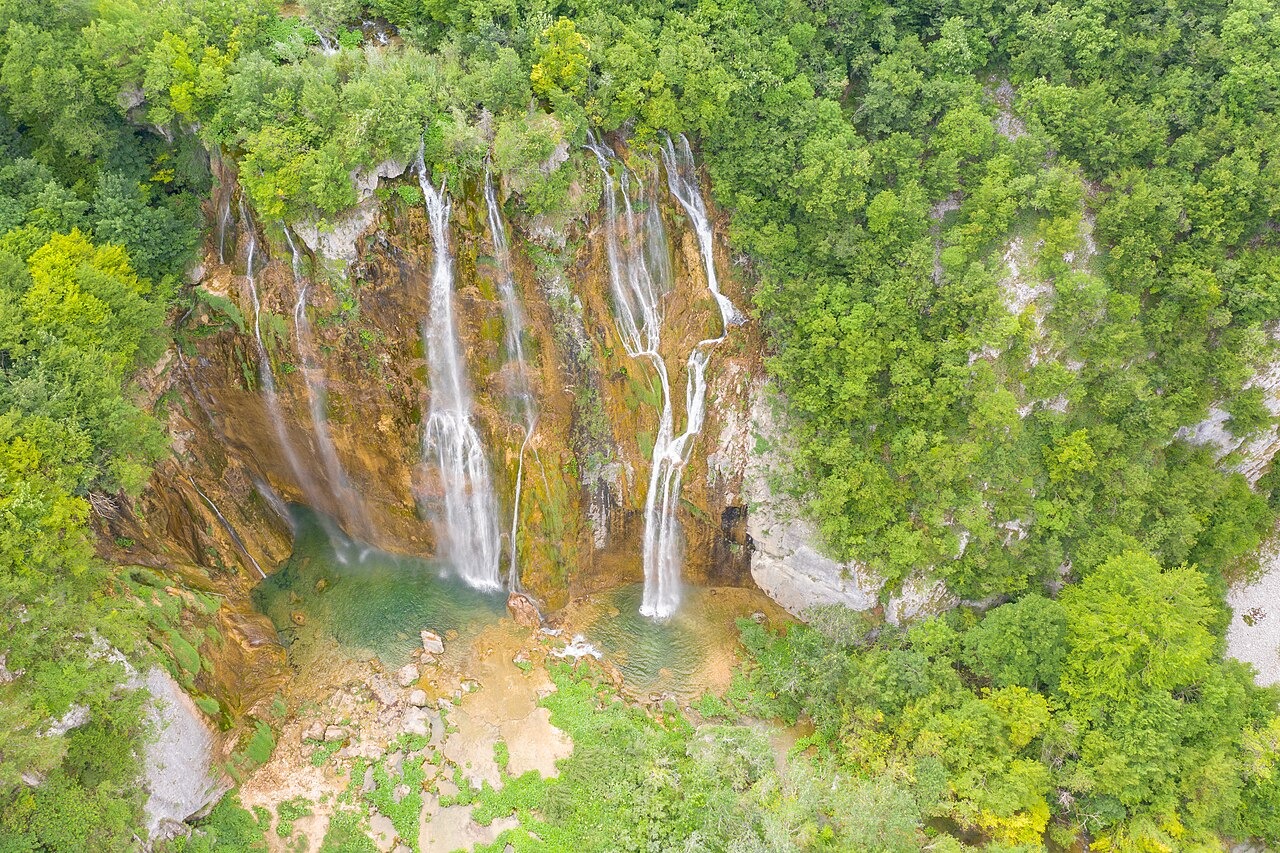
At Plitvice Lakes, water is rarely just a view. It runs beside a wooden walkway, disappears under vegetation and returns as a fall you hear before you see. Croatia’s celebrated lake landscape is best approached as a walking day with choices, not a checklist of famous photographs. Pick an official route that suits your stamina, allow time for shared paths and let the smaller changes in water and woodland hold your attention. The practical details of entrances, tickets and return transport make that slower experience possible.
By Journey Into Wellbeing editorial team
Published: November 11, 2026
Updated: November 11, 2026
9 min read
Spring and autumn can offer an appealing balance for walking, with variable weather and seasonal operations to check. Summer is a popular period; plan for shared narrow paths and warmer conditions. Winter can bring ice, snow and restricted access, so confirm open areas before travelling.
Reach the park by road from a Croatian base such as Zagreb or Zadar, using a suitable bus connection, organised excursion or car. Confirm the actual entrance served and the return arrangement before buying timed admission. Staying nearby can reduce dependence on a long same day return journey.
The first mistake at Plitvice is to treat each waterfall as an isolated attraction. Water, vegetation and the shape of the valley make a connected landscape, and a good walking route lets you feel those relationships. Look back occasionally from a safe stopping place: the scene behind you may explain how a broad lake becomes a narrow channel better than the view straight ahead. There is no single photograph that contains the whole experience.
The official park programmes distinguish the Lower Lakes canyon, the Upper Lakes and Lake Kozjak. Use those names when planning instead of asking only for the most scenic trail. They describe different parts of the visit and help you understand what a shorter programme leaves out. Missing one area is not a failure if it produces a manageable day. A lake seen attentively is more rewarding than several reached while worrying about the last bus home.
The park publishes circular lake tour programmes with starting entrances, approximate durations and distances. Read the complete description rather than choosing a letter from somebody else’s itinerary. Some programmes combine walking with an electric boat and a panoramic vehicle, while longer walking options place different demands on the day. Published durations are planning guides, not promises about your personal pace or the length of queues.
Choose the route around the slowest walker and build in breaks, photographs and transport connections. If a party has very different abilities, discuss that before buying tickets rather than negotiating at a narrow junction. Ask staff which programmes are operating under current conditions and where a permitted shorter return is possible. Do not improvise a shortcut from an unofficial map line, particularly where the landscape makes the other side of a lake seem temptingly close.
Programme A is described by the park as a circular Lower Lakes walk from Entrance 1, including the Great Waterfall area and a return along the canyon’s eastern side. It is a useful candidate for visitors who want a more contained itinerary. Read its terrain and current access information as well as the distance: shorter does not mean level, step free or suitable for every mobility requirement.
Programme C, also beginning at Entrance 1, combines Lower and Upper Lakes with walking and park transport. Its broader coverage can be attractive if you have the time and stamina, but it should not be selected simply because it includes more names. Check the operating timetable and leave enough margin for waiting, resting and returning to the same entrance without having to hurry.
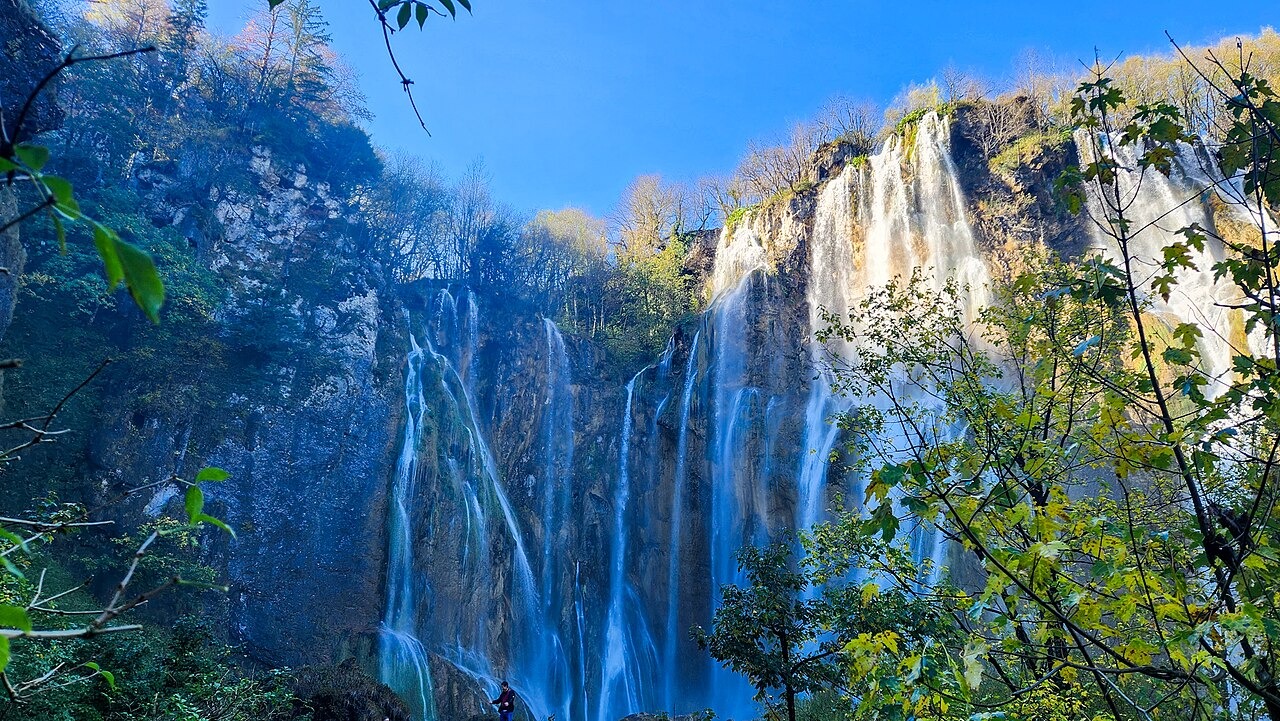
The park’s official ticket guidance asks online purchasers to validate their ticket at the selected entrance within the purchased time period. That makes the entrance part of the booking, not a minor detail to settle on arrival. Match your bus stop, parking plan or tour drop off to the chosen gate. Save the ticket offline and make sure everyone in the party knows where it is stored.
Buy through the official system or establish clearly what a legitimate operator includes. Tickets may be sold at entrances when available, but availability should not be the foundation of a tightly timed trip. Read the conditions for your ticket type and the current operating information shortly before departure. A confirmation of admission does not mean every path, boat service or viewpoint will be operating in all weather. If your route depends on a particular connection, ask about it explicitly.
The park describes narrow walking trails, uneven terrain and wooden bridges along the shores. These features create much of the intimacy of the experience, but they also require patience. Wear footwear with dependable grip and keep your attention on the surface when moving. A lakeside boardwalk is not a good place to walk backwards for a video, open a large umbrella without looking or stop an entire group for a prolonged portrait.
Take photographs where you can stand without obstructing others, and wait for a safe space to pass rather than stepping off the route. The water may look close and inviting, but park rules prohibit swimming and leaving marked paths. Keep voices low, never feed animals and avoid speakers. Quiet is not an aesthetic demand imposed on other visitors; it is part of the park’s published approach to protecting wildlife and allowing everyone to experience the place.
In spring, plan for rain and conditions that may change the available itinerary. In autumn, falling leaves and woodland colour can shift attention away from the water, but wet surfaces still need care. Summer offers its own practical questions: sun exposure, drinking water, busy paths and how long your group is comfortable standing in a queue. No calendar recommendation can replace the current park notice and the day’s forecast.
Winter is a separate planning exercise, not a summer itinerary with a heavier coat. Ask which entrances, routes and transport services are operating, and whether ice or snow affects safe walking. Never cross a barrier because a photograph online shows the path open in another month. Keep a flexible alternative outside the lake zone if conditions prevent the intended visit. Seeing less safely is preferable to pursuing an image of the park that the season cannot responsibly deliver.
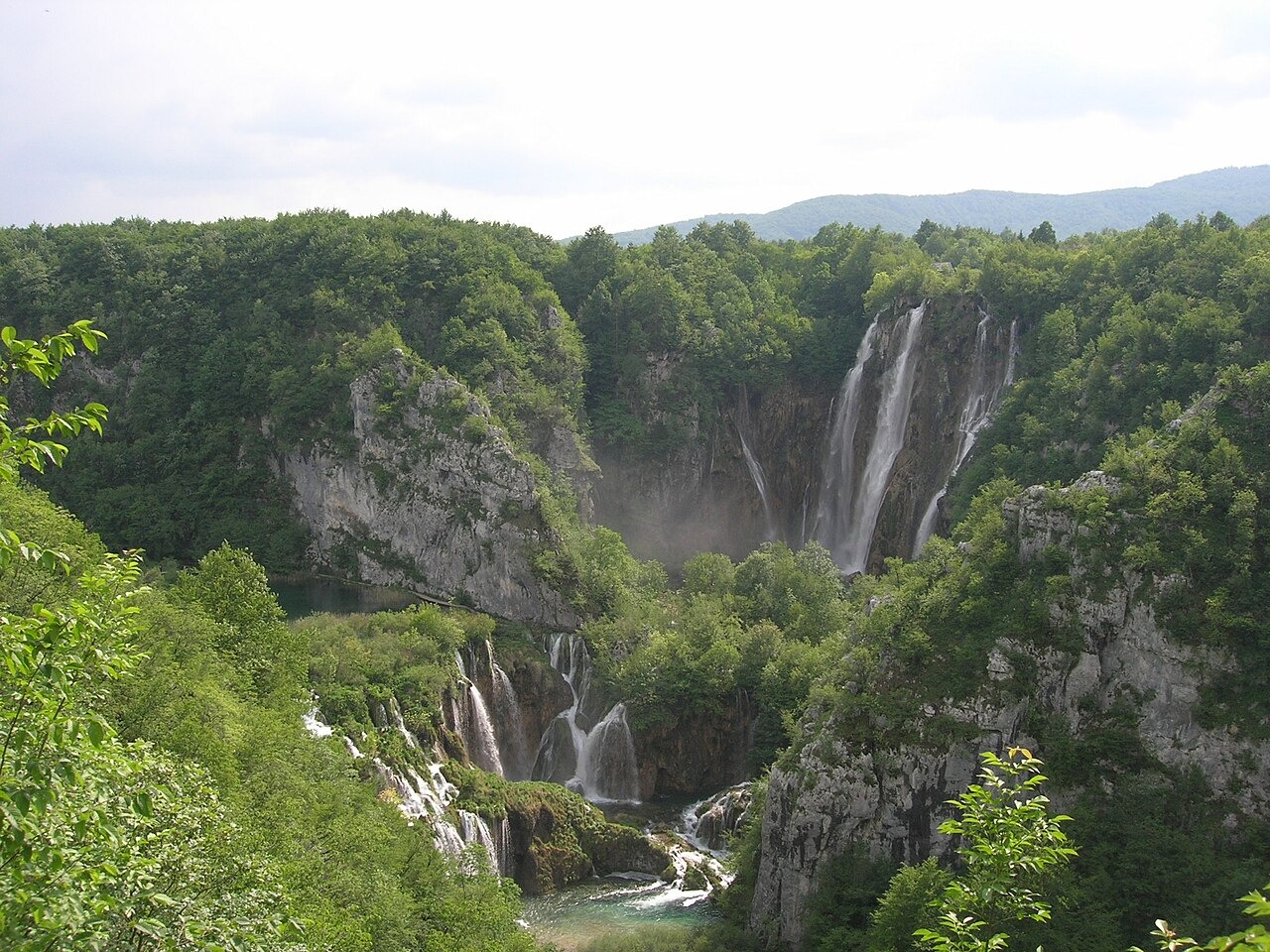
The official activities guidance says that lake zone trails are not fully adapted for wheelchair users and that children’s strollers are not recommended. Do not translate the presence of boardwalks or a boat into an assumption of universal access. Contact the information centre with your specific needs and ask about steps, surfaces, gradients, boarding arrangements and the distance between accessible facilities. A general assurance that a route is easy does not answer those questions.
For children and anyone who tires unpredictably, carry only what you can manage on narrow paths and choose a conservative route. Bring water, a snack and weather protection, and check where facilities lie before starting. Breaks should happen at suitable spaces, not on an exposed edge or a narrow bridge. A plan that acknowledges fatigue early is kinder to the group and to other walkers than one dependent on finishing every advertised attraction.
A same day excursion can work, but compare time on the road with actual time available inside the park. Check whether an advertised tour includes admission, a guide or merely transport. A nearby overnight stay may cost more than an immediate return yet give you a less compressed day. Include parking where relevant, meals and onward travel in the comparison rather than judging the options by a headline ticket price.
The official admission guidance includes the electric boat and panoramic vehicle within the selected sightseeing programme, subject to operating arrangements. Verify current inclusions instead of buying an unnecessary duplicate service. Prices vary by period and visitor category, so use the official price list for your date rather than a remembered amount. If using a public bus, verify its actual stopping point, reservation conditions and return departure. Leave a buffer between finishing the walk and reaching the roadside stop.
The park’s rules prohibit damaging rocks and trees, picking plants, disturbing wildlife, fires and camping in the protected zone. They also prohibit cycling and remotely controlled aircraft for aerial filming. These are not optional etiquette points that disappear when an area looks quiet. A viewpoint remains worth seeing without launching a drone, and a lake edge remains part of the protected landscape even if an informal track leads towards it.
Finish by noticing something smaller than the headline waterfall: the meeting of water and a fallen branch, changing reflections or the sound of a channel beneath the walkway. Leave it exactly as you found it. Carry rubbish to an appropriate bin or out of the park, and make no attempt to move natural material for a cleaner photograph. Plitvice’s appeal depends on a living setting that visitors pass through. The best walking day makes that temporary role feel like a privilege, not an inconvenience.
No. The park’s published rules prohibit swimming within the national park zone. Stay on marked routes and do not enter the water for a photograph, even if somebody else does. Plan any recreational swimming as a separate activity at a place where it is explicitly permitted.
Choose the entrance that matches your official route, ticket and transport plan. Entrance 1 and Entrance 2 are not interchangeable details on the day. Read the programme description, confirm current access and make sure your driver or bus serves the entrance you have actually booked.
The park states that lake trails are not fully adapted for wheelchairs and does not recommend strollers. Speak directly with park staff about your requirements before purchasing. Ask for a specific feasible itinerary, including terrain, facilities and transport boarding, rather than relying on general accessibility claims from an unrelated booking page.
The official price guidance includes boat and panoramic vehicle transport within the selected sightseeing programme. Check the conditions and current operating schedule for your visit, since admission is not a guarantee that every service runs in every season or weather condition. Keep your valid entrance ticket available throughout the day.
Verify opening arrangements, transport, access rules and safety information with official sources. We omit numerical budget ranges where reliable current figures have not been verified.
Keep exploring
Choose a valley, understand the mountain conditions, and give this complex landscape more than a hurried photograph.
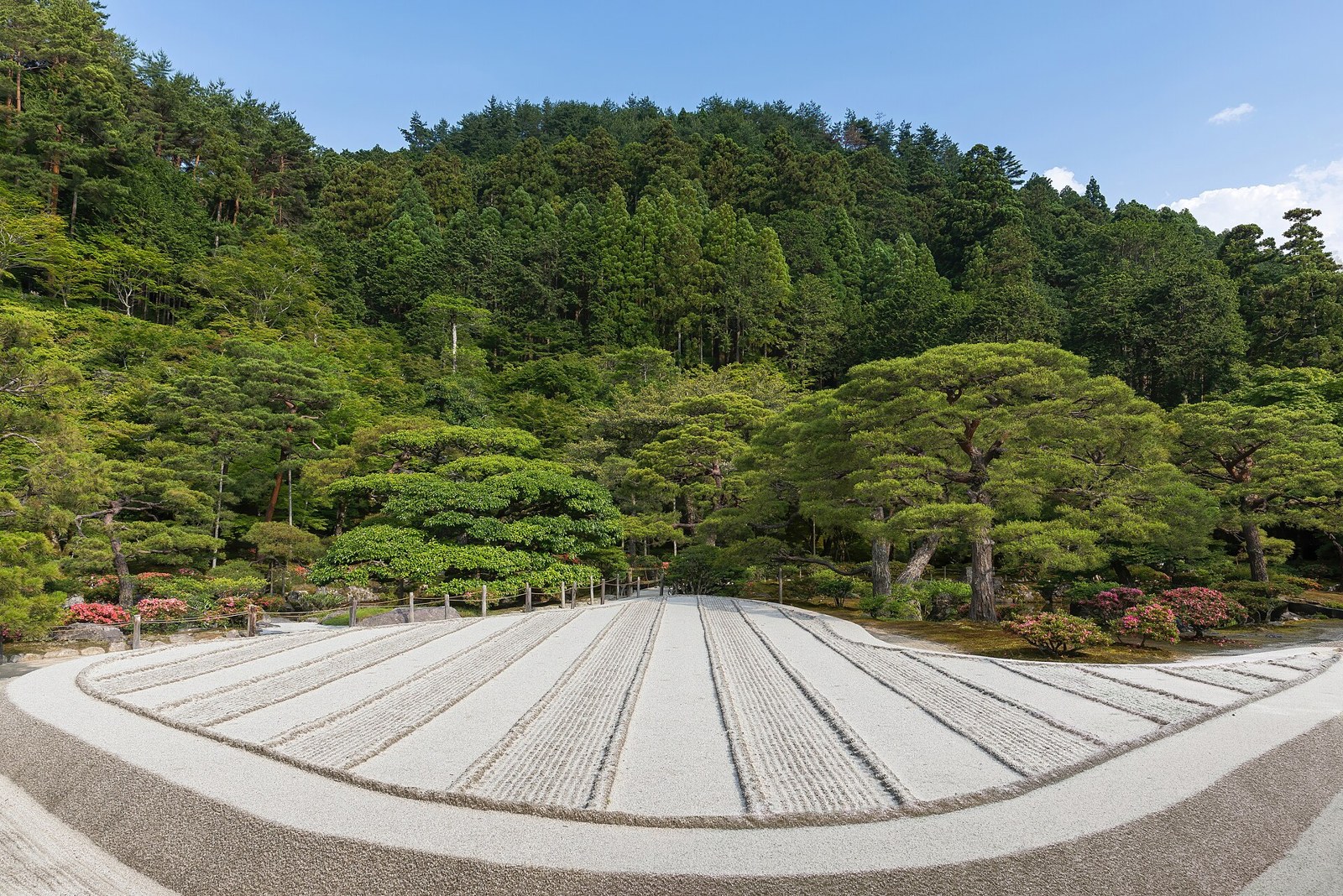
An attentive approach to Kyoto gardens, with time for framing, seasonal change and the rules that protect quiet spaces.
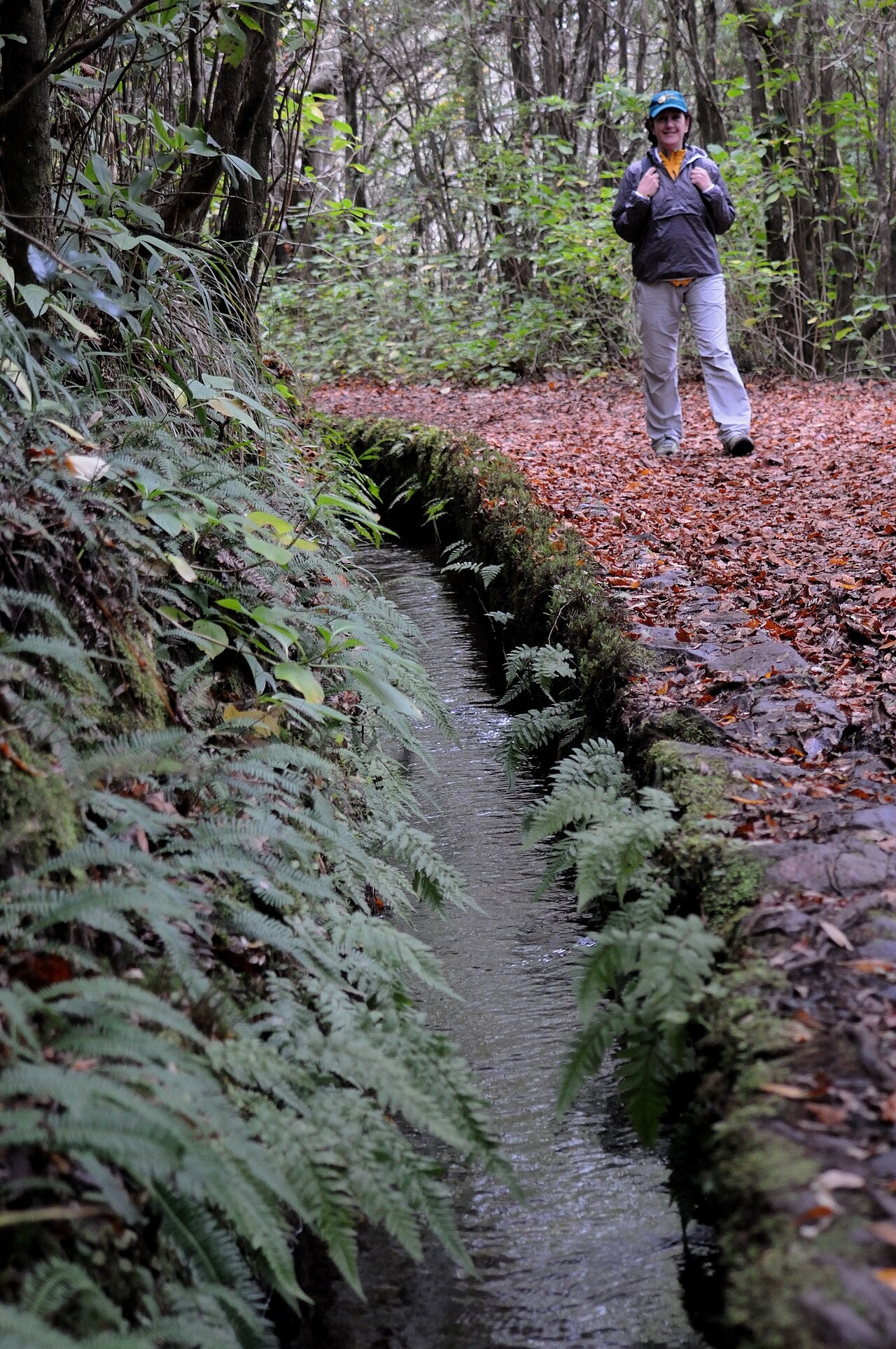
On a levada path, Madeira reveals itself at the speed of running water. A narrow channel slips around a hillside, trees lean across the walking line, and a break in the canopy suddenly opens an entire valley. These are working landscapes rather than scenery arranged for hikers. Water infrastructure, cultivated slopes and forest occupy the same frame. The most rewarding visit is not a race towards a famous waterfall, but a carefully chosen walk that lets you notice how the island holds together.


