TOUCHFez, Morocco
Made by hand: the craft traditions of Fez
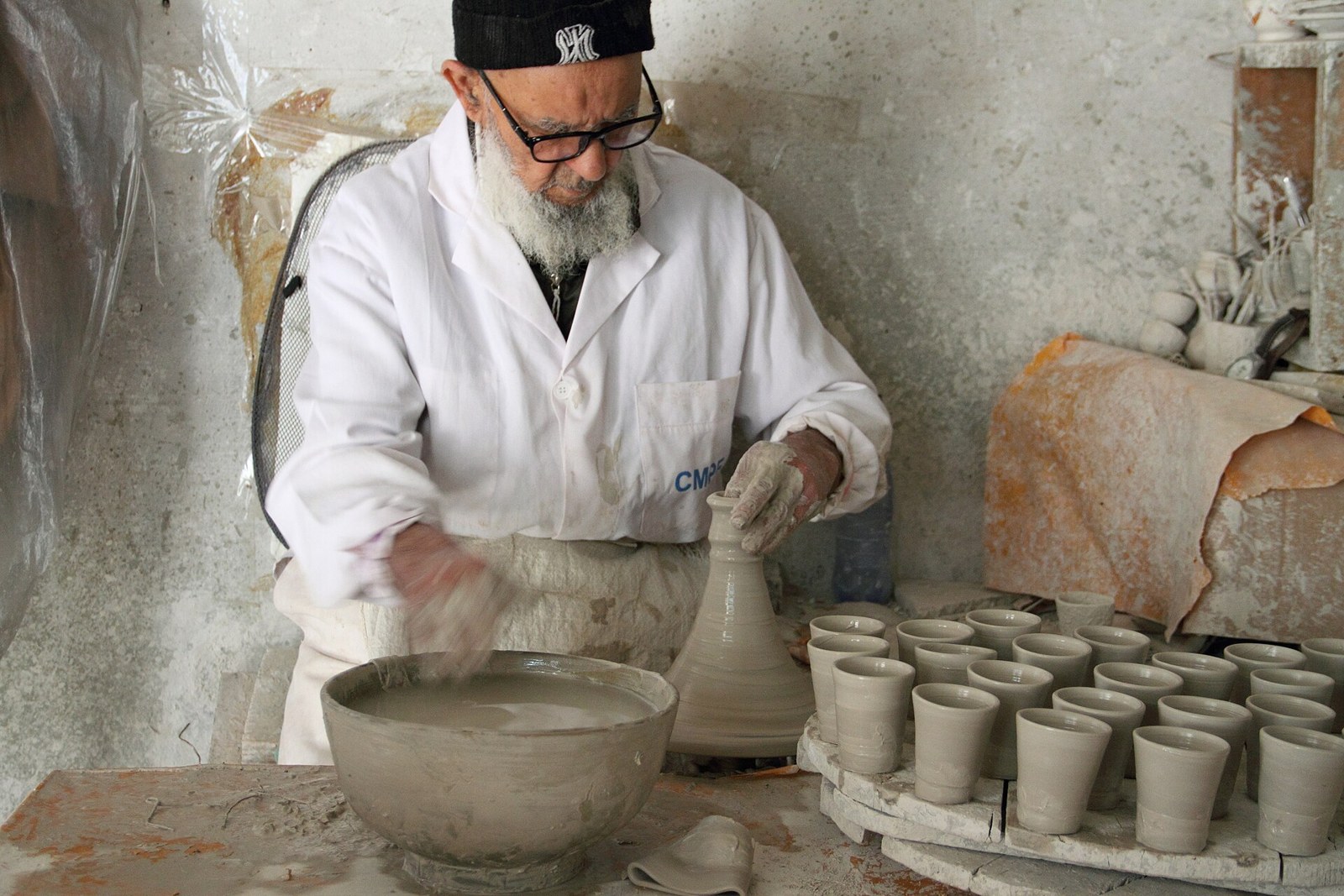
Meet the materials and working skills of Fez through careful observation, permission-based handling and thoughtful purchases.
8 min readRead story
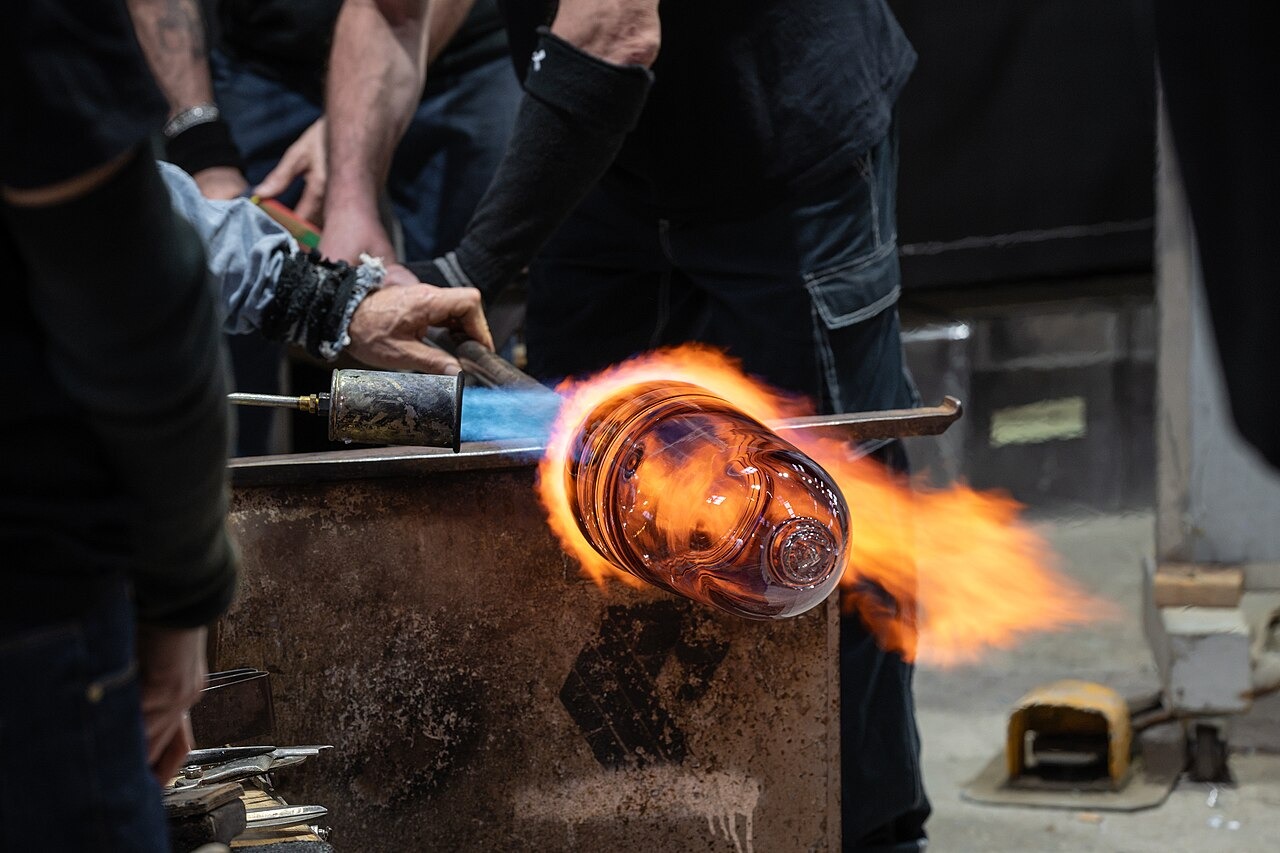
Murano rewards a visitor who looks beyond the sparkle of a shop window. In this Venetian lagoon community, glass connects the furnace, the workbench and the museum case. A convincing visit brings those settings together without confusing observation with permission to participate. Watch a maker control a changing form, compare the result with historic examples, then ask careful questions about the object you might take home. Touch belongs to supervised activities and finished objects offered for handling, never to hot glass or a working tool.
By Journey Into Wellbeing editorial team
Published: November 11, 2026
Updated: November 11, 2026
8 min read
Spring and autumn are useful planning options for walking between stops, but check forecasts, navigation notices and individual workshop calendars. Summer furnace visits can feel hot; winter requires layers and flexible transport plans.
Reach Murano by public waterbus from Venice using the current ACTV journey information. Choose the island stop nearest your confirmed appointment, allow for walking and bridges, and check the return service before setting out.
Murano is an inhabited place and a working glassmaking centre, not a single attraction with one entrance. Venezia Unica, the city's visitor platform, places it in the northern lagoon and describes a glassmaking tradition continuing from the late thirteenth century. That long continuity is a reason to look carefully rather than a guarantee that everything in every shop was made locally. Start with an appointment or a museum visit, then leave room to walk between them without making each window into a shopping obligation.
Give the day a simple question: how does a maker turn a material into a controlled shape? That question makes a furnace demonstration more revealing and a museum display less remote. Notice the difference between a vessel's outline, its surface decoration and its use of colour. You do not need specialist vocabulary before arriving. A useful visit begins by admitting what you cannot yet distinguish and asking for an explanation when the maker is ready to speak.
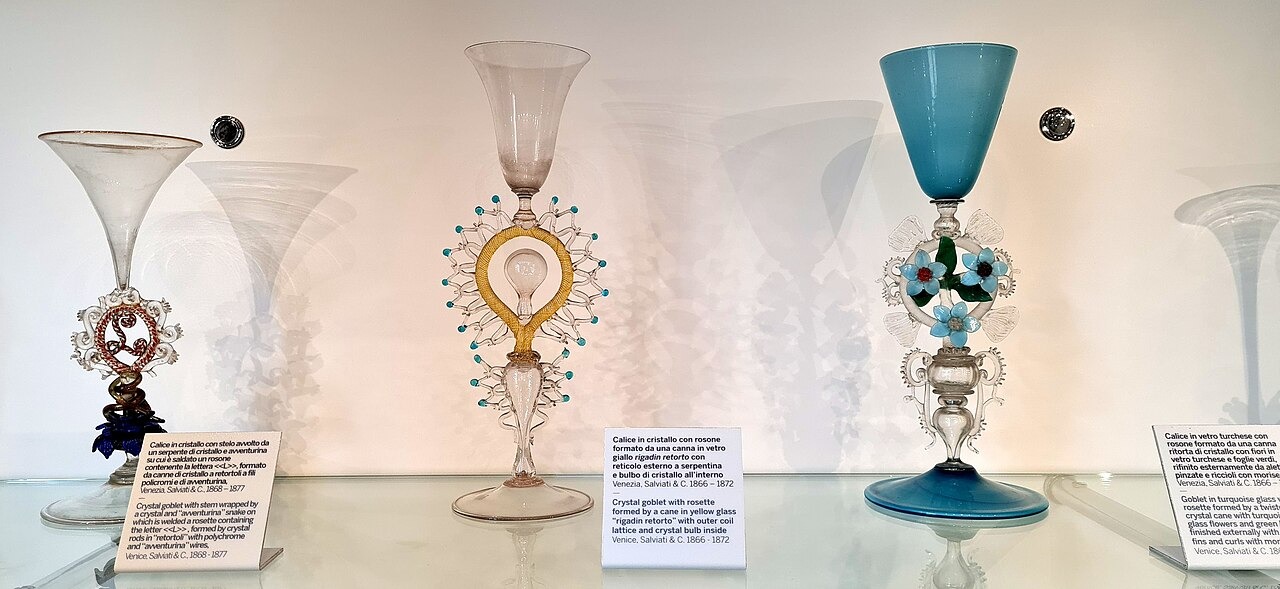
The official Museo del Vetro collection itinerary connects ancient glass with Murano production across later centuries. Its account of Venetian glassmaking emphasises exchanges with the Mediterranean and eastern worlds, rather than an isolated invention story. Read a small selection of labels closely. Compare the relationship between a foot, a stem and a bowl, or the way decoration follows the shape of an object. Looking at fewer pieces attentively can be more useful than trying to remember every room.
The museum describes developments including cristallo, filigree and diamond-point engraving. Treat these as invitations to examine different visual effects, not as interchangeable names for expensive glass. Museum entry and a furnace visit are separate arrangements unless your booking explicitly combines them. MUVE advertises educational activities, but an educational workshop should not be assumed to include furnace work. Check the actual activity description, intended audience, language and booking requirements before building your day around it.
Look at the space inside a vessel as carefully as its decorated surface. A clear bowl can reveal small changes of curve that a photograph conceals. With filigree, concentrate on how the lines sit within the form. Ask which part of the effect comes from shaping and which comes from preparation of the glass itself. These questions help connect a historical object with the decisions you later watch at a bench.
The museum also describes later innovation and the challenges of competition from other glassmaking centres. Avoid expecting every contemporary maker to reproduce a historical goblet. A modern object can belong to a living local practice without looking antique. Compare how different makers explain their materials and techniques, and allow contemporary design the same patient attention you would give a celebrated historical piece.
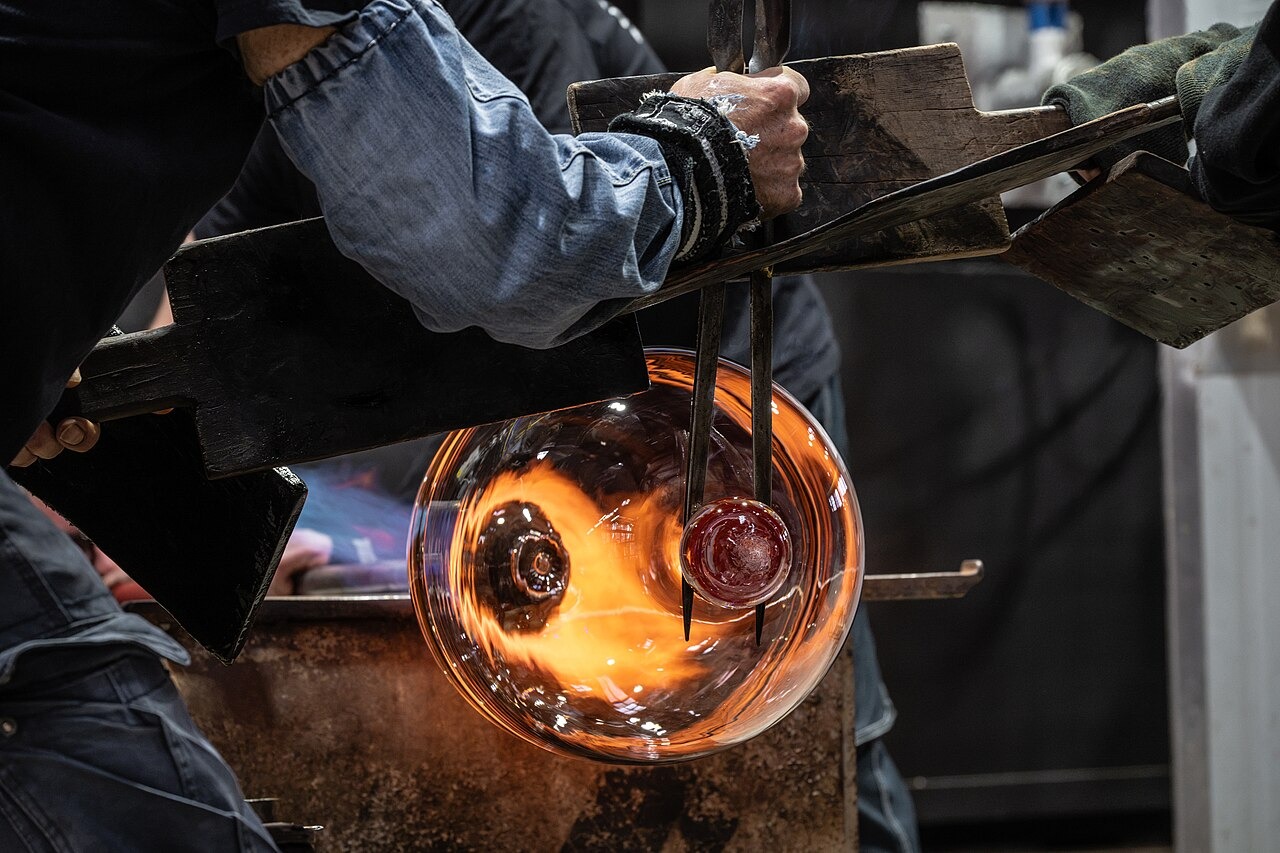
At a demonstration, follow the host's directions before taking photographs or moving for a better view. Stay behind the marked boundary and keep children close. Never touch hot glass, furnace equipment, blowpipes, tools or work resting near the bench. Do not infer that an object is safe because it no longer glows. Only handle a finished item when a staff member explicitly offers it and confirms that it is safe. The interesting part is control, not proximity to danger.
Watch the sequence of actions rather than waiting only for a recognisable finished shape. Look for rotation, changes of angle and the coordination between people. Ask questions during a pause instead of interrupting someone handling material. A short demonstration is an introduction, not a full explanation of the labour behind a complex piece. If the visit ends in a showroom, take time to decide whether you want to browse. Attendance does not create an obligation to buy an object.
Hands-on opportunities do exist, but availability must be confirmed with the provider. Wave Murano Glass advertises a beginners' glassblowing class on its own website. This is evidence of a specific bookable product, not proof that every furnace accepts walk-in learners or that a place will be available on your dates. Contact the operator about the current format, eligibility, language, supervision and what participants actually do. Ask whether your chosen date is a class or a demonstration before paying.
For any practical session, request the clothing and footwear instructions in advance and disclose relevant access needs. Confirm whether protective equipment is supplied and whether spectators may accompany you. Never improvise a task or reach for a tool without the instructor's direction. Ask what happens to the piece afterwards, including any cooling, collection or delivery arrangements. A photograph beside a furnace is not the same product as supervised making, and neither should be described as unrestricted access to hot glass.
Spring or autumn can be sensible starting points for planning a day that includes walking and indoor visits, but neither removes the need to check the forecast. In summer, consider your tolerance for heat around a furnace and carry drinking water for the journey between venues. In winter, dress for exposed boat stops as well as indoor rooms. Ask individual businesses about holiday closures, production pauses and their actual demonstration schedule rather than assuming that visitor activity follows shop opening hours.
Use current ACTV information to select a waterbus journey and the right Murano stop. The nearest landing to one workshop may not be the best landing for another. Save the address and booking confirmation offline, and leave time to locate the entrance without rushing. Check navigation notices again before the return trip. If weather or transport disrupts the plan, contact the venue rather than assuming that a missed slot can automatically be moved to another session that day.
A boat connection does not by itself establish that the whole outing is step free. Ask about the landing, the walking route, bridges, thresholds, visitor seating and accessible toilets at the exact venues you intend to use. The museum provides an official services and accessibility page through its website. Use that information alongside direct contact with the workshop, since the conditions in a museum and a working furnace may differ substantially. Describe the dimensions and turning needs of mobility equipment when relevant.
For families, ask about age restrictions separately for viewing and participation. Someone allowed into a demonstration may not be eligible for a practical class. Visitors sensitive to heat, noise or crowded viewing areas should ask what the environment is like and whether they can leave easily. Build in breaks away from the working area. A shorter, well-understood visit is preferable to an ambitious itinerary that depends on standing longer than someone can comfortably manage or negotiating an unsuitable route.
Plan separately for water transport, museum admission, any demonstration or class, meals and a possible purchase. Compare the current inclusions rather than using an old advertised price as your budget. A low-cost viewing session and an individual practical lesson are different services. If shopping matters, set your limit before entering a showroom. Ask where the specific piece was made, who made it and what written description can accompany the receipt. A location-themed label alone does not explain an object's provenance.
Before paying, ask permission to examine the finished piece and let staff demonstrate delicate parts. Discuss packing, delivery, insurance and what happens if a shipment arrives damaged. Confirm these terms in writing, especially when the object will travel separately from you. You can support the craft through a paid visit without buying something fragile or unsuitable for your home. The most durable result may be a better understanding of how a maker works, provided you have treated the workshop as a workplace rather than a stage.
Not while it is being worked. Stay within the visitor area and never touch hot glass, tools, blowpipes or equipment. Glass that appears cool may still be unsafe. Handle only a finished object that staff explicitly invite you to handle. During a booked practical class, carry out only the instructor's directed tasks.
No. Some providers advertise practical classes, including Wave Murano Glass, but dates, places and eligibility require confirmation. Many visits are demonstrations rather than participation. Obtain a clear description of your booking and ask about supervision, clothing, age limits and arrangements for the finished piece before committing to the outing.
Yes, you can plan around the museum and any viewing or learning activity whose stated terms suit you. Confirm charges and inclusions beforehand. Browse politely if you wish, but do not let a sales presentation rush your decision. Pay agreed activity fees and distinguish those fees from an optional retail purchase.
Build a personal budget from current transport, museum and provider information, then add food and any delivery costs. Avoid assuming a practical lesson costs the same as watching a demonstration. Keep shopping separate from essential spending and allow some flexibility if weather or navigation changes require rearranging your original route.
Verify opening arrangements, transport, access rules and safety information with official sources. We omit numerical budget ranges where reliable current figures have not been verified.
Keep exploring
Meet the materials and working skills of Fez through careful observation, permission-based handling and thoughtful purchases.
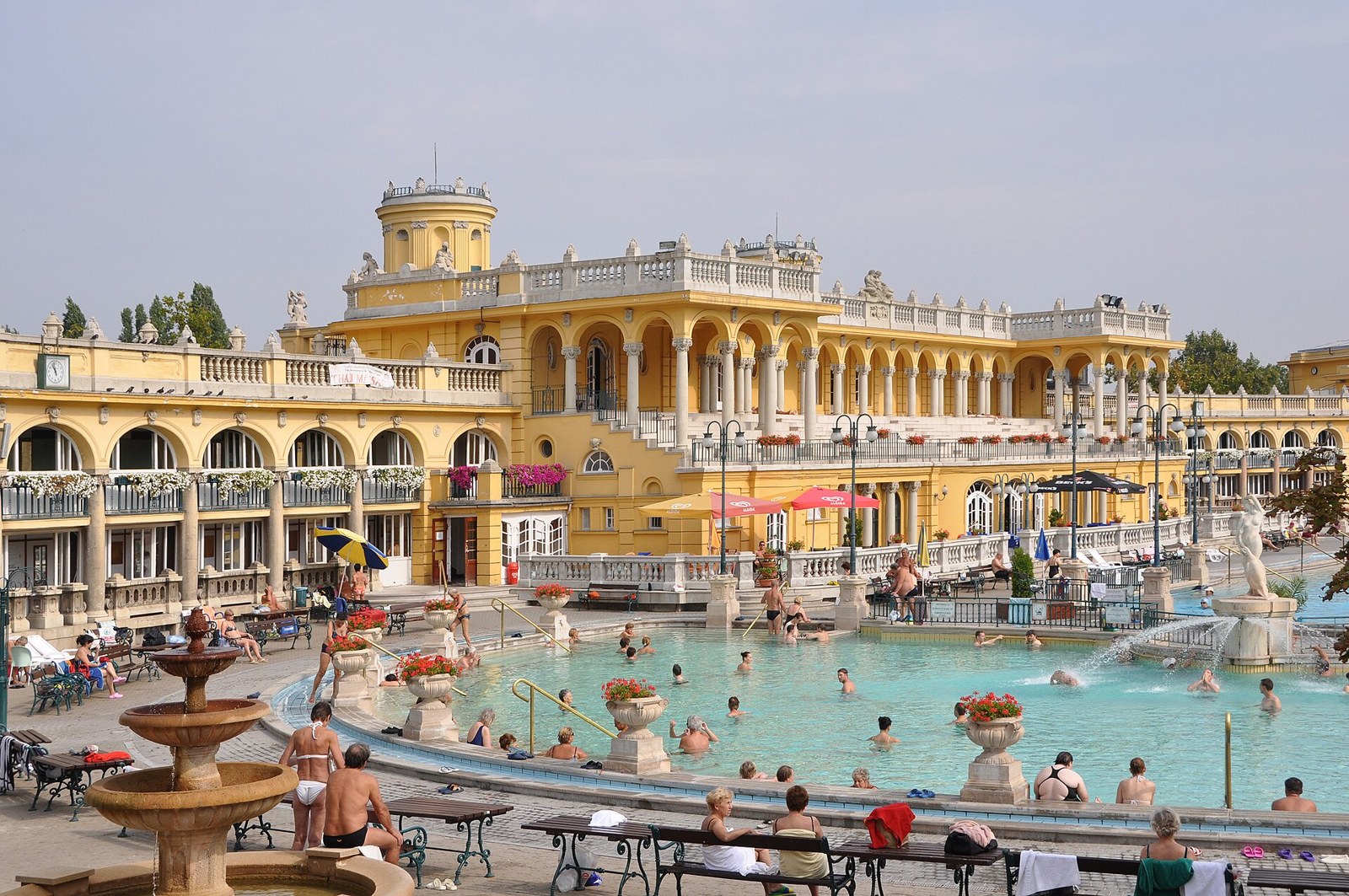
Approach Budapest bathing as a deliberate sequence of arrival, washing, warmth and rest, with venue rules and personal limits at the center.

In Mashiko, the most revealing ceramic encounter begins before a bowl reaches the shop shelf. Damp clay resists a thumb, a rim changes under a fingertip, and a familiar household shape becomes surprisingly difficult to make. This pottery town in Tochigi offers a way into Japanese mingei through practical objects and the people who produce them. Combine a confirmed beginner session with museum time and unhurried walking, rather than treating the town as a place to collect a finished souvenir. The reward is a clearer understanding of how material, repetition and firing turn an everyday vessel into something worth noticing.


