TASTEBologna, Italy
A taste of Bologna, beyond the familiar
Explore pasta, market shopping and the practical pleasures of eating in a working Italian city.
8 min readRead story
A Georgian table can be understood through what happens between the dishes. Bread is passed, a conversation pauses for a toast, and someone explains why a particular food belongs to a particular region. In Tbilisi, the supra offers one way into that culture of shared attention, but it should not be reduced to an oversized restaurant order or a test of drinking endurance. Approach the city’s food with curiosity, clear boundaries and enough time to listen. The most memorable part may be the way a meal makes room for other people.
By Journey Into Wellbeing editorial team
Published: November 11, 2026
Updated: November 11, 2026
9 min read
Spring and autumn are comfortable starting points for a walking and dining trip, although weather varies. Summer can make midday walking tiring; winter favours more indoor time. Supra is not restricted to a tourist season, and an invitation depends on people and occasions rather than a calendar.
Arrive through Tbilisi’s airport or an appropriate regional connection, then compare current public transport and a reputable transfer for the journey into town. Use the metro, buses and walking for suitable city journeys. Confirm evening return transport before a long meal, particularly if drinking alcohol.
Georgia’s official tourism organisation describes the supra as a communal gathering in which food, wine, conversation and toasts are connected. The occasion matters: a celebratory table and a gathering associated with sadness do not have the same tone. Do not expect every Georgian meal to follow a formal ritual, and do not label a dinner a supra simply because many plates arrive at once.
For a visitor, the useful distinction is between consuming a menu and participating in a social event. At a hosted table, look for the rhythm already established rather than trying to direct it. Listen to introductions, ask how the evening will unfold and accept that some references may require explanation. You are not expected to arrive knowing everything. Genuine curiosity is more helpful than memorising a performance of supposed rules from a travel anecdote.
The tamada, or toastmaster, has an important role in a formal supra. Official Georgian tourism guidance explains that this person proposes toasts appropriate to the occasion and gives shape to the gathering. That does not make the role a tourist entertainment service. A toast may carry personal feeling, family history or a reflection on people who are absent. Give it the attention you would want for something meaningful at your own table.
If you do not understand Georgian, ask your host whether someone can offer a short translation without interrupting the speaker. Follow local cues about when to respond rather than filling every pause. A few sincere words are preferable to an elaborate speech assembled from stereotypes about hospitality. You can appreciate the structure while acknowledging that different families and occasions may handle it differently. The people at your table are better guides to that particular evening than an imagined universal script.
Wait to be invited or ask quietly before offering a toast of your own. Keep it relevant to the people present and avoid turning it into a lecture about Georgia. If names, losses or sensitive events arise, take your cue from the host rather than pressing for an explanation. Not every intimate reference needs to become material for a visitor’s travel story.
You do not need to drink alcohol to show respect. Tell the host or organiser beforehand if you abstain or want only a small amount, and ask for a suitable alternative. Keep that boundary consistent and polite. Nobody’s cultural experience improves through unwanted drinking, and no advice about tradition should override medication guidance, personal preference or the need to travel home safely.
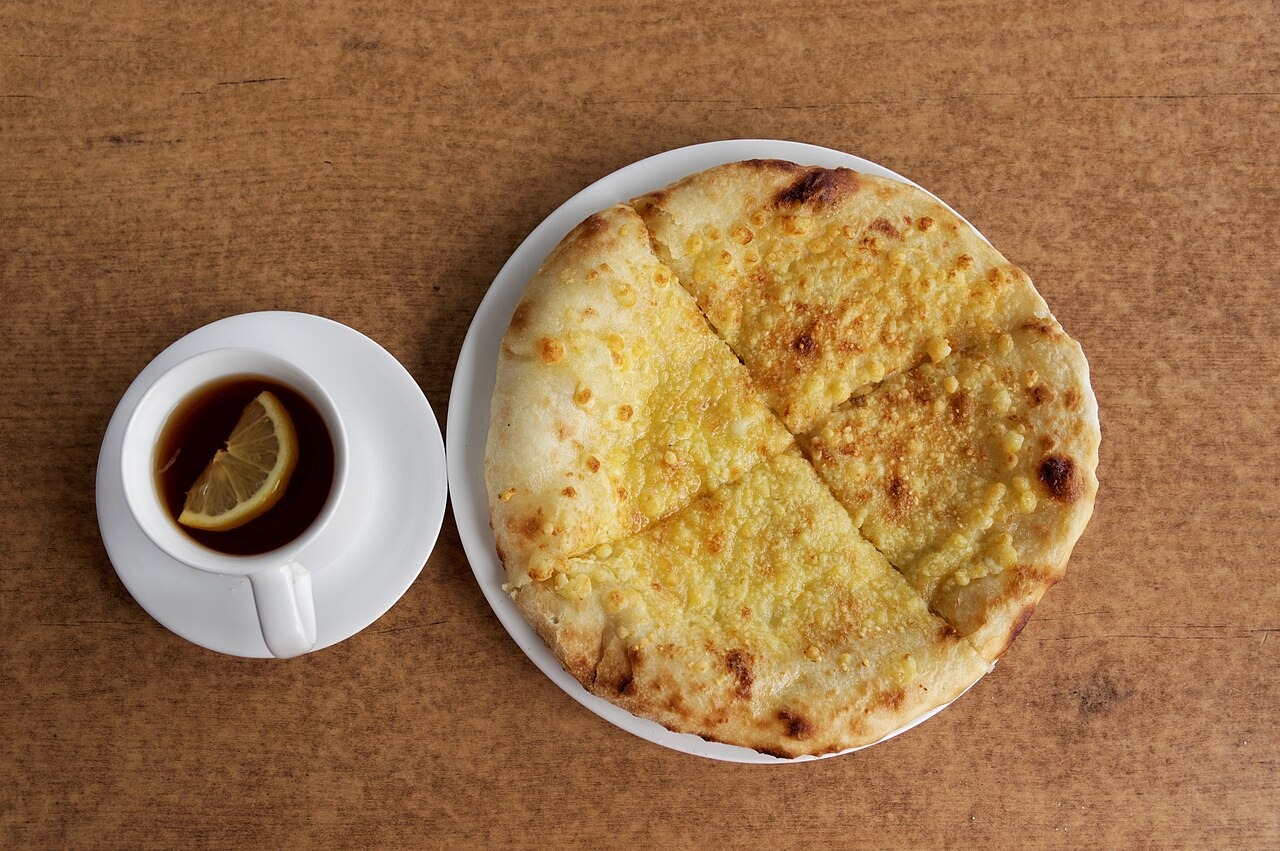
Tbilisi is a useful place to encounter dishes associated with different parts of Georgia, but it should not flatten them into one interchangeable national banquet. Georgia Travel’s food guide presents a range of breads, dumplings, beans and vegetable dishes. Ask a server where a preparation comes from and what distinguishes the version in front of you. A regional name on a menu is the beginning of a conversation, not proof that every kitchen prepares it identically.
Order with contrast in mind. A rich cheese bread alongside beans, herbs or vegetables can reveal more than several similarly heavy dishes chosen because all are famous. Ask about portion sizes and whether more food can be added later. Shared plates are easier to enjoy when the group has room to taste them, and ordering gradually reduces waste. Let the person explaining a dish finish before deciding whether it resembles something familiar from another cuisine.
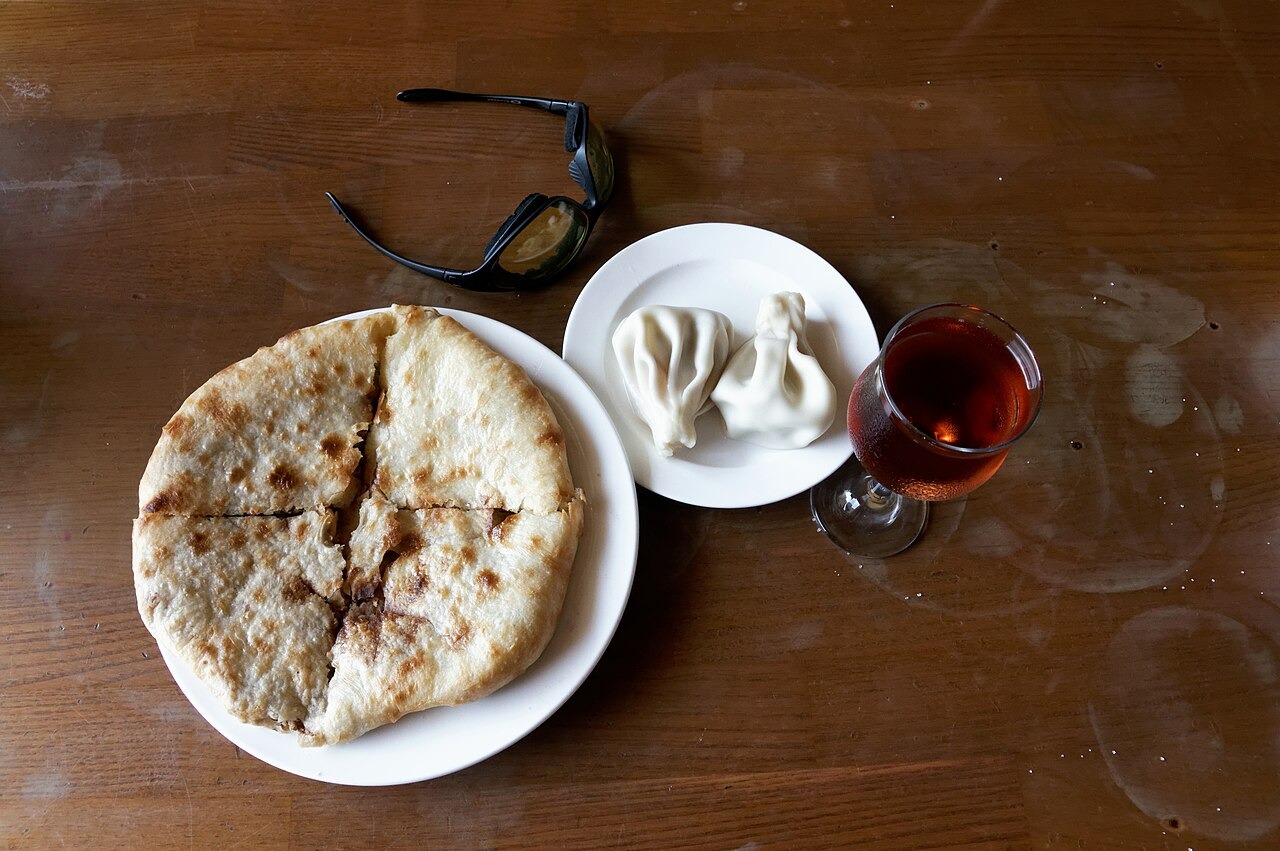
Khachapuri and khinkali are prominent in Georgia’s official food introduction, but neither needs to carry the entire trip. With khachapuri, ask which regional style is being served and how the kitchen recommends sharing it. Notice the relationship between bread and filling rather than treating the dish only as a visual spectacle. If ordering for a group, consider how it fits with the other food already coming to the table.
For khinkali, ask about the filling and request a demonstration if you are uncertain how to handle a hot dumpling containing broth. Let it cool enough to eat comfortably; no dining technique is worth a burn. Compare texture and seasoning while resisting the urge to announce one version the definitive example after a single meal. A modest lunch devoted to a few dumplings can be as instructive as a lengthy evening feast, particularly when the kitchen has time to answer questions.
Beans, vegetables, herbs and walnuts offer important routes into Georgian cooking. The official food guide highlights lobio and aubergine with walnut filling among its vegetarian options. These are worth attention on their own terms, not merely as substitutes for grilled meat. Ask what is available that day and how the dishes are served, then give them space in the order rather than surrounding them with more food than the table can comfortably share.
Dietary requirements still need precise discussion. Walnuts are significant in many preparations, while cheese, eggs or animal ingredients may appear where a translated menu is brief. Explain allergies before ordering and ask about sauces, stocks and shared preparation surfaces when relevant. A dish described as vegetable based is not automatically safe for every diet. If your requirements are strict, contact the venue ahead of time and accept a clear admission that the kitchen cannot guarantee suitability.
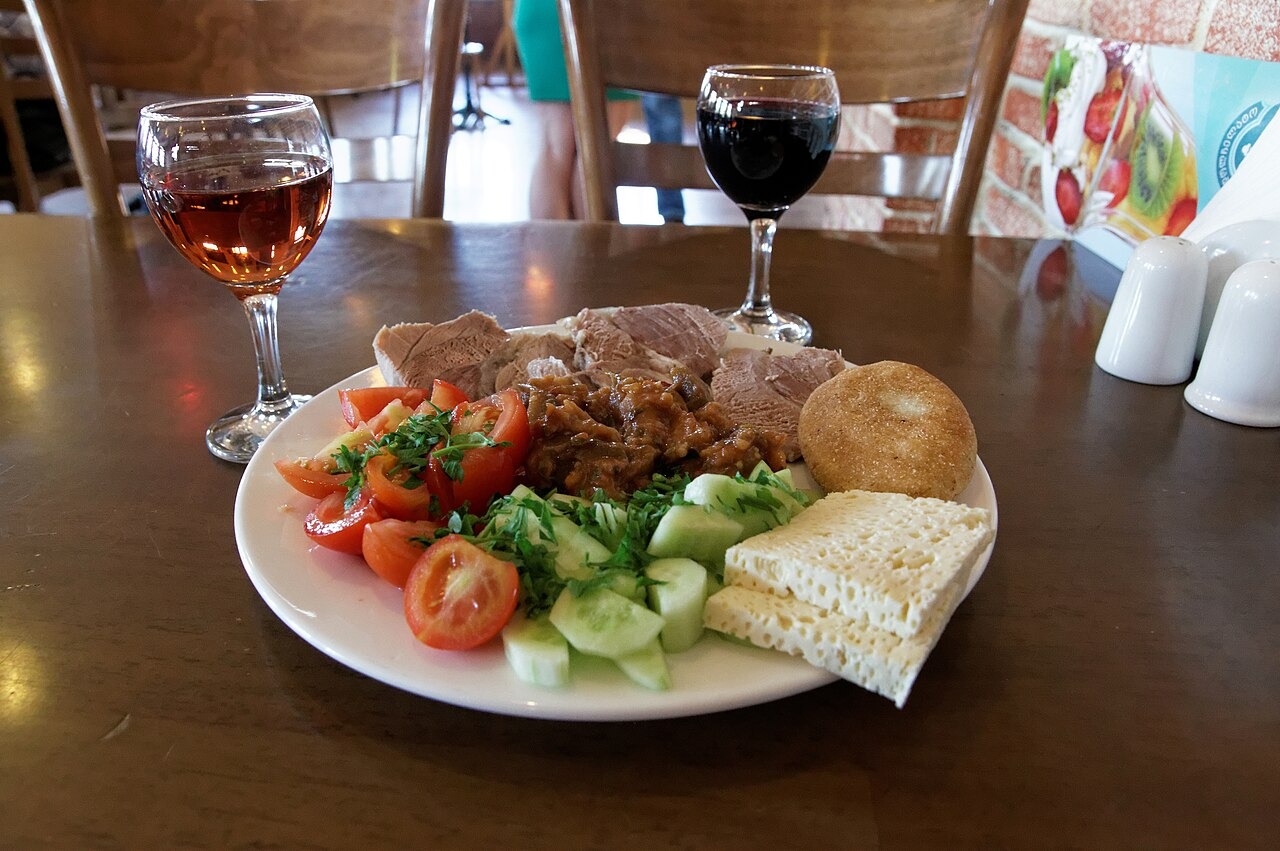
A private invitation, an organised visitor dinner and a restaurant meal are different experiences, each with its own expectations. If booking a supra style evening, ask what is included, who will host, whether interpretation is available and how large the group will be. Clear descriptions are more useful than promises of a secret or uniquely authentic encounter. A paid event can be thoughtful without pretending to be a spontaneous family occasion.
At a private gathering, ask what to bring and whether there are customs particular to the occasion. Seek permission before photographing people, recording a toast or posting images of someone’s home. Hospitality is not consent to unlimited access. Avoid pressing for personal invitations simply because you have read that Georgians welcome guests. Pay for professional work when appropriate and thank hosts in a way that recognises the time, preparation and attention behind the meal, not only the volume of food.
A Tbilisi food itinerary benefits from restraint. Have a focused lunch, allow time for a city walk suited to the weather, and avoid arriving at a hosted dinner already exhausted. The city’s slopes and uneven surfaces can make a short looking route more demanding than expected. Use public transport or a reputable car service when that fits your needs, and confirm the actual address rather than relying on a translated venue name alone.
Budget across the whole evening. Ask whether drinks, hosting, interpretation and any service charge are included in a quoted experience. For restaurant meals, check portion sizes and the final ordering plan before agreeing to a large spread. Keep some local currency available and establish the payment arrangements in advance. There is no need to invent a fixed daily food allowance when your choices may range from a simple lunch to a privately arranged gathering. Written details make those options meaningfully comparable.
The supra can open a conversation about food and belonging, but one evening cannot represent every Georgian household. Age, region, personal preference and the occasion all shape how people gather. Avoid reporting that all Georgians eat, drink or speak in a particular way because one host did. Ask how your companions’ own habits differ, and allow them to describe a tradition as something lived and changing rather than a museum object.
For a final meal, revisit a dish you enjoyed or choose something your earlier conversations made you curious about. You do not need a grand finale. A smaller table may make it easier to notice the bread, a herb’s sharpness or how a shared plate moves between people. Thank the staff, settle the bill carefully and leave without trying to turn every exchange into a souvenir. The best understanding is often specific and modest: this dish, these people, this particular evening in Tbilisi.
No. A supra involves a social occasion and a structure of shared attention, often led by a tamada, rather than simply many dishes. Ask how your host or organiser describes the gathering. Ordinary restaurant meals are valuable opportunities to explore Georgian food without needing to imitate a formal feast.
Yes. Explain your preference before the meal and request an alternative. Respectful listening, conversation and gratitude do not depend on alcohol consumption. Keep control of your own intake and arrange a safe return journey. A visitor experience should never require you to ignore personal or medical boundaries.
Georgian cooking includes bean and vegetable dishes, and official tourism guidance highlights several vegetarian options. Ask about the actual preparation rather than relying on the dish name alone. Dairy, eggs, stocks and walnuts may require clarification, and allergies need a separate conversation about ingredients and handling.
Look for a clear account of the host, group size, food, drinks, language support and total inclusions. Ask about dietary needs and cancellation conditions before paying. Prefer realistic descriptions over claims to reveal the only authentic Georgian table, and remember that an organised event is not the same as a private family invitation.
Verify opening arrangements, transport, access rules and safety information with official sources. We omit numerical budget ranges where reliable current figures have not been verified.
Keep exploring
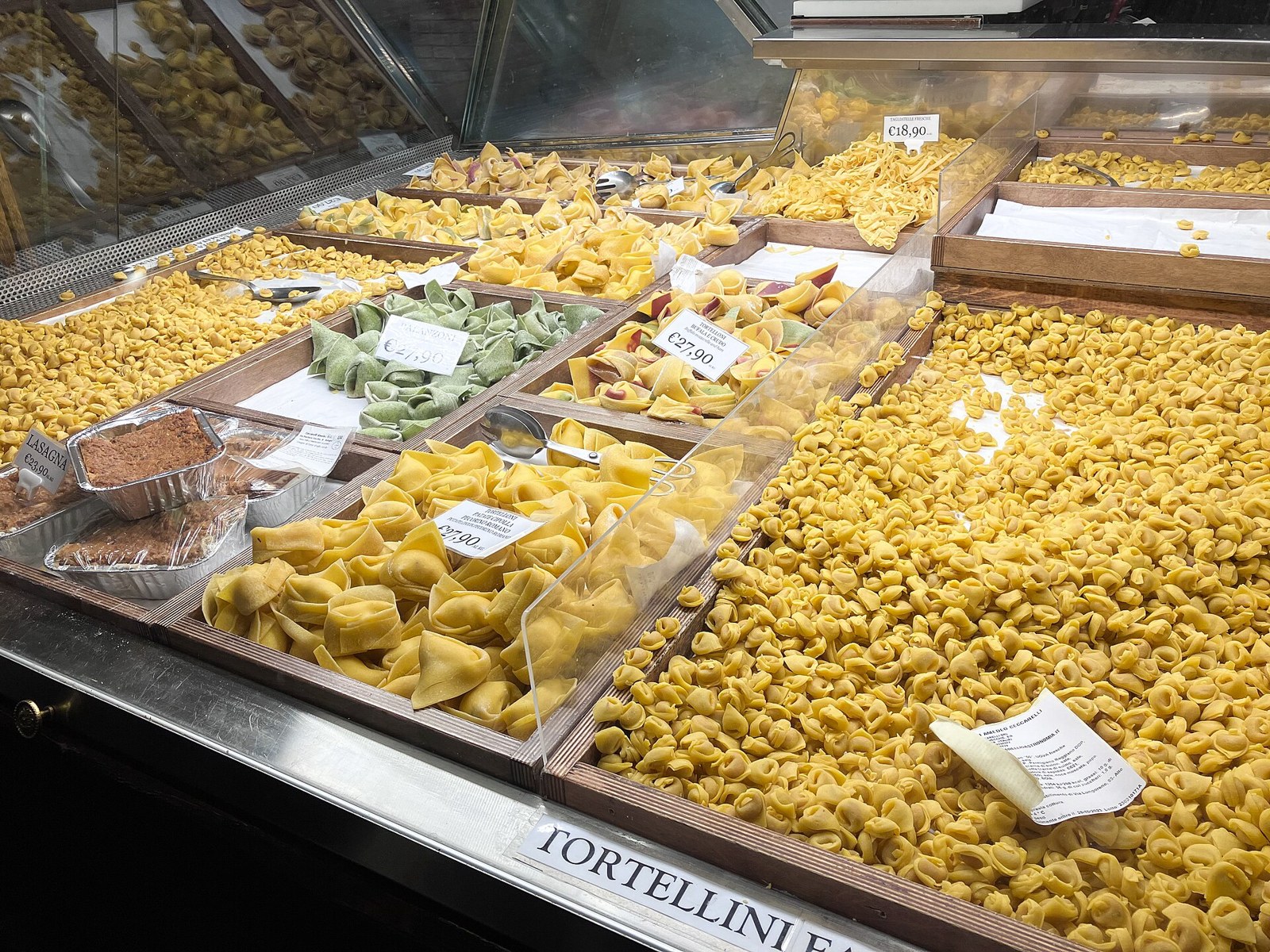
Explore pasta, market shopping and the practical pleasures of eating in a working Italian city.
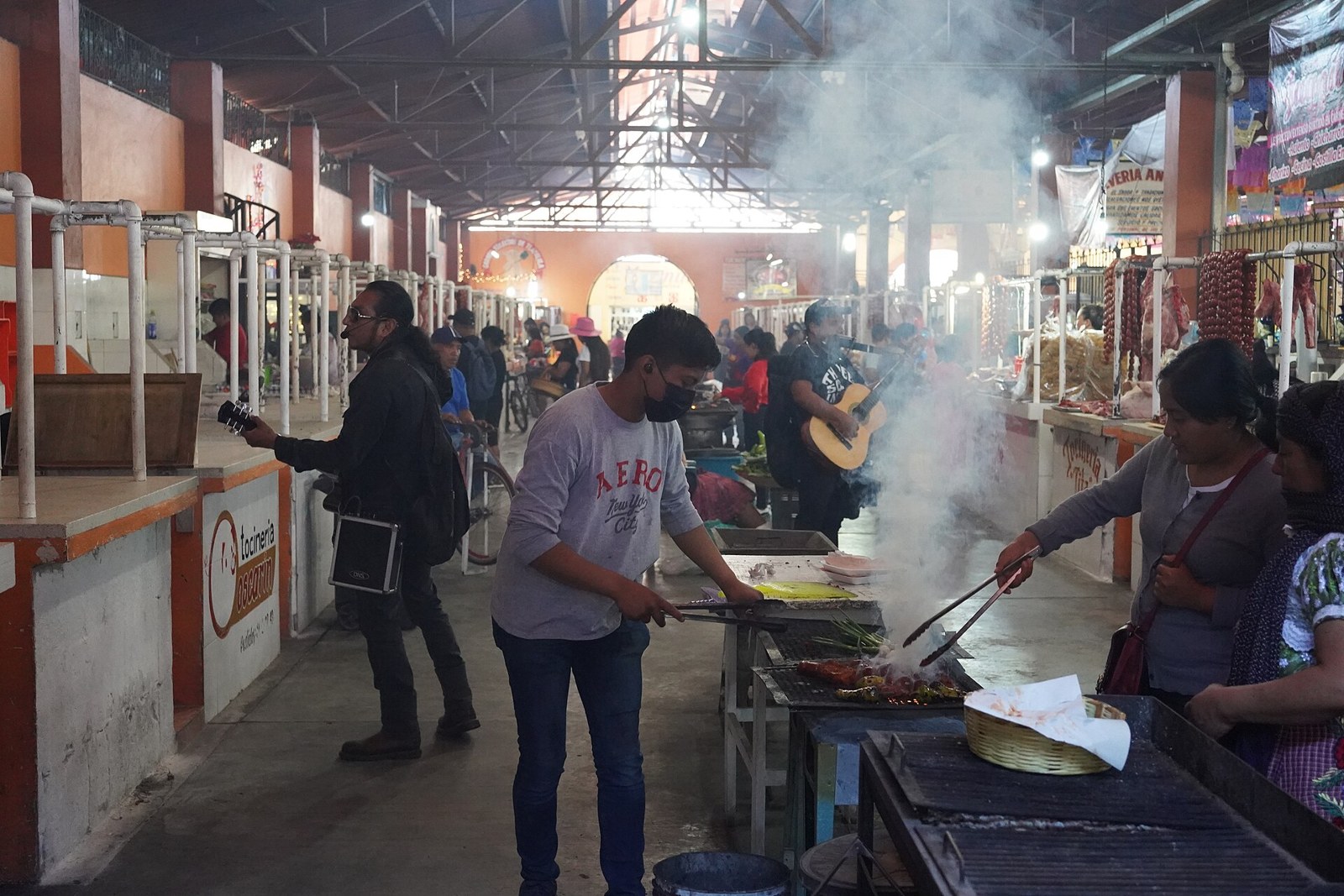
A thoughtful route through Oaxaca’s food markets, balancing appetite with practical questions and respect for working stalls.
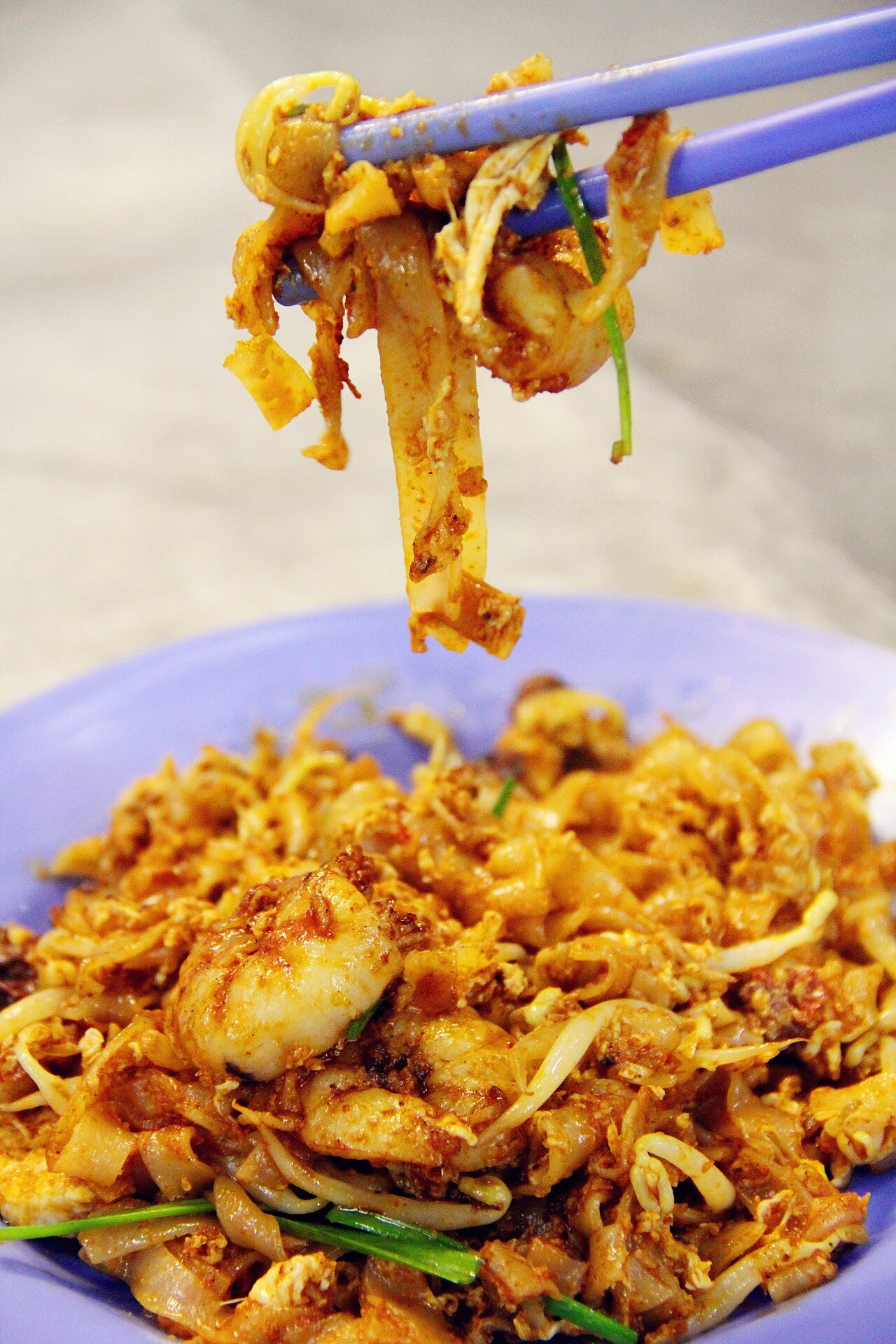
Penang's food makes a persuasive argument for travelling slowly. A wok needs its moment, a bowl of broth deserves more than a photograph, and the best next decision may be to stop ordering. Across George Town and beyond, hawker meals reveal distinct traditions without arranging them into neat compartments. The pleasure is in following a flavour, then noticing how another cook answers it differently. Plan a few anchors, leave room between meals and let appetite, rather than a checklist, set the day's rhythm.


