TASTEOaxaca de Juárez, Mexico
Oaxaca, one market at a time
A thoughtful route through Oaxaca’s food markets, balancing appetite with practical questions and respect for working stalls.
9 min readRead story
Explore pasta, market shopping and the practical pleasures of eating in a working Italian city.
By Journey Into Wellbeing editorial team
Published: November 11, 2026
Updated: November 11, 2026
8 min read
Spring and autumn often suit walking and eating outdoors. Summer can be hot, while winter makes a useful setting for broth and indoor markets. Check holiday closures.
Bologna Centrale has extensive rail connections. The historic centre is walkable for many visitors, with local buses useful for longer journeys; check airport and city transport directly with operators.
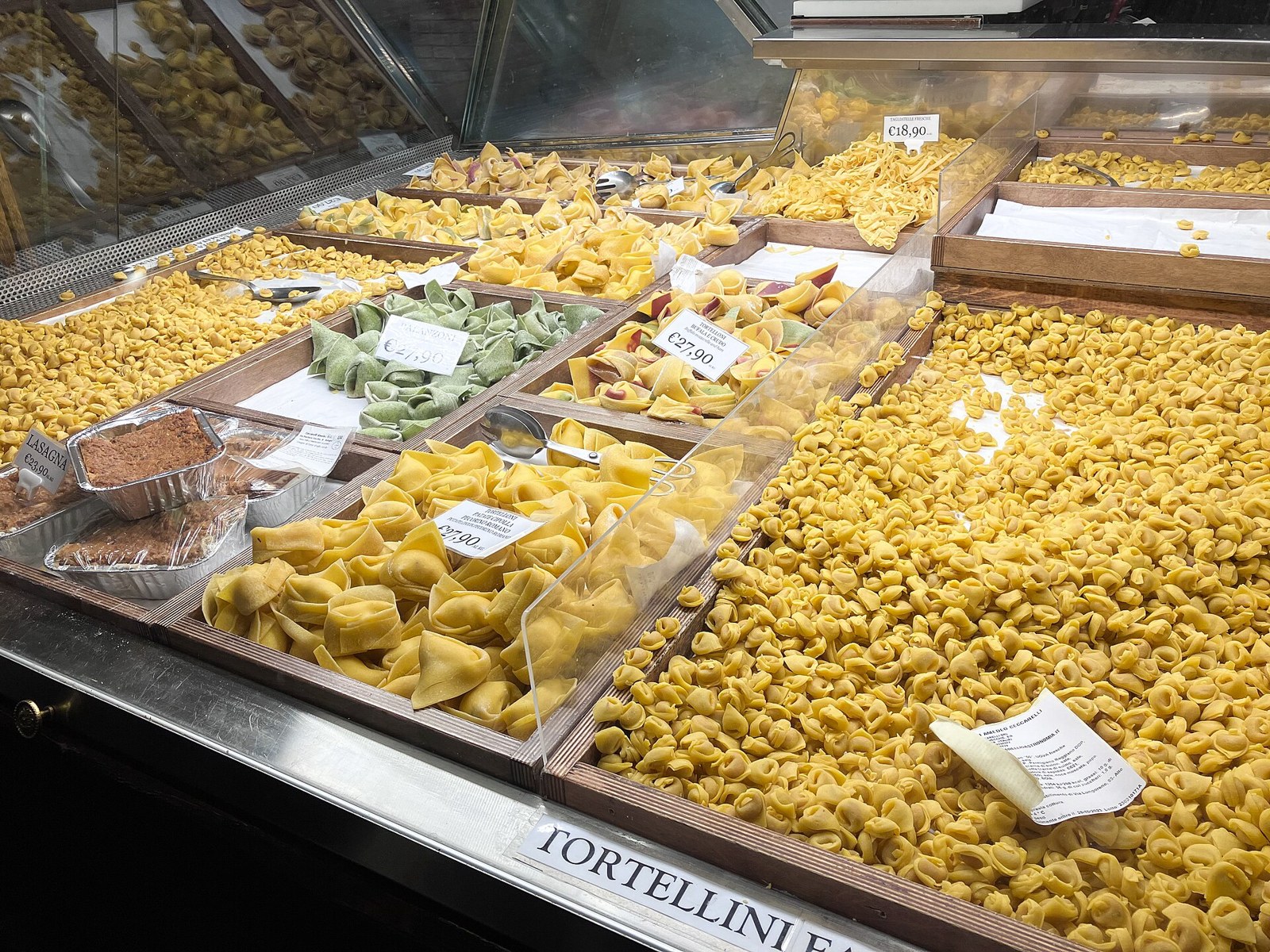
Bologna is an excellent place to replace a familiar food label with a more precise understanding of a meal. Instead of arriving determined to find one internationally famous dish, look at what is actually offered on menus and shop counters. Fresh pasta, cured meats, cheese, produce and bakery goods belong to a working urban food culture, not a single compulsory feast. Give yourself time to walk between meals. An appetite sharpened by exploring the centre is more useful than an itinerary packed with tastings that you feel obliged to finish.
The city’s official visitor organisation places egg pasta at the centre of its culinary tradition, describing the sheet known as sfoglia and its use for tagliatelle, tortelloni and lasagne. That is a good starting point for curiosity, not a rule that every meal must contain pasta. Notice differences in shape, filling and sauce, and ask a simple question when something is unfamiliar. A restaurant should be able to explain its own dish more meaningfully than a generic list of things every visitor supposedly has to eat.
Tagliatelle with ragù offers a useful contrast to the loose international category of spaghetti bolognese. Pay attention to how the sauce coats the ribbons rather than treating it as a topping to be separated from the pasta. Recipes and service vary, so avoid declaring a kitchen inauthentic because it differs from one description online. If you want to understand the house version, ask what is in the sauce and whether it is prepared with meat stock or dairy. These practical questions are especially important for dietary needs.
Tortellini in broth is another revealing choice. Bologna Welcome’s published recipe contains meat, cured pork, cheese and egg in the filling, with meat broth for service. It should not be confused with a vegetarian dumpling dish. Tortelloni may have different fillings, but the name alone does not establish that a particular preparation is vegetarian. Ask about filling, sauce and stock separately. If dining with others, compare dishes only when sharing is comfortable and permitted, rather than ordering beyond your appetite to create a catalogue.
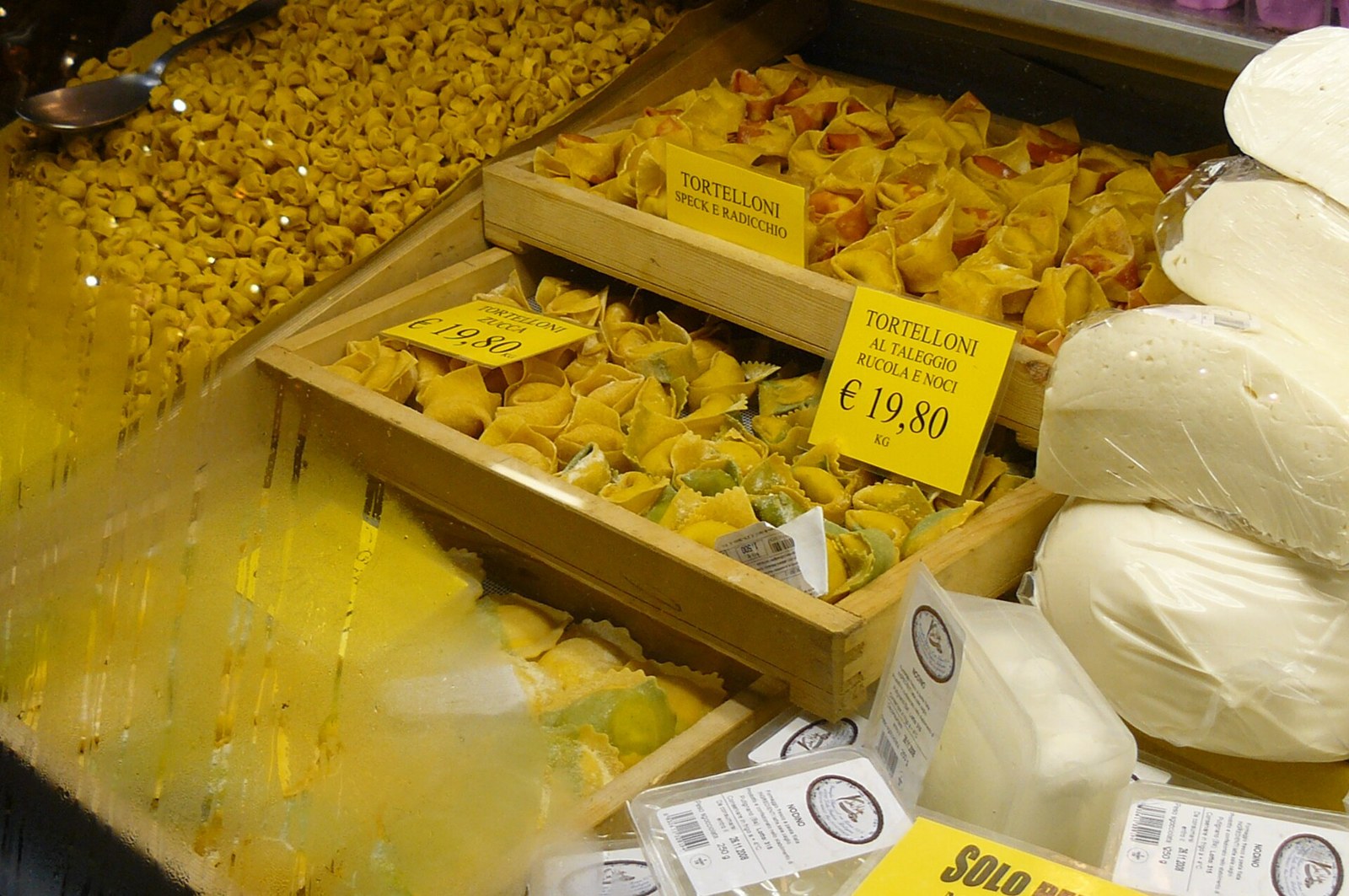
The Quadrilatero near Piazza Maggiore is a useful introduction to food retail as well as a place to eat. Bologna Welcome describes its mix of fresh pasta, fish, meat, produce, workshops and taverns. Walk through once to understand the layout before stopping at a counter. Keep entrances clear and let shoppers complete ordinary transactions. The most photogenic display may also be somebody’s place of work, with limited space for customers and deliveries.
If you want to buy something, decide how you will store and use it before ordering. Fresh pasta is not an effortless souvenir if your room has no refrigeration or kitchen. Ask whether a product requires chilling, how it should be transported and when it should be eaten. For cured meats and cheese, ask for a manageable quantity and suitable wrapping. Do not assume that every food can cross an international border: check the rules for your next destination before buying animal products. Shop staff can advise on storage, but they cannot determine another country’s import rules.
A covered market can contain both produce stalls and places serving prepared food, but their hours and rhythms may differ. Mercato delle Erbe is useful to investigate if you want an indoor food setting, while the official city market guide also lists other central markets and the producer-oriented Mercato Ritrovato. Verify current opening arrangements rather than copying the hours in an old article. A restaurant open in the evening does not mean all the grocery stalls around it will still be trading.
For a more attentive visit, choose a task: buy fruit for later, select a small piece of cheese, or sit down for a meal you genuinely want. Ask before touching produce or photographing a stall closely. Watch how customers order and wait your turn without assuming every counter uses the same queue system. A market does not owe visitors free samples, and a sample is not permission to handle everything on display. If you are uncertain about weights or portions, describe the number of people and intended use, then confirm the quantity before the item is prepared.
Check the menu, service information and any stated charges before sitting down. Decide whether you want a full restaurant meal, a quick counter purchase or a drink with something small to eat. These are different forms of hospitality with different expectations, and none is inherently more authentic. You do not need to order every course at every meal. Ask whether a dish can stand alone and whether sides must be ordered separately. Confirm any special offer or tasting arrangement in writing rather than assuming the spoken description includes drinks.
For allergies, be specific and give the restaurant time to respond. Explain whether the issue is an allergy, intolerance or preference, and ask about cross-contact when relevant. Egg pasta, cheese, nuts and meat-based stocks can make apparently simple dishes unsuitable. A translated dietary card can help, but it is not a guarantee of safe preparation. If staff cannot confirm that a meal is suitable, choose somewhere else without pressure or embarrassment. For vegetarian and vegan eating, identify appropriate options in advance instead of expecting a traditional kitchen to redesign its menu at the table.
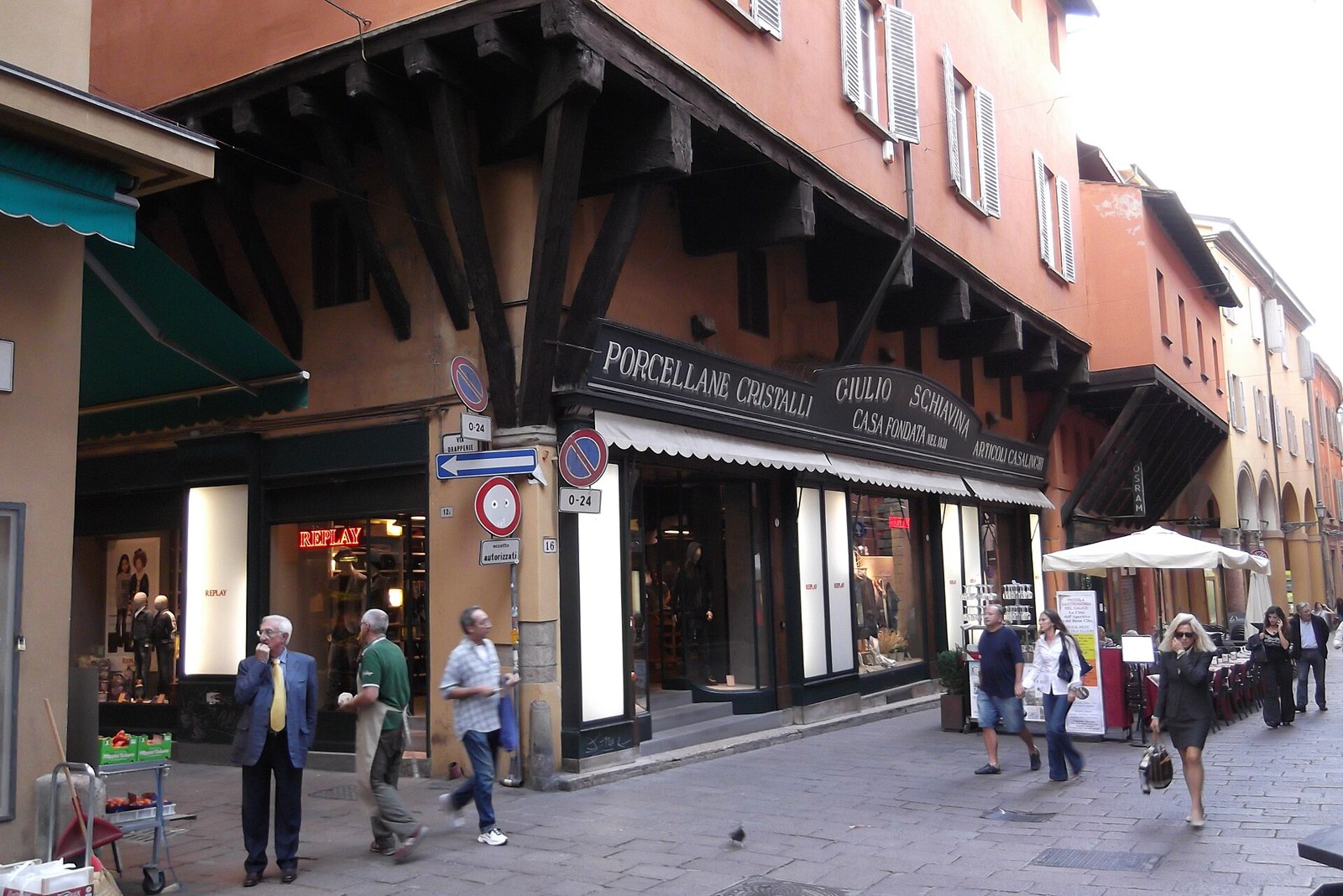
Bologna’s porticoes offer useful shelter, but they do not remove summer heat or winter damp. Carry water, take breaks and avoid scheduling a heavy meal immediately before a long walk in hot weather. Cooler months can be a pleasant setting for broth and substantial pasta, provided you check seasonal and holiday closures. In any season, leave space for an ordinary breakfast and a lighter meal. The city is easier to appreciate when each stop has a purpose rather than serving as another obligation on a food challenge.
The centre can be explored on foot by many visitors, but paving, crowds and distances still matter. Bologna Centrale is a practical rail gateway; check the route from your platform or exit to your accommodation rather than assuming the station is a single uncomplicated doorway. Local buses can help with longer trips. Drivers should check restricted traffic arrangements before entering the historic centre. Keep bags secure in busy places, take care crossing streets while looking at shopfronts, and do not drink more alcohol than you can comfortably manage on the journey home.
Watching a pasta-maker work, where a business welcomes observation, can clarify what photographs cannot: the relationship between dough, rolling, cutting and filling. Do not lean into a workspace or record staff without permission. A class can be worthwhile if you genuinely want hands-on instruction, but it is optional, not a prerequisite for understanding lunch. Before booking, check whether you will cook or merely watch, how dietary requirements are handled and what happens to the finished food. Avoid claims that one short session reveals the secrets of an entire regional cuisine.
A useful final purchase might be a shelf-stable ingredient you know how to use, accompanied by clear storage advice and legal importability. A useful final memory might be simpler: the texture of a pasta ribbon or the difference between a hurried counter snack and a relaxed meal. Leave reviews that describe what you actually ordered and how the visit worked, rather than judging whether a place matched an imagined timeless Italy. Bologna’s food is most interesting when treated as living practice, supported by customers who are curious, considerate and willing to eat at a human pace.
Traditional Bolognese tortellini commonly contain meat, and their broth may also be meat-based. Ask about the exact dish rather than relying on its appearance. A different filled pasta may be suitable, but filling, sauce, stock and cheese all need checking against your requirements.
Only if storage, journey length and destination import rules make it practical. Ask the shop about refrigeration and cooking instructions. A hotel without a kitchen or refrigerator may make fresh pasta an inconvenient purchase even if the packaging looks travel-friendly.
Not automatically. Read the menu and ask about any stated minimum order or set-menu arrangement. A single substantial dish may be enough for your appetite, while bread, side dishes and drinks may be treated separately. Confirm before ordering if anything is unclear.
Verify opening arrangements, transport, access rules and safety information with official sources. We omit numerical budget ranges where reliable current figures have not been verified.
Keep exploring
A thoughtful route through Oaxaca’s food markets, balancing appetite with practical questions and respect for working stalls.

Choose a valley, understand the mountain conditions, and give this complex landscape more than a hurried photograph.
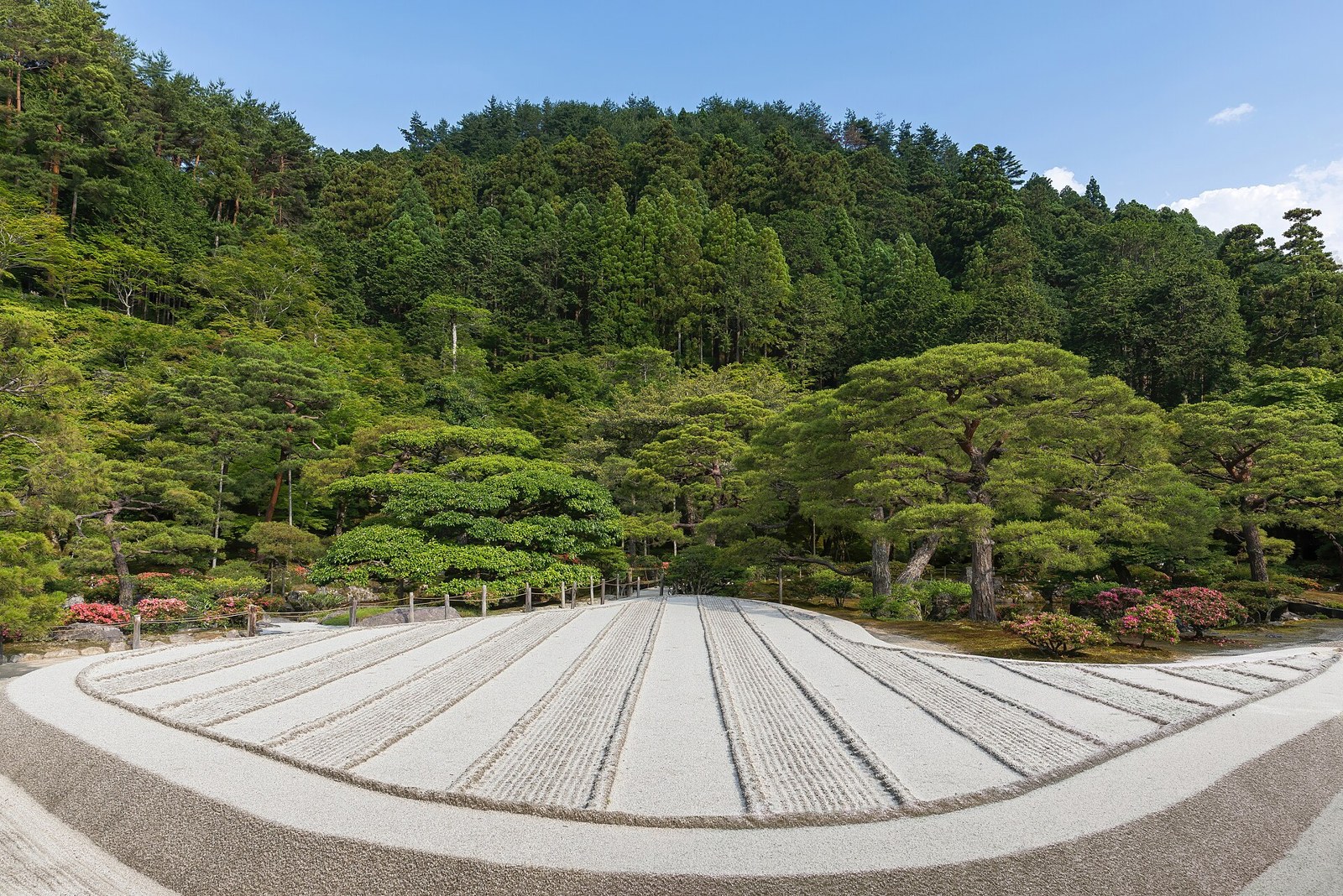
An attentive approach to Kyoto gardens, with time for framing, seasonal change and the rules that protect quiet spaces.


