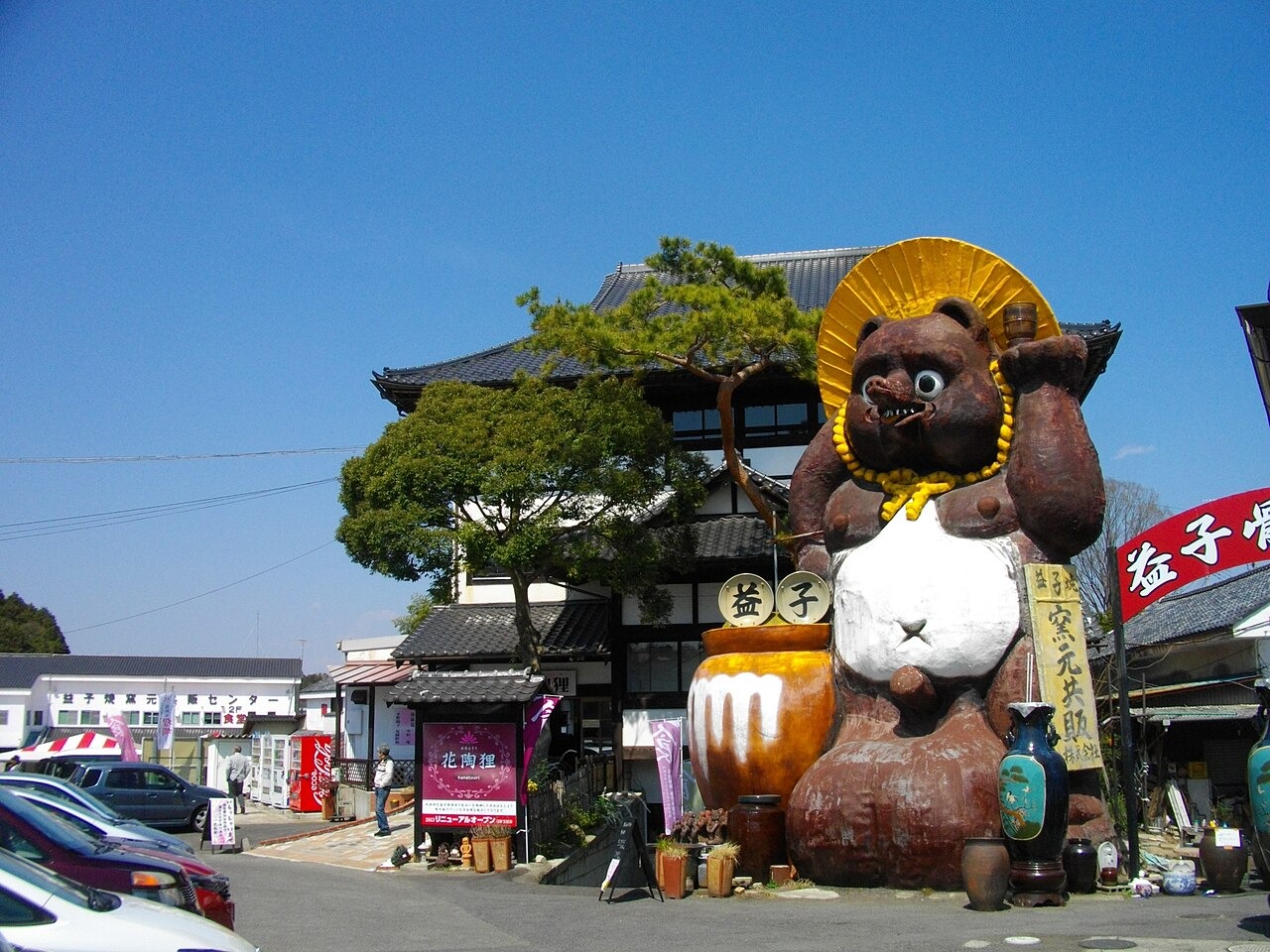
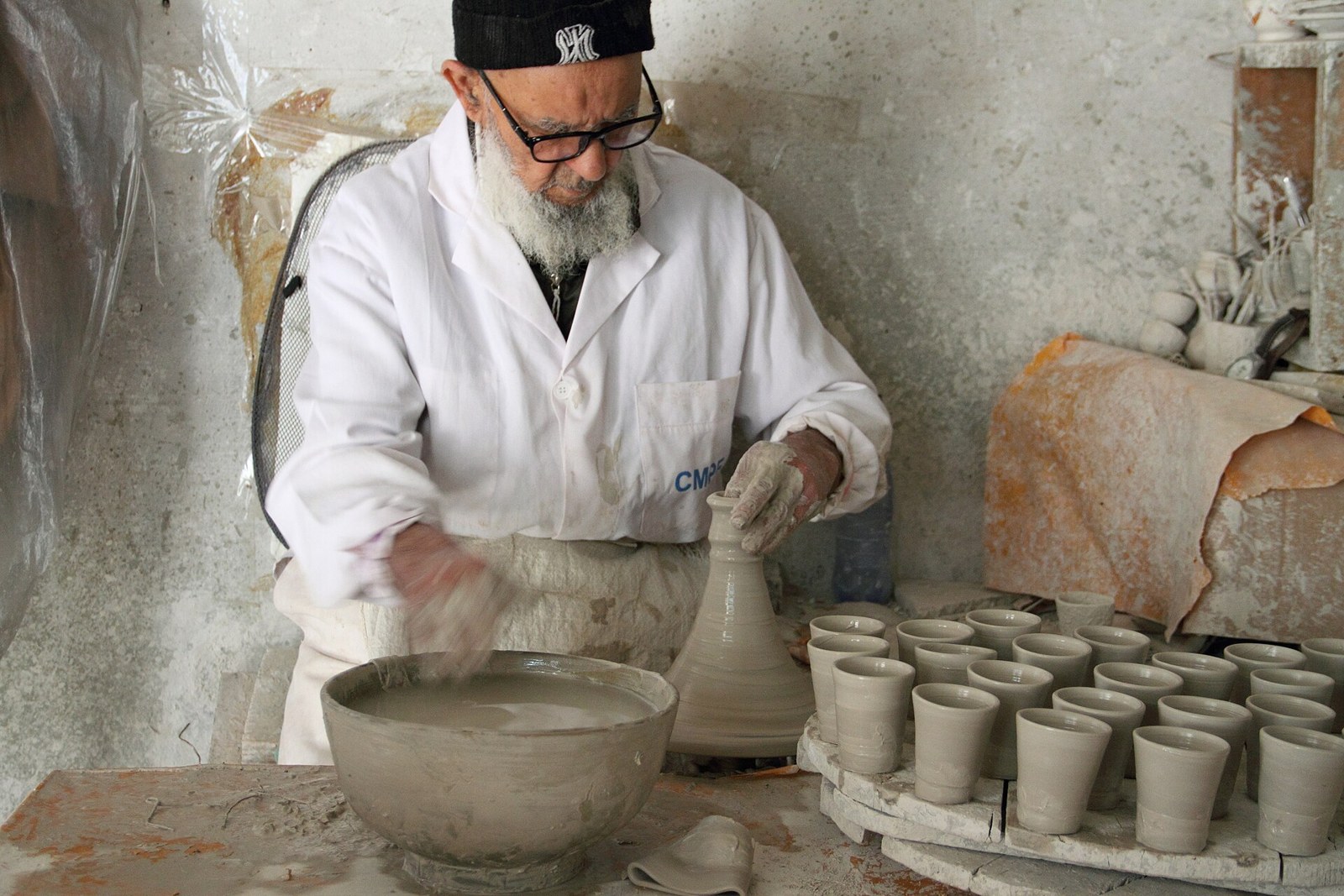
TOUCHFez, Morocco
Made by hand: the craft traditions of Fez
Meet the materials and working skills of Fez through careful observation, permission-based handling and thoughtful purchases.
8 min readRead story
In Mashiko, the most revealing ceramic encounter begins before a bowl reaches the shop shelf. Damp clay resists a thumb, a rim changes under a fingertip, and a familiar household shape becomes surprisingly difficult to make. This pottery town in Tochigi offers a way into Japanese mingei through practical objects and the people who produce them. Combine a confirmed beginner session with museum time and unhurried walking, rather than treating the town as a place to collect a finished souvenir. The reward is a clearer understanding of how material, repetition and firing turn an everyday vessel into something worth noticing.
By Journey Into Wellbeing editorial team
Published: November 11, 2026
Updated: November 11, 2026
8 min read
Spring and autumn suit walking; pottery-fair periods bring crowds. Confirm fair dates and workshop availability separately.
From Tokyo, travel via Oyama and Shimodate to the Moka Railway for Mashiko. Another option is rail to Utsunomiya followed by a bus toward Mashiko. Check current connections and return departures.
Mashiko ware developed as a practical local industry in the nineteenth century. The town tourism association connects its beginnings with Keizaburo Otsuka, who had worked in nearby Kasama before establishing pottery production in Mashiko. Pots and other household vessels supplied a useful market within reach of Tokyo. That background matters when looking at a bowl: its weight, opening and stability are not secondary to its appearance. They are part of the object’s purpose.
Shoji Hamada later made Mashiko central to the mingei movement, which directed attention toward the beauty of everyday craft. This is not a story of one fixed decorative vocabulary. The town also welcomes varied contemporary practices. Ask how an individual maker relates to that inheritance instead of assuming every brown glaze or substantial cup expresses the same philosophy.
The prefectural tourism authority lists beginner opportunities including hand-forming, wheel work and decoration. These are different activities, not interchangeable versions of one lesson. Someone seeking touch should ask specifically whether they will shape wet clay. Painting an already formed object can be worthwhile, but it does not offer the same encounter with pressure, thickness and structural limits. A town-wide listing does not establish what a particular studio offers on your date.
Before paying, confirm the teaching language, group size, material allowance and what happens after the session. Ask whether trimming, glazing and firing are completed by staff, whether the final piece is included, and whether delivery abroad is possible. Explain any practical needs in advance. A written confirmation helps prevent a short demonstration being mistaken for a substantial making session.
Hand-building makes small changes easy to notice. If the teacher offers a pinched form, compare the wall gently between finger and thumb rather than chasing a perfect circle. Ask before adding water or joining extra clay. A useful question is how the base and wall should meet: that junction can teach more about strength than an elaborate surface pattern. Follow the studio’s method rather than importing instructions from another workshop.
On a wheel, centering and maintaining an even wall require coordination that beginners should not expect to master immediately. Let the instructor position your hands and clarify whether you can stop the wheel yourself. Concentrate on a simple, usable shape if that is the lesson’s aim. Assistance does not make the encounter less meaningful; noticing when the clay begins to wobble can be a more valuable result than producing a tall vessel.
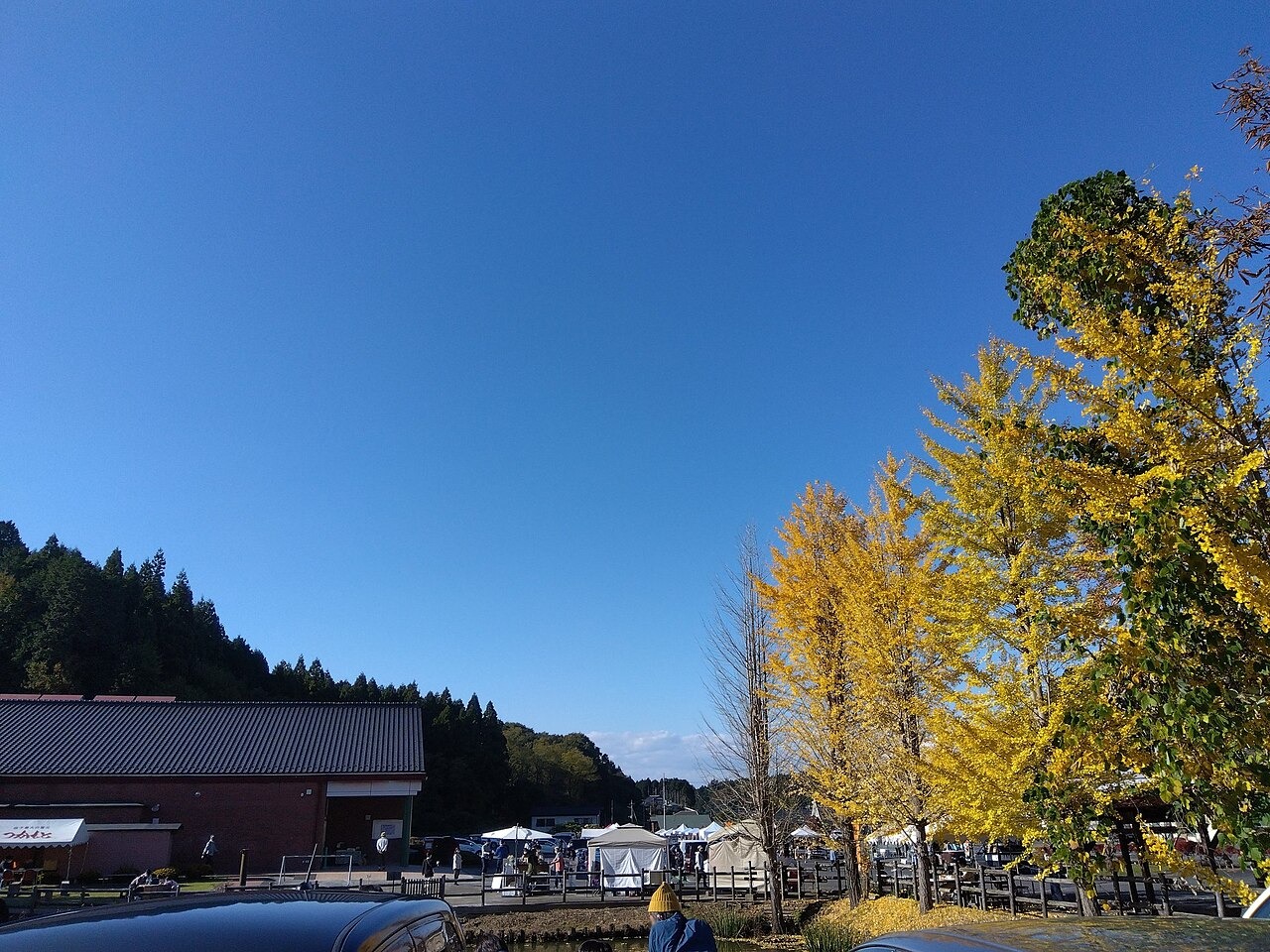
A freshly shaped pot is not ready to travel or hold a drink. Drying, subsequent finishing and firing belong to the making process, and the workshop may handle most of them after your departure. Ask which stages your booking covers and whether the finished dimensions will differ from the wet form. Do not assume that a piece can be fired immediately because your itinerary is short.
Kilns give the town’s ceramics another layer of meaning. The Mashiko Reference Collection Museum associated with Hamada includes his working environment and a climbing kiln. Use such displays to frame questions about heat, fuel, glaze and the placement of pots. Different makers use different firing systems. A historic kiln on display is not evidence that your class piece will be wood-fired, and seeing a kiln does not imply permission to enter an active firing area.
Allow museum time before or after the lesson so that the objects have a practical reference point. The tourism association describes Hamada’s reference collection as material gathered to inform making, including craft beyond Japan. That outward-looking context helps resist the idea that mingei means an isolated, unchanging local style. The collection is also a reminder that looking closely can be part of a maker’s work.
The Mashiko Museum of Ceramic Art offers another institutional starting point, highlighted by Japan’s national tourism organization. Choose one museum carefully rather than hurrying through every cultural stop. Read the object labels, notice differences between makers, and compare the curve of a handle with the way your own hand approached clay. Check current exhibitions and closures directly; an appealing permanent reputation does not guarantee a particular display.
Mashiko is reachable from Tokyo, but the final stages deserve attention. Japan’s national tourism organization describes rail travel through Oyama and Shimodate, changing to the Moka Line for Mashiko. It also gives an alternative through Utsunomiya with an onward bus. Compare current timetables against the exact studio address, not just the town name, and allow a margin before a timed lesson.
Arrange the return before beginning an afternoon session. A missed local connection can have consequences beyond a modest delay, especially when another train or accommodation check-in depends on it. Save the studio location and your route offline, and carry the address in Japanese. For a group or a traveler who cannot manage a long walk, ask the host whether a taxi arrival is practical and how to organize the return pickup.
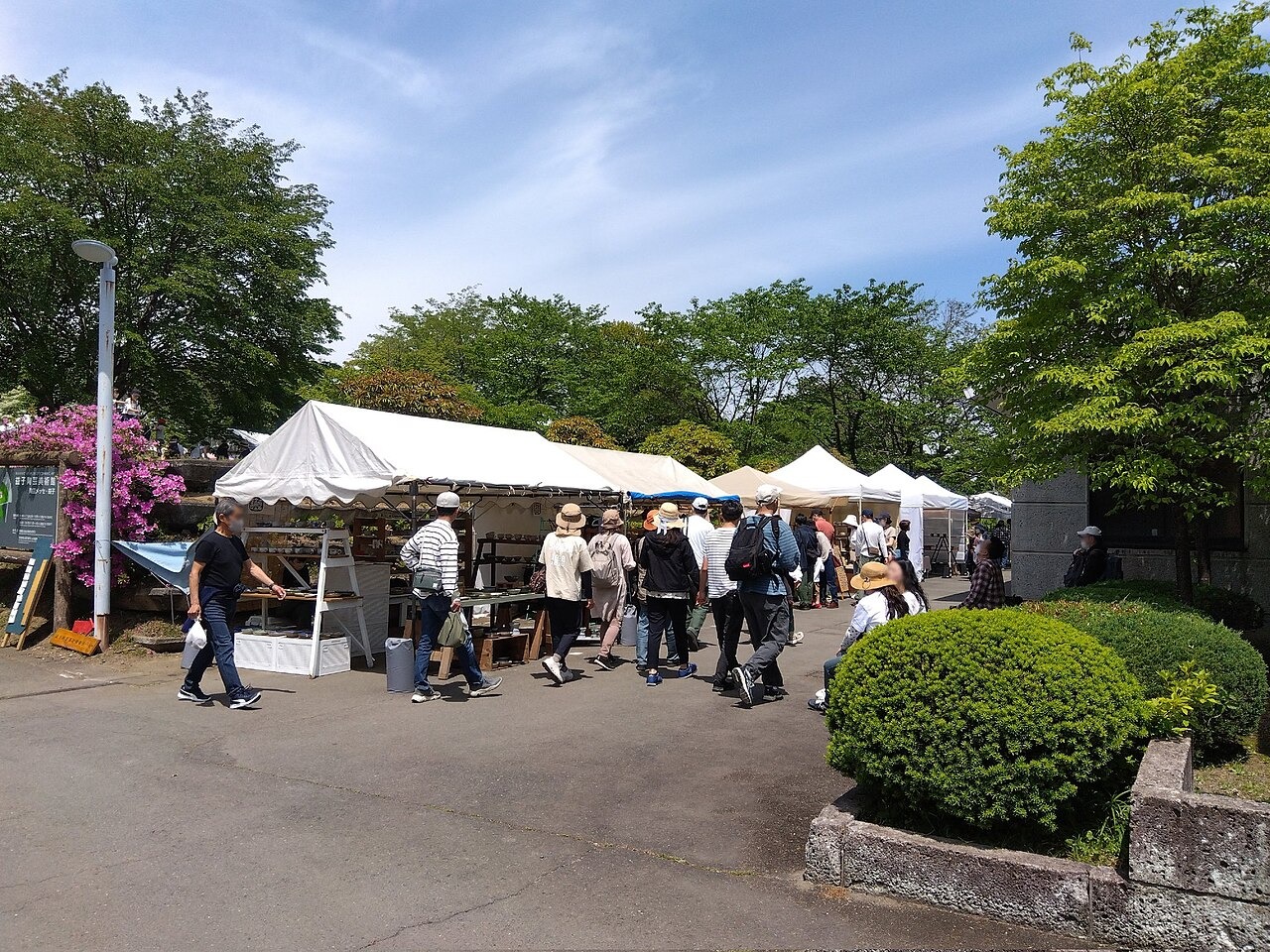
The prefectural visitor listing places pottery experiences around Jonaizaka and Sayado as well as elsewhere in town. Build a compact route connecting your confirmed studio with a museum and a few galleries. Avoid assuming that every workshop is open to casual callers. A display room may welcome shoppers while the production area behind it remains private, particularly when staff are handling fragile work or preparing a firing.
Spring and autumn pottery markets draw large visitor numbers according to the prefectural authority. They can be rewarding for comparing makers, but crowds change the pace of a touch-focused visit. Book teaching separately from market browsing. Outside fair periods, check individual opening arrangements rather than expecting every gallery to operate together. In hot, wet or cold conditions, shorten the walking route and keep an indoor alternative.
Ask before lifting a finished pot, photographing the room or recording an instructor’s hands. Follow the host’s preferred way of handling display pieces and never pick up a vessel by a delicate handle without guidance. In a class, keep bags, loose sleeves and jewelry away from moving equipment. Do not touch kiln fittings, glaze containers or drying shelves simply because they are within reach.
Describe access needs concretely: step-free entry, space around the worktable, a suitable chair, reachable washing facilities or an accessible toilet. A studio may be able to suggest hand-building instead of wheel work, but that is a question, not a promise. Ask what cleanup involves and follow instructions about clay waste. Children need the studio’s agreement on age suitability and supervision, particularly around machinery and hot equipment.
Compare the full experience rather than the headline class charge. Materials, additional pieces, firing, packing and international shipping may be separate. Ask about payment methods and when delivery costs become known. Budget for transport, museum admission and a meal as well. If your spending is limited, one well-matched lesson and one museum can offer more understanding than a rushed sequence of paid activities.
Keep purchases distinct from the lesson outcome. A gallery pot can be a useful reference for daily use, while your own piece records a first attempt. Ask about care and intended use rather than assuming every finish suits every appliance or food. For shipping, confirm destination restrictions, estimated dispatch and the policy for breakage. Photograph any order information and retain a contact that will work once you have left Japan.
The prefectural tourism authority explicitly lists beginner pottery experiences. Contact a particular studio to match the method to your interests and abilities. Ask whether the session involves wet clay, what language support is available and how much direct instruction you receive. Do not assume every working pottery accepts unscheduled visitors.
Do not plan on that. A wet-clay piece needs further processing, and the studio determines its drying, finishing and firing schedule. Confirm delivery or later collection before booking, including any extra charge. If you need something to carry home immediately, consider a separate finished purchase rather than pressing the firing timetable.
A fair is useful for seeing variety and meeting sellers, but it is not a substitute for confirmed instruction. Crowds and competing demands can reduce time for conversation. Choose a quieter visit if concentrated making is your priority, or reserve the lesson independently and treat the fair as a separate part of the trip.
The focus here is the Japanese mingei context, household function and the transformation of clay through handling and firing. Spend time on wall thickness, balance and the kiln process rather than concentrating only on painted motifs. Museums and working studios together explain why an ordinary vessel can carry considerable cultural and practical meaning.
Verify opening arrangements, transport, access rules and safety information with official sources. We omit numerical budget ranges where reliable current figures have not been verified.
Keep exploring
Meet the materials and working skills of Fez through careful observation, permission-based handling and thoughtful purchases.
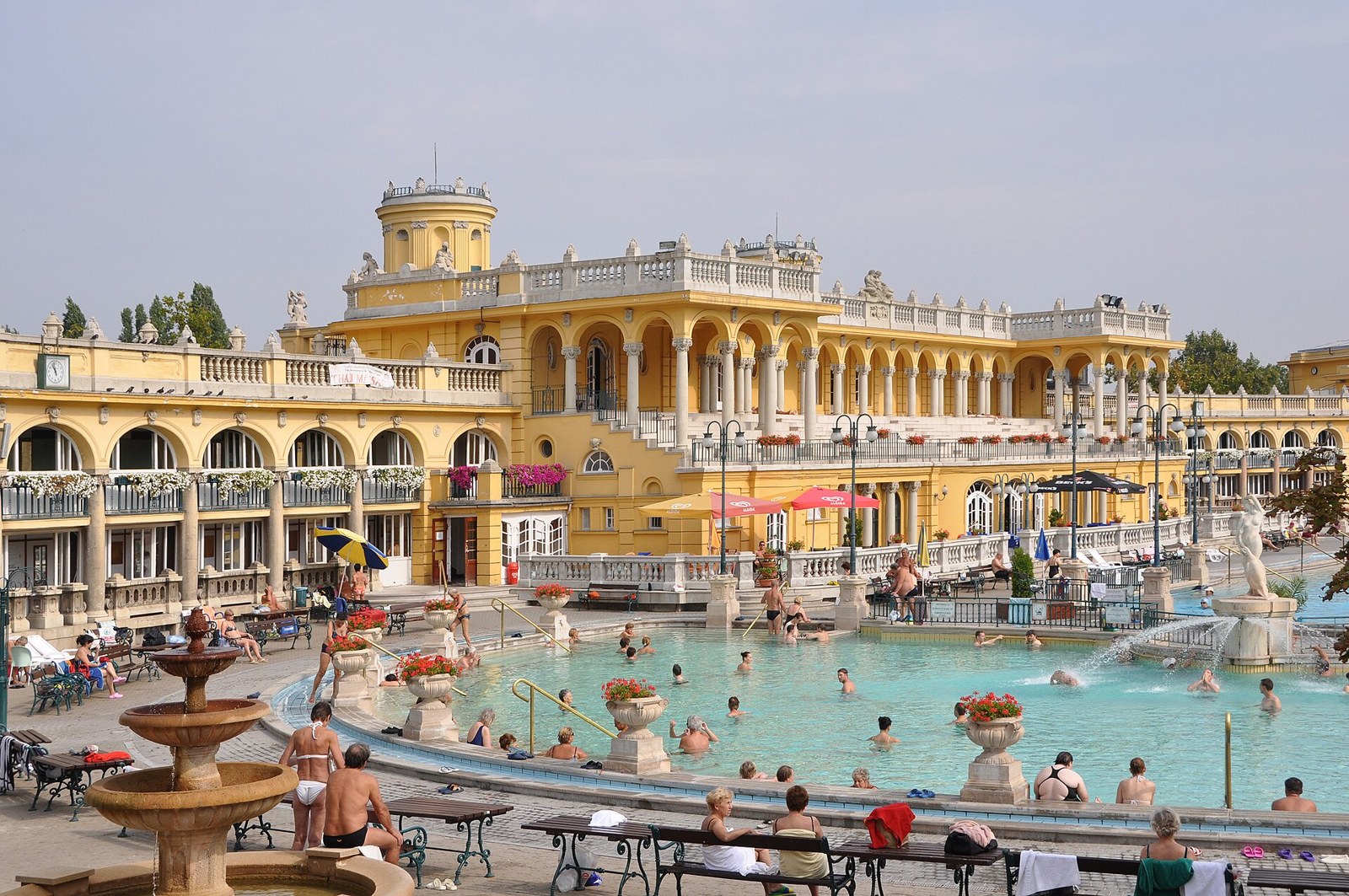
Approach Budapest bathing as a deliberate sequence of arrival, washing, warmth and rest, with venue rules and personal limits at the center.
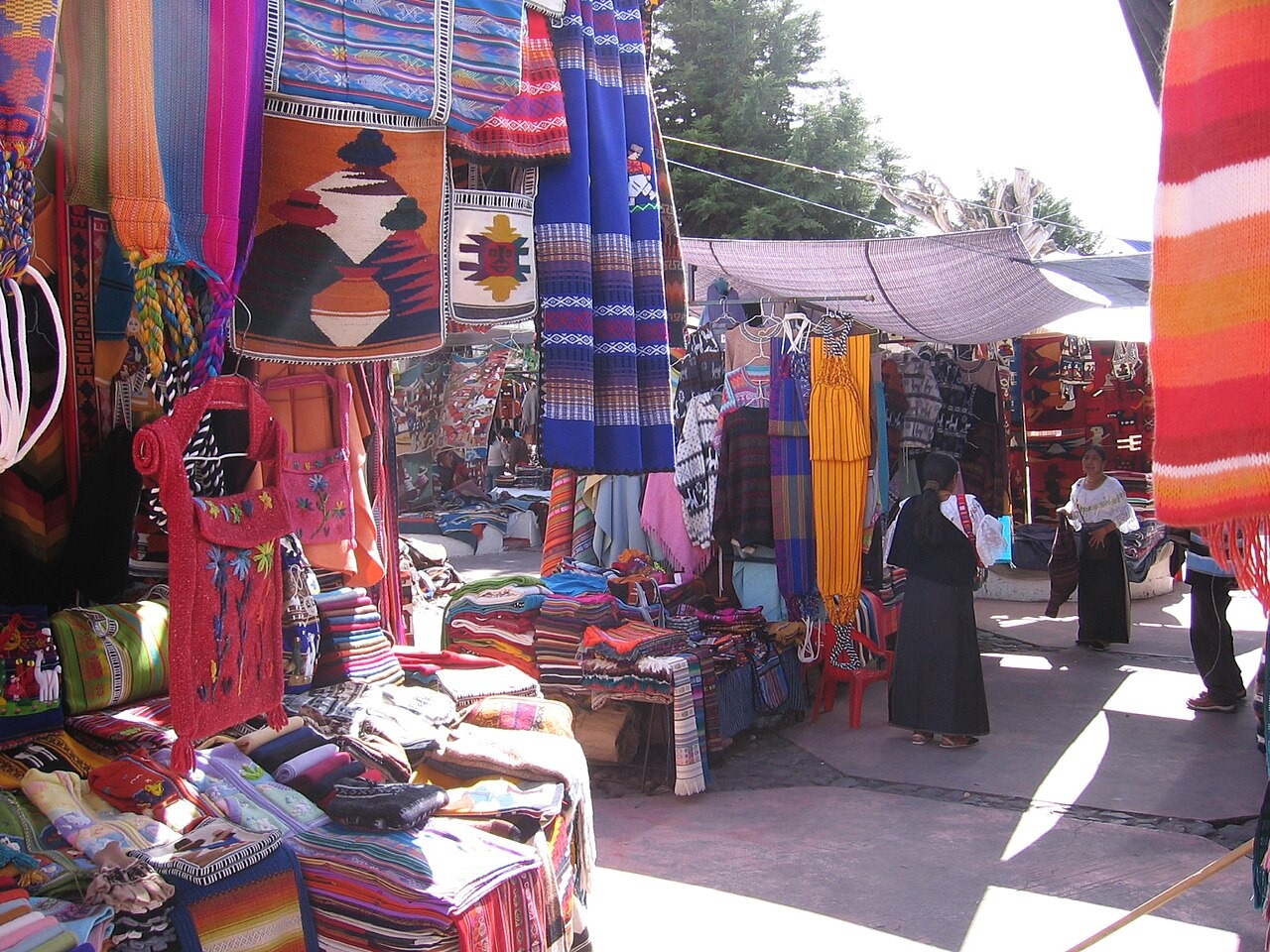
Otavalo’s textile story does not end at a market stall. In nearby Peguche, weaving belongs to working households, changing livelihoods and knowledge carried between generations. A thoughtful touch-focused visit begins with an invitation, not a hand reaching toward someone else’s loom. Arrange time with a maker who wants to teach, ask what participation actually includes, and pay for that expertise separately from any shopping. Yarn, tension and repeated movement can then reveal something that a quick purchase cannot: how much attention sits inside a length of cloth, and why the person making it should decide how the encounter unfolds.


