TOUCHFez, Morocco
Made by hand: the craft traditions of Fez
Meet the materials and working skills of Fez through careful observation, permission-based handling and thoughtful purchases.
8 min readRead story
Otavalo’s textile story does not end at a market stall. In nearby Peguche, weaving belongs to working households, changing livelihoods and knowledge carried between generations. A thoughtful touch-focused visit begins with an invitation, not a hand reaching toward someone else’s loom. Arrange time with a maker who wants to teach, ask what participation actually includes, and pay for that expertise separately from any shopping. Yarn, tension and repeated movement can then reveal something that a quick purchase cannot: how much attention sits inside a length of cloth, and why the person making it should decide how the encounter unfolds.
By Journey Into Wellbeing editorial team
Published: November 11, 2026
Updated: November 11, 2026
8 min read
Plan around a confirmed host appointment rather than market bustle. Carry rain protection and layers, and ask locally about weather and community events.
Travel north from Quito to Otavalo by interprovincial bus or arranged road transfer. Confirm the current departure terminal and onward transport to the exact Peguche workshop with your host.
Peguche, close to Otavalo, is a place to approach weaving as present-day work rather than a performance from a vanished past. An Imbabura provincial government report describes local artisan organization and the production of textiles using wool, cotton and acrylic. That range matters. A living tradition can include changing materials and business decisions without becoming less connected to the people who sustain it.
Avoid arriving with a checklist of what an Indigenous workshop ought to look like. Ask how the family or collective describes its own work, who designs the cloth and which stages happen on site. Some people specialize in making, others in trading or organizing visits. Those roles should not be collapsed into a romantic picture of every seller weaving everything at home.
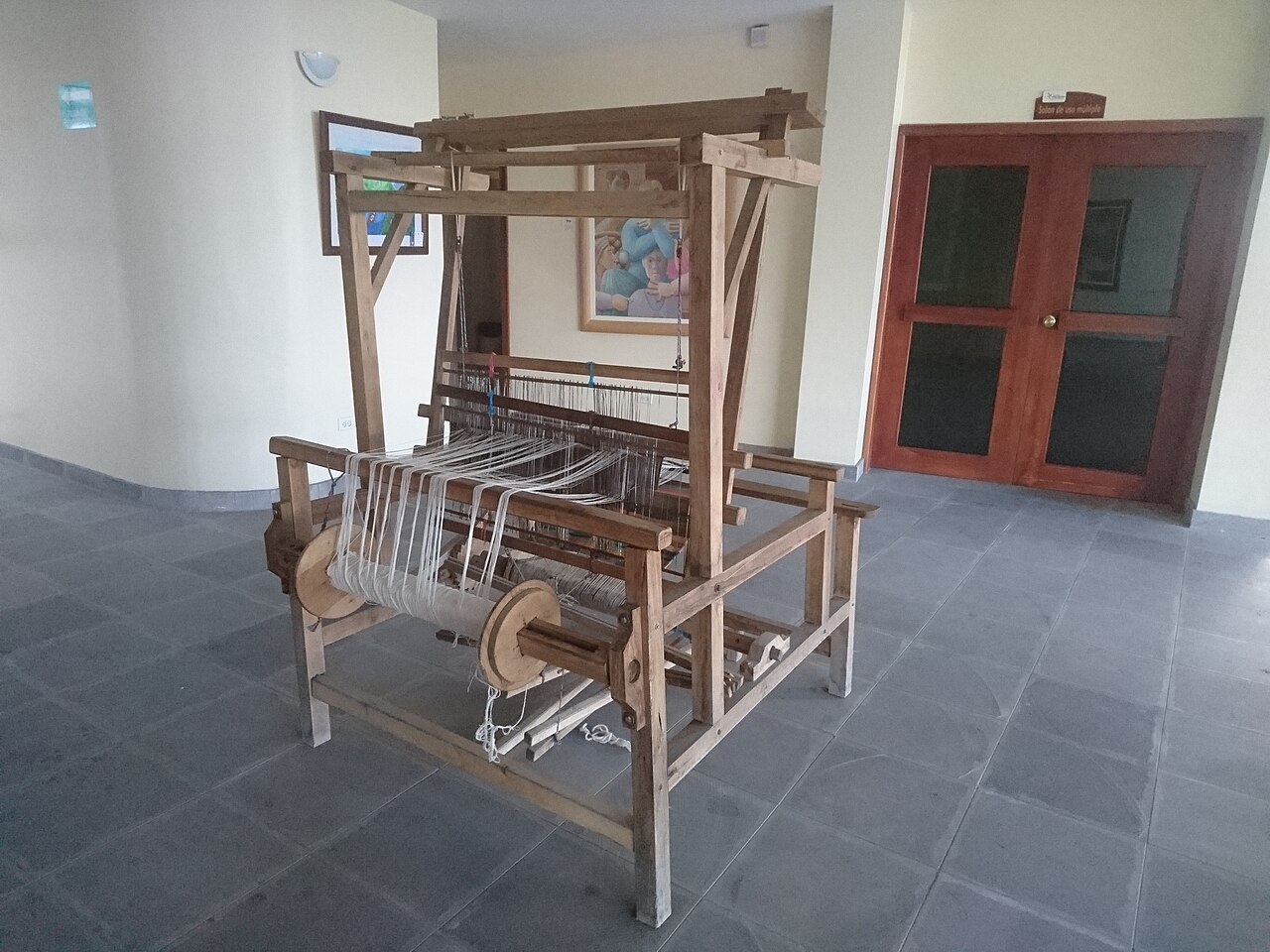
A market purchase, a demonstration and a practical lesson are separate exchanges. Looking at a loom does not automatically include permission to operate it. Before traveling, ask a prospective host whether visitors can handle sample yarn, try a preparatory task or work briefly under supervision. The answer may depend on the project currently on the loom, available teaching time and the needs of the household.
State your interest honestly: learning how tension works, understanding a particular textile, or trying a small movement rather than making a complete object. Request the duration, language, group size and total fee in writing. Confirm whether an interpreter is needed and who is being paid. A local guide can help arrange introductions, but should not promise hands-on access on behalf of a maker who has not agreed.
Permission to enter a room is not permission to touch every object or film every stage. Ask again before approaching the loom, handling a finished textile or photographing people. Accept a refusal without bargaining. If a host changes a practical activity to observation because the work is delicate or time is short, discuss what is possible respectfully rather than treating access to tools as an entitlement.
Ask what the teaching payment covers and whether a purchase is optional. Compensation for instruction should not depend on the maker convincing you to buy afterward. If a guide or intermediary collects the money, request a clear explanation of the arrangement. A small group and an agreed finish time can make the visit easier to manage without demanding unlimited hospitality from a working household.
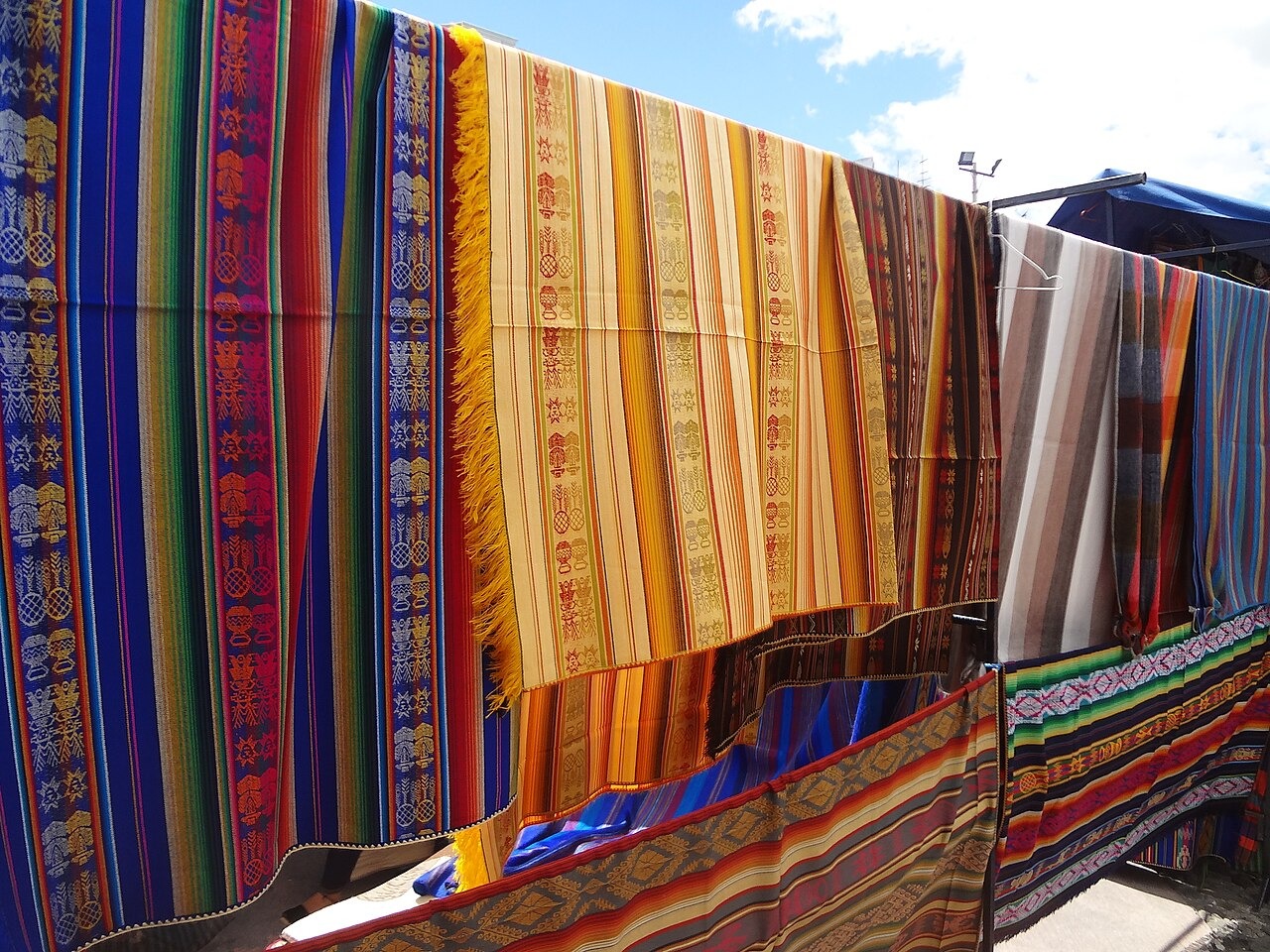
Begin with materials the host explicitly offers for handling. Compare how a loose strand feels with the same yarn held under tension, and ask how it was prepared. Wool, cotton and acrylic need not behave alike, but avoid guessing fiber content from softness alone. A label, a maker’s explanation and a supply history provide more useful information than a visitor’s quick tactile judgment.
If invited to participate, start with the task the teacher chooses. Separating threads, guiding a shuttle or watching a repeated movement closely can reveal how easily an uneven action affects the cloth. Keep expectations modest. The point is not to become a weaver in an afternoon or claim authorship of the household’s work. It is to understand something about the concentration and preparation that a finished textile conceals.
Good questions stay close to what the maker wishes to discuss. Ask who taught a technique, how the loom is set up, or why a particular yarn suits a blanket rather than another product. Let the host decide whether a pattern has a story they want to share. Not every geometric form needs a symbolic explanation, and no visitor should invent one to make a purchase sound more meaningful.
Use the community’s own preferred names when recording the visit, and ask how the maker would like to be credited. Speaking Spanish may help with arrangements, but do not assume it is everyone’s preferred language or that translation is unnecessary. If a conversation moves into family history, ceremonies or personal circumstances, follow the host’s lead. Paying for a lesson does not buy an unrestricted interview.
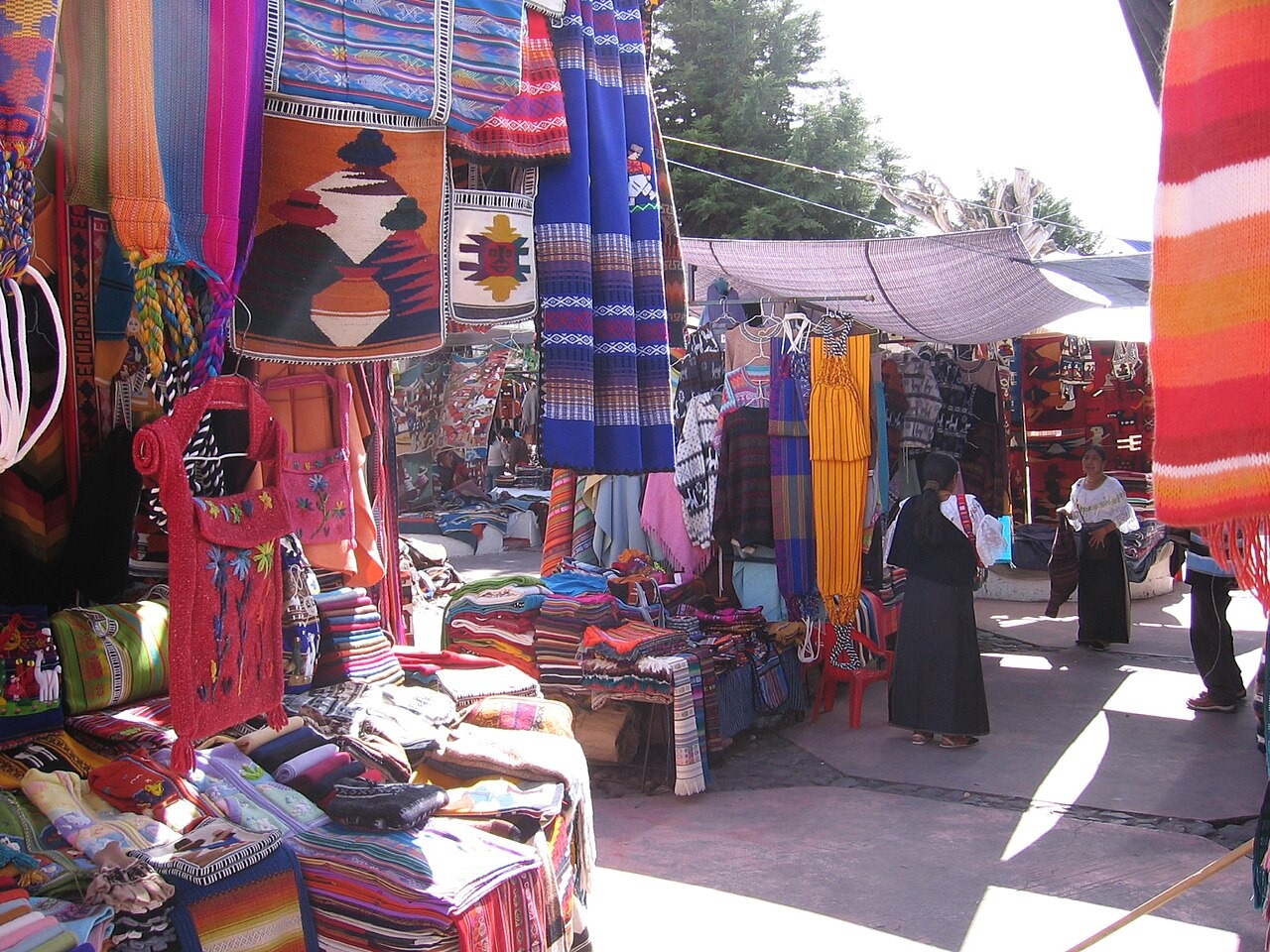
Ecuador’s tourism ministry presents Otavalo as a destination for textiles and a wide range of other crafts. Plaza de los Ponchos can help you see the breadth of goods on offer, but a busy market is a trading environment, not a guarantee of production method. Ask whether an item was woven locally, made elsewhere or sourced through a supplier. A useful answer can be specific without involving a workshop visit.
Look at seams, edges, weave and labeling with the seller’s permission. Ask about fiber blends, care and the person or business that made the piece. Avoid calling everything handmade or assuming that natural fibers are automatically more ethical. Bargaining, if welcome, should remain courteous and proportionate. A textile that took substantial labor should not become a contest in extracting the lowest possible price.
The national tourism site describes road and interprovincial public transport connections between Quito and Otavalo. Confirm your actual departure point before leaving accommodation, since Quito’s urban distances add another journey before the bus ride begins. If coming from the airport, compare a directly arranged transfer with traveling through the city. Do not treat a general travel estimate as a guaranteed arrival time for a private lesson.
Ask the workshop for a precise location, a recognizable landmark and a reachable contact. Peguche is not simply another stall in central Otavalo, so arrange the final local journey separately. A host or accommodation can advise on a suitable taxi or current bus option. Agree the destination and fare arrangement before setting off, and organize your return while communication is easy rather than waiting until the visit ends.
Explain any access requirements before booking: steps, uneven paths, seating, toilet access and space around a loom all matter. Ask whether observation or a seated sample activity is possible if the normal teaching position is unsuitable. Neither a traditional workshop nor a community tourism description guarantees step-free access. For children, confirm supervision expectations and keep hands away from moving loom parts unless the instructor directs otherwise.
Carry layers and rain protection, and leave room for breaks rather than combining a lesson with an exhausting sightseeing circuit. In crowded transport or market areas, keep your phone and payment money secure and avoid displaying everything at once. Check current official travel advice before the trip and ask your accommodation about local conditions. If visiting nearby landscape or ceremonial places afterward, seek guidance rather than assuming the workshop invitation extends to those spaces.
Budget separately for teaching, interpretation if needed, transport, food and any textile purchase. A private appointment may cost more than browsing, because someone is setting aside productive time to explain and supervise. Ask about payment methods, cancellation terms and whether materials are included. Carry manageable payment denominations without exposing your entire travel budget, and do not rely on card facilities at a small workshop.
Leave space in the day after the appointment instead of pushing the host to accelerate a process for your return bus. If you buy cloth, ask how to fold, wash and store it; follow the maker’s guidance rather than assumptions based on appearance. Before posting photographs or a recommendation online, confirm consent and the correct business details. A useful endorsement credits the maker’s expertise without publishing private family information or presenting a paid lesson as access to an entire culture.
Do not depend on it. A workshop may be producing orders, welcoming only arranged visits or offering observation rather than participation. Contact a host beforehand and ask exactly what you may do. If no lesson is available, a paid demonstration or a respectful conversation about finished textiles can still be worthwhile.
It can, but the relationship varies. A seller may be the maker, a family member, a trader or a retailer sourcing goods from several places. Ask about origin and production without treating commerce itself as suspicious. For a direct teaching encounter, book with a maker who has explicitly agreed to host you.
Only with permission from the host and anyone who will appear. Ask separately about video, close views of patterns and public posting. An agreement to be photographed does not necessarily include commercial use or unrestricted sharing. If photography is unwelcome, keep your attention on the explanation and take written notes afterward if appropriate.
Clarify this before the visit. A properly agreed teaching fee should make the exchange understandable without an unspoken obligation to shop. Buying a textile you genuinely want can be another form of support, but it should be a separate decision. Thank the teacher, respect the agreed finish time and avoid demanding additional demonstrations as part of browsing.
Verify opening arrangements, transport, access rules and safety information with official sources. We omit numerical budget ranges where reliable current figures have not been verified.
Keep exploring
Meet the materials and working skills of Fez through careful observation, permission-based handling and thoughtful purchases.
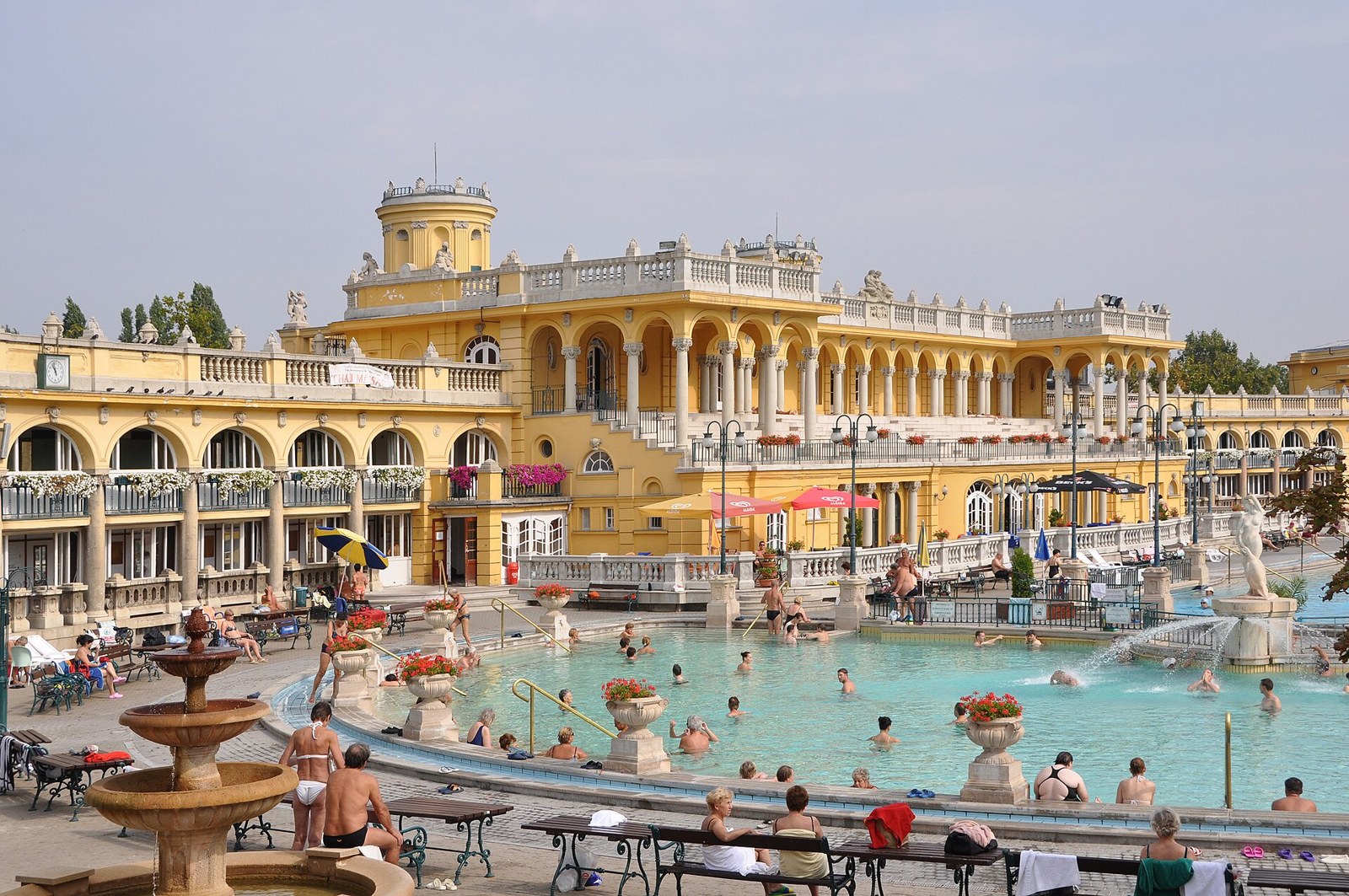
Approach Budapest bathing as a deliberate sequence of arrival, washing, warmth and rest, with venue rules and personal limits at the center.

In Mashiko, the most revealing ceramic encounter begins before a bowl reaches the shop shelf. Damp clay resists a thumb, a rim changes under a fingertip, and a familiar household shape becomes surprisingly difficult to make. This pottery town in Tochigi offers a way into Japanese mingei through practical objects and the people who produce them. Combine a confirmed beginner session with museum time and unhurried walking, rather than treating the town as a place to collect a finished souvenir. The reward is a clearer understanding of how material, repetition and firing turn an everyday vessel into something worth noticing.


