TOUCHFez, Morocco
Made by hand: the craft traditions of Fez
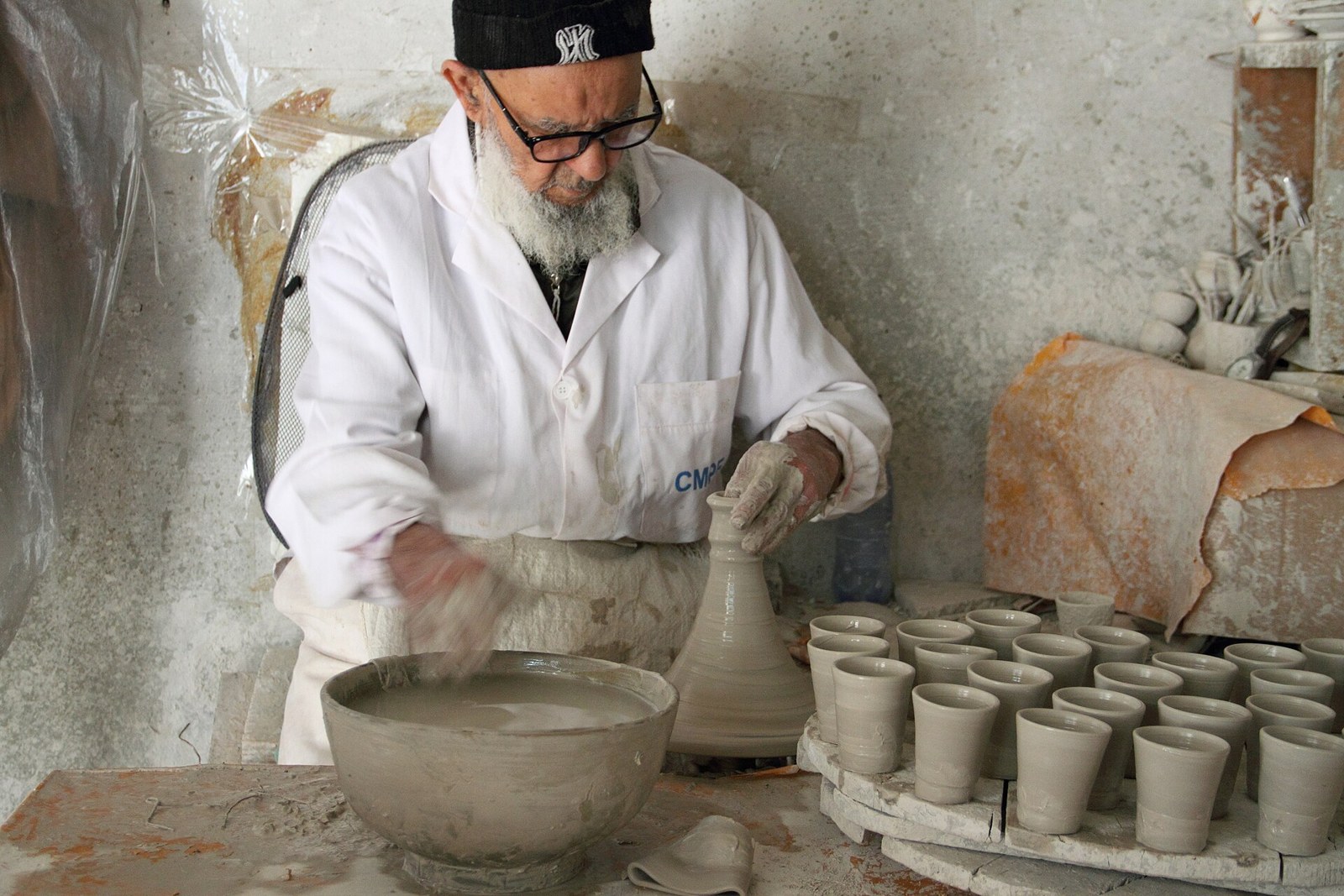
Meet the materials and working skills of Fez through careful observation, permission-based handling and thoughtful purchases.
8 min readRead story
Approach Budapest bathing as a deliberate sequence of arrival, washing, warmth and rest, with venue rules and personal limits at the center.
By Journey Into Wellbeing editorial team
Published: November 11, 2026
Updated: November 11, 2026
8 min read
Thermal bathing is possible throughout the year. Outdoor transitions can be cold in winter, while hot summer days make shade, water and shorter warm-water sessions especially important.
Budapest is accessible by air and international rail. Use the city public transport network for the final connection, checking the bath entrance and current service information.
Budapest's baths are often presented as a string of famous names, but a better first visit begins by choosing one place and understanding how it works. The experience involves changing rooms, showers, pools, rest areas and other people following their own routines. Leave enough time to move through those stages without rushing. You do not need to try every pool or remain until closing to have made good use of the visit. A calm arrival often matters more than an ambitious bathing plan.
Touch here is primarily about temperature, water movement and the surfaces beneath your feet, not a search for the most intense sensation. Notice how warm water feels after the walk from the changing room and how your body responds after you get out. Avoid treating discomfort as proof that the experience is effective. A bath is not a challenge to withstand heat or cold. Read the rules, take breaks and leave a pool whenever you feel that you have had enough.
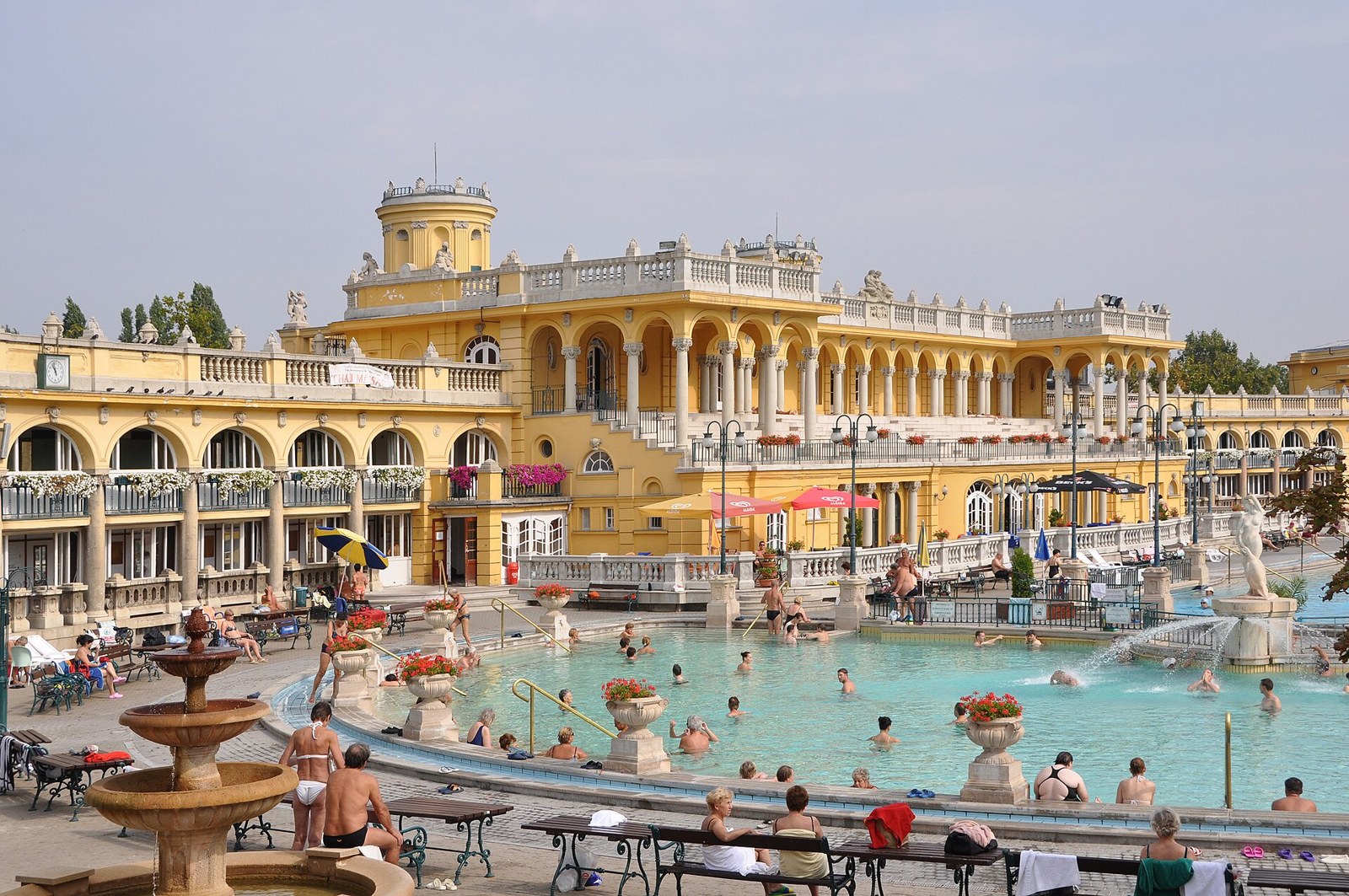
Szechenyi is a recognizable starting point, with indoor and outdoor pools and a setting that can suit visitors who want a large complex. Its official pool information distinguishes swimming, leisure and thermal spaces rather than treating every body of water as interchangeable. That distinction is useful before booking: swimming laps, sitting in warm water and using a sauna are different activities, and a ticket does not erase the rules specific to each one.
Other Budapest baths have their own schedules, pool arrangements and admission conditions. Rudas is one example where checking the exact session matters, because access arrangements can differ by day and area. Do not assume that a general description in an old guide reflects the session you are considering. Use the chosen bath's official website to confirm what is open, who may enter and which facilities are included. If a particular historic room, outdoor pool or service is essential to your plan, verify it directly before committing.
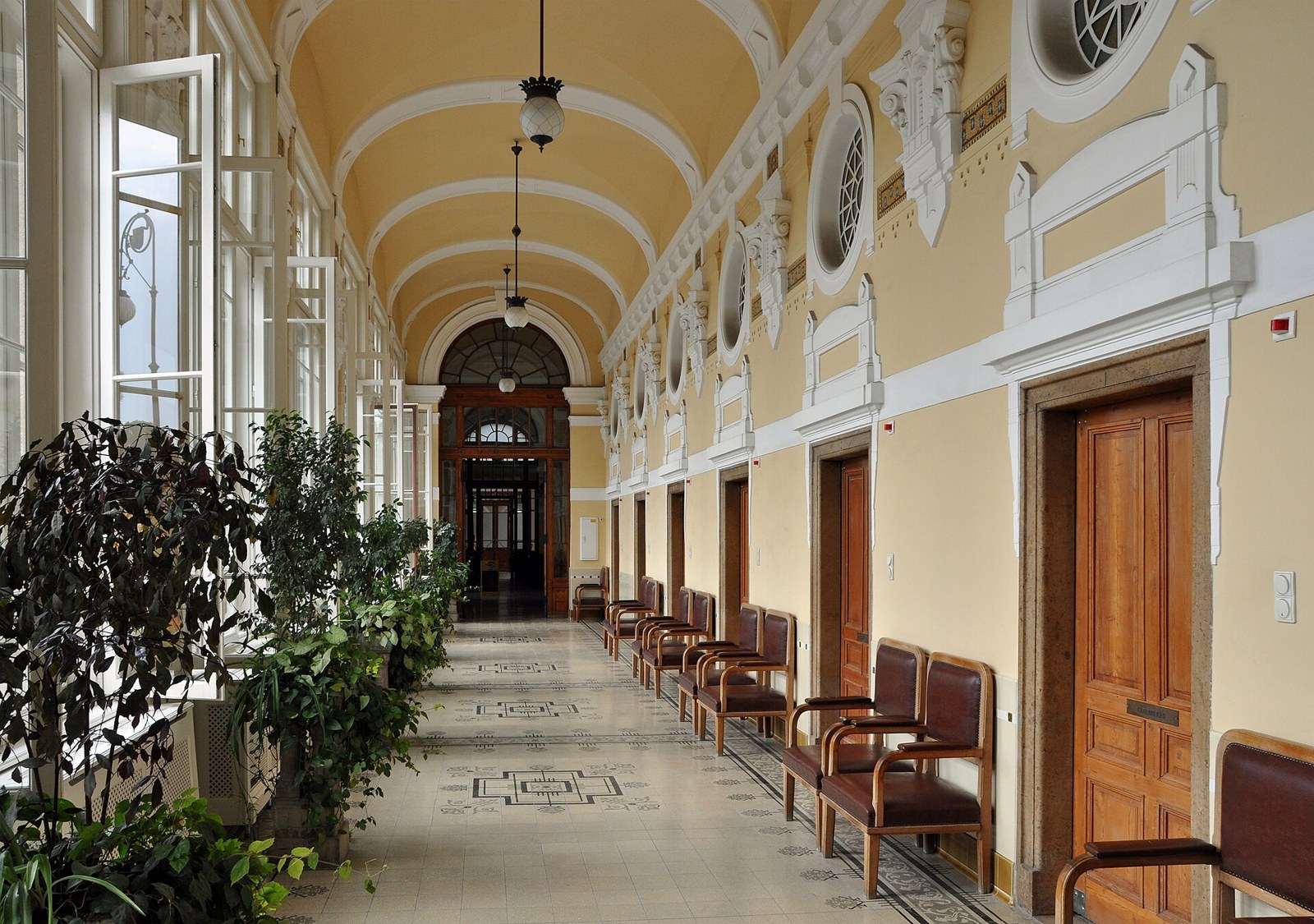
Read the ticket description closely. A locker, a changing cabin, a treatment and access to additional areas are not necessarily part of the same admission. A cabin generally concerns changing arrangements and should not be assumed to provide a private bathing space. Check the date, entry conditions, cancellation terms and any time restrictions. Use the bath's own website for current purchasing guidance rather than relying on a search result that may describe an older offer.
Szechenyi's official FAQ provides practical information about booking and entry procedures, including exchanging the booking code for the access device used on site. Download what you need before departure so poor reception does not complicate arrival. Keep the confirmation available, but do not assume a screenshot substitutes for every required step. If your plans may change, understand the conditions before paying. A well-prepared visit also means knowing the final admission time and the time by which you must leave the water, not merely the building's headline closing hour.
Bring appropriate swimwear, a towel, footwear suitable for the bath's wet areas and a bag for damp items afterward. Check whether the venue requires particular footwear and whether a swimming cap is necessary for the pool you intend to use. A requirement for a lap pool may differ from one for a thermal pool. Do not assume that rental equipment or an on-site shop will solve every omission. Arriving with the essentials keeps the changing process simpler and avoids an unwanted interruption.
Leave valuables that you do not need at your accommodation when possible. Use the storage arrangement provided and follow instructions for the wristband or other access device. A locker is not a reason to bring unnecessary documents or expensive equipment. Keep glasses, medication and mobility aids where you can retrieve them appropriately. If you need accessible changing or pool access, ask the venue about the exact route and assistance before travelling. An accessible entrance alone does not establish that every historic bathing space will suit your needs.
Shower before entering the pools and follow the posted instructions for each space. Move carefully rather than hurrying across wet tiles, and use handrails where provided. Check the depth and temperature notices before getting in. A pool that looks like a comfortable place to sit may differ substantially from the one beside it. Enter gradually, stay aware of steps and give other bathers room to get in and out without being crowded.
Build the visit around short, comfortable periods in the water separated by rest. The appropriate duration depends on the pool, its posted guidance and your own circumstances, so do not copy someone else's routine. Drinking water and a pause in a normal-temperature area can be more useful than moving immediately to another hot pool. Avoid alcohol before and during bathing. If you feel dizzy, faint, nauseated or otherwise unwell, leave the water safely, seek assistance and do not continue simply because you have more time on your ticket.
Thermal baths may describe mineral composition, medical pools and treatments, but those descriptions are not a personalized recommendation. Do not infer that a recreational visit will treat a condition or that hotter water will be more beneficial. If you have a cardiovascular condition, problems with fainting or another concern affected by heat, seek advice from a qualified clinician before planning the visit. Pregnancy and medication use can also be reasons to ask for individualized guidance rather than relying on another traveller's experience.
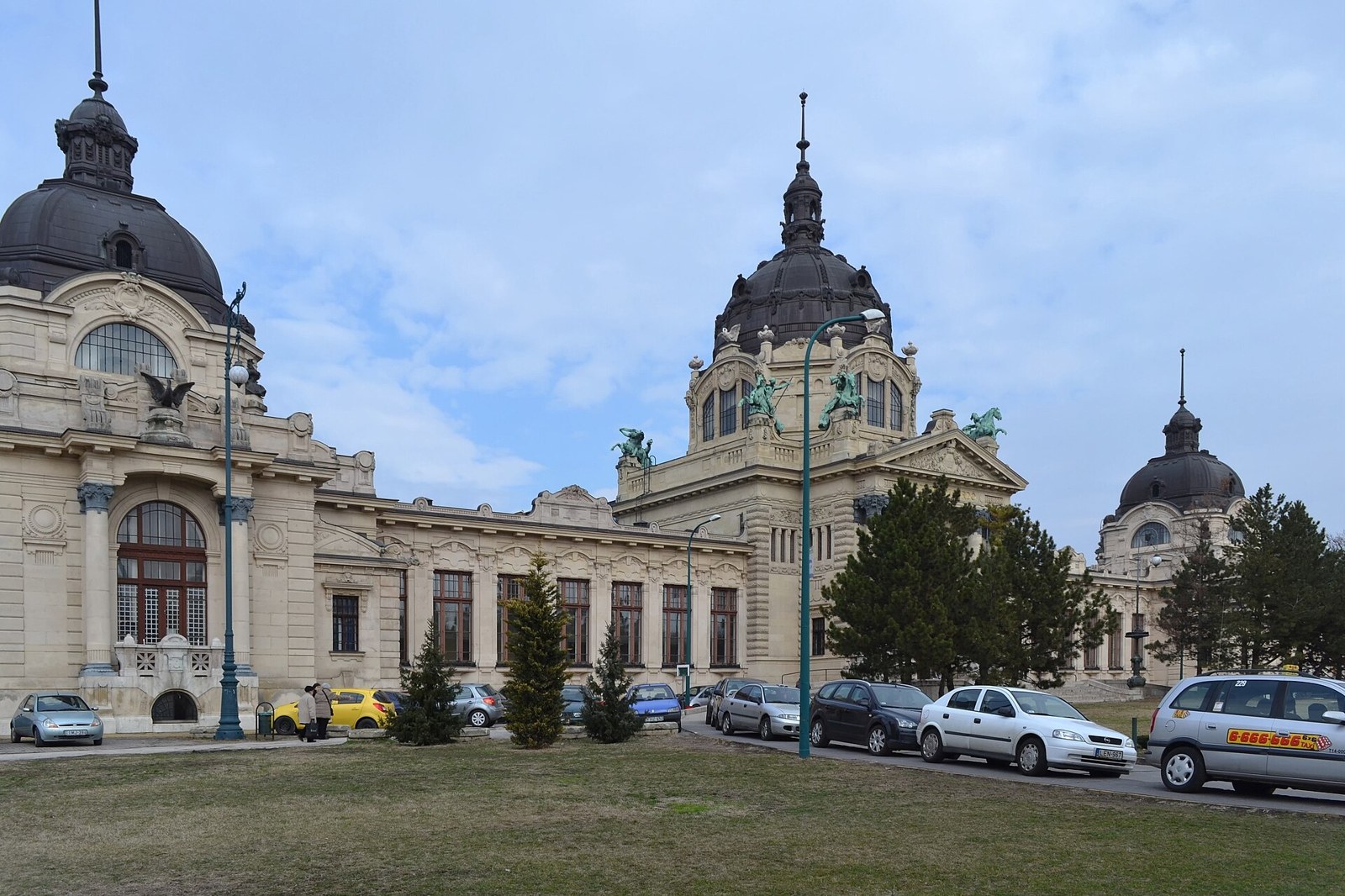
Check the bath's current admission and health restrictions, including those concerning children. A large pool complex is not automatically a suitable family swimming destination, and a child ticket or general attraction listing does not establish access to every area. Avoid bathing when you have an infectious illness or an open wound contrary to venue guidance. If thermal bathing is unsuitable, you can still appreciate Budapest's bath architecture through whatever non-bathing access is officially available, or simply choose another cultural activity. There is no need to turn a health limitation into a disappointing test of endurance.
Bath etiquette begins with noticing the atmosphere of the area you are in. Keep conversation considerate, do not reserve shared seating with belongings longer than the rules allow, and avoid splashing in a pool intended for quiet bathing. Photography deserves particular care because people are in swimwear or moving between changing and bathing areas. Follow the venue's policy and do not photograph other bathers without consent. A phone-free visit can make the experience both more restful and more respectful.
Leave time to shower, dry off and change without rushing for a transport connection. In winter, dress fully before going outside and make the journey back straightforward. In summer, do not treat a hot outdoor walk as the natural continuation of prolonged warm-water bathing. Eat, drink water and rest as needed. A nearby meal or an easy journey back to your accommodation is a sensible ending. The ritual is complete when you leave feeling comfortable, not when you have exhausted every facility or produced a photograph from each pool.
Rules differ by venue and pool. A cap may be required for swimming lanes without being required in every thermal area. Check the current rules of the exact bath and bring one if you plan to swim. Do not assume that photographs of bareheaded bathers establish the rule for the pool you want to use.
Do not assume that a dramatic temperature change is necessary or appropriate. Follow posted instructions and seek medical advice if you have a relevant condition or uncertainty. You can have a complete visit without cold plunges, saunas or the hottest pool. Comfort and safe movement matter more than reproducing someone else's routine.
Only if that matches your interests and the ticket conditions. A first visit can be satisfying without using the entire available period. Avoid combining it with a tightly timed onward journey, and leave space for changing and resting. Check whether leaving the complex ends admission rather than assuming you can return later.
Verify opening arrangements, transport, access rules and safety information with official sources. We omit numerical budget ranges where reliable current figures have not been verified.
Keep exploring
Meet the materials and working skills of Fez through careful observation, permission-based handling and thoughtful purchases.
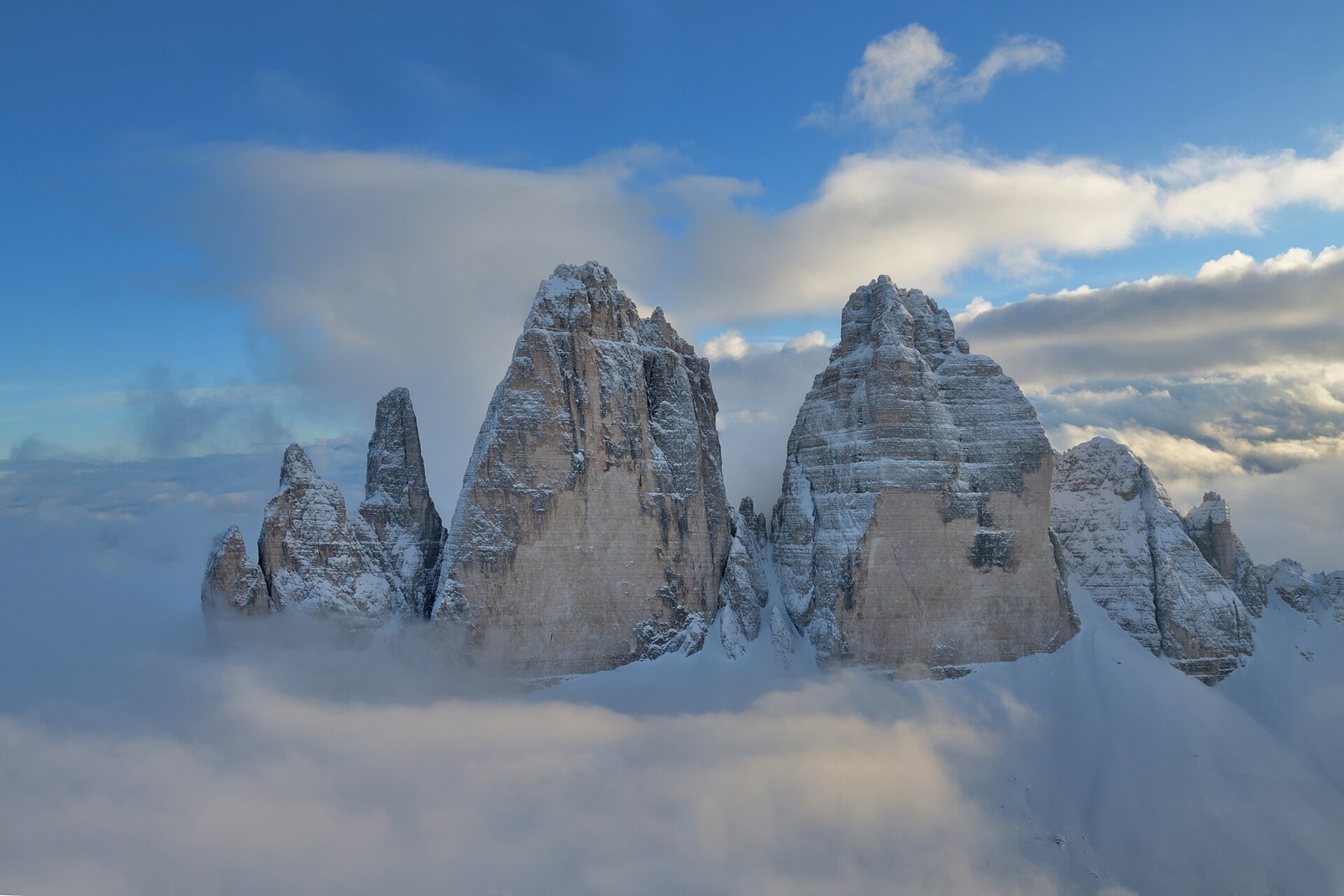
Choose a valley, understand the mountain conditions, and give this complex landscape more than a hurried photograph.
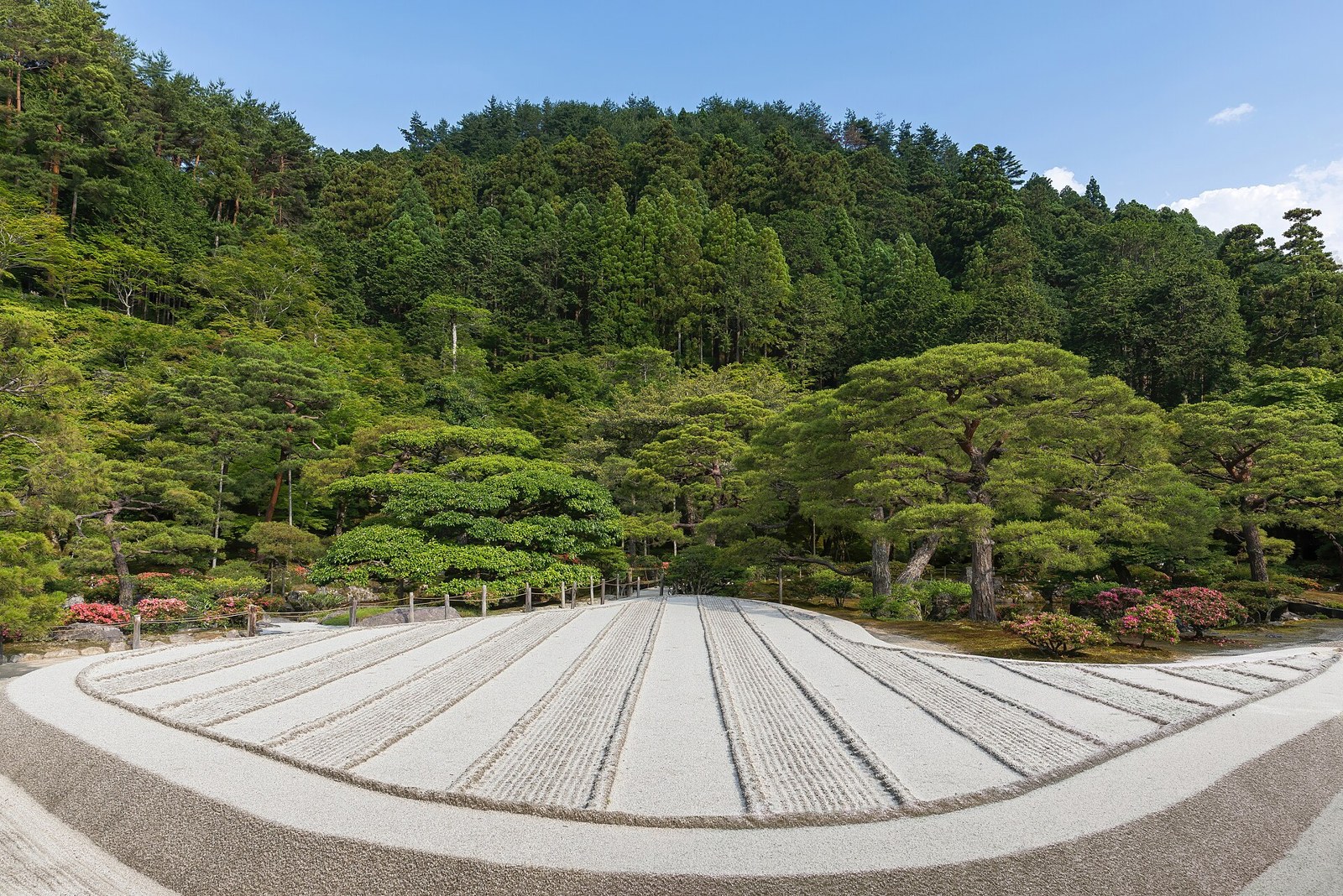
An attentive approach to Kyoto gardens, with time for framing, seasonal change and the rules that protect quiet spaces.


