SCENTProvence, France
Provence in the scent of lavender
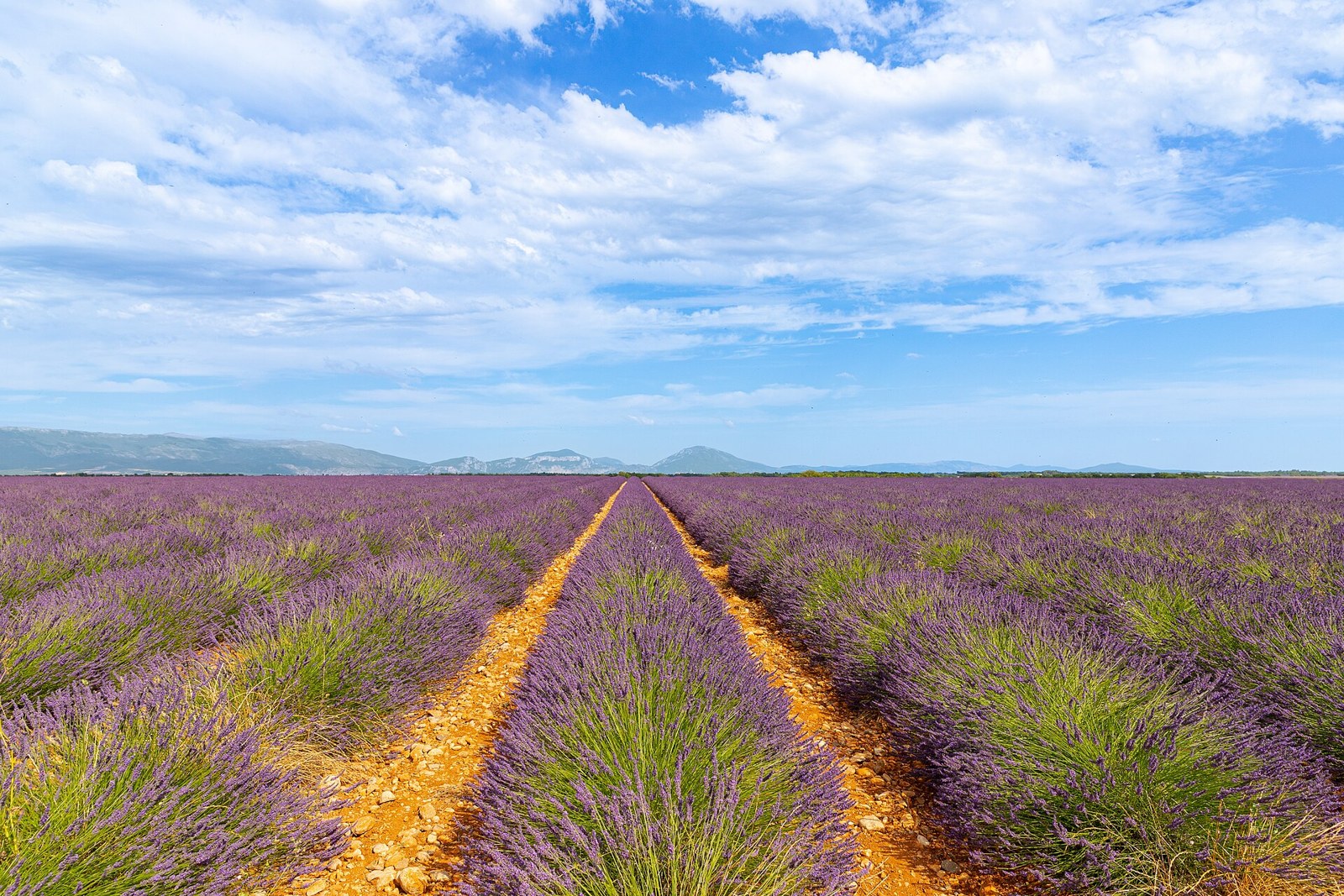
A lavender journey built around working farms, flowering conditions and the differences between a field, a distillery and a finished scent.
7 min readRead story
Lift the lid of a freshly brewed pot before taking a sip. In Darjeeling, that small pause can be as revealing as a mountain view: steam carries suggestions of flowers, fresh vegetation or ripe fruit, depending on the leaf and how it has been made. Tea gardens give those aromas a landscape, but a rewarding visit requires more than looking across green slopes. Meet the finished tea through careful tasting, learn what a working estate can actually show you, and leave space for weather, steep streets and the people whose labor connects the hillside with the cup.
By Journey Into Wellbeing editorial team
Published: November 11, 2026
Updated: November 11, 2026
9 min read
Spring and autumn can suit a tea-focused trip, with harvest characteristics varying by season. Monsoon conditions can complicate hill travel, while winter factory activity may be reduced; confirm visits directly.
Bagdogra is the main airport gateway and New Jalpaiguri a major rail gateway. Continue by an arranged road transfer or a verified shared-vehicle service. Check current hill-road conditions and allow flexibility around onward connections.
A tea-covered hillside is beautiful, but beauty alone explains little about the drink. Darjeeling's character emerges from growing conditions, seasonal leaf and the decisions made during processing. The Tea Board of India links its distinctive quality to location, climate, soil, altitude and careful manufacture. Keep that combination in mind when someone suggests that every tea from the district should smell or taste identical. The landscape matters, but so do the people working with its crop.
Decide what you want from an estate visit before booking. A garden walk, a factory explanation and a guided tasting are different activities, and one fee may not include all of them. Ask what will be available on your chosen date, whether processing is expected and whether the host can explain the teas you will taste. A factory cannot demonstrate a live production stage merely because visitors have arrived. If the machinery is quiet, a knowledgeable guide and a thoughtful tasting can still make the visit worthwhile, provided the limitations were made clear in advance.
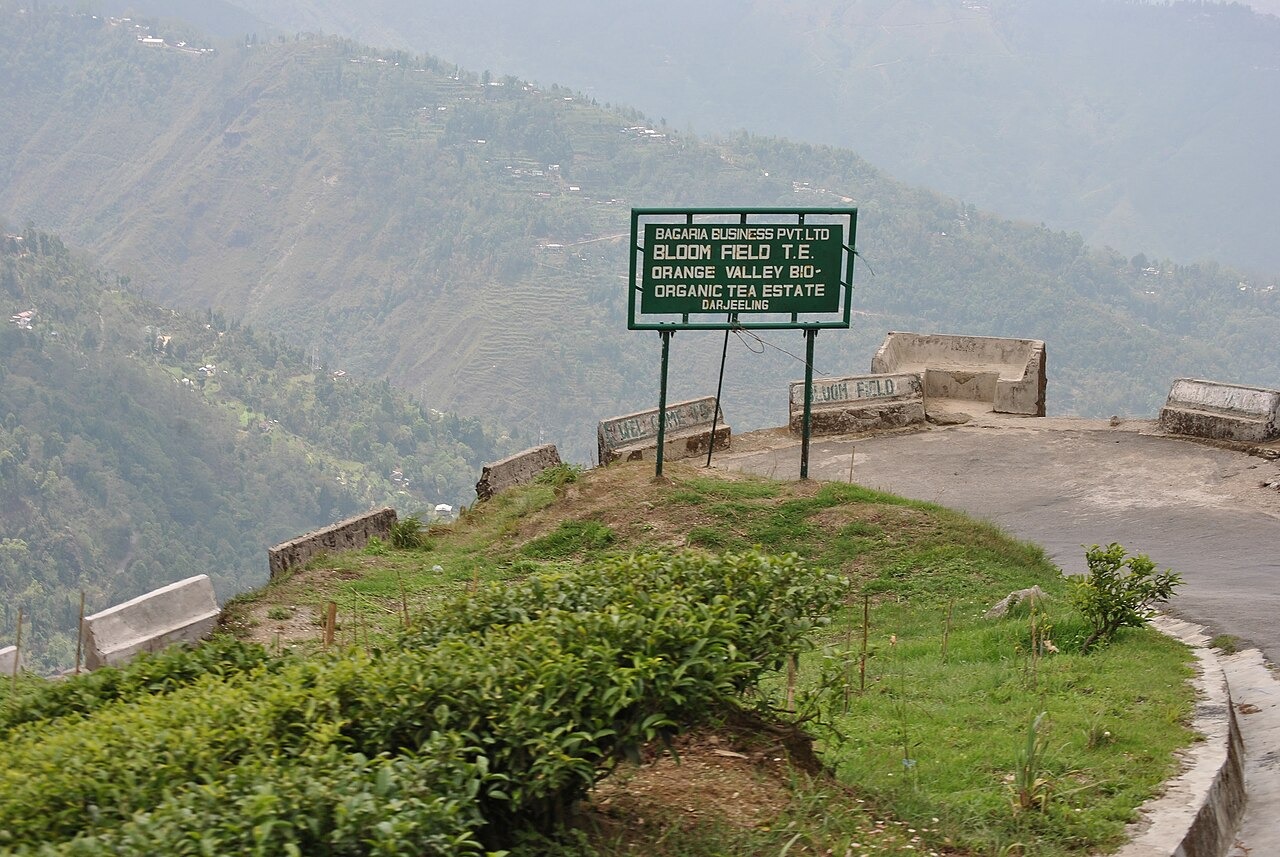
The Darjeeling district administration identifies Happy Valley Tea Estate as a garden close to town, below Hill Cart Road and approached via Lochnager Road from the Chowk Bazaar area. Its location makes it a sensible first inquiry for travelers staying in Darjeeling rather than heading straight to a distant estate. The government visitor page also connects the spring period with plucking and processing. Treat that as seasonal context, not a guarantee that a particular activity will be visible when you arrive.
Contact the estate or an authorized visitor organizer for current access, guided visits and tasting arrangements. Published opening information can lag behind operational changes, holidays or weather. Ask where the visit begins and whether the approach includes a steep descent followed by a climb back into town. Arrange a vehicle if the route exceeds your walking comfort. A nearby map location can still involve a demanding hill walk. Choose footwear with grip, carry water and avoid entering working areas before you have found the appropriate host. A plantation is not an unrestricted public park.
For an aroma-focused tasting, compare dry leaf, freshly infused leaf and the brewed tea if your host offers all three. The dry leaf may give a restrained impression that changes dramatically once warmed and wetted. Smell gently rather than repeatedly taking deep breaths over a hot vessel. Wait for the steam to become comfortable, then return as the tea cools. Temperature changes what you notice, and the first impression is not necessarily the most informative one.
Use ordinary words before reaching for specialist vocabulary. Does a sample suggest cut vegetation, flowers, dried fruit, toasted material or something woody? Your association may differ from another person's without either being dishonest. Ask the host which characteristics they consider typical of that particular lot, then compare the explanation with your own perception. Avoid treating the famous term muscatel as a compulsory answer for every Darjeeling tea. The point of tasting at origin is to discover variation, not to force each cup into a phrase remembered from a packet. Note the estate, harvest description and preparation alongside your impressions.
Record what you notice before reading the seller's full tasting description, then compare afterward. Include the tea name, approximate brewing method and whether you smelled the dry or infused leaf. A few specific observations are more useful than a long list of borrowed adjectives. Leave room for a second impression after cooling. This small routine makes it easier to remember distinctions when several samples have begun to merge in your memory.
Tea merchants often distinguish spring first-flush teas from later harvests, and those categories can help organize a comparison. They should not become a rigid prediction of what you will smell. Weather, the particular garden, leaf selection, processing and storage all affect the result. Ask for contrasting samples described by the seller, then taste them side by side under comparable preparation conditions. A pale infusion is not automatically weak, and a darker one is not automatically better.
Travel timing and tea availability are also different questions. You may be able to taste a stored tea from an earlier harvest while the estate is working on another season, or visit during a period when production is limited. Ask when each tea was made and how it has been stored rather than assuming everything offered was picked that morning. A good host should be able to distinguish a current production experience from a tasting of finished stock. Choose your travel season partly for road conditions and walking comfort, then confirm the tea experience that is genuinely possible during that period.
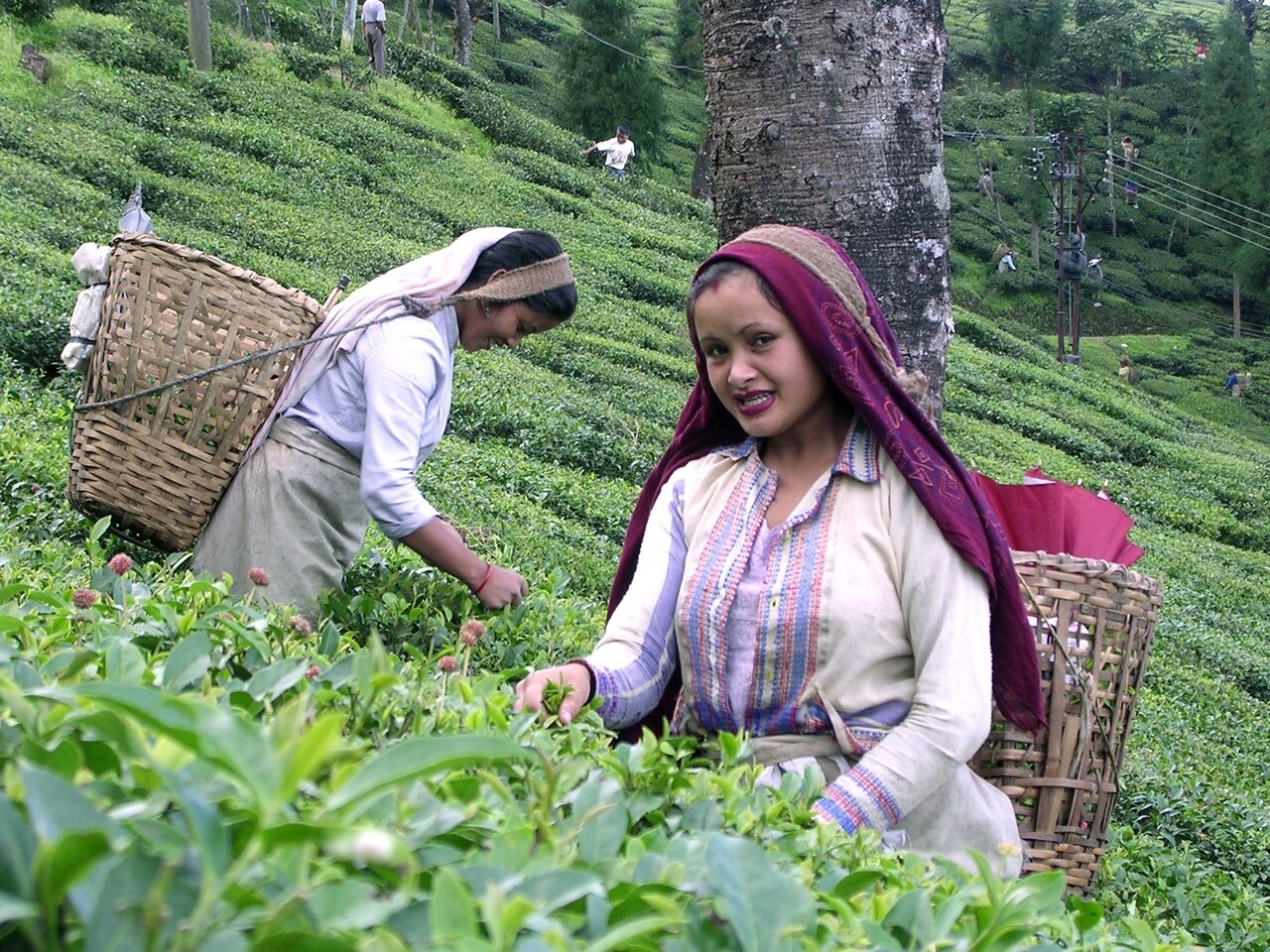
Tea landscapes are made and maintained by workers, not by scenery alone. Keep clear of plucking routes and factory movement, and ask before photographing anyone at work. A smile or a guide's enthusiasm does not replace an individual's consent to a close portrait. Do not ask workers to repeat actions for a picture or interrupt a task to stage a visitor's imitation of plucking. If a supervised activity is offered, follow the instructions and understand what permission covers.
Factory hygiene and safety requirements deserve equal attention. Stay with the guide, obey restrictions on bags and photography, and do not touch leaf or machinery unless invited. Questions about skill, processing and the organization of work can give the visit depth without romanticizing plantation life. Avoid repeating promotional language that portrays hard physical labor as a carefree mountain existence. Pay agreed guiding fees clearly, ask how any optional activity is organized and buy only what you actually want. Respectful curiosity includes acknowledging that the estate is simultaneously a place of production, employment and everyday life.
Most visitors approach Darjeeling through Bagdogra or New Jalpaiguri, then continue into the hills by road. The district's official visitor guidance identifies these gateways and describes shared and hired vehicle options. Arrange transport through an established operator, confirm the pickup point and discuss luggage before departure. Hill journeys depend on traffic, weather and road conditions, so avoid a tightly timed flight immediately after descending from town. Build a buffer rather than relying on an optimistic map estimate.
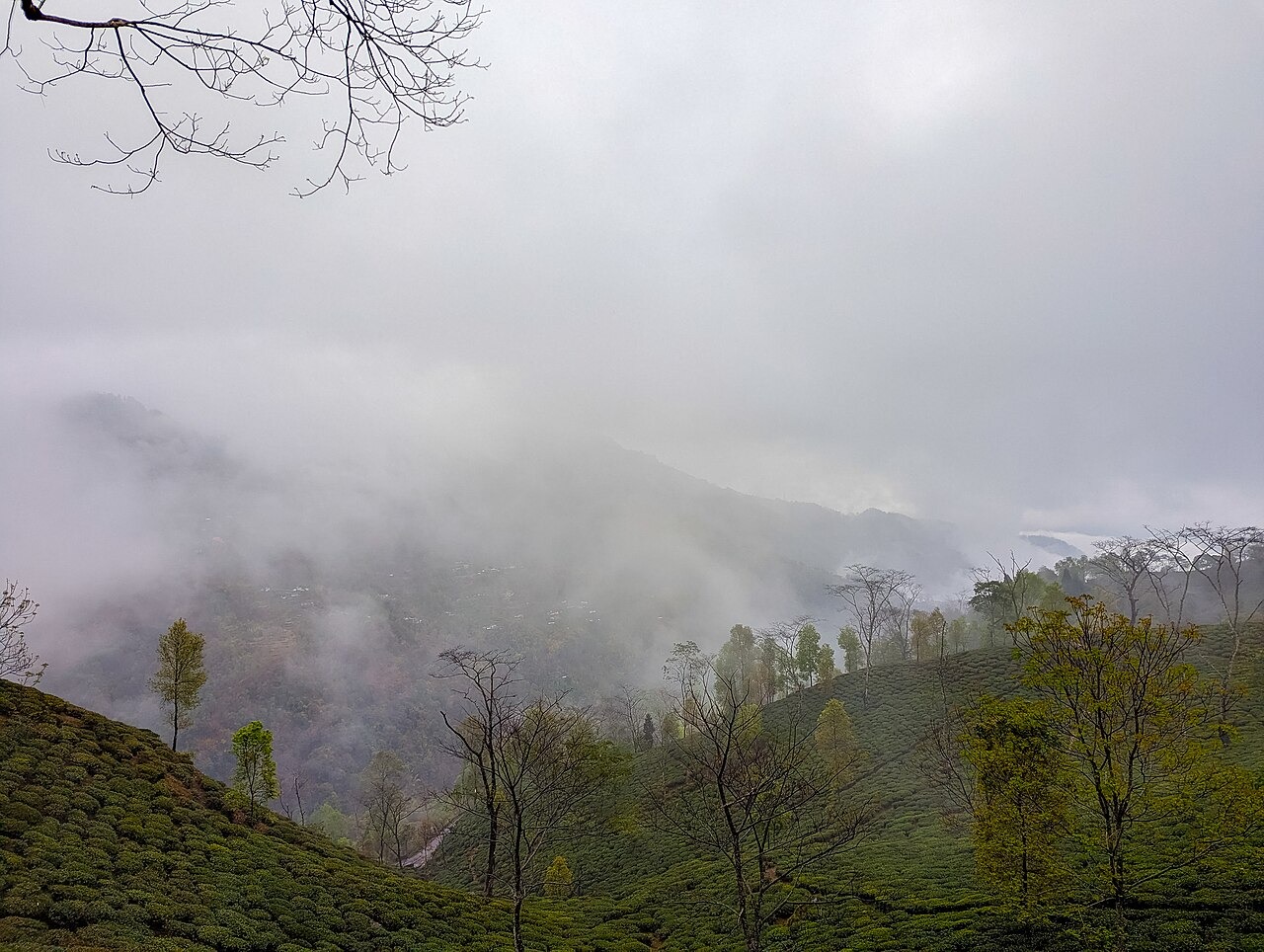
Within Darjeeling, steep streets and changing surfaces can matter more than distance. Ask an estate about steps, gradients, toilets and how close a vehicle can reach the visitor entrance. A garden path may be unsuitable for someone who can manage a tasting room comfortably. If mobility is limited, request a seated tasting with clear access information instead of assuming the entire visit must be abandoned. Carry a rain layer and warm clothing appropriate to the forecast. Cloud and rain can alter visibility quickly, so the pleasure of the day should not depend on a particular mountain panorama.
The Darjeeling Himalayan Railway is part of the region's appeal, but a scenic rail excursion should not be assumed to solve every airport or station transfer. Check the actual service, departure point and current operating arrangements separately. Choose it because you want that journey, not because an old itinerary makes it look like the simplest connection. Keep your estate appointment and onward travel realistic if weather or transport changes the day's plans.
A useful tea purchase comes with an estate name, a clear description of the lot or harvest and advice on brewing. The Tea Board of India emphasizes Darjeeling's geographical identity. Ask how the seller identifies the tea's origin and retain the packaging and receipt, especially for an expensive purchase. A dramatic claim about rarity or an impressive view from the shop window is not evidence of provenance. Compare the tea in your cup with the product actually being packed for you.
Set a budget for transport, guiding, a tasting if charged separately and a modest amount of tea. Small quantities of contrasting samples can teach more than a large purchase made under pressure. Ask the seller for preparation guidance suited to that leaf and the equipment you use at home. Water and brewing technique influence aroma, so write down the recommendation rather than expecting every tea to tolerate the same treatment. Store purchases sealed, dry and away from strong odors during the rest of your trip. Bringing the hillside home means protecting its delicate finished product, not merely collecting an attractive tin.
No. Processing depends on the season, leaf supply and the estate schedule, and visitor access is a separate decision. Ask directly what is expected and whether the visit includes a guided explanation or tasting if production is not visible.
No. Aroma varies with harvest, estate, processing, storage and preparation. Muscatel is useful tasting language for some teas, not a requirement for every genuine Darjeeling. Compare samples without treating a single descriptor as a quality test.
Do not assume permission. Estates are workplaces with private areas, safety concerns and worker privacy to consider. Arrange authorized access and follow the agreed route. A guided visit can also explain details that an unsupervised scenic walk would miss.
Choose a small amount of tea you have actually tasted, with clear origin information and brewing advice. Contrasting samples can be more useful than one large souvenir packet. Keep the leaf sealed and separate from scented toiletries or other strong-smelling purchases.
Verify opening arrangements, transport, access rules and safety information with official sources. We omit numerical budget ranges where reliable current figures have not been verified.
Keep exploring
A lavender journey built around working farms, flowering conditions and the differences between a field, a distillery and a finished scent.
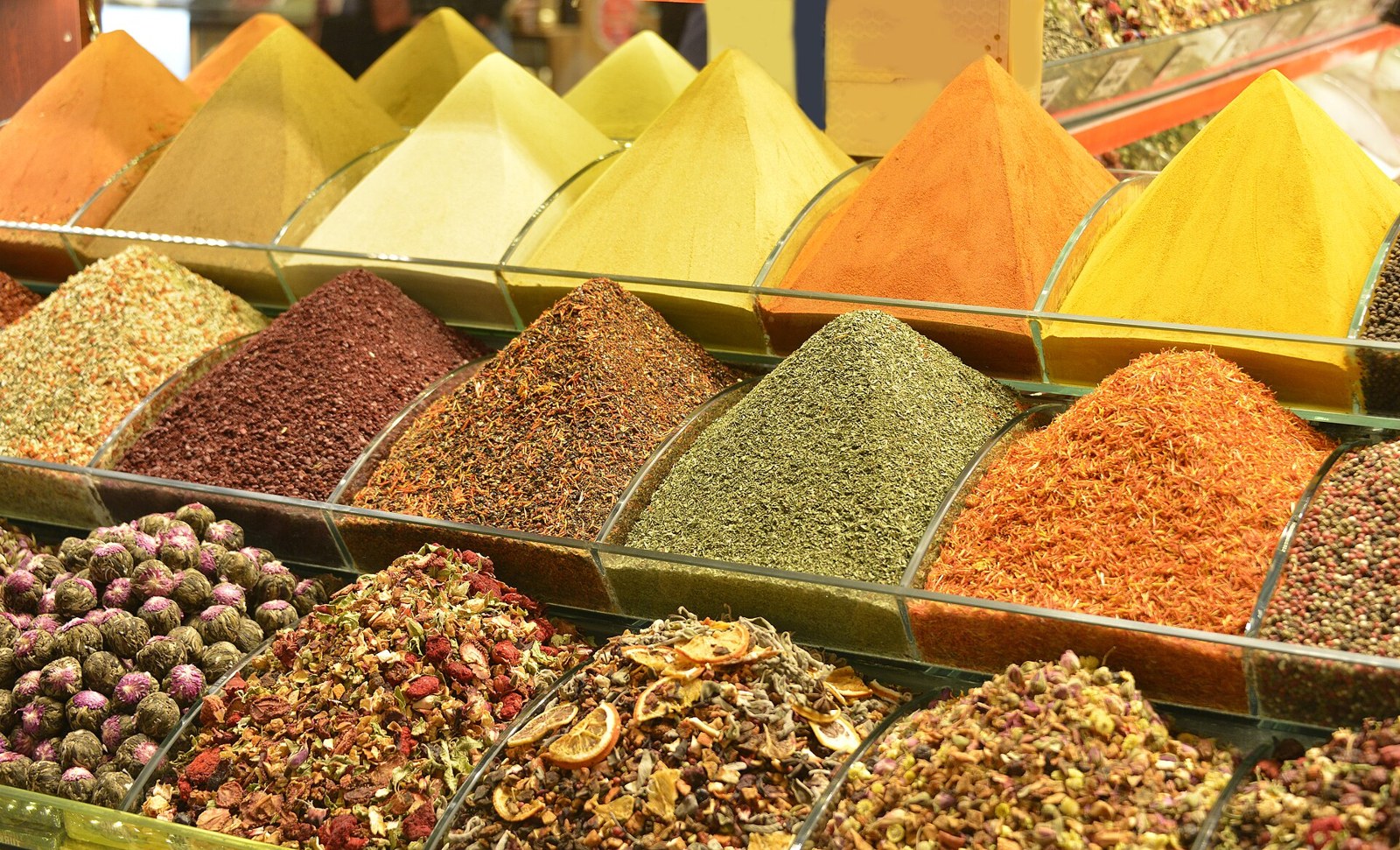
Explore the Spice Bazaar and its surrounding streets through ingredients, careful shopping and the everyday movement of a working city.
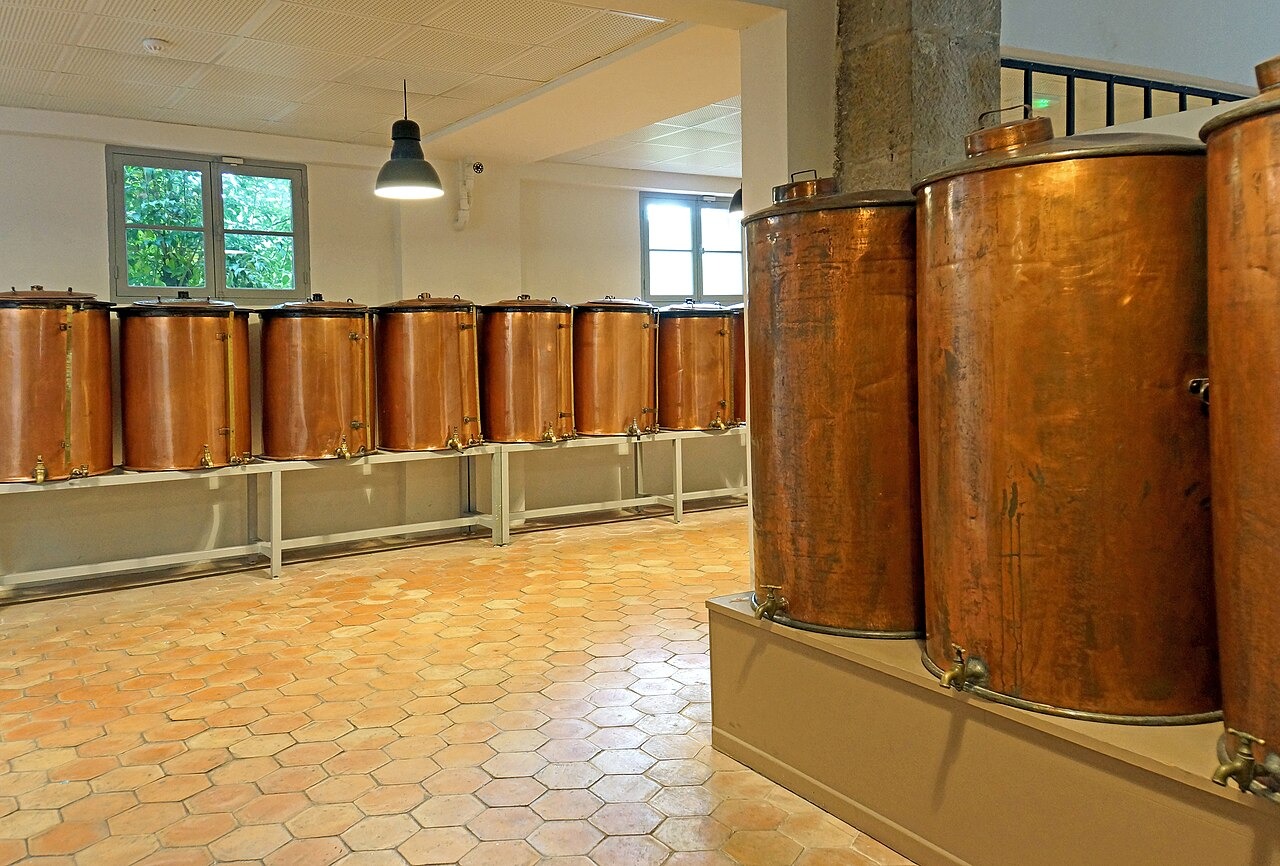
A perfume bottle conceals a complicated journey. Before the finished fragrance comes a plant, an extraction, an ingredient and a series of human judgments about what belongs together. Grasse makes that journey easier to imagine. Its museum collections, fragrant gardens and commercial perfumery visits offer different entrances into the subject, each worth understanding on its own terms. Come to smell carefully rather than sample everything. A few well-chosen encounters can connect an aromatic leaf with a historical object and a modern composition, while the town's steep streets remind you that this is a working place, not simply a scented showroom.


