TASTEBologna, Italy
A taste of Bologna, beyond the familiar
Explore pasta, market shopping and the practical pleasures of eating in a working Italian city.
8 min readRead story
Penang's food makes a persuasive argument for travelling slowly. A wok needs its moment, a bowl of broth deserves more than a photograph, and the best next decision may be to stop ordering. Across George Town and beyond, hawker meals reveal distinct traditions without arranging them into neat compartments. The pleasure is in following a flavour, then noticing how another cook answers it differently. Plan a few anchors, leave room between meals and let appetite, rather than a checklist, set the day's rhythm.
By Journey Into Wellbeing editorial team
Published: November 11, 2026
Updated: November 11, 2026
7 min read
Food is a year round reason to visit. Plan for tropical heat and rain, and check individual trading days because hawker schedules do not follow a single citywide pattern.
Arrive through Penang International Airport or travel overland to the mainland and continue to the island. Compare current bus, ferry and licensed car services, then explore compact food clusters on foot where conditions suit.
George Town is a practical place to begin because it lets you organise meals around a walk rather than a long series of vehicle trips. Choose one compact area for breakfast or lunch and resist booking a distant second meal immediately afterwards. A food day works best when there is room for a market browse, a shaded pause and the possibility that a single bowl proves sufficient.
Penang Global Tourism's food trails extend beyond the historic centre to places including Air Itam, Balik Pulau and Batu Ferringhi. Treat those as separate geographical decisions. A stall on the other side of the island is not a casual extra simply because it appears beside a central address on a recommendation list. Ask what else you want to see nearby, check the journey and make the excursion worthwhile without forcing several full meals into it.
Penang asam laksa has a fish and tamarind base with thick rice noodles, according to the state tourism bureau. Its sourness makes an illuminating starting point for understanding how different noodle soups can be. Taste the broth before adding anything and notice the balance already established by the cook. The aim is not to prove how much chilli you can tolerate, but to recognise the character of the dish.
Curry mee offers another direction, with a light curry soup and a combination of noodles and garnishes that varies by vendor. Penang Hokkien mee is different again: the local tourism description identifies a prawn and pork soup base. Dish names do not travel unchanged between Malaysian cities, so order for the version in front of you rather than expecting the preparation you remember from elsewhere.
A bowl can contain animal ingredients that are invisible once the noodles arrive. Prawn, pork, fish and other additions matter for allergies, religious requirements and personal preference. Ask specifically about the broth and sauces as well as the toppings. Removing an item from the surface does not change the stock in which the dish was prepared.
If you want to compare soups, separate them with a walk or choose a later meal rather than ordering everything together. Broth temperature, spice and appetite affect what you notice. Sharing can help where the vendor is comfortable with it, but avoid requesting complicated alterations during a busy service simply to construct a tasting exercise.
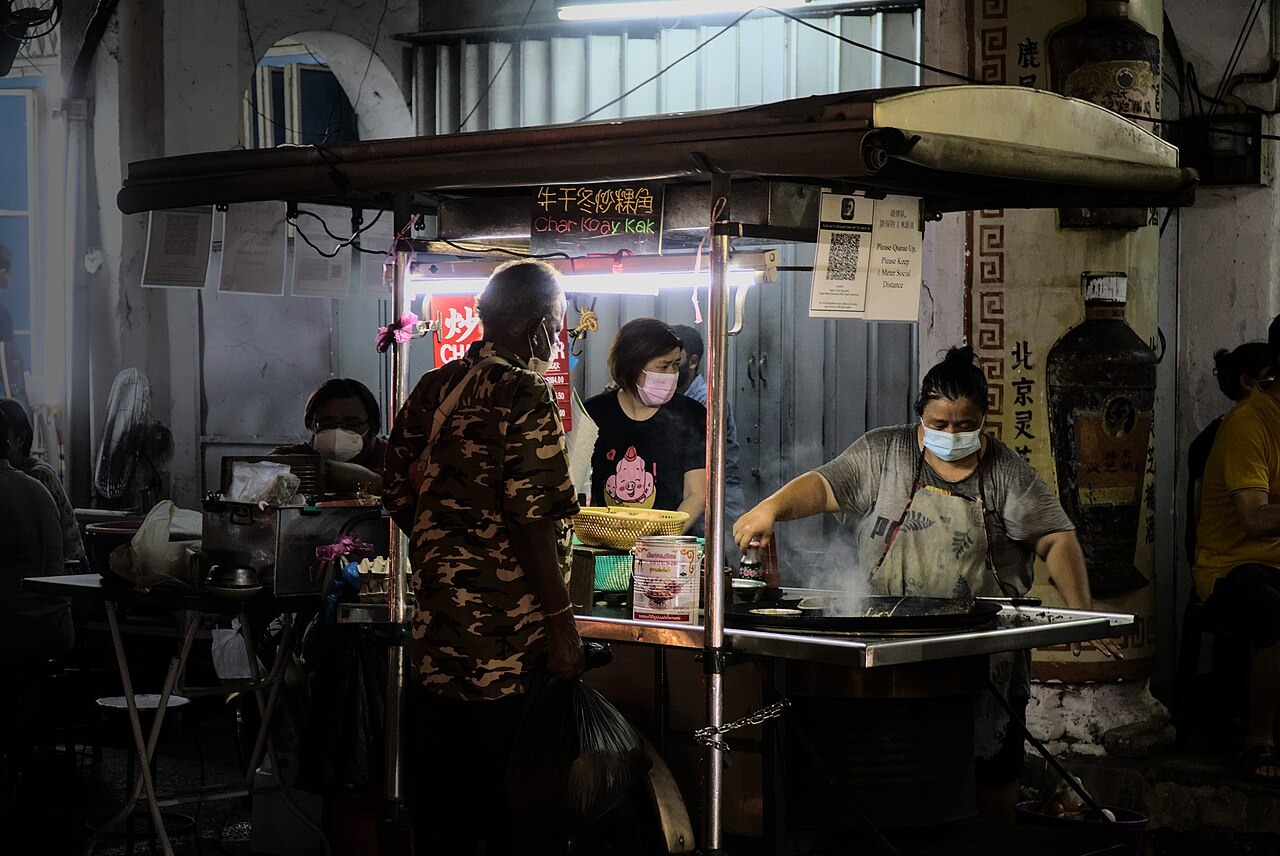
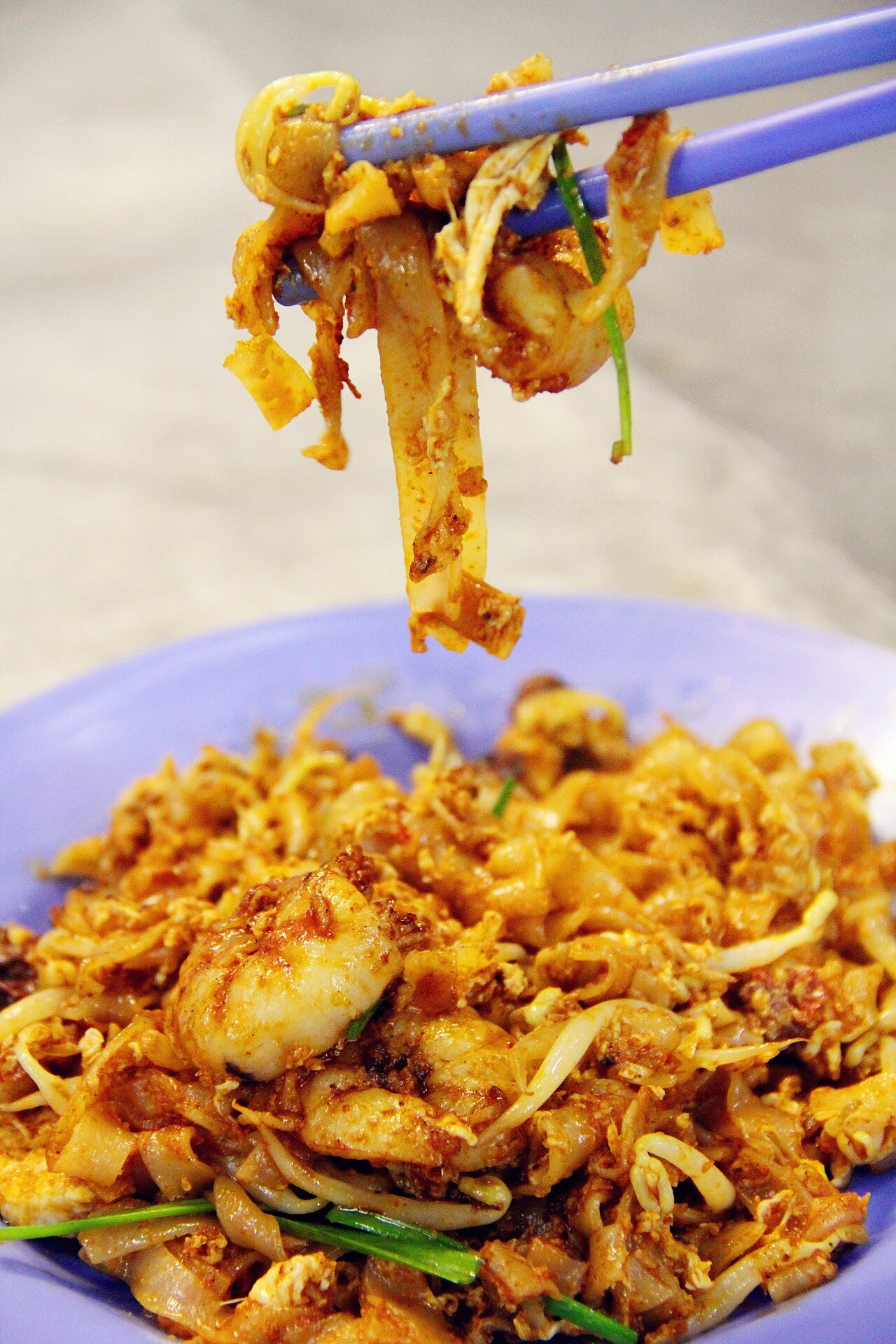
Char koay teow brings a different set of pleasures: flat rice noodles, high heat and the quick assembly of ingredients in a wok. Penang Global Tourism lists versions with prawns, cockles, bean sprouts, chives and egg. Those details are useful orientation, not a promise that every stall uses an identical recipe. Read the menu and ask before ordering if a particular ingredient matters.
Watch from a respectful distance without leaning across the working area or blocking customers. Cooking is skilled labour, not a performance owed to a camera. If there is a queue, find out where to join it and be ready to state the order clearly. A fresh plate is best approached while it is ready to eat; spend less time rearranging it for photographs and more time noticing texture and the way the seasoning holds together.
Nasi kandar is a useful departure from a noodle centred itinerary. The decision shifts from choosing a single named bowl to selecting rice and accompaniments. Look carefully before ordering, ask how the selection is priced and tell the server which dishes you want rather than vaguely requesting everything that looks interesting. A concentrated plate can be satisfying without becoming an attempt to sample the entire counter.
This is also a good moment to reject the idea that Penang has one uniform street food identity. Chinese Malaysian, Malay, Indian Muslim and Peranakan food traditions are among the influences encountered while eating around the island. Learn the names attached to the food in front of you, and let vendors describe their own cooking. A thoughtful food trip makes room for those distinctions instead of reducing every meal to a generic exotic feast.
Chendol changes the pace with shaved ice, coconut milk, palm sugar, pandan flavoured strands and, in the tourism bureau's description, red beans. It is a dessert with distinct elements rather than merely something cold after a hot walk. Find somewhere sensible to eat it and notice how sweetness, temperature and texture shift as the ice melts. There is no benefit in carrying it through traffic while trying to navigate to the next stop.
Nyonya kuih offers a smaller scale of attention. The official food trail describes palm sized snacks in varied colours and shapes, including preparations with coconut or mung beans. Buy a modest selection and ask which pieces suit your dietary needs. Small does not mean allergen free or automatically vegan. These snacks make a good alternative to another heavy meal when curiosity remains stronger than hunger.
A hawker centre or coffee shop may contain several food vendors alongside a separate drinks operation. Pause long enough to understand the arrangement: ask whether to order at the stall, give a table number, collect the food or wait for delivery. Payment timing can differ. A short question prevents confusion more effectively than assuming every place follows the system used at your previous meal.
Carry smaller cash denominations while checking whether digital payment is accepted. Clear the ordering area once your request is understood and avoid occupying extra seats with bags when others are looking for space. Ask permission before making a vendor the subject of a close photograph. When language becomes a barrier, a simple order, a menu reference and patience are more useful than speaking at greater volume or changing the request repeatedly.
For food safety, favour food cooked thoroughly and served promptly, practise hand hygiene and make drinking water part of every outing. A busy stall may suggest turnover, but it is not a guarantee of safe handling. Travellers at increased risk from foodborne illness should be especially cautious about raw or undercooked ingredients. Shellfish, nuts, egg, dairy and seafood based sauces deserve explicit questions, not guesses from appearance.
Budget for transport and drinks as well as plates of food. Frequent small orders can become an expensive and wasteful way to eat if appetite is ignored. Group nearby stops, confirm opening arrangements shortly before travelling and keep a backup in the same area. Use pedestrian crossings, watch for traffic when emerging from sheltered walkways, and arrange a vehicle rather than pushing through heat or heavy rain just to reach a particular recommendation.
There are vegetarian options, but a dish that looks vegetable based may contain fish sauce, prawn paste, meat stock or lard. Explain your requirements and ask about cooking fats, broth and sauces. For strict needs, a clearly identified vegetarian kitchen can be easier than negotiating changes at a very busy stall.
No. The meat visible on the plate does not establish the status of the kitchen or its ingredients. Look for appropriate recognised certification and ask questions relevant to your needs. Do not infer halal preparation from a dish name, the absence of visible pork or the appearance of other customers.
Use them as planning guidance, then verify close to your visit. Individual hawkers may take rest days, sell out or change their routine. Keep another option nearby and avoid building an entire cross island journey around a single unconfirmed stall. The official tourism trails are useful starting points, not live availability guarantees.
Space meals across the day, share when practical and order a small amount first. Ask about portion choices instead of assuming a tasting size exists. Leave room for something unexpected and stop when satisfied. Returning for another meal is more enjoyable than accumulating half eaten plates to complete a list.
Verify opening arrangements, transport, access rules and safety information with official sources. We omit numerical budget ranges where reliable current figures have not been verified.
Keep exploring
Explore pasta, market shopping and the practical pleasures of eating in a working Italian city.
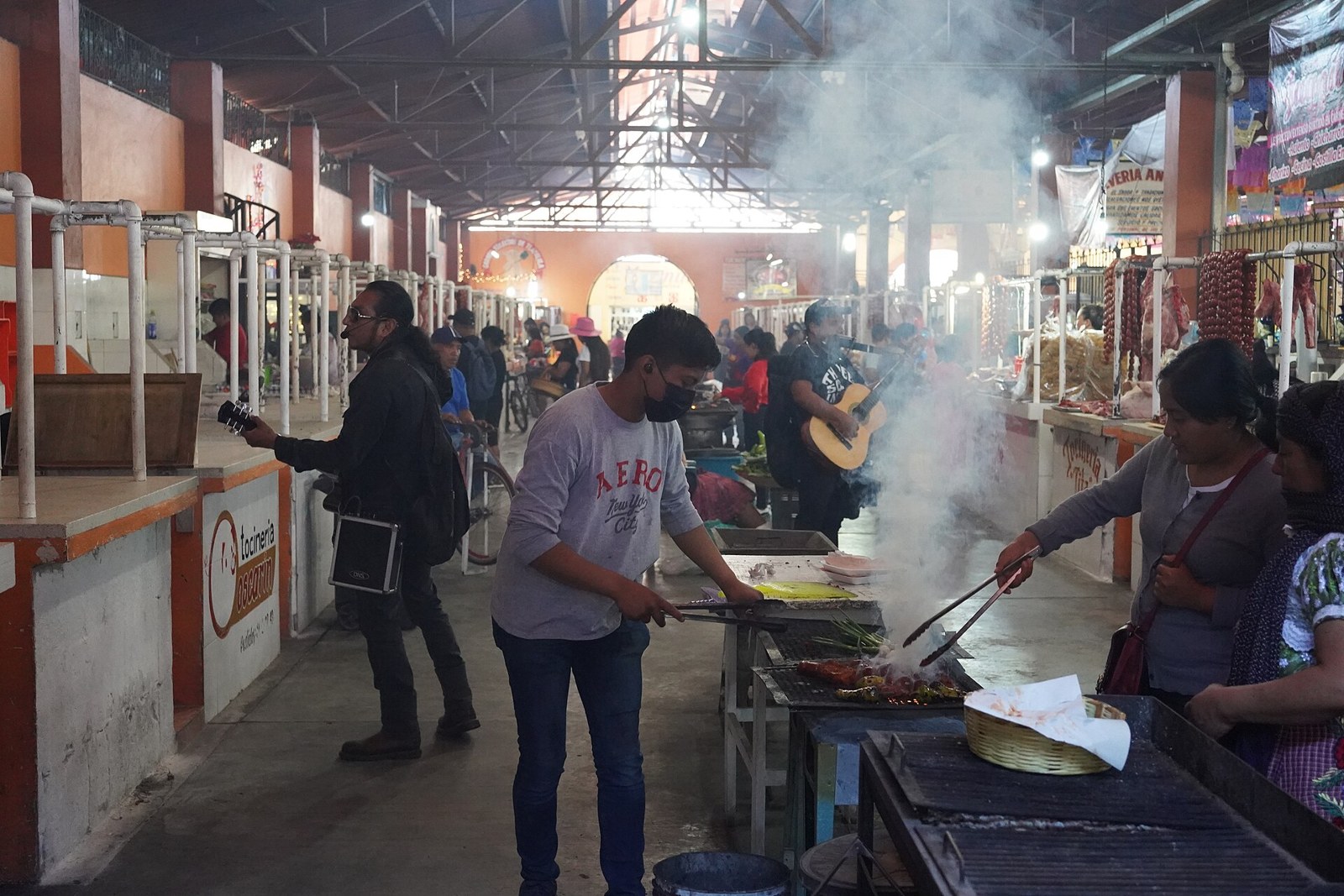
A thoughtful route through Oaxaca’s food markets, balancing appetite with practical questions and respect for working stalls.
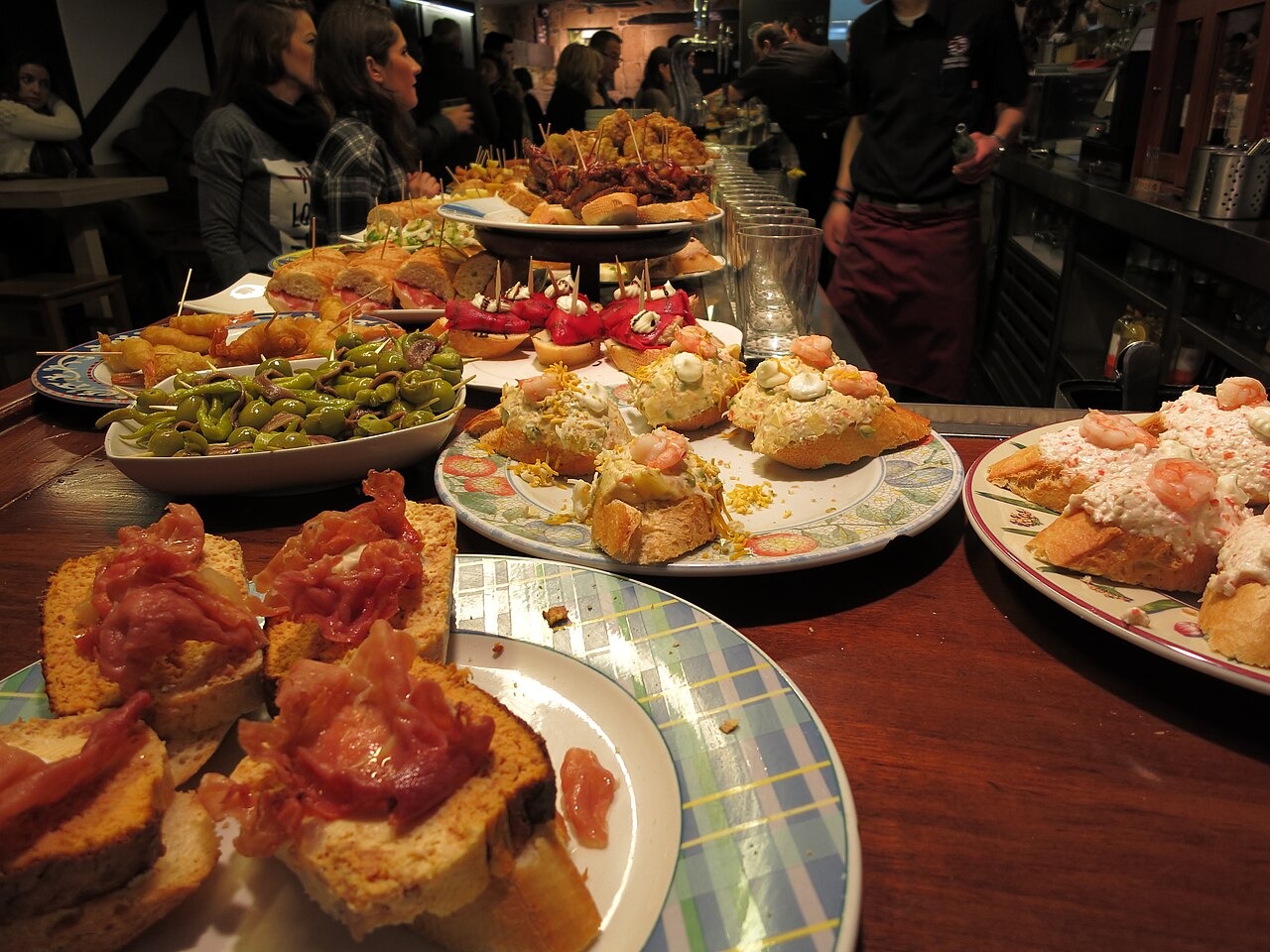
The most useful skill on a pintxo evening in San Sebastián is not knowing every famous bar. It is learning when to pause, what to ask for and when to move along. A crowded counter can look like an elaborate display, but behind it is a working rhythm of short orders and small rounds. Follow that rhythm and dinner becomes a walk through the city: one considered bite, a conversation, another street, then a different cook's idea of what a small plate can do.


