SCENTProvence, France
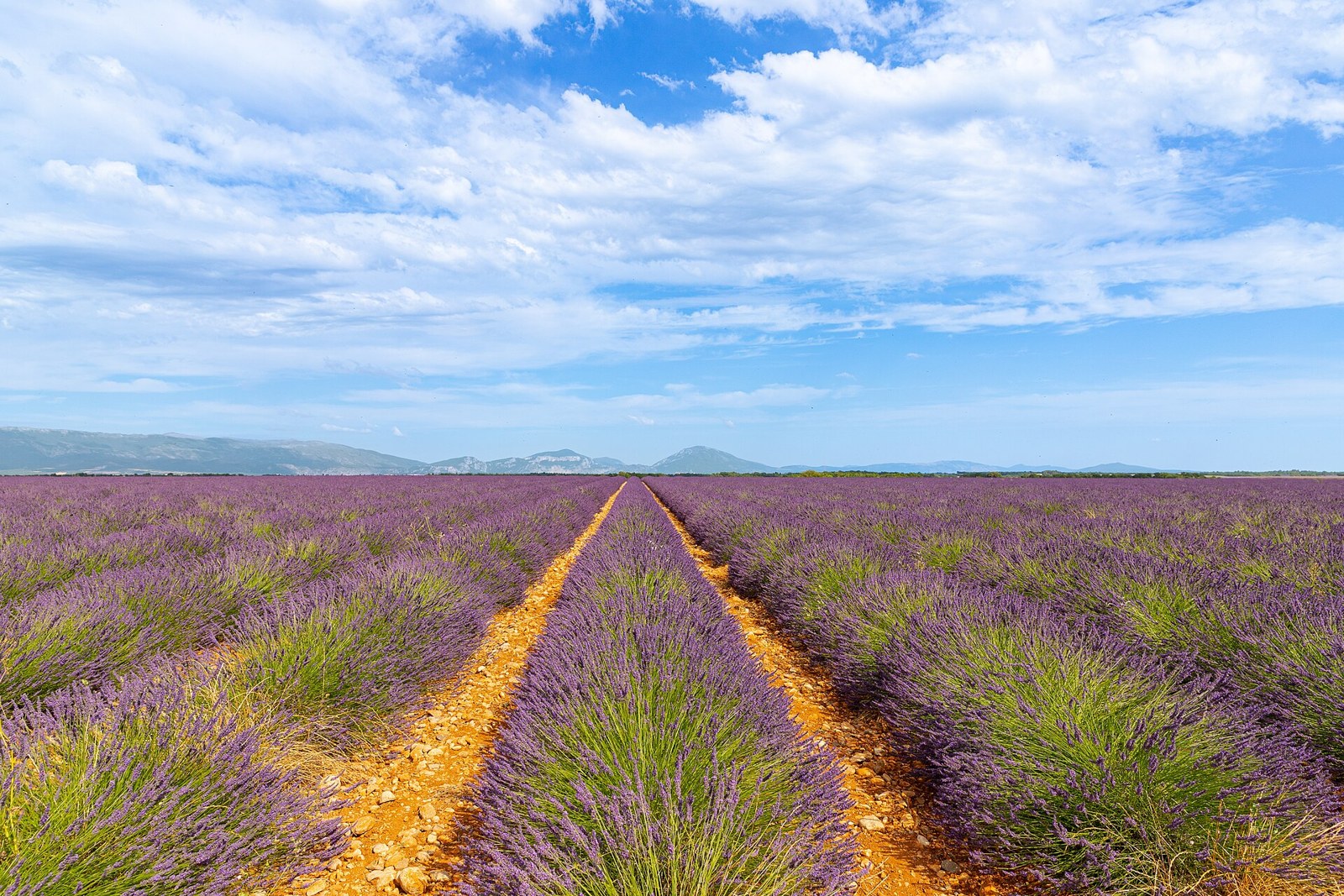
Provence in the scent of lavender
A lavender journey built around working farms, flowering conditions and the differences between a field, a distillery and a finished scent.
7 min readRead story
Explore the Spice Bazaar and its surrounding streets through ingredients, careful shopping and the everyday movement of a working city.
By Journey Into Wellbeing editorial team
Published: November 11, 2026
Updated: November 11, 2026
8 min read
Spring and autumn can make walking more comfortable. Summer heat and winter rain call for shorter outdoor sections and flexible breaks.
Istanbul has international airports and extensive urban transport. Reach Eminonu by an appropriate tram, ferry or other public transport connection, checking the current network before departure.
Eminonu offers a useful beginning because the waterfront, market streets and Spice Bazaar sit within a busy urban setting rather than a self-contained visitor attraction. Arrive with a simple plan: find the bazaar, explore a small area around it and stop somewhere to sit before deciding whether to continue. The first sensory task is not identifying every aroma. It is distinguishing the smell of a particular stall from food cooking nearby, traffic and the shifting air from the waterfront.
Keep your bag closed and your phone secure while you orient yourself. Do not stop suddenly in a doorway or a narrow passage to consult a map. Step aside where people can pass, especially when deliveries are moving. A modest route is easier to enjoy than a long chain of markets crossed at speed. You can return another day with a better understanding of which ingredients or streets interest you, instead of trying to buy and photograph everything during the first encounter.
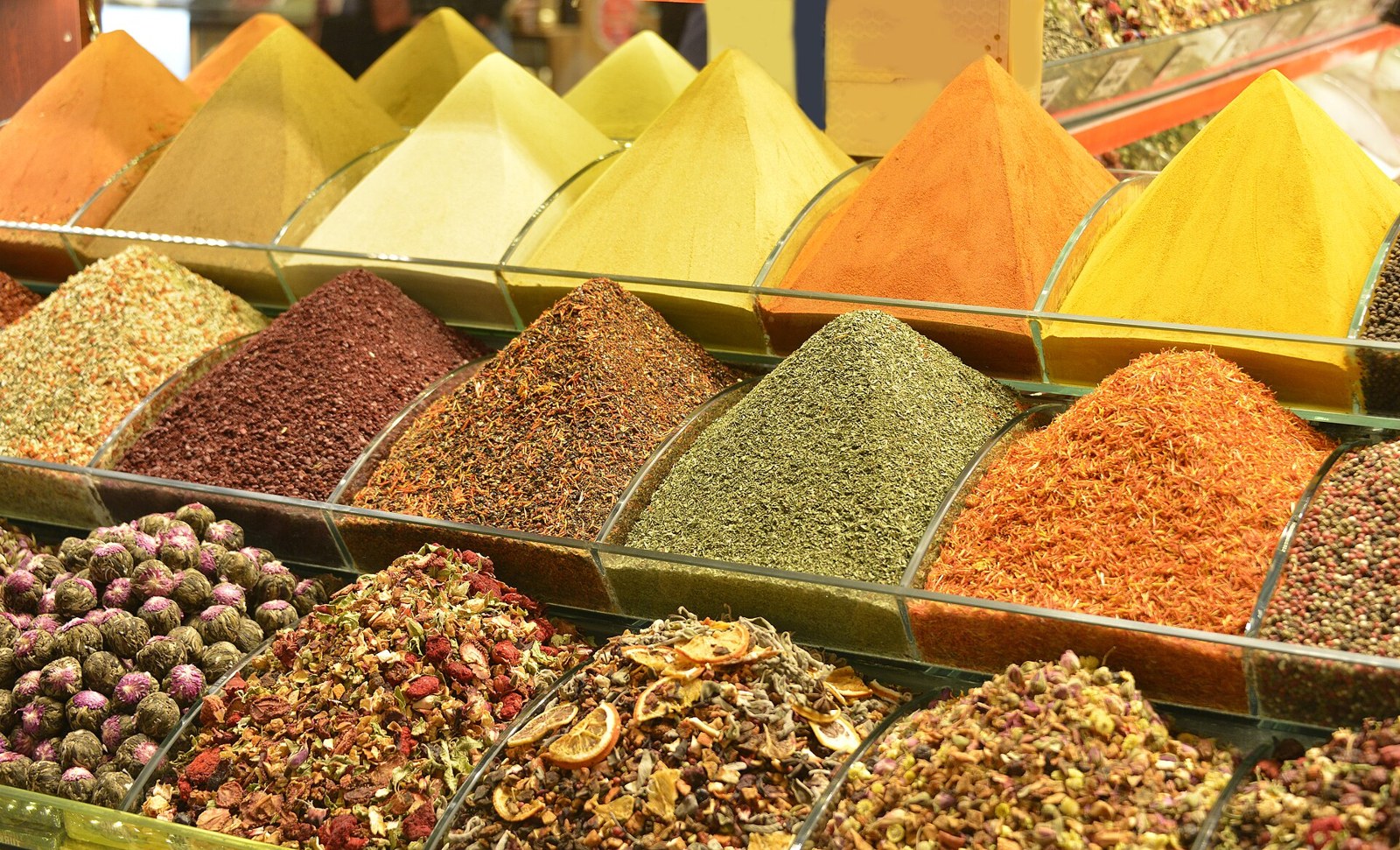
The Spice Bazaar, also called the Egyptian Bazaar or Misir Carsisi, forms part of the New Mosque complex's historical setting. Official Turkish tourism describes it as a seventeenth-century market and identifies spices, herbs, teas, dried fruits and other foods among its goods. Its appeal lies in that mixture. A display of dried vegetables or nuts can be as revealing as a mound of ground spice, because it points toward meals rather than souvenirs alone.
Browse before buying. Similar-looking displays may contain different ingredients, blends or packaging sizes. Ask what an unfamiliar product is called and how it is normally used. If the answer is vague, you can simply thank the seller and move on. A market conversation does not obligate you to purchase, and neither does an offered sample. Equally, avoid treating sellers as performers who must provide a free demonstration for every camera. A brief, specific question is more respectful and often more informative than an elaborate request for an experience.
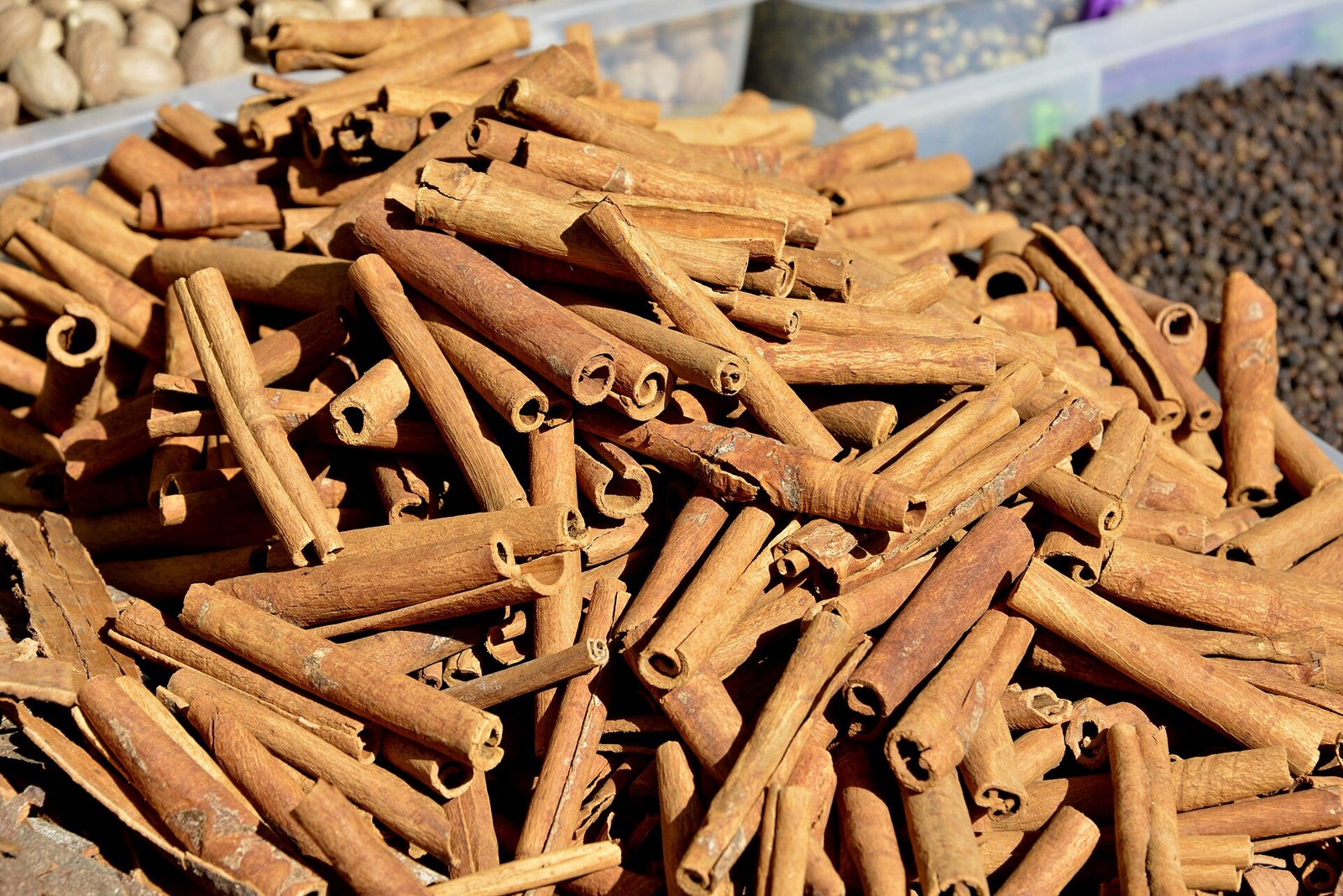
Start with a few recognizable ingredients rather than trying to memorize the whole bazaar. Cumin, dried mint, sumac and dried peppers provide useful points of comparison, although the exact products available will vary by shop. Ask whether a powder is a single ingredient or a mixture. For pepper products, ask about heat and salt rather than assuming that all red flakes behave alike in cooking. A photograph of the label, taken with permission, can be more useful later than a photograph of an anonymous mound.
Tea displays deserve the same attention. Ask whether the product is black tea, an herbal infusion or a sweetened preparation. Attractive dried flowers do not establish that a mixture is suitable for everyone to drink. If you are pregnant, take medication or have a relevant health condition, do not rely on a market sales explanation for medical advice. Choose familiar ingredients with clear labels, and leave anything whose identity or intended use remains uncertain. Curiosity does not require consuming every offered product.
The streets around the bazaar can extend the visit without turning it into a forced shopping route. Coffee roasting and grinding may be easier to notice where dedicated sellers operate, while nearby food businesses add the aromas of baking or cooking. Let these be observations rather than promises about exactly what will be open when you arrive. Changes in business hours, wind and street activity make every walk different, and a long queue is not proof that a stop suits your interests.
If coffee appeals, ask how the grind is intended to be prepared. Turkish coffee uses a very fine grind and a particular brewing approach; buying beans or ground coffee without considering your equipment can lead to an impractical souvenir. Sit down for a drink or meal when you need a break instead of relying on samples to sustain the walk. Check the menu and clarify what you are ordering. When dietary needs matter, ask directly about ingredients rather than inferring them from scent or appearance.
Before anything is packed, establish the unit price, the quantity and whether packaging changes the total. Ask to see the amount weighed and request a receipt. If you want a small quantity for home cooking, say so clearly. A large gift box may be attractive but less practical than a modest, identified packet you will actually use. Compare more than one shop if the product is unfamiliar, without assuming that the cheapest option or the most elaborate presentation is the best choice.
For costly ingredients such as saffron, color and scent alone are not a dependable way for an inexperienced buyer to establish authenticity. Prefer clear identification and traceability, and do not make a purchase you feel pressured to complete immediately. Bargaining may be possible in some settings, but it is not a universal requirement for every food transaction. Ask politely whether a price is fixed, accept the answer and avoid turning negotiation into a performance. You can leave without a purchase and still have had a worthwhile market visit.
Eminonu is connected to Istanbul's wider public transport network, including tram and ferry services. Use official journey information to choose the right connection from your accommodation, and check the return journey before committing to a distant extension. A ferry ride can offer a change of pace, but it should be chosen for a route you understand, not boarded on the assumption that every boat reaches the same district. Keep any transport card or ticket accessible without opening your whole bag in a crowd.
In warm weather, break the walk into shorter sections and carry water. Covered market passages do not guarantee cool conditions, and busy interiors can feel tiring even when the weather outside is mild. In rain, footwear with grip helps on wet paving and steps. If you have limited mobility, ask about the exact entrance and the streets you plan to use. Cobbling, gradients, crowds and delivery traffic may matter more than the apparent distance on a map. A shorter route can still offer a rich sensory visit.
The market sits close to places of worship and residential or working streets. Follow posted rules when entering a mosque, dress appropriately and avoid interrupting prayer. Photography permission in a shop does not extend automatically to people nearby. Ask before photographing a worker closely, and accept refusal without argument. Keep your attention on the street when carts or other vehicles approach; a narrow lane is not an empty stage for a photograph, even when it looks picturesque.
For allergies, decline open samples if cross-contact would be a concern. Nuts, spices, sweets and dried foods may be handled near one another, and an informal assurance may not provide the certainty you need. Check your destination country's rules before carrying food home, especially animal products and plant material. Seal purchases well and retain labels and receipts. End the visit before sensory fatigue turns every smell into background noise. A small, well-understood purchase and a clear memory of a particular ingredient are more satisfying than a bag of unidentified mixtures.
No. They are distinct markets with different settings and a different emphasis. The Spice Bazaar is especially useful for food-related browsing. You can visit both, but do not assume that combining them is necessary for a complete day. Leave time for walking, meals and navigating between districts.
Not necessarily. Practices vary by shop and product. Establish the unit, quantity and total first, then ask politely whether there is flexibility if you wish. Do not bargain over an item you have no intention of buying, and do not treat a fixed price as an insult or a failure of the experience.
Choose something clearly identified, securely packaged and permitted by the customs rules where you are going. A familiar single ingredient can be easier to use than an unnamed blend. Ask for the ingredient list and keep the label. Avoid products whose claims or composition you cannot confidently understand.
Verify opening arrangements, transport, access rules and safety information with official sources. We omit numerical budget ranges where reliable current figures have not been verified.
Keep exploring
A lavender journey built around working farms, flowering conditions and the differences between a field, a distillery and a finished scent.

Choose a valley, understand the mountain conditions, and give this complex landscape more than a hurried photograph.
An attentive approach to Kyoto gardens, with time for framing, seasonal change and the rules that protect quiet spaces.


