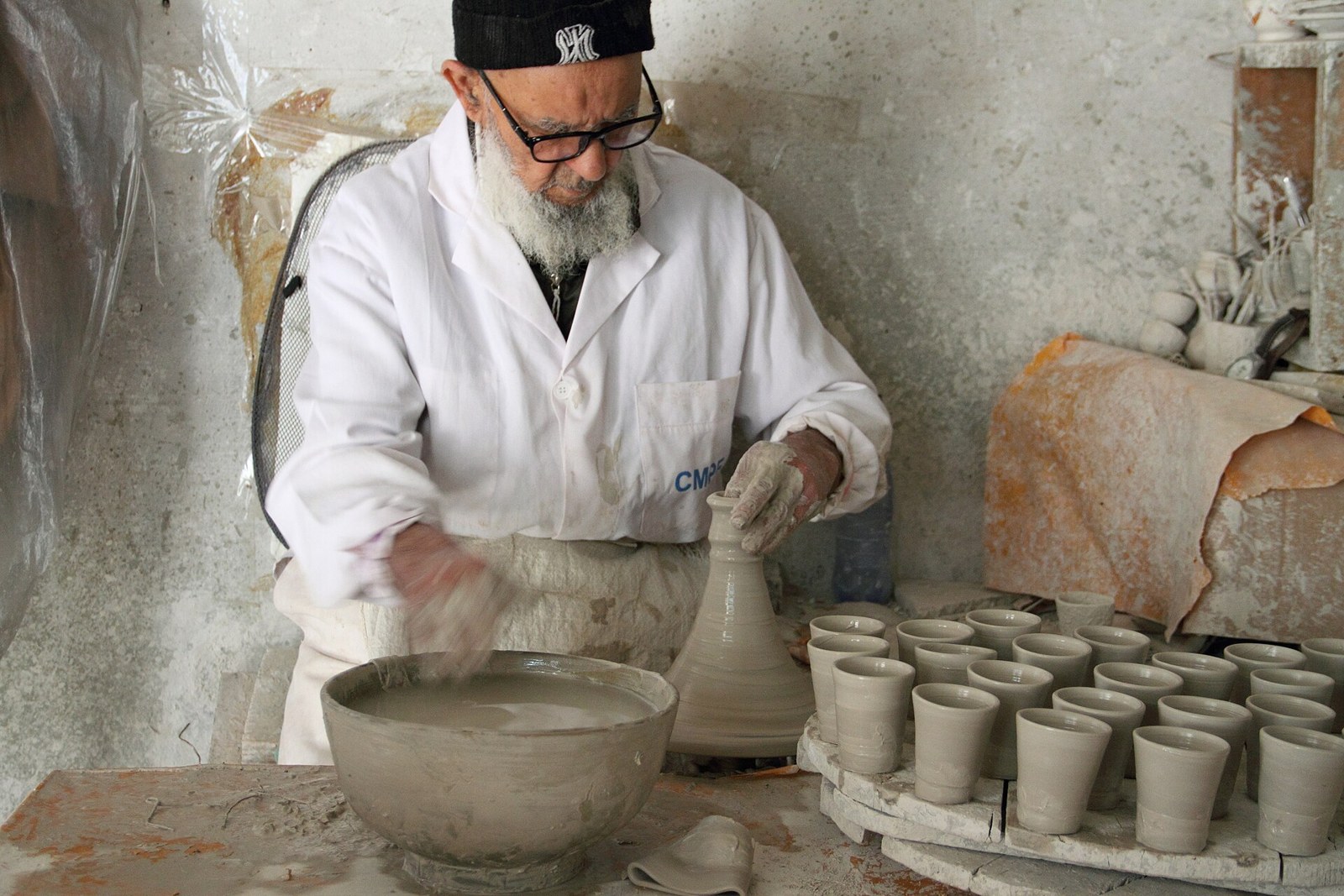
TOUCHFez, Morocco
Made by hand: the craft traditions of Fez
Meet the materials and working skills of Fez through careful observation, permission-based handling and thoughtful purchases.
8 min readRead story
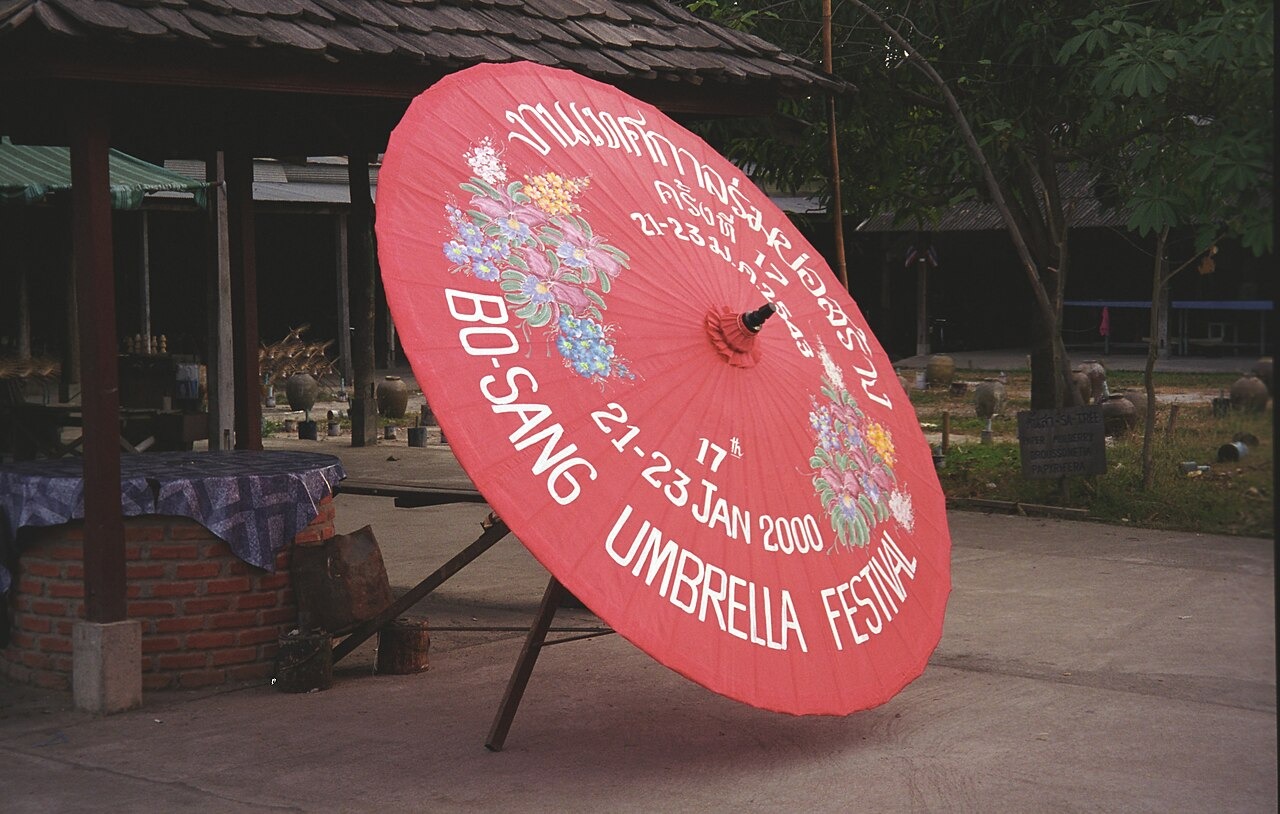
An open umbrella catches the eye, but in Bo Sang the folded framework deserves just as much attention. Near Chiang Mai, this umbrella-making community brings together bamboo preparation, frame assembly, paper covering and painted decoration. The pleasure of a visit is following those connected jobs rather than treating the finished canopy as a colourful backdrop. Go to watch people work, ask before handling anything and leave room for conversation when the maker is free. Any visitor painting activity needs its own confirmation, not an assumption that every workshop offers lessons.
By Journey Into Wellbeing editorial team
Published: November 11, 2026
Updated: November 11, 2026
9 min read
The cooler season is a useful starting point, particularly January, which official tourism accounts associate with the umbrella festival. Confirm festival dates and working hours for your year. Plan around heat, rain and current local air-quality advice at other times.
Travel east from Chiang Mai to Bo Sang in San Kamphaeng district. Arrange a licensed car, taxi, songthaew charter or suitable tour with an agreed destination and return plan. Confirm current transport arrangements locally rather than relying on an old fare or timetable.
Bo Sang, also written Bor Sang in official tourism material, lies in the San Kamphaeng area near Chiang Mai. The Tourism Authority of Thailand identifies the village with handmade umbrellas and describes visitors observing their production. This is the craft to build your outing around: a bamboo structure carrying a paper or fabric canopy, brought to life through shaping, assembly and decoration. Choose an umbrella-making venue by name and confirm its address, rather than booking a general shopping excursion and hoping it includes substantial time with makers.
Arrive with the intention of understanding a process. A retail display can show the variety of colours and sizes, but it cannot by itself explain the decisions hidden inside a frame. Ask where observation is welcome and which production stages are active during your visit. Workshops work to their own schedules, and a description of the full craft does not mean every stage will be underway when you arrive. Leave space in your expectations for an ordinary working day.
The Tourism Authority's account of Bo Sang describes the preparation of bamboo handles and struts, while a later official feature explains the notch, runner, ribs and connecting stretchers. These structural parts are worth watching before you focus on decoration. Follow how the pieces relate to one another and ask which movements allow the canopy to open. A completed umbrella looks simple because the separate components cooperate. Observing assembly makes that apparent simplicity much more interesting than a quick souvenir photograph.
Do not pick up spare bamboo, pull a partly assembled frame or imitate a cutting action. The older official account describes workers using knives with considerable speed, which is a reason to give them space rather than move closer. Keep bags and camera straps away from benches and walking routes. If a maker offers a finished sample for inspection, ask how to hold and operate it. Touch should help you understand the construction without interrupting production or placing fingers near a working tool.
Watch the relationship between the runner and the ribs when a staff member opens a finished example. Look for how the supports spread and how the cover follows them. Ask the demonstrator to repeat the movement if you need a better explanation instead of repeatedly operating a delicate sample yourself. This small mechanical lesson can make the painting stage more meaningful, because the picture must live on an object that changes shape.
Official tourism descriptions identify sa, or mulberry-bark paper, among the canopy materials and also mention other coverings. Ask which material is used in the specific umbrella you are viewing. Look at how it lies across the frame and how its edges are finished. Avoid assuming that all paper umbrellas have identical construction or intended use. Material, coating and finishing need to be understood together, especially if you intend to take the umbrella outdoors.
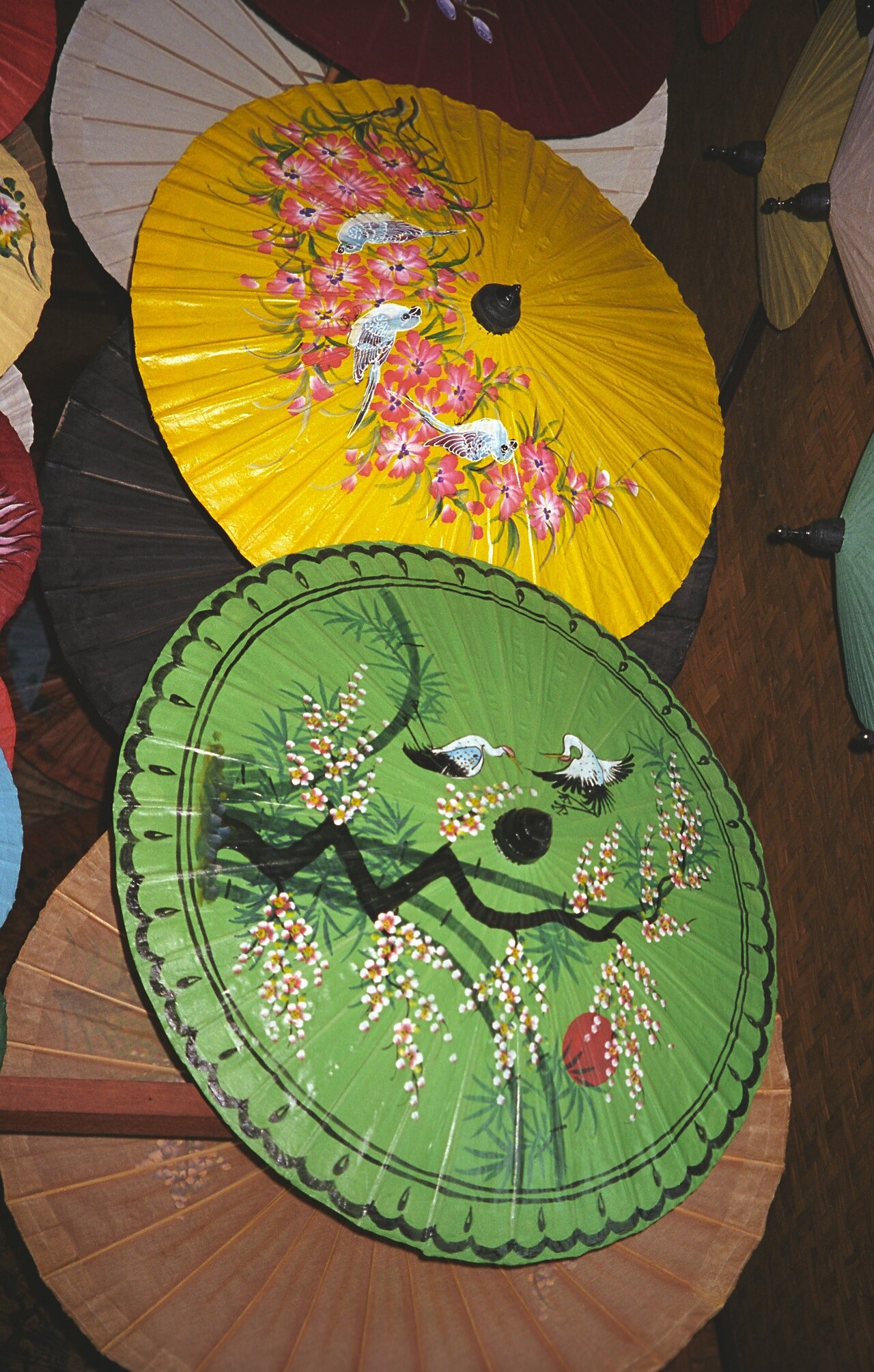
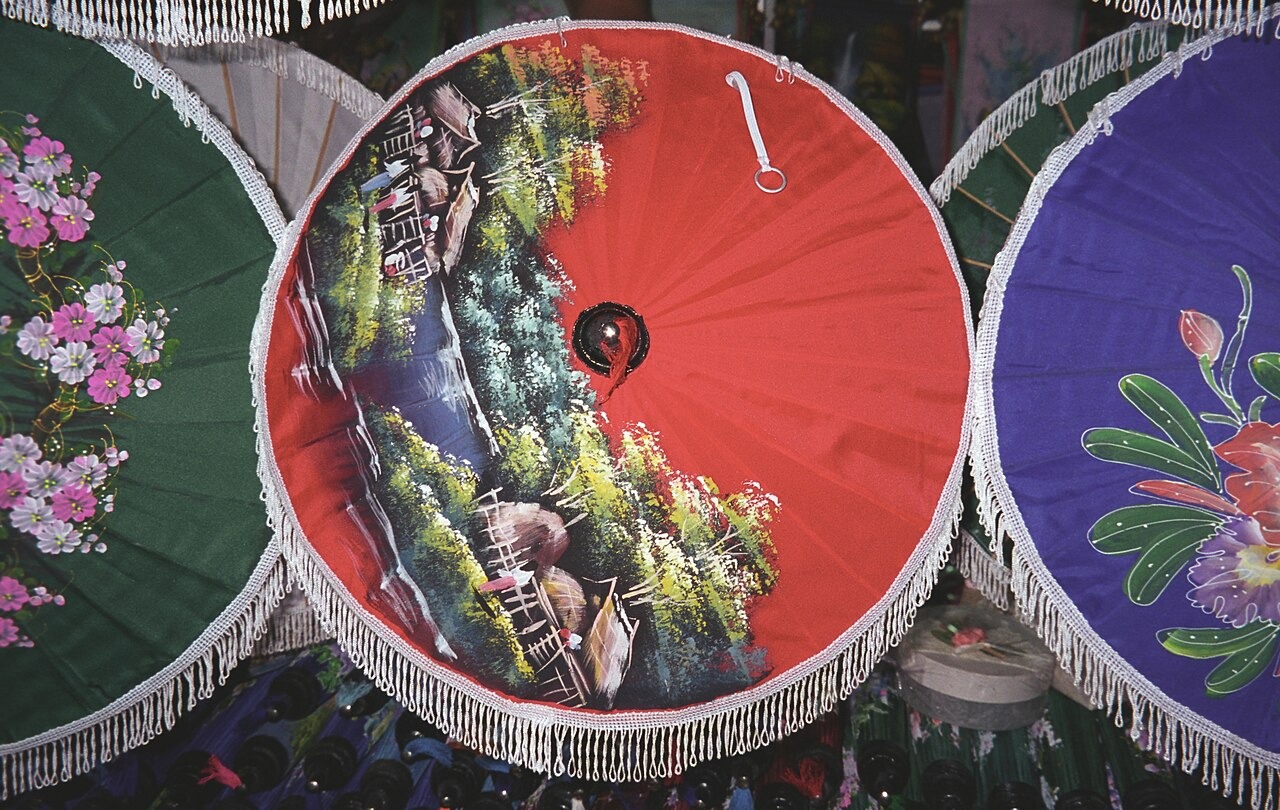
Painting is often the most immediately engaging part of a visit. The Tourism Authority's feature describes artists producing motifs including wildlife and scenes of rural life. Watch the order of the brushwork rather than asking for a performance at extra speed. Notice how a painter fits a design to the canopy's divisions and curve. Ask permission before taking a close photograph of the work or the person making it, and accept a refusal without turning the request into a negotiation.
The official account also describes artists decorating visitors' bags, shoes and clothing. That documents a service, not a guaranteed opportunity for visitors to wield the brush themselves. If you want a personalised item, ask what surfaces are suitable, who does the painting and how long the paint needs before packing or use. Bring something you can comfortably risk altering, and agree on the design and cost first. Do not hand over a valuable object on the assumption that every material accepts the same paint.
A visit to see umbrella making, a commissioned painted souvenir and a hands-on class are different experiences. Before reserving an activity advertised as a workshop, ask exactly what you will do. Will you paint a prepared miniature, cover a frame or only watch an artist? Who teaches, which language is used and what materials are included? Request confirmation of the current offering for your date. The official accounts used here support observing production and artist-applied decoration, not an unrestricted daily programme of visitor umbrella-building lessons.
If a venue confirms supervised participation, follow its rules for tools, paints and drying space. Ask about age suitability and whether children need an accompanying adult. Do not expect a brief visitor session to cover the entire production sequence or confer the skill of an experienced maker. A modest activity can be rewarding when accurately described. Equally, watching carefully is a complete reason to visit, even when there is no class available or the working team is too busy to teach.
January is a useful planning option: the Tourism Authority's account associates it with cooler weather and Bo Sang's umbrella and handicraft festival. Treat that older feature as context, not a current event announcement. Confirm the dates and programme for your travel year with official tourism information before reserving transport around a parade or special display. A festival visit and a quieter production visit serve different interests. Decide whether you want street activity or more opportunity to ask questions in a less crowded setting.
At other times, check the forecast and current local advisories before leaving Chiang Mai. Allow for heat, rainfall and air quality rather than assuming a craft outing is entirely protected from outdoor conditions. Carry water and rain protection, keep painted purchases sheltered and arrange transport that does not leave you waiting without shade. Ask the venue when makers are normally working. Published opening hours may describe access to a shop rather than the availability of each person or production stage you hope to observe.
The official tourism account suggests arranging a tour or hiring a songthaew from Chiang Mai. For a charter or car journey, agree on the destination, waiting arrangement, return pickup and total inclusions before departure. Ask whether a proposed tour adds retail stops and how much time it actually allows at the umbrella venue. Save the workshop name and location on your phone. If you choose public transport instead, confirm the current boarding point and return arrangements locally rather than relying on a historical online fare.
For access needs, contact the exact venue about surfaces, thresholds, seating, shade and toilets. Open-sided workshops, as described in the tourism account, should not be read as proof of step-free access or an accessible bathroom. Ask how close a vehicle can stop and whether there is room to turn mobility equipment. Families should also establish a safe place for children to watch away from blades, wet paint and stored frames. A well-planned short visit is better than discovering these obstacles after arrival.
Budget for the journey, any agreed activity, refreshments and a purchase separately. Ask for current terms rather than assuming that observation is free or that personalisation is included with an umbrella. Compare objects by construction, material, finish and intended use, not only by canopy size. A decorative paper parasol should not automatically be treated as equipment for heavy rain. Ask the seller what conditions the particular item is made to withstand and how it should be dried, stored and cleaned.
Before paying, ask staff to demonstrate opening and closing, and check the piece without forcing its mechanism. Consider its packed length, your airline's baggage rules and the space available at home. For shipping, obtain the packing method, delivery terms and damage procedure in writing. Allow personalised paint to dry according to the artist's instructions. Buying directly can make a visit more personal, but a purchase is not a substitute for respectful behaviour. The important exchange is recognising the work inside the object, whether you leave with an umbrella or simply with better questions.
No. It is a separate umbrella-making community in the San Kamphaeng area near Chiang Mai. Plan an outward and return journey rather than treating it as a stop within an old-city walk. Confirm the exact venue and address with your driver, and agree on waiting time or pickup before leaving.
Only if the venue confirms a suitable supervised activity for your date. Watching production and paying an artist to paint your belongings are not the same as taking a class. Ask what participants do, which materials are provided and whether there are age restrictions. Never borrow workshop tools or paint without permission.
Do not assume that they are. Official accounts describe coatings in traditional production, but a particular souvenir may be intended chiefly for display or shade. Ask about the specific canopy material, finish and intended conditions of use. Follow the seller's care advice and use ordinary rain equipment unless suitability is clearly established.
Official tourism features associate the festival with January, but confirm the current year's dates before making reservations. Check whether your chosen workshop will be demonstrating during the event. If your priority is unhurried observation rather than celebrations, ask the venue to recommend a normal working day with the relevant makers present.
Verify opening arrangements, transport, access rules and safety information with official sources. We omit numerical budget ranges where reliable current figures have not been verified.
Keep exploring
Meet the materials and working skills of Fez through careful observation, permission-based handling and thoughtful purchases.
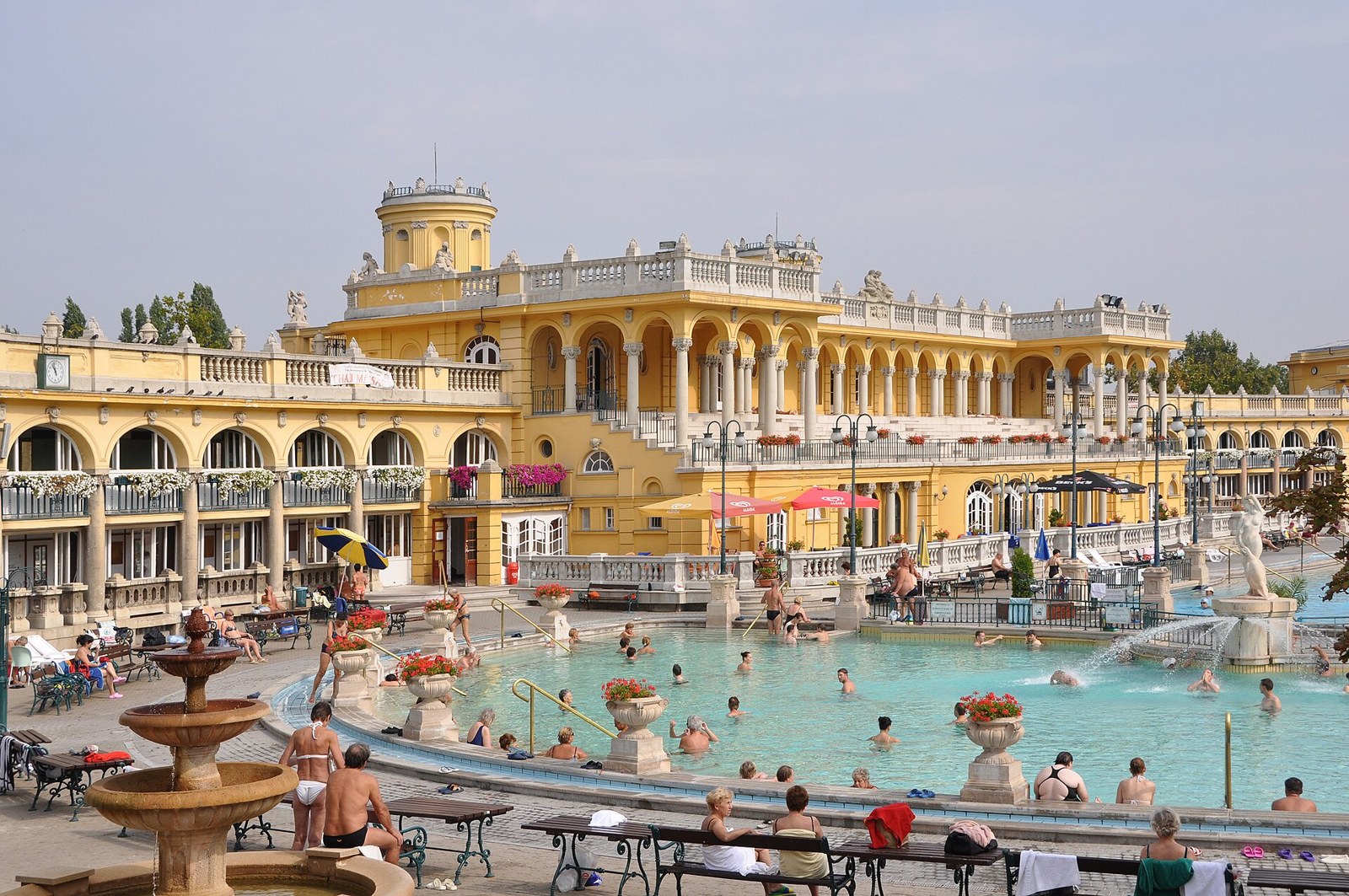
Approach Budapest bathing as a deliberate sequence of arrival, washing, warmth and rest, with venue rules and personal limits at the center.
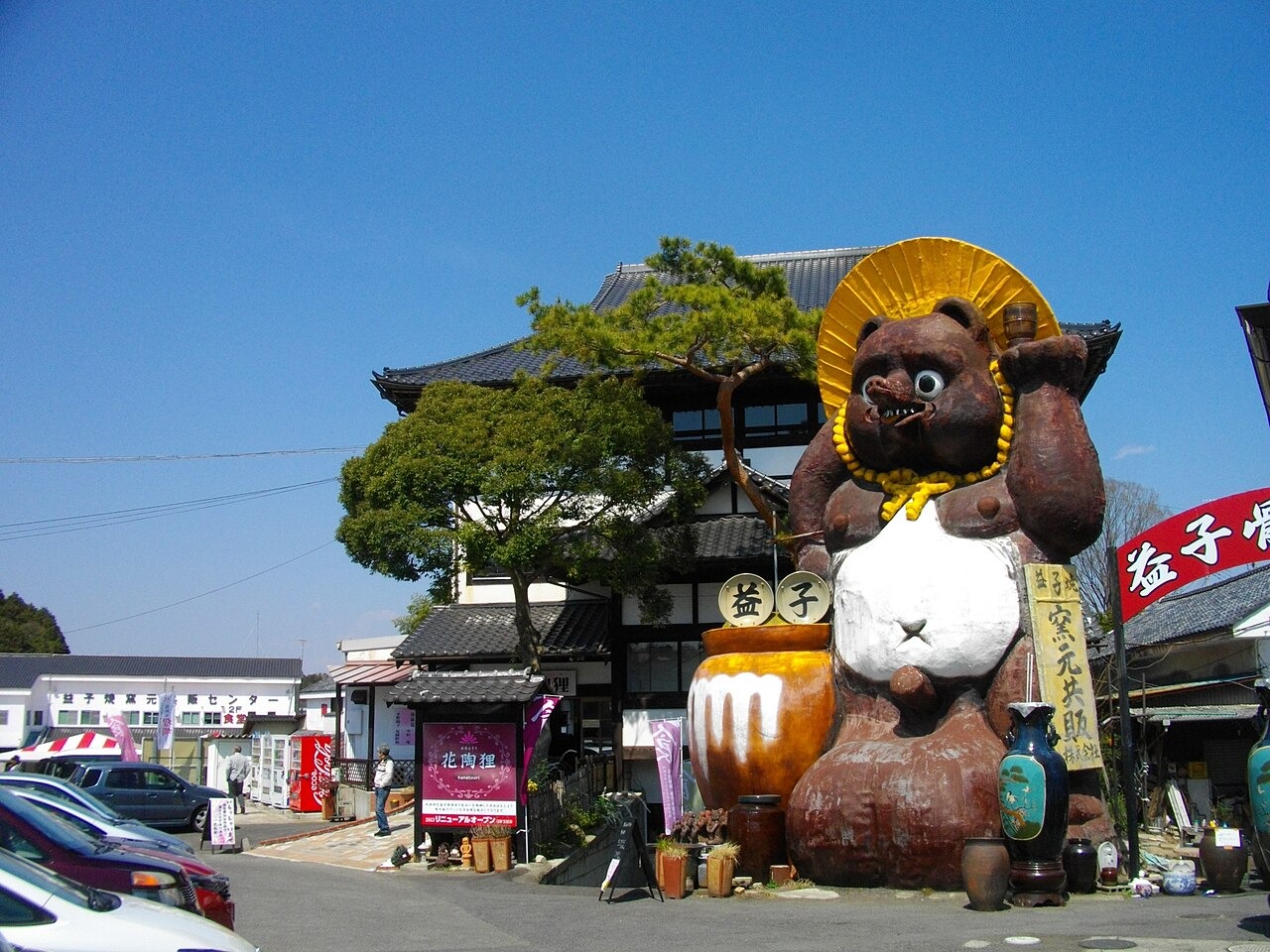
In Mashiko, the most revealing ceramic encounter begins before a bowl reaches the shop shelf. Damp clay resists a thumb, a rim changes under a fingertip, and a familiar household shape becomes surprisingly difficult to make. This pottery town in Tochigi offers a way into Japanese mingei through practical objects and the people who produce them. Combine a confirmed beginner session with museum time and unhurried walking, rather than treating the town as a place to collect a finished souvenir. The reward is a clearer understanding of how material, repetition and firing turn an everyday vessel into something worth noticing.


