SCENTProvence, France
Provence in the scent of lavender
A lavender journey built around working farms, flowering conditions and the differences between a field, a distillery and a finished scent.
7 min readRead story
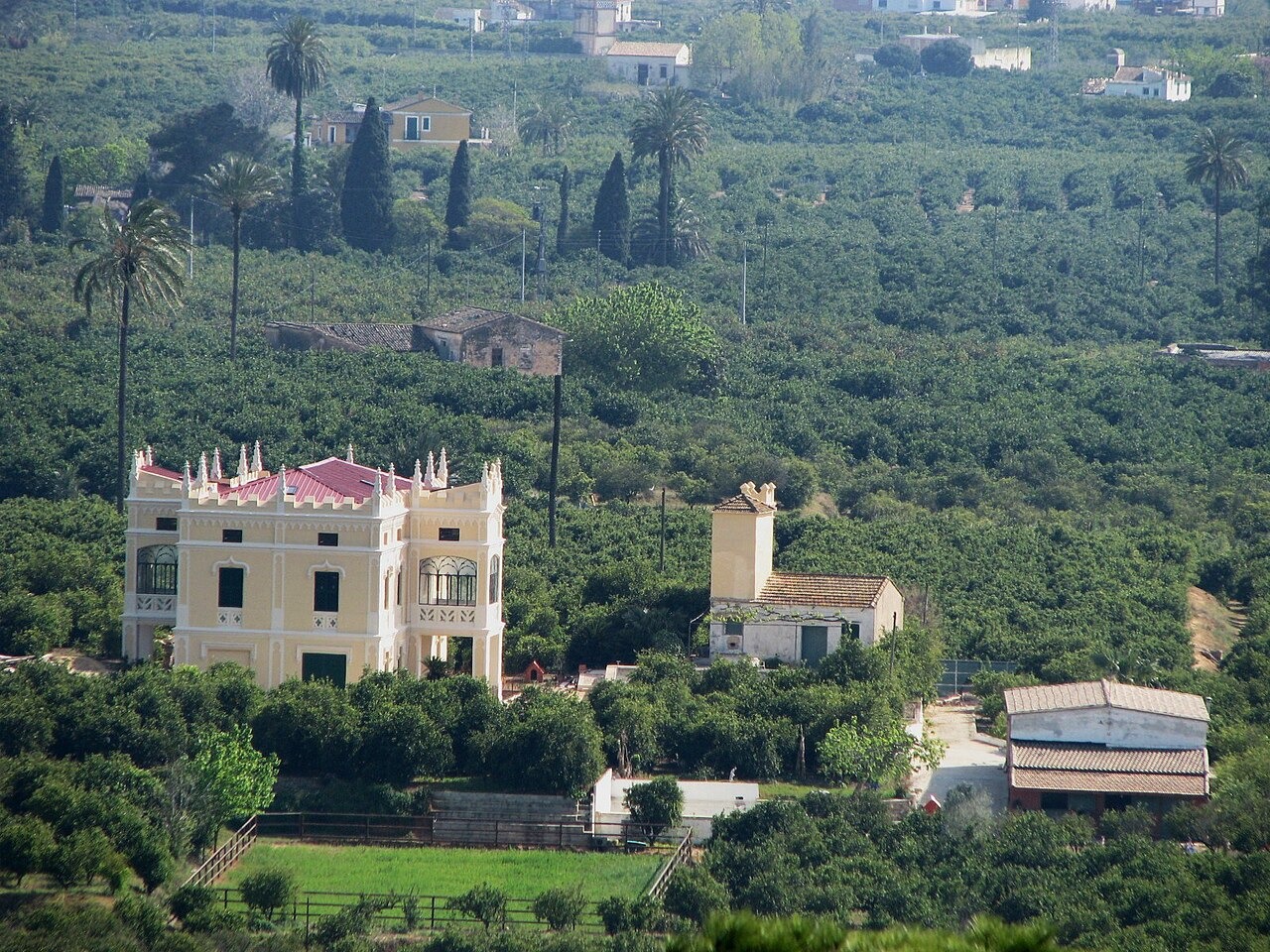
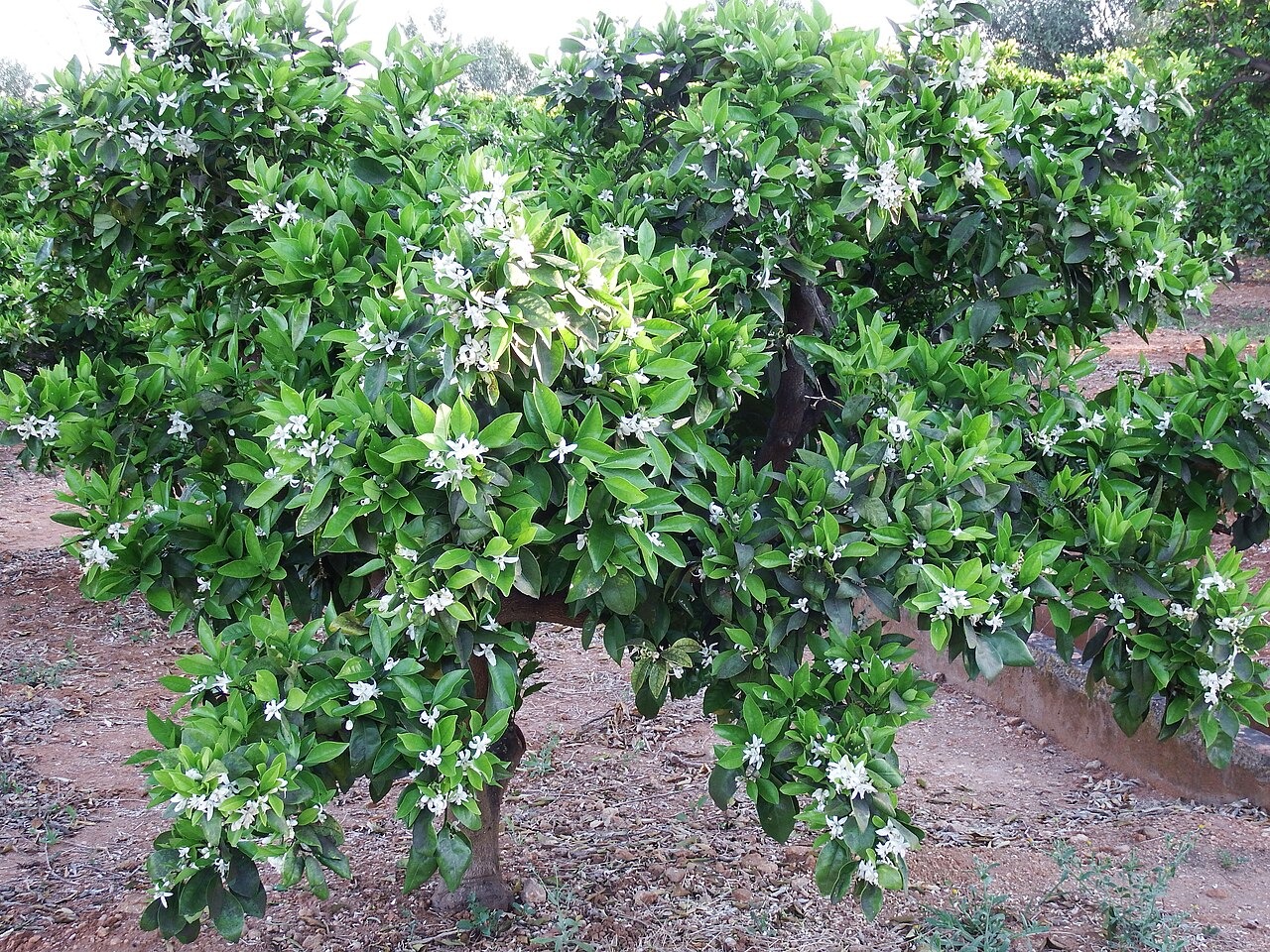
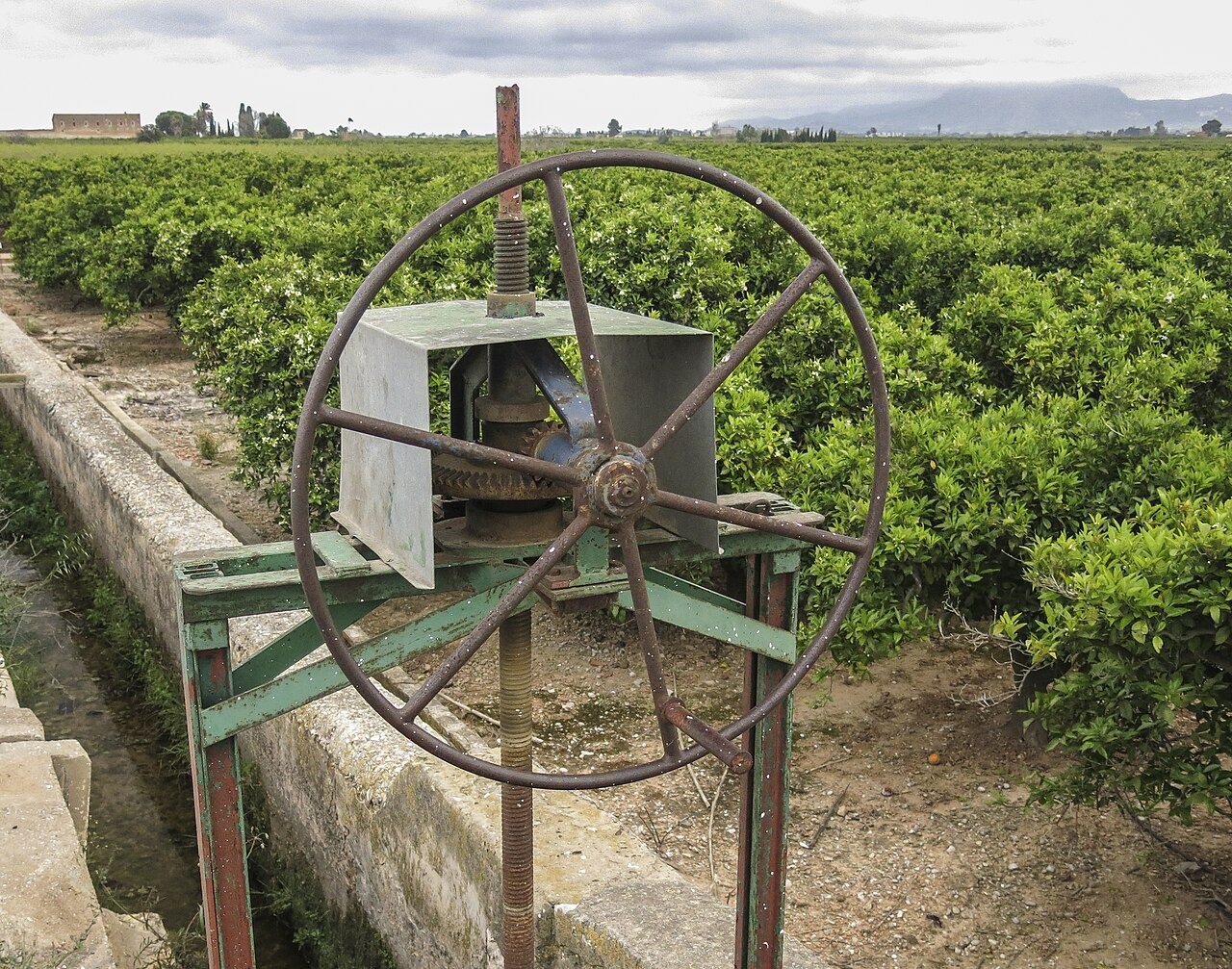
Valencia's citrus story extends beyond the city into a working provincial landscape. The photographs here place that story in Alzira's orange groves, flowering trees at Rafelguaraf and an irrigation channel beside an orchard in Algemesí. They are three distinct locations, not illustrations of one bookable farm. For access among trees, a hosted visit in nearby Carcaixent offers a practical introduction to cultivation and seasonal fruit. Let that guided encounter explain what the wider views cannot: how flowering, water, pruning, varieties and harvest fit together. Blossom is a seasonal possibility, while the agricultural landscape deserves attention throughout the year.
By Journey Into Wellbeing editorial team
Published: November 11, 2026
Updated: November 11, 2026
8 min read
Spring, particularly around March and April, is the period to investigate for blossom, subject to weather and local confirmation. Harvest opportunities depend on variety and farm schedules. Confirm what can be seen or picked on the actual date rather than assuming blossom and harvesting always coincide.
Travel from Valencia to the Ribera Alta area, then arrange the final connection to your booked farm. Consult current rail timetables for towns such as Alzira, Algemesí or Carcaixent, and confirm the farm's precise meeting point. A town station does not guarantee an easy walk to a rural property.
An orange grove is a workplace before it is a visitor attraction. From a legitimate public viewpoint, notice the regularity of rows, the space around each tree and the routes used to move through the holding. These features are clues to management, not an invitation to enter. A roadside view may introduce the landscape, but a hosted visit is the better setting for questions about cultivation and permission to walk among the trees.
The regional tourism board's orange route directs attention to La Ribera of the river Júcar and to Carcaixent as an important centre in the citrus story. Use that as a geographical starting point rather than describing all groves as being in Valencia city. The province contains towns, farms and transport connections with their own identities. A carefully chosen outing can make those distinctions clear without turning the day into a race across several municipalities.
The supplied photographs show Alzira, Rafelguaraf and Algemesí. Each contributes a different view of the Ribera Alta citrus landscape, but none establishes a visitor entrance, parking place or picking permission. Keep those image locations separate from the address of any tour you book. If you want to seek a similar view independently, ask the relevant tourism office for a legal and safe walking option instead of navigating directly to a private field.
The Alzira photograph presents orange groves as a landscape, while the Rafelguaraf image focuses on flowering trees. The regional tourism board also describes Alzira as surrounded by orange-growing country. These are complementary ways to look: first the extent and pattern of cultivation, then the detail of a seasonal stage. Do not infer from the flowering photograph that Rafelguaraf is always in bloom or that the depicted orchard is open to casual visitors.
The Algemesí image includes an irrigation channel beside an orange grove, making water infrastructure part of the view rather than an incidental foreground. Use it as a prompt to ask your host how water reaches the farm you visit and how its system is managed. Do not assume every orchard uses the identical arrangement. Keep away from channel edges and equipment, and never obstruct water flow or cross into a field to recreate the photograph.
Carcaixent provides a documented option for organised access. The regional tourism board lists a Valencia Orange Experience at Huerto Ribera, describing a guided encounter with orange cultivation, the estate's garden and seasonal tasting. The operator's own website also advertises visits to its orange-growing property. That is firmer ground for planning than assuming a picturesque grove near another town will receive visitors. Book through the operator and confirm the exact format of your chosen session.
Ask what the experience includes on your date: walking distance, language, cultivation explanations, any warehouse visit, tasting and possible harvesting. Published descriptions may combine activities that depend on the season or require particular arrangements. Picking should happen only where the host directs, using the method explained. A farm visit need not include collecting fruit to be worthwhile; understanding the decisions behind a crop can be more revealing than leaving with a bag of oranges.
The producer associated with Huerto Ribera describes orange blossom appearing in March and April as spring temperatures rise, while also emphasising the relationship between flowers and a later crop. Treat those months as a planning window, not an appointment made by the trees. Ask for a current update before travelling specifically for fragrance. Some trees may carry fruit and flowers together, but the amount and appearance depend on variety, season and conditions.
The regional tourism listings describe harvesting over a broader seasonal span for some experiences. That does not mean every variety is ready whenever a tour runs. Tell the operator whether your priority is blossom, fruit picking or a general introduction, and accept the answer if those aims cannot all be met. In warm months, choose a suitable departure time and ask how much shade is available. Rain can also alter paths and activities, so check footwear advice and weather-related changes.
Once invited into a grove, begin with the structure of one tree. Notice the relationship between foliage, fruit or flowers without touching what the guide has not offered. Ask how pruning and grafting relate to the variety being grown, topics explicitly included in the regional tourism description of Huerto Ribera's experience. Questions tied to what is visible invite clearer answers than a request for a single secret behind all Valencian oranges.
Follow the host's route and keep clear of vehicles, tools, irrigation fittings and working areas. Children need supervision, especially near water channels or equipment. Ask before photographing workers or entering a building, even when the tour includes part of the farm infrastructure. If a task is underway, watch from the position offered rather than moving closer for a photograph. The visit should fit around the holding's work, not require that work to become a performance on demand.
Alzira, Algemesí and Carcaixent can be useful names when researching public transport, but your farm's meeting point is the destination that matters on the day. Compare current train times with the tour's start and finish, then confirm a taxi, transfer or suitable walking route for the final stretch. Do not mistake a short distance on a map for a safe walk: rural approaches may lack a pavement or involve access roads used by agricultural vehicles.
If driving, use the operator's directions for the correct gate and authorised parking. Avoid stopping on narrow roads simply because the blossom looks attractive. For a visitor with mobility requirements, ask about path surfaces, gradients, seating, toilet access and how much of the experience can be reached without walking between rows. A garden, grove and warehouse may have different conditions. A clear description in advance lets you choose an appropriate visit rather than discovering the limitations after arriving.
Compare the complete cost of the hosted experience, transport and any optional purchases. Confirm whether tasting, harvesting and take-home fruit are included, and whether a private language arrangement changes the quote. Do not use an old tourism listing's price as a promise of the current rate. Travelling as a small group may make a shared final transfer practical, but arrange it in advance rather than assuming taxis will be waiting at a rural gate.
If buying fruit or products, ask about the variety, origin and intended use, then check the rules for carrying fresh produce to your next destination. There is no need to turn a farm visit into a large purchase. What matters is leaving with a clearer understanding of the landscape in the photographs: Alzira's cultivated extent, Rafelguaraf's seasonal flowers and Algemesí's visible water channel. A hosted visit elsewhere in the same wider citrus area provides context without pretending those separate places are one estate.
They show orange groves at Alzira, flowering trees at Rafelguaraf and an irrigation channel beside a grove at Algemesí, all in Valencia province. They are not photographs of a single tour property. A booking for Huerto Ribera takes you to its separately identified location in Carcaixent.
Spring is the period to investigate, with the producer's account identifying March and April. Ask the host for a current update because weather and varieties affect flowering. Do not assume that a harvest tour, or a photograph of ripe fruit, guarantees blossom on the same date.
Not without permission. Fields are working private properties even when unfenced or visible from a road. Stay on authorised public routes, and use a booked hosted visit for access among trees. Pick only when the host invites it and explains which fruit and method are appropriate.
Potentially, by combining public transport to a nearby town with a prearranged final transfer. Confirm the exact meeting point, train schedule and return connection before booking. Do not assume a rural property is safely walkable from its nearest station or that transport is included in admission.
Verify opening arrangements, transport, access rules and safety information with official sources. We omit numerical budget ranges where reliable current figures have not been verified.
Keep exploring
A lavender journey built around working farms, flowering conditions and the differences between a field, a distillery and a finished scent.
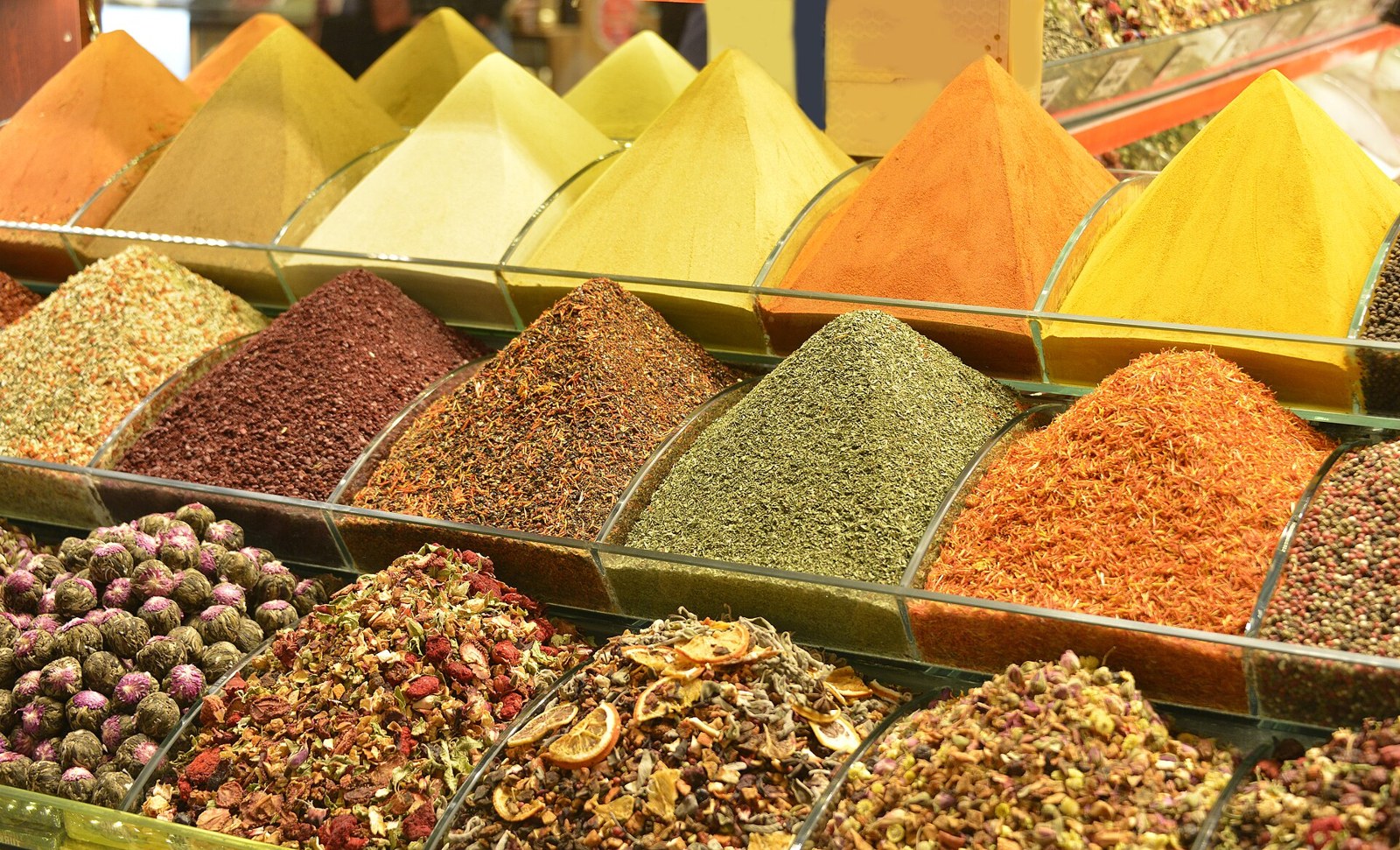
Explore the Spice Bazaar and its surrounding streets through ingredients, careful shopping and the everyday movement of a working city.
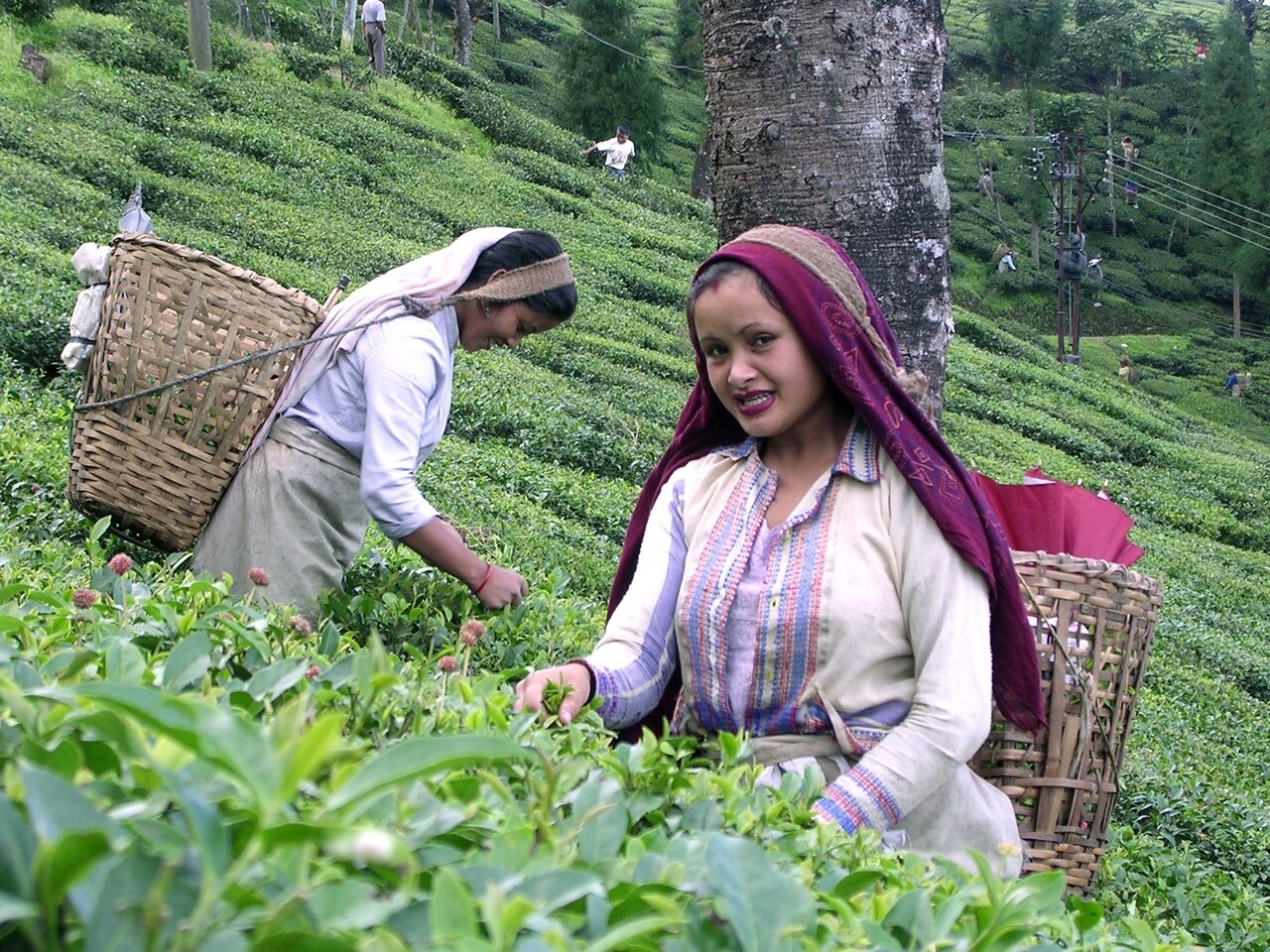
Lift the lid of a freshly brewed pot before taking a sip. In Darjeeling, that small pause can be as revealing as a mountain view: steam carries suggestions of flowers, fresh vegetation or ripe fruit, depending on the leaf and how it has been made. Tea gardens give those aromas a landscape, but a rewarding visit requires more than looking across green slopes. Meet the finished tea through careful tasting, learn what a working estate can actually show you, and leave space for weather, steep streets and the people whose labor connects the hillside with the cup.


